Expert Advice on Hospitality Topics

Maximize Margins Using Real-Time Stock Tracking in Your Bar

Posted by Nick Kaoukis on Fri, Mar, 13, 2026 @ 09:03 AM

Discover how real-time inventory management can transform your bar's profitability by eliminating waste, preventing theft, and uncovering hidden revenue opportunities.

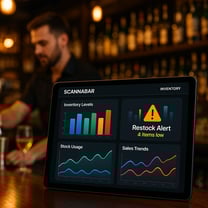
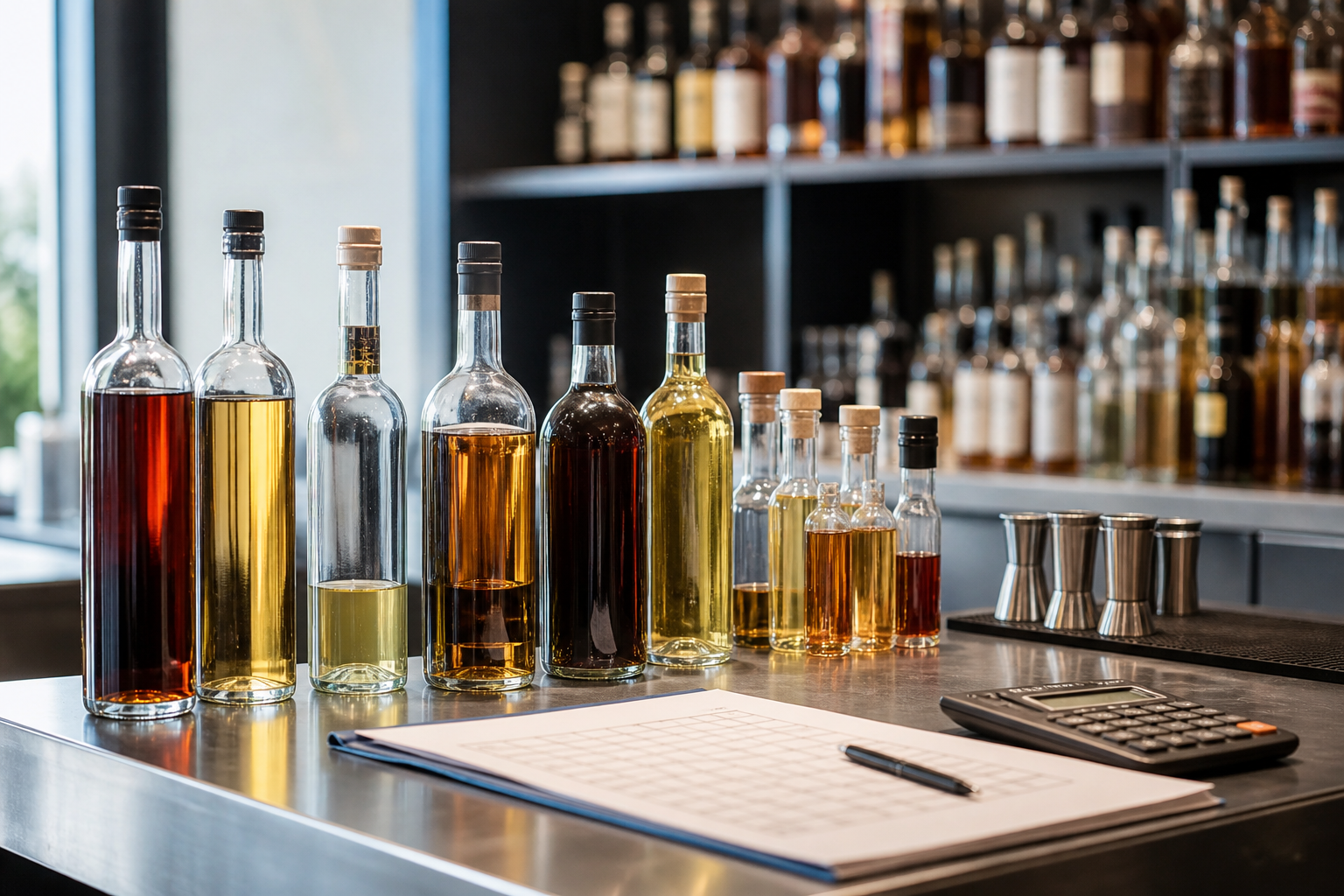
TThe image features a sleek modern interface of the Scannabar Inventory application displayed on a tablet set against a backdrop of a bustling bar environment The screen shows vibrant graphs and charts illustrating realtime inventory levels stock usag-1he Hidden Profit Leaks Draining Your Bar's Bottom Line

Every bar owner knows the feeling of watching revenue pour through the doors, only to wonder where all the profit went at the end of the month. The harsh reality is that most bars lose between 20-25% of their potential profits to what industry experts call 'shrinkage'—a polite term for the countless ways inventory mysteriously disappears. From untracked spillage and bartender error to deliberate theft and unrecorded drinks given to friends, these profit leaks compound daily, turning what should be a thriving business into one that barely breaks even.

The traditional approach of weekly or monthly inventory counts simply can't capture these losses in time to prevent them. By the time you discover that three bottles of premium vodka are missing or that your beer kegs are draining faster than sales records indicate, the damage is already done. Without visibility into what's happening behind the bar in real-time, you're essentially flying blind, making business decisions based on outdated information while profit quietly slips away with every shift.

Over-pouring represents another significant drain that most bar owners drastically underestimate. A bartender who pours just a quarter-ounce extra per cocktail might seem generous, but multiply that by hundreds of drinks per night, and you're giving away thousands of dollars in inventory annually. When you factor in drinks that aren't rung up correctly, promotional drinks that aren't tracked, and the inevitable 'one for me, one for you' mentality that develops without oversight, it becomes clear why so many bars struggle with thin margins despite strong sales numbers.

How Real-Time Stock Tracking Transforms Bar Operations

Real-time inventory tracking systems create an unprecedented level of visibility into your bar operations by connecting every pour, sale, and stock movement to a centralized dashboard. Modern pour-tracking technology uses wireless sensors or smart bottle monitoring systems that record each pour automatically, matching it against your point-of-sale data to ensure every drink served is also paid for. This shift from periodic manual counts to continuous automated monitoring fundamentally changes how you manage your business, replacing guesswork with actionable data.

The transformation extends far beyond simply knowing what's in stock. With real-time tracking, you can identify patterns and anomalies as they happen rather than discovering them weeks later during a physical count. When a bottle's depletion rate suddenly accelerates or when sales of a particular cocktail don't match the inventory usage of its ingredients, you're alerted immediately. This allows you to address issues while they're still small and manageable, rather than after they've cost you hundreds or thousands of dollars.

Perhaps most importantly, real-time systems eliminate the tedious manual counting process that eats up valuable management time. Instead of spending hours each week climbing on ladders to check bottles and recording numbers on clipboards, your inventory updates automatically throughout each shift. This frees up your time to focus on what actually drives business growth: creating memorable customer experiences, training your staff, refining your menu, and building your brand. The system works in the background, constantly monitoring and alerting you only when intervention is needed.

Catching Theft and Over-Pouring Before They Impact Your Margins

The uncomfortable truth about bar operations is that not all inventory loss is accidental. Employee theft accounts for a significant portion of shrinkage in the hospitality industry, ranging from bartenders pocketing cash from unrecorded sales to giving away free drinks to friends or over-pouring for better tips. Real-time tracking acts as both a deterrent and a detection system, making it virtually impossible for these practices to continue unnoticed. When employees know that every bottle is monitored and every pour is tracked, the opportunity and temptation for theft diminishes dramatically.

The system works by creating an expected usage baseline for each product based on sales data, then flagging any discrepancies immediately. If your POS system shows ten margaritas were sold but your tequila inventory indicates enough was poured for fifteen, you know there's a problem that needs investigation. The beauty of real-time alerts is that you can address these issues during the shift or immediately afterward, while details are fresh and corrective action is most effective. This immediate feedback loop creates accountability that simply doesn't exist with periodic counting methods.

Over-pouring detection is equally powerful for improving margins. Real-time tracking systems can be calibrated to your exact recipes, measuring the precise amount that should be used for each drink. When a bartender consistently pours more than specified, the system flags this behavior for coaching opportunities. Often, bartenders don't even realize they're over-pouring—they think they're making drinks correctly but lack the precision that comes from proper training and oversight. By identifying these patterns early, you can provide targeted training that improves consistency, reduces waste, and protects your margins without creating an adversarial relationship with your staff.

The psychological impact of having monitoring systems in place cannot be overstated. Even the most honest employees can develop bad habits when they know no one is watching. Real-time tracking creates a culture of accountability where everyone understands that accuracy matters and that the bar's success depends on everyone following procedures. This doesn't mean creating a police state atmosphere—quite the opposite. When implemented with proper training and communication, these systems are seen as tools that help everyone do their jobs better while ensuring the business thrives and can continue providing employment.

Data-Driven Menu Engineering for Maximum Profitability

Real-time inventory data unlocks powerful menu engineering opportunities that most bar owners never realize are available. By analyzing the relationship between what you sell, what it costs to make, and how much profit each item generates, you can strategically design your menu to maximize overall profitability. The data reveals which cocktails are your true profit drivers and which are actually losing you money once you account for all the ingredients, garnishes, and time required to prepare them.

This granular visibility allows you to calculate the actual pour cost for every drink on your menu with precision. You might discover that your signature cocktail, which seems popular and is priced well, actually has a pour cost of 35% because it uses premium spirits and multiple ingredients, while a simpler whiskey highball generates better margins at only 18% pour cost. Armed with this information, you can make strategic decisions about pricing adjustments, recipe modifications, or promotional focus that dramatically improve your bottom line without alienating customers.

The data also reveals dead weight on your menu—items that take up valuable back bar space but sell infrequently. That boutique gin that seemed like a good idea six months ago but has barely moved represents capital tied up in slow-moving inventory that could be invested in faster-turning products. Real-time tracking shows you exactly how long bottles sit and allows you to make evidence-based decisions about what to discontinue, what to feature more prominently, and what to add based on customer demand patterns.

Perhaps most powerfully, real-time data enables dynamic menu optimization. You can test new cocktails and immediately see their impact on profitability and sales volume. You can adjust recipes to reduce costs while maintaining quality, track whether customers notice or care, and fine-tune until you find the optimal balance. This iterative, data-driven approach to menu development is how successful restaurant groups operate, and real-time inventory systems bring this capability to bars of all sizes.

Implementing Your Real-Time Inventory System for Immediate Results

The key to successful implementation starts with choosing the right system for your bar's specific needs and scale. Options range from comprehensive platforms that integrate pour sensors on every bottle to more affordable solutions that use smart bottle tags or periodic scanning with mobile apps. For most bars, a phased approach works best—start by tracking your highest-value spirits and most popular products, then expand coverage as you see results and build confidence with the system. This allows your staff to adapt gradually while you begin capturing the majority of potential profit leaks immediately.

Staff training and buy-in are absolutely critical to implementation success. Rather than presenting the system as a 'big brother' surveillance tool, frame it as a way to protect the business and ensure everyone shares in its success. Involve your bartenders in the setup process, asking for their input on recipe specifications and standard pours. When staff members feel like partners in the process rather than suspects under surveillance, they'll embrace the system and help identify opportunities for improvement. Consider offering performance bonuses tied to improved pour costs or reduced shrinkage to align everyone's incentives.

Integration with your existing POS system is the next crucial step. The real power of inventory tracking comes from matching usage data against sales data, which requires seamless communication between systems. Most modern inventory platforms offer integrations with popular POS systems, but you'll need to ensure your product libraries match up correctly and that bartenders are trained to ring items in consistently. This might require some cleanup of your POS database and standardization of how items are entered, but this foundational work pays dividends in data accuracy.

Once your system is operational, commit to actually using the data it generates. Set aside time weekly to review reports, identify trends, and follow up on alerts. Look for patterns in shrinkage by shift, day of the week, or specific product categories. Celebrate improvements with your team and address issues promptly and professionally. The bars that see the most dramatic margin improvements aren't necessarily those with the most sophisticated systems—they're the ones whose owners actively engage with their data and make continuous small adjustments based on what they learn. Real-time inventory tracking is a tool, not a magic solution, but in the hands of an engaged operator, it's one of the most powerful profit improvement tools available in the hospitality industry.

Topics: Bar inventory, Bar trends, Scannabar Inventory system, Bar Management, Beer stock, Best Bar Inventory app, Best Liquor Inventory app, Scannabar inventory app, Scannabar Inventory Software

Mastering the Employee Onboarding Process for Successful Bars

Posted by Nick Kaoukis on Fri, Feb, 27, 2026 @ 09:02 AM

Transform your bar's success by implementing a strategic onboarding process that turns new hires into confident, high-performing team members from day one.

Why Employee Onboarding Makes or Breaks Your Bar's Success

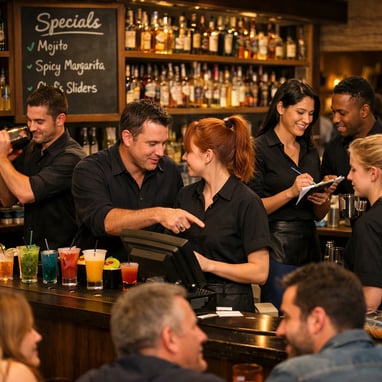
The bar industry operates on razor-thin margins where every team member's performance directly impacts your bottom line. A well-executed onboarding process is the difference between a bartender who fumbles orders during peak hours and one who confidently manages a packed Friday night shift. Research shows that effective onboarding can improve employee retention by 82% and productivity by over 70%, metrics that are particularly critical in an industry notorious for high turnover rates.The image depicts a bustling bar scene with a diverse group of bartenders and servers in action The bar is welllit showcasing a variety of colorful co-1

Your bar's reputation hinges on consistency, and consistency starts with proper training. When new employees receive structured onboarding, they quickly absorb your establishment's culture, service standards, and operational procedures. This creates a seamless customer experience regardless of who's behind the bar. Conversely, poor onboarding leads to costly mistakes, safety violations, customer complaints, and the expense of repeatedly hiring and training replacement staff.

The first impression matters just as much for employees as it does for customers. New hires who feel welcomed, prepared, and valued during their initial weeks are more likely to become engaged, long-term team members. In a competitive labor market, your onboarding process becomes a key differentiator in attracting and retaining top talent who have multiple employment options.

Building Your Bar's Onboarding Framework From the Ground Up

Start by documenting every aspect of your bar's operations before your new hire's first day. Create a comprehensive employee handbook that covers your mission statement, dress code, scheduling policies, and behavioral expectations. This foundational document serves as a reference point throughout the onboarding journey and ensures consistency across all training sessions. Include practical information like emergency procedures, break policies, and how to handle difficult situations.

Develop a structured timeline that spans at least the first 90 days of employment. Week one should focus on administrative tasks, safety training, and basic orientation to your physical space. Week two through four should introduce role-specific skills through shadowing and supervised practice. The remaining weeks should gradually increase responsibility while providing regular feedback checkpoints. This phased approach prevents overwhelming new hires while ensuring they master each competency before advancing.

Assign a dedicated mentor or buddy to each new employee. This experienced team member serves as the go-to resource for questions, demonstrates proper techniques, and helps integrate the newcomer into your bar's social dynamics. The mentor relationship reduces the learning curve and creates accountability on both sides. Choose mentors who exemplify your bar's values and possess strong communication skills, not just technical expertise.

Invest in creating training materials that new hires can reference independently. This might include laminated recipe cards for signature cocktails, video demonstrations of proper glassware handling, or digital checklists for opening and closing procedures. Multi-format materials accommodate different learning styles and allow employees to review information at their own pace, reinforcing what they learn during hands-on training sessions.

Essential Training Components Every Bar Employee Needs

Safety and compliance training must be the absolute foundation of your onboarding program. This includes responsible alcohol service certification, proper identification checking procedures, and how to recognize and handle intoxicated patrons. Train staff on food safety protocols, proper chemical handling for cleaning products, and emergency response procedures. Many of these topics have legal implications, so maintain documentation that each employee completed this training and understands the consequences of violations.

Technical skills training varies by position but should be thorough and systematic. Bartenders need comprehensive instruction on your POS system, cash handling procedures, inventory management, and the preparation of every drink on your menu. Start with your most popular items and signature cocktails, then expand to more specialized requests. Servers require training on menu knowledge, table management systems, upselling techniques, and coordination with kitchen and bar staff. Even barbacks and support staff need clear instruction on their specific responsibilities and how they fit into the overall operation.

Customer service excellence should be woven throughout your entire training program. Teach your team how to greet guests, read the room, handle complaints gracefully, and create memorable experiences that generate repeat business. Role-playing exercises help employees practice difficult scenarios in a low-stakes environment. Emphasize that everyone on your team, regardless of their position, contributes to the customer experience and has the power to turn a mediocre visit into an exceptional one.

Don't overlook the soft skills that distinguish good bars from great ones. Train employees on effective communication with coworkers during high-pressure situations, time management during rushes, and maintaining professionalism when personal conflicts arise. Teach them your bar's specific culture—whether that's high-energy and social or sophisticated and understated—and how to embody those characteristics in their interactions. These intangible qualities often determine whether a technically skilled employee becomes a true asset to your team.

Creating a Culture of Excellence Through Structured Integration

Culture isn't created through mission statements alone; it's built through intentional actions and consistent reinforcement. During onboarding, explicitly discuss your bar's values and provide concrete examples of what those values look like in daily operations. If teamwork is a core value, demonstrate how your staff supports each other during rushes. If innovation matters, show how you encourage employees to suggest new cocktails or service improvements. New hires should see your stated culture reflected in observable behaviors from day one.

Create opportunities for new employees to connect with the broader team beyond their immediate work responsibilities. This might include pre-shift meetings where everyone shares updates, team-building activities outside of work hours, or informal gatherings where newcomers can ask questions in a relaxed setting. These social connections increase job satisfaction and reduce the likelihood that new hires will leave due to feeling isolated or disconnected from their coworkers.

Establish clear pathways for growth and advancement within your organization. During onboarding, discuss how employees can develop their skills, take on additional responsibilities, and move into leadership positions. This future-focused approach helps new hires see beyond their initial role and envision a long-term career rather than just a temporary job. Regular check-ins about professional development goals keep this conversation alive throughout their tenure.

Recognize and celebrate early wins during the onboarding period. When a new bartender nails a complicated cocktail, a server receives compliments from customers, or a barback demonstrates initiative, acknowledge these achievements publicly. This positive reinforcement motivates the individual, sets standards for other team members, and signals what behaviors your bar values. Small celebrations during the vulnerable onboarding phase build confidence and commitment.

Measuring Onboarding Success and Continuous Improvement Strategies

Implement formal evaluation checkpoints at 30, 60, and 90 days to assess both the employee's progress and the effectiveness of your onboarding program. These reviews should include objective metrics like speed of service, accuracy of orders, customer feedback scores, and adherence to procedures. Equally important are subjective assessments of cultural fit, teamwork, problem-solving ability, and growth potential. Document these evaluations to identify patterns across multiple new hires and spot areas where your training may be falling short.

Gather feedback directly from new employees about their onboarding experience. Anonymous surveys allow honest input about what worked well, what was confusing, and what they wish they'd learned sooner. Exit interviews with departing employees who leave during or shortly after onboarding provide particularly valuable insights into gaps in your program. This feedback loop transforms onboarding from a static checklist into a dynamic system that evolves based on real-world results.

Track key performance indicators that reveal the quality of your onboarding process. Monitor retention rates at the 90-day, six-month, and one-year marks to see if your onboarding investments translate into long-term employment. Analyze whether properly onboarded employees generate higher sales, receive better customer reviews, or require fewer disciplinary interventions. Calculate the time it takes for new hires to reach full productivity compared to industry benchmarks. These metrics justify continued investment in onboarding and help you demonstrate ROI to stakeholders.

Commit to regular updates of your onboarding materials and procedures. As your menu changes, new technology is introduced, or regulations are updated, your training program must adapt accordingly. Schedule quarterly reviews of your onboarding framework with input from managers, experienced staff, and recent hires. Stay informed about best practices in the hospitality industry through professional associations, conferences, and peer networks. The most successful bars treat onboarding as a continuous improvement project rather than a one-time program design, ensuring they consistently attract, develop, and retain the talent that drives their success.

Topics: Bar staff, Bar trends, Bar Management, Bar products, Control, Bar Promotion, Best Bar Inventory app, Best Liquor Inventory app

Top Nashville Speakeasies You Need to Visit

Posted by Nick Kaoukis on Thu, Sep, 11, 2025 @ 17:09 PM

Discover the hidden gems of Nashville's nightlife with our guide to the top speakeasies in Music City.

Uncovering Nashville's Hidden Bars

Nashville is known for its vibrant music scene, but nestled within its bustling streets are some of the most intriguing speakeasy bars. These hidden gems offer a unique blend of history, charm, and exclusivity that make them a must-visit for any nightlife enthusiast.

From secret entrances to password-protected doors, uncovering these clandestine spots is an adventure in itself. Whether you're a local or a traveler, the thrill of discovering Nashville's hidden bars is an experience like no other.

The History and Charm of Nashville SpeakeasiesTrendy Lounge Bar

Speakeasies in Nashville harken back to the Prohibition era when such establishments were the only places where one could legally enjoy a drink. Today, these speakeasies capture that same mystique and charm, offering patrons a glimpse into a bygone era.

Each bar has its own unique story and decor, often featuring vintage furnishings, dim lighting, and an atmosphere that transports you back to the 1920s. This combination of history and ambiance makes Nashville's speakeasies truly special.

Top Nashville Speakeasies You Can't Miss

When it comes to speakeasies in Nashville, there are a few standout spots that should be on your radar. The Patterson House is renowned for its craft cocktails and intimate setting. For a more theatrical experience, check out Attaboy, where the bartenders create custom drinks based on your preferences.

Don't miss out on Old Glory, located in a former boiler room, offering a unique industrial-chic vibe. Each of these speakeasies brings something different to the table, making them must-visits during your stay in Music City.

What to Expect: Ambiance and Menu Highlights

Expect a warm, inviting atmosphere when you step into one of Nashville's speakeasies. The decor is often a blend of vintage and modern elements, creating a cozy yet stylish environment perfect for relaxing with friends or a date.

The menus at these bars are equally impressive, typically featuring a wide range of craft cocktails made with high-quality ingredients. From classic concoctions to innovative new drinks, there's something to satisfy every palate. Don't forget to try the small plates and appetizers that perfectly complement the drink offerings.

Tips for an Unforgettable Speakeasy Experience

To ensure you have an unforgettable experience, it's important to plan ahead. Some speakeasies require reservations, so be sure to book in advance. Knowing the password or secret entrance details can also add to the fun and mystery of your visit.

Dress to impress, as many speakeasies have a smart-casual dress code. Lastly, don't be afraid to strike up a conversation with the bartenders—they're often more than happy to share the history of the bar and recommend their favorite drinks.

Topics: bar profitability, Bar trends, Classic drinks, Bar Management, Bar Promotion, bar operations, Speakeasy, craft cocktails, Nashville

Reviving Nostalgia: The Rise of Speakeasy Bar Concepts

Posted by Nick Kaoukis on Tue, Sep, 02, 2025 @ 11:09 AM

In an age where everything old is new again, speakeasy bars are making a triumphant return, captivating patrons with their blend of secrecy, sophistication, and nostalgia.Speakeasy Bar

The Allure of Hidden Entrances and Secret Passwords

One of the most captivating aspects of speakeasy bars is the thrill of discovery. Hidden entrances, whether behind a bookshelf, through a phone booth, or down an unassuming alley, create an air of exclusivity and adventure. The requirement of a secret password adds to the intrigue, making patrons feel like they are part of an exclusive club.

These elements not only heighten the experience but also foster a sense of community among guests. The shared secret of how to access the bar can spark conversations and create connections, enhancing the overall social atmosphere.

Craft Cocktails: A Nod to Prohibition-Era Creativity

During Prohibition, bartenders had to get creative with limited resources, leading to the invention of many classic cocktails we enjoy today. Modern speakeasy bars honor this tradition by emphasizing craft cocktails. Bartenders are often mixologists who take pride in their ability to create unique, high-quality drinks using fresh ingredients and innovative techniques.

The emphasis on craft cocktails not only pays homage to the ingenuity of the past but also attracts patrons looking for a premium drinking experience. Signature drinks and seasonal menus can become a significant draw, encouraging repeat visits and word-of-mouth recommendations.

Immersive Experiences: Transporting Guests Back in Time

A visit to a speakeasy bar is often more than just a night out; it's an immersive experience. From the moment guests step inside, they are transported back to the 1920s. Staff dressed in period-appropriate attire, vintage décor, and carefully curated music all contribute to the ambiance, making patrons feel like they've stepped into a different era.

These immersive elements provide a unique escape from the modern world, offering a sense of nostalgia and novelty. This can be particularly appealing in today's fast-paced society, where people are constantly seeking new and memorable experiences.

The Role of Ambiance: Vintage Décor and Music

Ambiance plays a crucial role in the appeal of speakeasy bars. Vintage décor, including antique furniture, dim lighting, and period-specific art, creates an authentic and cozy atmosphere. Attention to detail is key, with everything from glassware to signage contributing to the overall aesthetic.

Music is another essential component. Jazz, blues, and swing tunes set the mood and enhance the nostalgic vibe. Live performances can elevate the experience even further, providing entertainment that complements the bar's theme and keeps guests coming back for more.

Creating a Community: The Modern-Day Speakeasy Culture

Beyond the novelty and aesthetics, modern-day speakeasy bars foster a sense of community. Regular patrons often become part of a tight-knit group, bonded by their shared love for the unique experience these bars offer. This sense of belonging can be a powerful draw, encouraging repeat business and customer loyalty.

Events such as themed nights, cocktail classes, and exclusive tastings can further strengthen this community, providing opportunities for social interaction and engagement. By creating a welcoming and inclusive environment, speakeasy bars can build a loyal customer base that feels personally connected to the establishment.

Topics: Bar trends, Classic drinks, Bar Management, Hospitality, Bar Promotion, Speakeasy, craft cocktails

How Scannabar Revolutionized Our Bar Inventory Management

Posted by Nick Kaoukis on Wed, Aug, 27, 2025 @ 14:08 PM

Discover how Scannabar's advanced inventory software has transformed our bar operations, boosting efficiency and profitability.

Streamlined Inventory Processes

The image features a sleek modern interface of the Scannabar Inventory application displayed on a tablet set against a backdrop of a bustling bar environment The screen shows vibrant graphs and charts illustrating realtime inventory levels stock usag-1Since implementing Scannabar, our inventory processes have become remarkably streamlined. The software's user-friendly interface allows us to quickly and efficiently track our stock levels, reducing the time spent on manual inventory tasks.
The automated system ensures that we always know what we have in stock, what needs to be ordered, and when. This has not only saved us countless hours but has also significantly reduced the margin for human error.

Enhanced Accuracy and Reduced Waste

One of the most significant improvements we've seen with Scannabar is the enhanced accuracy it brings to our inventory management. The software provides precise measurements and tracking, which has greatly minimized discrepancies and errors.

As a result, we've been able to reduce waste dramatically. By knowing exactly what we have and what we need, we can avoid over-ordering and ensure that our inventory is used efficiently.

Real-time Data and Insights

Scannabar offers real-time data and insights that are invaluable for making informed decisions. The software provides detailed reports and analytics that help us understand our inventory trends, sales patterns, and stock movements.

This real-time information allows us to adjust our ordering and stocking strategies on the fly, ensuring that we always have the right products available for our customers without overstocking.

Improved Staff Training and Accountability

The implementation of Scannabar has also had a positive impact on staff training and accountability. The software's intuitive design makes it easy for new staff members to learn and use, reducing the training time required.

Furthermore, Scannabar tracks each staff member's interactions with the inventory, fostering a sense of accountability and responsibility. This has led to a more disciplined and reliable team, as everyone knows their actions are being monitored and recorded.

Boosted Overall Profitability

Ultimately, the improvements brought by Scannabar have had a direct impact on our bottom line. By streamlining processes, enhancing accuracy, providing real-time insights, and improving staff accountability, we've seen a significant boost in our overall profitability.

The reduction in waste and the ability to make data-driven decisions have allowed us to operate more efficiently and effectively, ensuring that we maximize our profits while maintaining high standards of service for our customers.

Topics: liquor inventory, Bar inventory, Scannabar Inventory system, Bar Management, liquor control, liquor inventory app, Best Bar Inventory app, Best Liquor Inventory app, Country Club Liquor Inventory, Scannabar inventory app

Effective Inventory Control Tips Using Scannabar

Posted by Nick Kaoukis on Thu, Jan, 02, 2025 @ 09:01 AM

Unlock the secrets to mastering inventory control in the hospitality industry with Scannabar. Elevate your business efficiency and profitability with these proven tips.

Harnessing Technology for Precision Inventory Management

Opening_a_barIn the fast-paced world of hospitality, precision in inventory management can make or break your business. Scannabar leverages advanced technology to ensure that every bottle, can, or keg is accurately tracked. By automating inventory processes, you reduce the risk of human error and ensure real-time updates.


With Scannabar, you can easily scan items, update stock levels, and generate reports, allowing you to stay on top of your inventory with minimal effort. This not only saves time but also provides you with precise data to make informed decisions.

Streamlining Operations to Reduce Waste and Overhead

Efficient operations are key to reducing waste and overhead costs in your bar. Scannabar helps streamline your inventory management by providing you with the tools to monitor stock levels and usage patterns closely. This enables you to identify slow-moving items and adjust your purchasing strategy accordingly.

By maintaining optimal stock levels, you can minimize waste from expired products and reduce the overhead costs associated with overstocking. Scannabar's intuitive interface makes it easy to keep track of what you have, what you need, and when you need it.

Enhancing Transparency and Accountability Among Staff

Transparency and accountability are crucial in maintaining an efficient bar operation. Scannabar promotes these values by offering features that track who handled inventory and when. This level of transparency helps in identifying discrepancies and holding staff accountable for their actions.

Regular audits and real-time monitoring of inventory levels also discourage theft and misuse of stock. With Scannabar, staff members are more likely to follow best practices, knowing that their actions are being monitored and recorded.

Leveraging Data Analytics for Better Decision Making

Data analytics are a powerful tool in the hospitality industry, providing insights that can drive better decision-making. Scannabar offers robust analytics that help you understand trends, forecast demand, and optimize your inventory accordingly.

By analyzing data on sales, stock levels, and usage patterns, you can make informed decisions that improve efficiency and profitability. Scannabar's analytics tools provide you with the information you need to fine-tune your operations and stay ahead of the competition.

Improving Customer Satisfaction through Efficient Inventory Control

Customer satisfaction is paramount in the hospitality industry, and efficient inventory control plays a significant role in achieving it. With Scannabar, you can ensure that popular items are always in stock, reducing the chances of disappointing your customers.

Efficient inventory management also means faster service, as staff spend less time searching for items and more time attending to customers. By providing a seamless and enjoyable experience, you encourage repeat business and positive word-of-mouth, both of which are essential for long-term success.

Topics: Bar inventory, Hotel Inventory, Bar trends, Bar Management, Hotel Bar Inventory, Best Bar Inventory app, Best Liquor Inventory app

Exploring the Best Liquor Brands Through 5 New Cocktail Creations

Posted by Nick Kaoukis on Fri, Jul, 12, 2024 @ 16:07 PM

Discover how top-shelf brands are shaking up the cocktail scene with innovative mixes that promise to elevate your spirits.

The Art of Selecting the Right Liquor for Your Cocktail

When it comes to creating the perfect cocktail, selecting the right liquor is crucial. The type of liquor you choose will greatly impact the flavor and overall experience of the drink. Whether you're looking to create a refreshing summer cocktail or a rich and flavorful winter drink, understanding the qualities of different liquors will help you make the best choice.

One important factor to consider when selecting liquor for your cocktail is the base spirit. Vodka, rum, gin, tequila, and whiskey are all popular choices for creating a wide range of cocktails. Each spirit has its own unique characteristics that can enhance the taste and aroma of your drink.Liquor Drink Mixology

Another aspect to consider is the flavor profile of the liquor. Some liquors have a smooth and mellow taste, while others are bold and intense. Depending on the flavor you want to achieve, you can choose a liquor that complements or contrasts with the other ingredients in your cocktail.

Lastly, don't forget to take into account the quality of the liquor. Premium brands often use high-quality ingredients and employ precise distilling techniques, resulting in a smoother and more refined taste. Investing in top-shelf liquor will elevate the quality of your cocktails and impress your guests.

By understanding the art of selecting the right liquor for your cocktail, you can create drinks that are perfectly balanced and bursting with flavor. Experiment with different spirits and brands to discover your favorite combinations and elevate your mixology skills.

Signature Mixes: Crafting Cocktails with Premium Brands

Crafting cocktails with premium brands is a surefire way to impress your guests and elevate your home bartending game. By using top-shelf liquors, you can create signature mixes that are both sophisticated and delicious.

One popular signature mix is the classic Martini, made with premium vodka or gin. The smoothness of the high-quality liquor is enhanced by a touch of vermouth, resulting in a timeless and elegant cocktail. Another signature mix is the Old Fashioned, which features premium bourbon or rye whiskey, a hint of sugar, and a few dashes of bitters. This cocktail is a true testament to the rich flavors of top-shelf liquors.

For those who prefer tropical flavors, a signature mix like the Mai Tai is a must-try. Made with premium rum, lime juice, orange liqueur, and a splash of grenadine, this cocktail is refreshing and exotic. Another tropical signature mix is the Piña Colada, which combines premium rum, pineapple juice, coconut cream, and crushed ice for a taste of paradise.

By crafting cocktails with premium brands, you can indulge in the finest flavors and elevate your cocktail experience. Experiment with different ingredients and techniques to create your own signature mixes that showcase the best liquor brands.

Tropical Temptations: Exotic Cocktails to Try This Season

If you're looking to transport yourself to a tropical paradise, exotic cocktails are the way to go. These tantalizing drinks are packed with flavors that will make you feel like you're lounging on a sandy beach with a gentle breeze.

One exotic cocktail to try this season is the Mojito. Made with rum, fresh mint leaves, lime juice, sugar, and soda water, this refreshing drink is perfect for hot summer days. Another tropical temptation is the Margarita, a classic cocktail made with tequila, lime juice, and triple sec. The combination of tangy citrus and tequila's unique flavor creates a drink that is both sweet and tart.

For those who prefer fruity flavors, the Bahama Mama is a must-try. This cocktail combines rum, pineapple juice, orange juice, grenadine, and coconut rum for a tropical explosion of flavors. Another fruity temptation is the Sex on the Beach, made with vodka, peach schnapps, orange juice, and cranberry juice. This cocktail is as vibrant and colorful as a tropical sunset.

Indulge in these exotic cocktails to satisfy your wanderlust and bring a taste of the tropics to your home bar. With their vibrant colors and refreshing flavors, they are sure to transport you to a paradise of your own.

Classic Cocktails Reimagined with Top Liquor Labels

Classic cocktails are timeless for a reason. They have stood the test of time and continue to be beloved by cocktail enthusiasts around the world. However, that doesn't mean they can't be reinvented with the help of top liquor labels.

Take the Negroni, for example. This classic cocktail traditionally consists of equal parts gin, Campari, and sweet vermouth. By using premium gin and vermouth, you can elevate the flavors and create a Negroni that is even more sophisticated and refined.

Another classic cocktail that can be reimagined with top liquor labels is the Moscow Mule. Traditionally made with vodka, ginger beer, and lime juice, this cocktail can be taken to new heights by using premium vodka. The smoothness and quality of the liquor will shine through, enhancing the overall taste of the drink.

By reimagining classic cocktails with top liquor labels, you can bring a modern twist to beloved recipes and elevate your cocktail game. Experiment with different brands and flavors to find the perfect combination that suits your taste and preferences.

Tips for Building Your Home Bar with the Best Brands

Building a home bar is an exciting endeavor, and selecting the best brands is key to creating a well-stocked and impressive collection. Here are some tips to help you build your home bar with the best liquor brands.

First, assess your preferences and the types of cocktails you enjoy. This will guide you in selecting the essential spirits for your home bar. Whether you prefer vodka-based drinks, whiskey cocktails, or tropical mixes, make sure to have a variety of liquors that cater to your taste.

Next, do your research on popular liquor brands. Look for brands that are known for their quality and have a wide range of offerings. Read reviews, ask for recommendations, and consider trying out different brands to find your favorites.

When stocking your home bar, it's important to strike a balance between premium brands and more affordable options. While premium brands are great for crafting signature cocktails and impressing guests, having some mid-range and budget-friendly options will allow you to experiment and mix up a variety of drinks without breaking the bank.

Lastly, don't forget about mixers and garnishes. Stock up on a selection of mixers like tonic water, soda water, and various fruit juices to complement your liquors. And don't forget to have a variety of garnishes on hand, such as citrus wedges, fresh herbs, and cocktail cherries.

By following these tips, you can build a home bar that showcases the best liquor brands and allows you to create a wide range of cocktails. Cheers to becoming your own home bartender!

Topics: Bar trends, Bar drinks, Bar Management, Bar products, Drink Recipes, liquor products, liquor inventory app, mixology, Best Bar Inventory app

The Secrets of Being a Successful Bar Manager

Posted by Nick Kaoukis on Tue, Mar, 05, 2024 @ 14:03 PM

Discover the key strategies and skills needed to excel as a bar manager and ensure the success of your establishment.

Bar ManagerBuilding a Strong Team

Building a strong team is crucial for the success of any bar business. A cohesive and efficient team can greatly contribute to the overall atmosphere and customer experience. As a bar manager, it is important to hire the right individuals who not only possess the necessary skills but also have a passion for the industry. Conduct thorough interviews and carefully select candidates who align with the values and goals of your establishment.

Once you have assembled your team, it is essential to provide them with proper training and ongoing support. This includes teaching them about your bar's unique offerings, such as signature cocktails or craft beers, and ensuring they have the knowledge to provide exceptional customer service. Foster a positive work environment where teamwork is encouraged, and recognize and reward your employees for their hard work and dedication.

Effective Inventory Management

Effective inventory management is vital for running a profitable bar business. It involves keeping track of all the products and supplies you have on hand, as well as monitoring their usage and ordering more when necessary. Implementing a reliable inventory management system can help you streamline the process and minimize waste.

Start by conducting regular inventory counts to accurately assess your stock levels. This will help you identify any discrepancies and prevent theft or loss. Additionally, categorize your inventory based on type and popularity to prioritize reordering. Consider using technology, such as bar management software, to automate the inventory tracking process and generate reports that provide valuable insights into your bar's performance.

By effectively managing your inventory, you can reduce costs, minimize stockouts, and ensure you always have the necessary ingredients and supplies to meet customer demand.

Creating a Unique Bar Experience

In order to stand out in a competitive industry, it is crucial to create a unique bar experience that sets your establishment apart from others. Start by defining your bar's concept and theme. This could be based on a specific cuisine, a particular type of drink, or a certain atmosphere. Consider what makes your bar special and find ways to highlight those features.

Pay attention to the ambiance of your bar by carefully selecting the decor, lighting, and music. Create a welcoming and comfortable environment that appeals to your target audience. Additionally, focus on providing exceptional customer service by training your staff to be knowledgeable, friendly, and attentive.

Offering a variety of innovative and creative drink options can also contribute to a unique bar experience. Consider crafting signature cocktails or partnering with local breweries to offer a selection of unique and exclusive beers. Regularly update your menu to keep things fresh and exciting for your customers.

Marketing and Promotions

Effective marketing and promotions are essential for attracting new customers and keeping your current patrons engaged. Develop a comprehensive marketing strategy that utilizes various channels, such as social media, email marketing, and local advertising.

Create a strong online presence by maintaining active social media accounts and regularly posting engaging content. This can include sharing updates about new drink specials, hosting events, or featuring customer testimonials. Consider partnering with influencers or local businesses to expand your reach and attract a wider audience.

In addition to digital marketing, explore opportunities for offline promotions. This can include hosting themed nights, offering happy hour specials, or partnering with local charities or organizations for fundraising events. Make sure to track the effectiveness of your marketing efforts by analyzing data and adjusting your strategies accordingly.

Adapting to Industry Trends

Staying up-to-date with industry trends is crucial for the success of your bar business. The preferences and expectations of customers are constantly evolving, and it is important to adapt and stay relevant. Keep an eye on emerging drink trends, such as craft cocktails or low-alcohol options, and incorporate them into your menu.

Additionally, consider the growing demand for sustainable practices and make efforts to reduce your bar's environmental impact. This can include using eco-friendly materials, implementing recycling programs, or sourcing ingredients from local and sustainable suppliers.

Stay informed about industry events and conferences to learn from industry experts and network with other bar managers. Join industry associations or online forums where you can exchange ideas and stay updated on the latest trends and best practices.

By continuously adapting to industry trends, you can ensure that your bar remains competitive and appealing to your target audience.

Topics: Bar inventory, Lineup control, Bar Management, Liquor Inventory savings, Best Bar Inventory app, Best Liquor Inventory app, Cruise ship bar inventory

Optimize Your Liquor Store Inventory with Software

Posted by Nick Kaoukis on Mon, Nov, 27, 2023 @ 10:11 AM

Looking to maximize efficiency and profitability in your liquor store? Discover how software can help you optimize your liquor store inventory management.

Streamline Inventory ManagementHotel Bar Inventory

Efficient inventory management is crucial for a liquor store or any business in the hospitality industry. With the help of liquor store inventory software, you can streamline your inventory management processes. The software allows you to easily track and monitor your stock levels, ensuring that you always have the right amount of inventory on hand.

By centralizing your inventory data in one place, you can eliminate the need for manual data entry and reduce the chances of errors. The software can automatically update stock levels as sales are made or new inventory is received, saving you time and effort.

Additionally, liquor store inventory software can provide real-time visibility into your inventory, allowing you to quickly identify low stock levels or excessive inventory. This enables you to make informed decisions about ordering and replenishment, preventing stockouts or overstock situations.

Ensure Accurate Stock Levels

Accurate stock levels are essential for a liquor store to meet customer demands and avoid unnecessary costs. Liquor store inventory software can help ensure accurate stock levels by providing real-time visibility into your inventory.

With the software, you can easily track and monitor the quantity of each product in your store. The software can automatically update stock levels as sales are made or new inventory is received, eliminating the need for manual stock counts.

By having accurate stock levels, you can avoid stockouts and ensure that you always have enough inventory to meet customer demands. This can lead to improved customer satisfaction and increased sales.

Minimize Loss and Theft

Loss and theft can significantly impact the profitability of a liquor store. Liquor store inventory software can help minimize loss and theft by providing better control and visibility over your inventory.

The software allows you to track and monitor the movement of each bottle in your store. By implementing barcode scanning or RFID technology, you can ensure that each sale and inventory movement is accurately recorded. This helps to prevent unauthorized sales or theft.

Furthermore, liquor store inventory software can generate reports and alerts for any discrepancies or suspicious activities. This allows you to take immediate action and investigate any potential loss or theft.

By minimizing loss and theft, you can protect your profits and maintain a healthy bottom line.

Analyze Sales and Trends

Understanding sales patterns and trends is crucial for making informed business decisions. Liquor store inventory software can help you analyze sales and trends by providing comprehensive reports and analytics.

The software can generate reports on your sales performance, including information on top-selling products, peak sales periods, and customer preferences. By analyzing these reports, you can identify opportunities for growth and adjust your inventory accordingly.

In addition, liquor store inventory software can provide insights into industry trends and market demand. By staying updated on the latest trends, you can stock popular products and capitalize on market opportunities.

With the ability to analyze sales and trends, you can make data-driven decisions that drive revenue and improve customer satisfaction.

Improve Ordering and Replenishment

Efficient ordering and replenishment processes are essential to ensure that you always have the right amount of inventory on hand. Liquor store inventory software can help you improve ordering and replenishment by automating and optimizing these processes.

The software can generate accurate sales forecasts based on historical data and trends. This allows you to determine the optimal inventory levels and reorder points for each product. With automated reorder notifications, you can easily place orders with your suppliers and ensure timely replenishment.

Additionally, liquor store inventory software can provide insights into supplier performance and pricing. By comparing different suppliers, you can make informed decisions about which suppliers to work with and negotiate better deals.

By improving ordering and replenishment, you can reduce stockouts, minimize excess inventory, and optimize your cash flow.

Topics: Bar inventory, Bar Management, Best Bar Inventory app, Best Liquor Inventory app

Bar Management Tips: Identifying and Improving Areas of Vulnerability

Posted by Nick Kaoukis on Mon, May, 13, 2013 @ 10:05 AM
By Douglas Robert Brown
Atlantic Publishing


Part 1 of 2: Improving Profitability Through Proper Planning and Quality Control

describe the imageMoney losers in a bar come in many forms, and you will want to check your financial records carefully to make sure that you are not being affected by one of these:

  • No plan. Many bar owners have no clear plan of where their bar is headed and what they need to purchase and do to get there. Many say "I only want to run a bar." However, running a bar, like anything else, is a goal, and goals always require a plan. You should know where you will be expanding and how. You should know what products you need to order and when. Keeping everything on paper in the form of a business plan and purchase orders can help make it clear to you.
  • Lack of local products. Many bar managers will justify their lack of local beer by stating that their bar's style or type does not call for local beer. In fact, local beer and local food products are often the best-selling items in any bar. Many customers like or support the local beer, and visitors from other areas are often eager to try the local fare. Always offer local products, even if your bar has a uniquely international or exotic theme. As an added bonus, local products are often easier and less expensive to ship and buy, ensuring higher profit on your initial investment.
  • Spoiled food and drinks. Spoiled product is lost profit. In some cases, such as a major power disruption, this can be hard to avoid. In most cases, though, spoilage is caused by ordering too much. This is avoidable. Keep track of your inventory and past purchasing patterns and buy those products that you need in the quantities they were needed in the past. Frequent checks on inventory tell you when you are running low and when you need to stock up on certain products.
  • Cutting corners on quality. Many bar managers use a variety of ways to reduce quality. In many cases, they do this not to consciously deprive customers, but out of the mistaken belief that low quality costs less. They think that offering less for more will result in larger profits, when, in reality, cutting corners usually keeps customers from coming back. Quality products—be it fresh fruit in drinks, generous portions of drinks, or pleasant bathrooms—will bring the types of repeat customers who will ensure that you make money.
  • Staffing problems. There are many staffing problems that can cost you money. Hiring or keeping unqualified or unproductive staff (because they are friends or family members, for example) is terrible for your bottom line. Selecting the wrong staff is a problem that can cost you a lot of money.
  • Poor storage, wrapping, and handling of liquor and foods. Beer that is left out to get warm, meat that is thawed and allowed to spoil, and food and drinks that are incorrectly handled can mean waste or even food poisoning for your customers. You do not want the health department investigating your bar for poor management of food and drink. Make sure that you control how food and drinks are stored and handled. Food and drink preparation areas should be clean, and staff should keep all products that need to remain cold in the refrigerator or freezer. Food and drinks should be stored and served at their appropriate temperatures to ensure that your customers stay safe.
  • Poor attitude or atmosphere. Customers want a place where they can relax and get great service. If your bar is unpleasant, you will lose money by losing customers. You need to make sure that your bar is an inviting place not only to drink and eat, but also to linger.
  • No customer concern or no customer market research. Bar managers are busy people, and while they may not overlook customers on purpose, far too many lose sight of bar patrons as they worry about the many other elements of running a bar. Not catering to customers, however, can ensure that a bar will lose a lot of money. Not only will unsatisfied customers not return, but they will often share their experiences with other people—potential patrons. In order to avoid losing money, it is important for bar managers to not only please customers, but to impress them enough to make them wish to return. Regular market research will reveal not only who your bar's customers are, but also what they want.


This article is an excerpt from the The Professional Bar & Beverage Managers Handbook: How to Open and Operate a Financially Successful Bar, Tavern and Nightclub, authored by Douglas Robert Brown, published by Atlantic Publishing Group. This excerpt has been reprinted with permission of the publisher. To purchase this book go to:

Atlantic Publishing Company
Amazon.com

Topics: Bar staff, bar profitability, NightClub Management, bar business, Bar Management, Increasing Profits, Hospitality