Expert Advice on Hospitality Topics

Best March Madness Viewing Venues for Basketball Fans

Posted by Nick Kaoukis on Wed, Mar, 11, 2026 @ 09:03 AM

Discover the ultimate destinations where sports bars, hotels, and entertainment venues transform March Madness into an unforgettable experience with premium viewing setups, exciting atmospheres, and fan-favorite amenities.

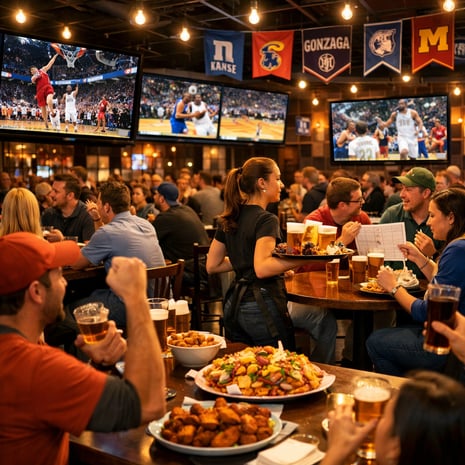
Why the Right Venue Makes All the Difference During March MadnessThe image depicts a lively sports bar bustling with excitement during March Madness Large HD screens hang from the walls showcasing multiple basketbal-1

March Madness is more than just a basketball tournament—it's a cultural phenomenon that brings together millions of fans for three weeks of non-stop excitement, buzzer-beaters, and Cinderella stories. While you could certainly watch the games from your couch, choosing the right venue elevates the entire experience from casual viewing to an unforgettable celebration of college basketball. The energy of a crowd erupting after a game-winning three-pointer, the camaraderie of fellow fans debating bracket picks, and the electric atmosphere that only comes from watching with other passionate supporters—these are the elements that transform March Madness from good to legendary.

The venue you choose sets the tone for your entire tournament experience. A great location offers more than just a screen—it provides the perfect combination of viewing quality, food and drink options, comfortable seating, and that intangible buzz that makes every possession feel more intense. Whether you're a die-hard fan who needs to watch every game or a casual viewer who just wants to catch the biggest matchups, selecting the right headquarters for your March Madness experience ensures you'll have the best seat in the house when those bracket-busting moments happen. From the opening tip-off of the First Four to the final seconds of the championship game, your venue choice can make or break your tournament memories.

Sports Bars That Deliver the Ultimate Game Day Experience

Sports bars remain the gold standard for March Madness viewing, and for good reason. The best establishments dedicate every screen to tournament action, ensuring you won't miss a single upset while you're focused on another game. Look for sports bars that offer wall-to-wall HD screens positioned strategically throughout the venue, so whether you're at the bar, in a booth, or grabbing another round of wings, you'll always have a perfect view. Many top-tier sports bars also provide individual audio controls or have designated sections for different games, allowing you to tune into the broadcast that matters most to your bracket.

The food and drink offerings at sports bars are specifically designed for marathon viewing sessions. Classic game day fare like buffalo wings, loaded nachos, sliders, and pizza provide the perfect fuel for hours of basketball action. Many bars create special March Madness menus with themed items and bucket deals that keep your group satisfied without constant trips to the counter. The beverage selection typically includes a wide variety of craft and domestic beers, creative cocktails, and non-alcoholic options, often with tournament-themed specials and happy hour deals that run during afternoon games.

What truly sets sports bars apart is the atmosphere they cultivate during March Madness. The collective roar when an underdog pulls off an upset, the groans when someone's Final Four pick goes down, and the friendly trash talk between rival fans create an energy that simply can't be replicated at home. Many sports bars host bracket challenges with prizes, organize raffles during timeouts, and create viewing communities that return year after year. The staff at dedicated sports bars understand the tournament's significance and work to enhance the experience, whether that means quickly switching audio between games or ensuring your table is ready before the prime-time matchups begin.

Hotels with Championship-Caliber Viewing Parties and Packages

Major hotels and resorts have recognized March Madness as a prime opportunity to create destination viewing experiences, particularly in cities known for their sports culture or those hosting tournament games. Upscale hotels often transform their ballrooms, poolside areas, or sports lounges into premium viewing venues complete with massive projection screens, superior sound systems, and VIP seating arrangements. These venues combine the excitement of public viewing with elevated amenities that include premium food and beverage service, comfortable lounge seating, and sometimes even dedicated concierge services to ensure your experience is seamless.

Many hotels create complete March Madness packages that bundle accommodations with viewing party access, making them ideal for groups traveling from out of town or locals who want to turn the tournament into a special getaway. These packages often include perks like complimentary breakfast, late checkout to recover from late-night overtime thrillers, welcome amenities with tournament-themed treats, and sometimes even tickets to live games if the hotel is in a host city. The convenience factor is unmatched—you can enjoy the games, indulge in the festivities, and simply take an elevator to your room without worrying about transportation.

Hotel viewing parties often attract a more diverse crowd than traditional sports bars, creating a unique social atmosphere where business travelers, tourists, and local fans mingle. The food and beverage offerings typically skew upscale, with craft cocktail programs, premium beer selections, and menus that go beyond standard bar fare to include items like gourmet flatbreads, artisanal sliders, and elevated appetizer spreads. Some hotels partner with celebrity chefs or local restaurants to provide catering that matches the championship-level experience. For fans who appreciate a more refined environment without sacrificing the excitement of communal viewing, hotel viewing parties offer the best of both worlds.

Entertainment Complexes Offering Immersive Basketball Experiences

Entertainment complexes and lifestyle centers have emerged as exciting alternatives for March Madness viewing, offering experiences that go far beyond simply watching games. These venues—which include bowling alleys with full bars and restaurant service, Dave & Buster's-style arcade bars, Top Golf locations, and large-scale entertainment destinations—allow you to actively participate in games and activities between tournament matchups. You can shoot hoops on arcade basketball games during halftime, bowl a few frames during a blowout, or challenge friends to interactive games while keeping one eye on the screens showing live tournament action.

The multi-screen setup at entertainment complexes rivals or exceeds traditional sports bars, with dozens of large-format displays ensuring the games are visible from virtually anywhere in the venue. The advantage of these locations is that they cater equally well to different engagement levels within your group. While the hardcore fans can post up near a screen to analyze every possession, others can enjoy other activities and still catch the big moments. This makes entertainment complexes particularly popular for corporate outings, large friend groups with varying interest levels, or families who want to keep younger members entertained during the slower games.

Food and drink programs at modern entertainment complexes have evolved significantly, with many offering full-service restaurants, extensive menus with creative options, and craft beverage programs that compete with standalone bars. Special March Madness promotions might include game-day food specials, drink packages, or activity bundles that provide better value for extended stays. The festive, high-energy environment these venues naturally possess amplifies during the tournament, creating a carnival-like atmosphere where the basketball games are the main event but not the only attraction. For groups looking to make March Madness viewing part of a larger entertainment experience, these complexes deliver excitement on multiple levels.

What to Look for When Choosing Your March Madness Headquarters

Selecting the perfect March Madness venue requires considering several key factors that will determine your overall experience. Screen quantity and quality should top your list—you'll want a location with enough screens showing different games simultaneously, positioned so you can track multiple matchups without constantly craning your neck. Screen size matters, but so does display quality; a crisp, properly calibrated HD or 4K display makes a significant difference when you're watching for hours. Audio capability is equally important; can they play sound from multiple games, and do they provide clear audio that cuts through the crowd noise?

Seating arrangements and overall comfort become critical considerations during a tournament that spans several weeks with games running from noon until midnight. Look for venues with a variety of seating options—bar stools for solo viewers or couples, tables for groups, and comfortable lounge areas for settling in during marathon viewing sessions. Check whether reservations are accepted, especially for prime-time games and weekends, and understand the venue's policy on table holding during busy periods. Adequate space between tables and good sightlines to screens from all seating areas prevent frustration when the venue fills up.

Menu variety, food quality, and value for money deserve careful evaluation, especially if you plan to make a venue your regular tournament headquarters. Review the menu in advance to ensure it offers options everyone in your group will enjoy, including vegetarian selections, shareable appetizers, and heartier entrées for dinner games. Drink specials and happy hour timing can significantly impact your overall spend, particularly during afternoon sessions. Consider the service model—full table service provides convenience, while counter service might mean faster access during peak times.

Location and logistics complete the venue selection process. Consider proximity to your home or office, parking availability and costs, and public transportation access if you plan to enjoy alcoholic beverages. Check the venue's March Madness-specific policies—do they offer bracket challenges, require minimums during peak games, or host special events for Final Four weekend? Read recent reviews focusing on how the venue handles major sporting events, as some locations are better equipped and staffed for tournament crowds than others. Taking time to evaluate these factors ensures you'll find the perfect March Madness headquarters that matches your priorities and enhances your tournament experience from the first tip-off to the championship celebration.

Topics: Bar trends, Bar products, Beer stock, Bar Promotion, Best Bar Inventory app, Sports Bar, NCAA Basketball, March Madness

Mastering the Employee Onboarding Process for Successful Bars

Posted by Nick Kaoukis on Fri, Feb, 27, 2026 @ 09:02 AM

Transform your bar's success by implementing a strategic onboarding process that turns new hires into confident, high-performing team members from day one.

Why Employee Onboarding Makes or Breaks Your Bar's Success

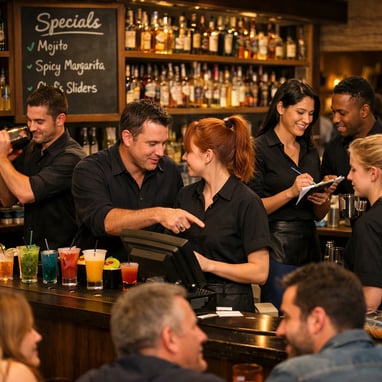
The bar industry operates on razor-thin margins where every team member's performance directly impacts your bottom line. A well-executed onboarding process is the difference between a bartender who fumbles orders during peak hours and one who confidently manages a packed Friday night shift. Research shows that effective onboarding can improve employee retention by 82% and productivity by over 70%, metrics that are particularly critical in an industry notorious for high turnover rates.The image depicts a bustling bar scene with a diverse group of bartenders and servers in action The bar is welllit showcasing a variety of colorful co-1

Your bar's reputation hinges on consistency, and consistency starts with proper training. When new employees receive structured onboarding, they quickly absorb your establishment's culture, service standards, and operational procedures. This creates a seamless customer experience regardless of who's behind the bar. Conversely, poor onboarding leads to costly mistakes, safety violations, customer complaints, and the expense of repeatedly hiring and training replacement staff.

The first impression matters just as much for employees as it does for customers. New hires who feel welcomed, prepared, and valued during their initial weeks are more likely to become engaged, long-term team members. In a competitive labor market, your onboarding process becomes a key differentiator in attracting and retaining top talent who have multiple employment options.

Building Your Bar's Onboarding Framework From the Ground Up

Start by documenting every aspect of your bar's operations before your new hire's first day. Create a comprehensive employee handbook that covers your mission statement, dress code, scheduling policies, and behavioral expectations. This foundational document serves as a reference point throughout the onboarding journey and ensures consistency across all training sessions. Include practical information like emergency procedures, break policies, and how to handle difficult situations.

Develop a structured timeline that spans at least the first 90 days of employment. Week one should focus on administrative tasks, safety training, and basic orientation to your physical space. Week two through four should introduce role-specific skills through shadowing and supervised practice. The remaining weeks should gradually increase responsibility while providing regular feedback checkpoints. This phased approach prevents overwhelming new hires while ensuring they master each competency before advancing.

Assign a dedicated mentor or buddy to each new employee. This experienced team member serves as the go-to resource for questions, demonstrates proper techniques, and helps integrate the newcomer into your bar's social dynamics. The mentor relationship reduces the learning curve and creates accountability on both sides. Choose mentors who exemplify your bar's values and possess strong communication skills, not just technical expertise.

Invest in creating training materials that new hires can reference independently. This might include laminated recipe cards for signature cocktails, video demonstrations of proper glassware handling, or digital checklists for opening and closing procedures. Multi-format materials accommodate different learning styles and allow employees to review information at their own pace, reinforcing what they learn during hands-on training sessions.

Essential Training Components Every Bar Employee Needs

Safety and compliance training must be the absolute foundation of your onboarding program. This includes responsible alcohol service certification, proper identification checking procedures, and how to recognize and handle intoxicated patrons. Train staff on food safety protocols, proper chemical handling for cleaning products, and emergency response procedures. Many of these topics have legal implications, so maintain documentation that each employee completed this training and understands the consequences of violations.

Technical skills training varies by position but should be thorough and systematic. Bartenders need comprehensive instruction on your POS system, cash handling procedures, inventory management, and the preparation of every drink on your menu. Start with your most popular items and signature cocktails, then expand to more specialized requests. Servers require training on menu knowledge, table management systems, upselling techniques, and coordination with kitchen and bar staff. Even barbacks and support staff need clear instruction on their specific responsibilities and how they fit into the overall operation.

Customer service excellence should be woven throughout your entire training program. Teach your team how to greet guests, read the room, handle complaints gracefully, and create memorable experiences that generate repeat business. Role-playing exercises help employees practice difficult scenarios in a low-stakes environment. Emphasize that everyone on your team, regardless of their position, contributes to the customer experience and has the power to turn a mediocre visit into an exceptional one.

Don't overlook the soft skills that distinguish good bars from great ones. Train employees on effective communication with coworkers during high-pressure situations, time management during rushes, and maintaining professionalism when personal conflicts arise. Teach them your bar's specific culture—whether that's high-energy and social or sophisticated and understated—and how to embody those characteristics in their interactions. These intangible qualities often determine whether a technically skilled employee becomes a true asset to your team.

Creating a Culture of Excellence Through Structured Integration

Culture isn't created through mission statements alone; it's built through intentional actions and consistent reinforcement. During onboarding, explicitly discuss your bar's values and provide concrete examples of what those values look like in daily operations. If teamwork is a core value, demonstrate how your staff supports each other during rushes. If innovation matters, show how you encourage employees to suggest new cocktails or service improvements. New hires should see your stated culture reflected in observable behaviors from day one.

Create opportunities for new employees to connect with the broader team beyond their immediate work responsibilities. This might include pre-shift meetings where everyone shares updates, team-building activities outside of work hours, or informal gatherings where newcomers can ask questions in a relaxed setting. These social connections increase job satisfaction and reduce the likelihood that new hires will leave due to feeling isolated or disconnected from their coworkers.

Establish clear pathways for growth and advancement within your organization. During onboarding, discuss how employees can develop their skills, take on additional responsibilities, and move into leadership positions. This future-focused approach helps new hires see beyond their initial role and envision a long-term career rather than just a temporary job. Regular check-ins about professional development goals keep this conversation alive throughout their tenure.

Recognize and celebrate early wins during the onboarding period. When a new bartender nails a complicated cocktail, a server receives compliments from customers, or a barback demonstrates initiative, acknowledge these achievements publicly. This positive reinforcement motivates the individual, sets standards for other team members, and signals what behaviors your bar values. Small celebrations during the vulnerable onboarding phase build confidence and commitment.

Measuring Onboarding Success and Continuous Improvement Strategies

Implement formal evaluation checkpoints at 30, 60, and 90 days to assess both the employee's progress and the effectiveness of your onboarding program. These reviews should include objective metrics like speed of service, accuracy of orders, customer feedback scores, and adherence to procedures. Equally important are subjective assessments of cultural fit, teamwork, problem-solving ability, and growth potential. Document these evaluations to identify patterns across multiple new hires and spot areas where your training may be falling short.

Gather feedback directly from new employees about their onboarding experience. Anonymous surveys allow honest input about what worked well, what was confusing, and what they wish they'd learned sooner. Exit interviews with departing employees who leave during or shortly after onboarding provide particularly valuable insights into gaps in your program. This feedback loop transforms onboarding from a static checklist into a dynamic system that evolves based on real-world results.

Track key performance indicators that reveal the quality of your onboarding process. Monitor retention rates at the 90-day, six-month, and one-year marks to see if your onboarding investments translate into long-term employment. Analyze whether properly onboarded employees generate higher sales, receive better customer reviews, or require fewer disciplinary interventions. Calculate the time it takes for new hires to reach full productivity compared to industry benchmarks. These metrics justify continued investment in onboarding and help you demonstrate ROI to stakeholders.

Commit to regular updates of your onboarding materials and procedures. As your menu changes, new technology is introduced, or regulations are updated, your training program must adapt accordingly. Schedule quarterly reviews of your onboarding framework with input from managers, experienced staff, and recent hires. Stay informed about best practices in the hospitality industry through professional associations, conferences, and peer networks. The most successful bars treat onboarding as a continuous improvement project rather than a one-time program design, ensuring they consistently attract, develop, and retain the talent that drives their success.

Topics: Bar staff, Bar trends, Bar Management, Bar products, Control, Bar Promotion, Best Bar Inventory app, Best Liquor Inventory app

Seasonal Cocktail Inspiration from the Winter Olympics

Posted by Nick Kaoukis on Fri, Feb, 13, 2026 @ 10:02 AM

Elevate your winter bar menu with Olympic-inspired cocktails that capture the spirit of competition, celebration, and global flavors from the world's most prestigious winter sporting event.

Crafting Gold Medal-Worthy Signature Drinks

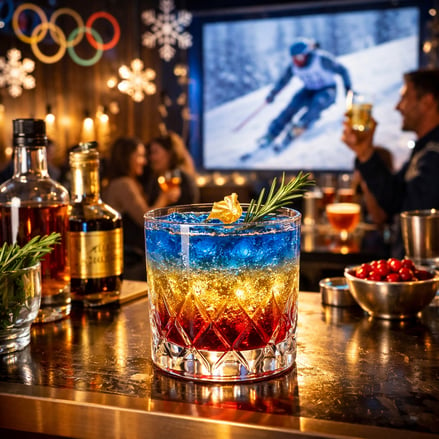
Creating Olympic-inspired signature cocktails requires the same precision and artistry that athletes bring to their performances. Start by building drinks around the iconic colors of the Olympic rings—blue, yellow, black, green, and red. A layered cocktail featuring blue curaçao, golden champagne, and red berry liqueur can visually represent the medal podium while delivering complex flavors that impress even the most discerning palates.The image showcases an elegantly designed cocktail menu inspired by the Winter Olympics At the center a striking layered cocktail the Downhill Dash fe-1

Consider naming your cocktails after famous Winter Olympic events or memorable moments. The 'Downhill Dash' could feature a bold combination of whiskey and ginger beer with a splash of citrus, representing the speed and excitement of alpine skiing. The 'Triple Axel' might incorporate three distinct spirits that blend seamlessly, just like the perfect figure skating jump. These thematic names not only spark conversation but also create a memorable experience that ties your menu to the Olympic spirit.

Quality ingredients are essential for medal-worthy cocktails. Use premium spirits as your base, incorporate fresh herbs like rosemary and thyme for winter aromatics, and don't shy away from unique elements like edible gold leaf or shimmering liqueurs. The goal is to create drinks that look spectacular and taste even better, embodying the excellence that defines Olympic competition.

International Flavors from Host Countries Past and Present

The Winter Olympics have graced numerous countries, each bringing unique culinary traditions that can inspire extraordinary cocktails. From the sake and yuzu of Japan (Nagano 1998, Sapporo 1972) to the aquavit and cloudberry of Norway (Lillehammer 1994), host countries offer a treasure trove of flavors. Create a 'Norwegian Northern Lights' using aquavit, elderflower liqueur, and a splash of blue curaçao, topped with prosecco for a shimmering effect that mimics the aurora borealis.

Italian host cities like Turin (2006) and Cortina d'Ampezzo (1956) inspire aperitivo-style cocktails. Mix up a 'Dolomite Sunset' featuring Aperol, prosecco, and blood orange juice, garnished with a sprig of fresh basil. For a nod to the French Alps (Chamonix 1924, Grenoble 1968, Albertville 1992), craft a sophisticated cocktail using Chartreuse, champagne, and a hint of lavender—a refined tribute to French elegance and alpine beauty.

Don't forget the North American hosts. Canadian venues (Calgary 1988, Vancouver 2010) inspire cocktails featuring maple syrup and Canadian whisky, while American locations (Lake Placid 1932 and 1980, Squaw Valley 1960, Salt Lake City 2002) call for bold bourbon-based drinks with apple cider and cinnamon. A 'Rocky Mountain Mule' combining bourbon, ginger beer, lime, and a maple syrup rim perfectly captures the spirit of winter sports in the American West.

Winter Warming Spirits That Score Perfect Tens

Cold-weather spirits form the foundation of any successful Winter Olympic cocktail menu. Dark spirits like bourbon, rye whiskey, aged rum, and cognac provide warmth and depth that complement winter's chill. These base spirits pair beautifully with seasonal spices like cinnamon, nutmeg, clove, and star anise. A hot toddy variation using spiced rum, honey, lemon, and a cinnamon stick makes for a perfect après-ski beverage that warms from the inside out.

Herbal liqueurs and amari add complexity and sophistication to winter cocktails. Fernet-Branca, Chartreuse, and Bénédictine bring botanical notes that evoke snowy forests and mountain meadows. Create a 'Biathlon Bracer' combining rye whiskey, yellow Chartreuse, sweet vermouth, and aromatic bitters—a complex drink that represents the dual nature of skiing and shooting in this challenging sport. The herbal qualities provide depth while the whiskey delivers the necessary warmth.

Don't overlook the power of fortified wines and liqueurs. Port, sherry, and vermouth can be featured in lower-ABV cocktails that still deliver robust flavor. A 'Curling Stone' cocktail made with tawny port, bourbon, demerara syrup, and chocolate bitters offers richness without overwhelming heat. For guests who prefer something lighter, mulled wine cocktails infused with orange, cloves, and brandy provide festive warmth while maintaining approachability. These versatile options ensure every guest finds their perfect winter warmer.

Presentation Techniques Worthy of the Podium

Visual presentation can transform a good cocktail into an unforgettable experience. Embrace the Olympic theme with gold, silver, and bronze elements. Rim glasses with edible metallic dust or sugar crystals in these colors. Use gold leaf garnishes sparingly but effectively—a single flake floating atop a clear cocktail creates an elegant, championship-worthy appearance. Serve drinks in crystal-cut glassware or vintage coupe glasses that evoke the elegance and tradition of the Olympic Games.

Ice presentation offers another opportunity to impress. Create large, crystal-clear ice spheres or cubes that melt slowly and maintain drink integrity. For a dramatic effect, freeze edible flowers, herbs, or citrus wheels inside ice blocks, then chip away to reveal the frozen treasures. Consider creating an 'ice luge' for special occasions—a nod to the luge event—where cocktails slide down a carved ice sculpture before reaching the glass. This interactive element adds entertainment value and creates Instagram-worthy moments.

Garnishes should be thoughtful and thematic. Use rosemary sprigs torched tableside to release aromatic oils while creating a visual spectacle. Citrus twists can be expressed over a flame to caramelize the oils, adding both aroma and theater. Create 'Olympic torch' garnishes using sugarcane swizzle sticks with a small piece of flammable citrus peel that can be briefly ignited. Smoke elements under cloches for a mysterious reveal, or use dry ice carefully for a frosty, mountain-mist effect. Each presentation technique should enhance the drinking experience while honoring the spectacle of Olympic competition.

Creating an Olympic-Themed Cocktail Experience for Guests

Transform your venue into an Olympic celebration by creating an immersive cocktail experience. Design a special menu that tells a story, with each cocktail representing different events, countries, or Olympic values. Organize the menu like an Olympic program, with 'Opening Ceremony' welcome drinks, 'Competition' signature cocktails, and 'Closing Ceremony' dessert drinks. Include brief descriptions that connect each cocktail to its Olympic inspiration, educating guests while entertaining them.

Consider hosting Olympic-themed cocktail events or competitions. Invite guests to vote on their favorite drinks, awarding gold, silver, and bronze medals to the top three. Create flight options where guests can sample smaller portions of multiple cocktails, similar to judging different athletic performances. Offer a 'mixology pentathlon' where guests rotate through five different cocktail styles, each paired with small bites inspired by host countries. This interactive approach engages guests and creates memorable experiences that extend beyond simply serving drinks.

Enhance the atmosphere with thoughtful details. Display Olympic memorabilia, play footage of iconic Winter Olympic moments on screens, and use a playlist featuring national anthems and music from various host countries. Train staff to share stories about the cocktails' inspirations and the Olympic events they represent. Create specialty glassware or cocktail napkins featuring Olympic rings or winter sports imagery. Consider partnering with local athletes or Olympic alumni for special appearances, adding authenticity and excitement to your Olympic cocktail celebration. These comprehensive touches create a cohesive experience that honors the Olympic spirit while showcasing exceptional cocktail craftsmanship.

Topics: Bar inventory, nightclubs, Bar drinks, Classic drinks, Bar products, restaurant trends, drink recipe, pricing drinks, Bar Promotion, mixology, craft cocktails

Top Nashville Speakeasies You Need to Visit

Posted by Nick Kaoukis on Thu, Sep, 11, 2025 @ 17:09 PM

Discover the hidden gems of Nashville's nightlife with our guide to the top speakeasies in Music City.

Uncovering Nashville's Hidden Bars

Nashville is known for its vibrant music scene, but nestled within its bustling streets are some of the most intriguing speakeasy bars. These hidden gems offer a unique blend of history, charm, and exclusivity that make them a must-visit for any nightlife enthusiast.

From secret entrances to password-protected doors, uncovering these clandestine spots is an adventure in itself. Whether you're a local or a traveler, the thrill of discovering Nashville's hidden bars is an experience like no other.

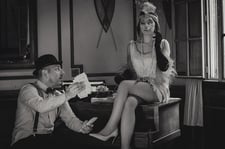
The History and Charm of Nashville SpeakeasiesTrendy Lounge Bar

Speakeasies in Nashville harken back to the Prohibition era when such establishments were the only places where one could legally enjoy a drink. Today, these speakeasies capture that same mystique and charm, offering patrons a glimpse into a bygone era.

Each bar has its own unique story and decor, often featuring vintage furnishings, dim lighting, and an atmosphere that transports you back to the 1920s. This combination of history and ambiance makes Nashville's speakeasies truly special.

Top Nashville Speakeasies You Can't Miss

When it comes to speakeasies in Nashville, there are a few standout spots that should be on your radar. The Patterson House is renowned for its craft cocktails and intimate setting. For a more theatrical experience, check out Attaboy, where the bartenders create custom drinks based on your preferences.

Don't miss out on Old Glory, located in a former boiler room, offering a unique industrial-chic vibe. Each of these speakeasies brings something different to the table, making them must-visits during your stay in Music City.

What to Expect: Ambiance and Menu Highlights

Expect a warm, inviting atmosphere when you step into one of Nashville's speakeasies. The decor is often a blend of vintage and modern elements, creating a cozy yet stylish environment perfect for relaxing with friends or a date.

The menus at these bars are equally impressive, typically featuring a wide range of craft cocktails made with high-quality ingredients. From classic concoctions to innovative new drinks, there's something to satisfy every palate. Don't forget to try the small plates and appetizers that perfectly complement the drink offerings.

Tips for an Unforgettable Speakeasy Experience

To ensure you have an unforgettable experience, it's important to plan ahead. Some speakeasies require reservations, so be sure to book in advance. Knowing the password or secret entrance details can also add to the fun and mystery of your visit.

Dress to impress, as many speakeasies have a smart-casual dress code. Lastly, don't be afraid to strike up a conversation with the bartenders—they're often more than happy to share the history of the bar and recommend their favorite drinks.

Topics: bar profitability, Bar trends, Classic drinks, Bar Management, Bar Promotion, bar operations, Speakeasy, craft cocktails, Nashville

Reviving Nostalgia: The Rise of Speakeasy Bar Concepts

Posted by Nick Kaoukis on Tue, Sep, 02, 2025 @ 11:09 AM

In an age where everything old is new again, speakeasy bars are making a triumphant return, captivating patrons with their blend of secrecy, sophistication, and nostalgia.Speakeasy Bar

The Allure of Hidden Entrances and Secret Passwords

One of the most captivating aspects of speakeasy bars is the thrill of discovery. Hidden entrances, whether behind a bookshelf, through a phone booth, or down an unassuming alley, create an air of exclusivity and adventure. The requirement of a secret password adds to the intrigue, making patrons feel like they are part of an exclusive club.

These elements not only heighten the experience but also foster a sense of community among guests. The shared secret of how to access the bar can spark conversations and create connections, enhancing the overall social atmosphere.

Craft Cocktails: A Nod to Prohibition-Era Creativity

During Prohibition, bartenders had to get creative with limited resources, leading to the invention of many classic cocktails we enjoy today. Modern speakeasy bars honor this tradition by emphasizing craft cocktails. Bartenders are often mixologists who take pride in their ability to create unique, high-quality drinks using fresh ingredients and innovative techniques.

The emphasis on craft cocktails not only pays homage to the ingenuity of the past but also attracts patrons looking for a premium drinking experience. Signature drinks and seasonal menus can become a significant draw, encouraging repeat visits and word-of-mouth recommendations.

Immersive Experiences: Transporting Guests Back in Time

A visit to a speakeasy bar is often more than just a night out; it's an immersive experience. From the moment guests step inside, they are transported back to the 1920s. Staff dressed in period-appropriate attire, vintage décor, and carefully curated music all contribute to the ambiance, making patrons feel like they've stepped into a different era.

These immersive elements provide a unique escape from the modern world, offering a sense of nostalgia and novelty. This can be particularly appealing in today's fast-paced society, where people are constantly seeking new and memorable experiences.

The Role of Ambiance: Vintage Décor and Music

Ambiance plays a crucial role in the appeal of speakeasy bars. Vintage décor, including antique furniture, dim lighting, and period-specific art, creates an authentic and cozy atmosphere. Attention to detail is key, with everything from glassware to signage contributing to the overall aesthetic.

Music is another essential component. Jazz, blues, and swing tunes set the mood and enhance the nostalgic vibe. Live performances can elevate the experience even further, providing entertainment that complements the bar's theme and keeps guests coming back for more.

Creating a Community: The Modern-Day Speakeasy Culture

Beyond the novelty and aesthetics, modern-day speakeasy bars foster a sense of community. Regular patrons often become part of a tight-knit group, bonded by their shared love for the unique experience these bars offer. This sense of belonging can be a powerful draw, encouraging repeat business and customer loyalty.

Events such as themed nights, cocktail classes, and exclusive tastings can further strengthen this community, providing opportunities for social interaction and engagement. By creating a welcoming and inclusive environment, speakeasy bars can build a loyal customer base that feels personally connected to the establishment.

Topics: Bar trends, Classic drinks, Bar Management, Hospitality, Bar Promotion, Speakeasy, craft cocktails

Promote Your Bar By Providing Alternative Types of Entertainment

Posted by Nick Kaoukis on Mon, Dec, 10, 2012 @ 12:12 PM
By Douglas Robert Brown
Atlantic Publishing
 

There's More to Offer Than Music & Dancing

Karaoke BarMany bar operators like to keep their patrons entertained with a variety of eclectic means and don't mind spending a few dollars to do so. In fact, major sporting venues have been employing these kinds of halftime entertain­ments for years and finding great results. If your bar can offer unique and appealing entertainment, chances are very good that you will have plenty of clientele. Better yet, if your bar develops a reputation for providing great entertainment, customers will always be dropping by your bar to look at your latest entertainment options. Consider the following:


Trivia nights. A handful of questions, a few slips of paper for answers, a running score, and $50 worth of vouchers for food and drink to give away—it all makes for a big night of entertainment. More venues are seeing the value of trivia competitions—luring customers in with the offer of freebies. These contests vary from huge nights run by live presenters to computerized interactive trivia games, where patrons compete against bars around the country via satellite. Either option does one important thing: brings people back.

Food tasting. People love food, and if you offer free appetizers or snacks with your beverages, you will draw a crowd.

Theater. Traditional theater (or mystery theater) gives customers a chance to look at something and encourages people to stay for an entire performance.

Karaoke. The Japanese tradition of karaoke has come on in leaps and bounds in North America in the last ten years, but there's still a big difference between quality karaoke and most karaoke. It's far more than simply putting up a bunch of old songs with some fuzzy video. Your karaoke enthusiasts need variety in the music selection. Hire a good karaoke host who can keep things moving and draw a big crowd of listeners.

Board games. A Scrabble or Monopoly night might be a simple idea, but it also works! Quieter nights of the week are an excellent time to try out a board game tournament. It instills a sense of community amongst your patrons.

Stand-up comedy. It's more than possible for you to find four or five stand-up comedians who will keep your audience laughing without costing you more than a hundred bucks total. Live comedy is a great draw, and it tends to keep an audience planted until the finish. Try an open-mike night and see what you find!

Live Entertainment. Eventually all bars consider live entertainment. Few things draw in crowds like a live band. However, knowing which bands to book is not always easy— or affordable. If you have a small bar, consider open-mike night and opening your doors to local bands that need a venue to practice. This will bring some entertainment to your bar at no cost—and entertainers often bring their friends along. For more ambitious booking, you may need to contact managers and publicists of more established entertainers. Prepare yourself by having the stats of your bar—how many customers you can draw, and what the crowd is like—ready. You should give the manager or publicist the reasons why your bar is a great place for the entertainer to perform.

Celebrities. Even celebrities will sometimes appear at smaller venues if there is a good reason for them to do so. If a celebrity will be in your area, contact the their publicist and give them the most compelling reasons you can for appearing at your establishment—be it a charitable cause or some other motivation. Celebrities tend to draw a crowd, and if your bar gets a reputation for celebrity sightings, you can expect a good crowd on any given night. Be sure to give them the ultra VIP treatment, and ask for an autograph that can be prominently but discreetly hung behind the bar.


This article is an excerpt from the The Professional Bar & Beverage Managers Handbook: How to Open and Operate a Financially Successful Bar, Tavern and Nightclub, authored by Douglas Robert Brown, published by Atlantic Publishing Group. This excerpt has been reprinted with permission of the publisher. To purchase this book go to:

Atlantic Publishing Company
Amazon.com

Topics: NightClub Management, bar business, Bar Management, Nightclub Consulting, opening a bar, Bar Promotion

Maximizing Bar Profits Without Sacrificing Quality and Integrity

Posted by Nick Kaoukis on Tue, Oct, 09, 2012 @ 14:10 PM
By Douglas Robert Brown
Atlantic Publishing


Making the Most from Sales

Bar PromotionThe savvy bar manager knows how to maximize profits and get the most sales possible without sacrificing ethics or drink quality. You can do the same if you follow a few simple tips. One simple way to maximize profits is by offering promotions or discounts. The small cost factor involved in initiating these promotions make them a good promotional vehicle.

"Happy hour," for example, a period of time when drink prices are generally reduced, can be an effective means of increasing bar sales. However, to be substantiated, it must draw a large volume of customers. "Happy hour" is most often run prior to opening the dining room, usually between 4 and 6 p.m. Drinks are sold at half-price or at a substantial discount. Hors d'oeuvres and salty snacks are often served, which will induce the customer's thirst.

In order to offset the enormous increase in the cost of sales due to the lower drink prices, total liquor sales must be increased substantially. A restaurant that lowers all drink prices by 50 percent during "happy hour" will be simul­taneously doubling its cost of sales. When analyzing the feasibility of a "happy hour," you must also consider the additional cost of labor during a non-operating period; the food cost of hors d'oeuvres and other snacks; and any variable costs, such as the use of additional utilities.

The gross profit margin during any "happy hour" is small, though it can be substantiated with sufficient sales. An increase in revenue, small as it may be, will be created where none had previously existed.

There are other possible benefits from initiating a "happy hour." Lounge customers will be exposed to the restaurant and may wish to return at a later date to try the dining room. Customers may stay past the "happy hour" period and purchase cocktails at the full price or remain for dinner.

Employees will also benefit from a "happy hour" by an increase in income through increased hours and tips. This point is an important consideration, as employees may become discouraged during periods of slow or seasonal business. A "happy hour" that may not provide the restaurant with the desired profit may be deemed worthwhile for increasing employee morale and decreasing job turnover, eliminating the costly expenditure of rehiring and retraining new personnel.

Bar Tabs

Bar TabsAnother way to maximize spending, and your bar's profits, is with bar tabs. Bar tabs make it easier for customers to spend without hassle, encouraging multiple orders of drinks. To allow bar tabs or not is a policy that can be debated from both sides with sound reasoning. Many bars and restaurants have been victimized by customers who walk out and do not pay their tabs. A policy of no bar tabs will alleviate the initial problem, but it will certainly be inconvenient—and possibly insulting—to some customers.

A bar tab should always be run if a customer so desires. The lounge is a place where the customer may relax and enjoy a cocktail before dinner. He should not be inconvenienced by paying for each drink order as he goes along. Drinks should also be automatically added to the dinner bill unless the customer wishes otherwise.


This article is an excerpt from the The Professional Bar & Beverage Managers Handbook: How to Open and Operate a Financially Successful Bar, Tavern and Nightclub, authored by Douglas Robert Brown, published by Atlantic Publishing Group. This excerpt has been reprinted with permission of the publisher. To purchase this book go to:

Atlantic Publishing Company
Amazon.com

Topics: bar profitability, NightClub Management, bar business, Bar Management, Bar products, Increasing Profits, Bar Promotion, liquor products

Bar Management Tips: Making Each Customer Count

Posted by Nick Kaoukis on Thu, Sep, 06, 2012 @ 10:09 AM
By Douglas Robert Brown
Atlantic Publishing
 

Bar CustomersYour market and competitor research will likely reveal that most bars that are successful pay a lot of attention to customers. In fact, great service is one of the surest ways of drawing repeat customers. To draw more patrons to your bar on a regular basis, you do not have to spend a lot of money. However, you do have to think like a customer; you will likely notice a few things that need to change at your establishment:

  • Waiting lines. If there's a line outside the door, all it takes is a little creativity to either bring the line inside or disguise it on the outside. Remember, those people waiting outside are probably thirsty and they'd be more than happy to do their waiting in a courtyard area, at a temporary bar, or in a cordoned-off outside area where drinking is permitted. Of those who are prepared to brave the line, most will do so gladly if they know they can be inside within 30 minutes. Also, it's simple to change waiting-time perceptions by making that wait a little more comfortable or entertaining.
  • Parking can be a big hassle in many venues. If there tends to be a traffic jam outside your venue, consider installing a valet service on busy nights or posting a staff member outside to direct patrons to parking around the back or down the road. Signs pointing to parking areas also help.
  • Offer creative extras. Whether it is free hand massages, glow sticks, or a live band outside, making the outside dazzling will make people all the more eager to see the inside of the bar.
  • Think about your TV screens and sound system in relation to your waiting area. Can waiting people catch a glimpse of the big game? Can they hear the music inside? These things will keep a waiting person keen on staying around, whereas a blank brick wall and a disinterested bouncer isn't inviting to anyone.
  • Keep clientele informed. If there's a wait for a table, set up an electronic sign indicating how long their expected wait will be. Add to this anything you can think of that will make their wait more entertaining—sports scores, trivia questions, coming events. It might be a little more work, but if you can keep just five people from leaving, it'll be worth it. 
  • Freebies and incentives. Offer your waiting patrons a little something extra and they won't just "not mind" waiting, they'll do so gladly. Coupons to be used on a later date are a good option.
  • Create a waiting area if you know that there tends to be a wait to get into the bar. This can include comfy chairs or an outside patio where customers can wait and sit. This is a great way to make sure that customers do not get tired and leave.
  • It doesn't have to be expensive. Giving your waiting customers something to do doesn't have to be expensive, high-tech, or take up your employees' valuable time. Consider offering free reading material in your waiting area or even Internet access.
  • Act first. A long wait doesn't seem quite so long when a staff member keeps you informed on how long your table will take. Don't wait for the customer to ask you; go out and tell the customer.
  • Make your bar irresistible. Why will some bar patrons wait forty-five minutes to get into a bar instead of giving up and going elsewhere? They have a sense of urgency to get inside. Whether you are offering a hot live act, celebrities, or some other enticement, make sure it is worth the wait
  • Offer free appetizers to waiting patrons. A tray with a nice selection of different foods from your menu can actually be a great advertisement and may even generate increased food sales.
  • Supply your customers with pagers. Offering waiting customers a pager to notify them when their table is ready is a great alternative to the usual "public address" announcement or a yell over the crowd. When a table becomes available, your host simply dials the waiting customer's number, and wherever they are in the building (or outside), they know that their table is ready. 
  • Build suspense. If it appears as though there is something really exciting going on in your bar, people will be willing to wait to get inside.
  • Make sure waits are fair. Patrons who have been waiting for a whilewill get rightfully angry if it appears as though the staff are letting in people who are paying extra or who are simply "flirtier." Make sure that your security staff respect the queue and try to get everyone inside in an orderly and fair manner.
  • Keep your customers informed. Be honest. If there'll be a half-hour wait, don't tell them it will be a fifteen-minute wait and hope they don't walk out. Similarly, ensure your staff keeps them updated on the wait so they know they haven't been forgotten. Small things like this make a big difference in the eyes of a waiting customer.

Customers are your mainstay in the bar business. If you treat them better than other bars would, you are ensured repeat business. Customers love to feel like VIPs, and the more patrons you make feel like this, the more business you will have. Share these tips with your staff to ensure they treat every customer as through he or she were a star.


This article is an excerpt from the The Professional Bar & Beverage Managers Handbook: How to Open and Operate a Financially Successful Bar, Tavern and Nightclub, authored by Douglas Robert Brown, published by Atlantic Publishing Group. This excerpt has been reprinted with permission of the publisher. To purchase this book go to:

Atlantic Publishing Company
Amazon.com

Topics: Technology, bar profitability, NightClub Management, bar supplies, bar business, Bar Management, Nightclub Consulting, opening a bar, bar location, Hospitality, Bar Promotion

Bar Management Tips: Fill a Local Need

Posted by Nick Kaoukis on Mon, Aug, 27, 2012 @ 08:08 AM
By Douglas Robert Brown
Atlantic Publishing
 

busy barThere are many bars that go out of business each year. This is because the market for new bars is a challenging one. If you are in an area that has new bars opening all the time and a clientele who is always seeking the latest thrill, you need to work extra hard to ensure that your establishment stays exciting enough. There are many small details that can mean the difference between a bar that is merely surviving and one that is prospering beautifully. In this chapter, you will learn the small details that can push your success higher than ever. Not all of these tips are expensive. Many take only ingenuity and some effort, but the results can be spectacular!

Distinguishing Your Bar from Others

One of the first steps to ensuring that your bar is a success for a long time to come is to look around and make sure that you are offering value in the local area. Most of your business will be from people who can easily drive, walk, take a cab, or ride a bus to your bar. These same patrons will have the choice of many other bars in the area. There are a few ways to make sure that they select your bar:

Research the competition. Take the time to sit in every competing bar. After you order your drink, take notes: Who frequents these bars? Older patrons? Younger patrons? Yuppies? Tradespeople? What sort of bar is it? How much do they charge? What does the bar look like? What are the drinks and food offered? What are the promotions? What kind of entertainment is offered? How busy are they and on which night are they busiest? What are they doing wrong? What are they doing right?

Consider lower prices. If your competitors' prices are high, consider lowering yours. It will often get people to try your establishment for the first time. Your service and the quality of your bar will decide whether
they return.

Service. If your bar is known as the friendliest bar in town while your competitors tend to slack on service, you will make a profit. If your competition is already offering great service, you have to make your service stellar in order to compete.

Focus on what the competition is doing wrong. If you notice something that the competition is doing wrong, make sure that your bar is doing that same thing right. It will encourage patrons to see your bar as the local establishment that offers more.

Set your hours to take advantage of times when your competition is not available. If the competition stops food service early, think about extending your food service hours. Being able to provide something that the competition cannot or is not willing to provide is a great way to make sure that you lure in new regulars.

Do you know what the local patrons want? If you do not ask them and conduct regular market research, you have little hope of knowing the very things that will draw patrons to your bar.

Look at the bars that are succeeding elsewhere. What works in other cities and towns may work in yours. Pay special attention to the types of bars that are doing well in areas similar to your own (in towns or cities with the same demographics). These bars may have hit on an idea that may work well in your area as well.

Special promotions. Avoid using your best ideas and resources trying to compete on someone else's strongest night. Offer special promotions and discounts on nights when other bars are not offering anything. It will help lure in customers looking for something great on a slower night.

Remember, if you can offer something special, you are more likely to get more customers. It pays to make the extra effort to find out what is needed in your area—and then supply that need. Customers will flock to you.


This article is an excerpt from the The Professional Bar & Beverage Managers Handbook: How to Open and Operate a Financially Successful Bar, Tavern and Nightclub, authored by Douglas Robert Brown, published by Atlantic Publishing Group. This excerpt has been reprinted with permission of the publisher. To purchase this book go to:

Atlantic Publishing Company
Amazon.com

Topics: nightclubs, NightClub Management, bar business, Bar Management, Bar products, Nightclub trends, opening a bar, Increasing Profits, bar location, Bar Promotion

BAR MANAGEMENT: TRENDS TO LOOK FOR AND EXPLOIT

Posted by John Cammalleri on Thu, Apr, 26, 2012 @ 13:04 PM

The nightclub business can be a rough. With a plentitude of competing venues, and with customer tastes in constant flux, the average half-life of a bar or nightclub is all too brief. Survival can depend on your ability to stay ahead of the curve and be in tune with your customers’ ever-changing demands. In short, you need to be constantly aware of what’s in  and what’s not in order to remain vital. Here is a brief compendium, in three parts, of some of the emerging and continuing trends in the industry, just a few things to look out for in 2012 and beyond:

Part 3 of 3: STORE CONCEPTS

mixologistSimplicity over pretention. While bars that employ top-notch mixologists offering creative drinks will continue to attract more and more customers, you can also expect a trend towards simplicity. As David Wondrich put it in Nation’s Restaurant News, “The biggest trend I see is bringing mixology down to the fun/dive-bar level.” Expect to find well-made, “sophisticated” drinks in friendlier, “less sophisticated” surroundings.

Live music and entertainment. Live acts are in. More and more bar patrons are looking to be entertained while they enjoy a drink or a bite. While live entertainment has always been a good  way to drive traffic to your store, drinkers and diners—particularly the over thirty crowd—are starting to look for it more and more. Thanks to the Internet, booking these acts—whether a local band, a jazz singer or comedian--is easier than ever before. What’s more, social media sites like Facebook and Myspace allow you to gauge the kind of following these acts have, giving you some idea of the level of traffic you might expect.

Bottle Service. With economic recovery on the horizon, expect bottle service to once again gain popularity. While it never really went away—at least not in the VIP lounges of the latest hotspots—bottle-service popularity did wane a bit during the recent economic meltdown. Look for a comeback.

“Daylife”. Daylife has begun to rival nightlife in bars and clubs across the country, especially during summertime. Rooftop bars and hotel pool areas are natural “hotspots” on sunny days. But patrons’ willingness to partake in daytime drinking shouldn’t be ignored, even if your store lacks a rooftop, pool or courtyard area. A weekend brunch bash or an early happy hour on weekdays can be just as profitable. Expect more and more bars to begin taking advantage of customers’ gameness for early revelry.

Larger Nightclubs. Expect to see larger—20,000+ square-foot—venues opening up in major cities. Also expect some of these new mega clubs to be segmented into distinct areas within. Instead of roped off VIP areas, you’ll begin to see entirely separate enclaves, or mini-clubs, within the larger store.

Multi-use spaces. Hand in hand with the (re-)emergence of larger nightclubs is the trend toward multi-use venues. Instead of putting all their eggs in one basket, drinking establishments will increasingly employ versatile-design  elements (such as colored glass walls that can be turned into projection TV’s) to start to cater to different clienteles. Expect to see multi-use spaces  that can be turned into dance clubs, live-music venues and sports bars.

brewtruc

Cocktail trucks. Where not prohibited by law, expect to see cocktail trucks peddling alcoholic concoctions. You may have noticed food trucks on street corners of major U.S. cities. Often run by talented chefs and would-be restaurateurs (who may lack the requisite capital to establish a more permanent store), these trucks offer a various, often high-quality, fare. This trend is now being extended to potables. In San Francisco, BrewTrucs can be seen  roving the streets hawking coctails and beer to thirsty pedestrians. Moreover, cocktail trucks have become a tool for liquor manufacturers nation-wide to build brand recognition. While legal issues will limit the growth of these bars on wheels, you may well see more and more of these trucks at parties and campus events.

Topics: Bar trends, NightClub Management, bar business, Bar drinks, Bar Management, Bar products, Nightclub trends, opening a bar, bar design, Bar Promotion