Expert Advice on Hospitality Topics

Boost Hospitality Inventory Accuracy with POS and Inventory Integration

Posted by Nick Kaoukis on Mon, Mar, 16, 2026 @ 09:03 AM

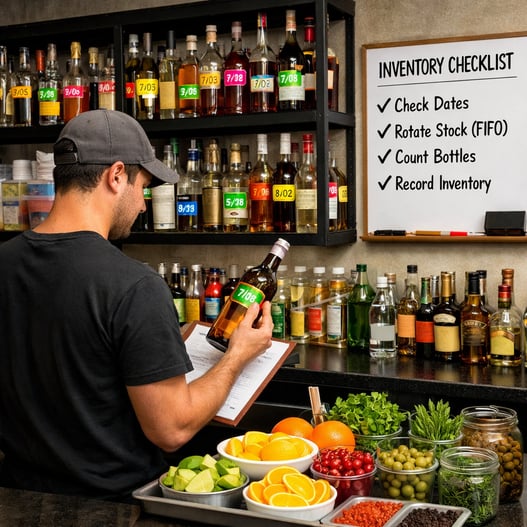
The image features a modern restaurant kitchen bustling with activity In the foreground a chef in a white uniform expertly prepares dishes surroundedDiscover how integrating your POS system with inventory management can eliminate costly errors, reduce waste, and transform your hospitality business into a data-driven operation.

Why Inventory Accuracy Makes or Breaks Hospitality Businesses

In the fast-paced world of hospitality, inventory accuracy isn't just a nice-to-have—it's the foundation of profitability. Every dish served, every drink poured, and every ingredient used represents a direct impact on your bottom line. When inventory counts are off, even by small margins, the ripple effects can be devastating. Restaurants operating with inaccurate inventory data face challenges ranging from unexpected stockouts during peak service hours to overordering that leads to spoilage and waste.

The hospitality industry operates on notoriously thin profit margins, typically ranging from 3-5% for restaurants. In this environment, even minor inventory discrepancies can mean the difference between profit and loss. Consider a restaurant that experiences just 2% inventory shrinkage due to tracking errors—for a business with $1 million in annual revenue, that's $20,000 in lost profits. Multiply this across multiple locations or over several years, and the financial impact becomes staggering.

Beyond the immediate financial implications, inventory accuracy affects every aspect of your operation. It determines whether you can fulfill customer orders reliably, influences menu pricing decisions, impacts staff productivity, and shapes your reputation in the market. When your inventory data is unreliable, you're essentially flying blind, making critical business decisions based on incomplete or incorrect information. In today's competitive hospitality landscape, this disadvantage can be fatal to long-term success.

The Hidden Costs of Manual Inventory Tracking

Manual inventory tracking remains surprisingly common in the hospitality industry, but its true cost extends far beyond the obvious labor hours. When staff members spend time counting stock with clipboards and spreadsheets, they're not only investing valuable time—they're introducing countless opportunities for human error. Transcription mistakes, miscounts, forgotten items, and calculation errors accumulate quickly. Studies show that manual inventory processes can have error rates as high as 20-30%, creating a cascading effect of operational problems.

The labor costs associated with manual inventory management are substantial and often underestimated. A typical restaurant might require 5-10 hours per week for inventory counts, costing thousands of dollars annually in staff wages. But the real cost comes from the inefficiency: employees conducting manual counts aren't engaging with customers, preparing food, or performing other revenue-generating activities. During these counting periods, productivity drops across the entire operation as managers focus on tedious administrative tasks rather than strategic initiatives that drive growth.

Perhaps most damaging are the opportunity costs and decision-making delays that manual systems create. Without real-time inventory data, managers can't respond quickly to emerging trends, sudden demand shifts, or supply chain disruptions. By the time weekly or monthly inventory counts are completed and analyzed, the insights they provide are already outdated. This lag in information means missed opportunities to optimize purchasing, adjust menu offerings, or prevent costly stockouts. Additionally, manual systems make it nearly impossible to track key metrics like inventory turnover rates, COGS percentages, or variance analysis with any meaningful accuracy.

The stress and employee dissatisfaction generated by manual inventory processes shouldn't be overlooked either. Staff often view inventory counts as the worst part of their job—tedious, time-consuming, and unrewarding. This can contribute to higher turnover rates in an industry already struggling with employee retention. When team members are frustrated by outdated systems and inefficient processes, it affects morale, service quality, and ultimately, the customer experience.

How POS and Inventory Integration Creates Real-Time Visibility

Integrating your POS system with inventory management software creates a seamless flow of data that transforms how you operate. Every time a server rings up an order, the system automatically deducts the corresponding ingredients from inventory counts. When a bartender makes a cocktail, the rum, lime juice, and simple syrup are instantly tracked. This real-time synchronization means your inventory levels are continuously updated without any manual intervention, providing an accurate picture of your stock at any given moment.

The power of real-time visibility cannot be overstated. Managers can log into the system from anywhere—whether they're in the office, at home, or visiting another location—and see exactly what's in stock, what's running low, and what needs to be ordered. This eliminates the anxiety of wondering whether you'll run out of key ingredients during dinner service or whether you're sitting on excessive inventory that's tying up cash. Push notifications and automated alerts can warn you when items approach reorder points, ensuring you never face embarrassing stockouts or have to send servers to nearby stores for emergency purchases.

Integration also enables sophisticated recipe costing and menu engineering that would be impossible with manual systems. When your POS knows the exact recipe for each menu item—down to the precise quantity of every ingredient—it can automatically calculate theoretical usage and compare it against actual consumption. This variance analysis reveals potential issues like over-portioning, theft, spillage, or recipe inconsistencies. If your filet mignon sales should have used 50 pounds of beef but your inventory shows 55 pounds were depleted, you immediately know there's a 5-pound discrepancy to investigate.

The data generated by integrated systems unlocks powerful business intelligence that drives smarter decision-making. You can analyze which menu items are most profitable, not just in terms of price, but considering actual ingredient costs and inventory turnover. You can identify seasonal trends, predict future demand with greater accuracy, and optimize your purchasing strategy. Historical data helps you understand which suppliers provide the best value, which items have the longest shelf life, and how to minimize waste while maximizing freshness.

Key Features to Look for in an Integrated System

When evaluating POS and inventory integration solutions, recipe management capabilities should be at the top of your checklist. The system should allow you to build detailed recipes that break down every menu item into its component ingredients, including precise quantities and units of measure. This feature becomes the foundation for accurate inventory tracking, as each sale automatically deducts the correct amounts from stock. Look for systems that support sub-recipes (components used across multiple dishes) and can handle various units of measurement, converting between pounds, ounces, liters, and individual units seamlessly.

Automated purchasing and vendor management features can dramatically streamline your procurement process. The best integrated systems generate purchase orders automatically based on par levels, reorder points, and predicted demand. They should maintain a database of your vendors with pricing information, lead times, and ordering minimums. When it's time to place an order, the system can suggest optimal quantities, compare prices across suppliers, and even send purchase orders electronically. Upon receiving shipments, staff should be able to check in inventory quickly using mobile devices or barcode scanners, instantly updating stock levels.

Comprehensive reporting and analytics capabilities separate good systems from great ones. Look for platforms that offer customizable dashboards displaying key metrics like inventory value, turnover rates, cost of goods sold, and variance reports. The system should track inventory movement patterns, showing which items are fast-moving versus slow-moving, helping you optimize your stock mix. Waste tracking features are essential for identifying where food costs are being lost—whether through spoilage, over-portioning, or preparation errors. The ability to drill down into data by location, time period, category, or individual item provides the insights needed for continuous improvement.

Multi-location support and mobile accessibility are increasingly important features in today's hospitality environment. If you operate multiple restaurants, bars, or hotels, your integrated system should provide consolidated reporting across all locations while allowing site-specific inventory management. Cloud-based solutions with mobile apps enable managers to perform inventory counts, check stock levels, approve purchase orders, and review reports from their smartphones or tablets. This flexibility supports the reality of modern restaurant management, where decisions often need to be made outside traditional office hours and locations.

Implementing Integration for Maximum ROI and Efficiency

Successful implementation of POS and inventory integration begins with thorough preparation and planning. Start by conducting a complete audit of your current processes, identifying pain points, inefficiencies, and specific goals you want to achieve. Assemble a project team that includes representatives from management, kitchen staff, front-of-house personnel, and accounting. This cross-functional approach ensures all perspectives are considered and increases buy-in across your organization. Set clear, measurable objectives—whether that's reducing food costs by 3%, cutting inventory counting time by 75%, or achieving 98% inventory accuracy.

Data migration and initial setup require careful attention to detail. You'll need to build your complete ingredient database, entering each item with accurate names, units of measure, pack sizes, and current costs. Creating recipes for every menu item is time-intensive but critical—this is where the accuracy of your entire system is established. Many businesses underestimate the time required for this phase, so budget adequate resources. Consider starting with your highest-volume or highest-cost items first, allowing you to see ROI more quickly while spreading out the workload. Some integration providers offer setup assistance or data entry services that can accelerate this process.

Training is perhaps the most overlooked aspect of implementation, yet it's crucial for success. Every team member who interacts with the system needs proper training tailored to their role. Kitchen staff must understand how to record waste and transfers, servers need to know how their order entry affects inventory, and managers require comprehensive training on reporting and analysis tools. Don't rely solely on one-time training sessions—provide ongoing education through quick-reference guides, video tutorials, and refresher sessions. Designate system champions within each department who can help troubleshoot issues and reinforce best practices.

Once your integrated system is live, establish regular processes for monitoring, maintenance, and optimization. Schedule periodic physical inventory counts to verify system accuracy and identify any discrepancies. Review variance reports weekly to catch issues early, whether they're data entry errors, theft, or process problems. Continuously refine your recipes as you introduce menu changes or discover more accurate measurements. Hold monthly meetings to review key metrics, celebrate improvements, and identify new opportunities for efficiency gains. The integration between your POS and inventory systems isn't a one-time project—it's an ongoing journey toward operational excellence that requires commitment, but delivers substantial returns through reduced costs, improved accuracy, and data-driven decision-making.

Topics: Restaurant Inventory, Scannabar Inventory system, Best Bar Inventory app, Best Liquor Inventory app, Scannabar inventory app, Resaurant Inventory app, Restaurant Inventory app, Scannabar Inventory Software, pos interface

Maximize Margins Using Real-Time Stock Tracking in Your Bar

Posted by Nick Kaoukis on Fri, Mar, 13, 2026 @ 09:03 AM

Discover how real-time inventory management can transform your bar's profitability by eliminating waste, preventing theft, and uncovering hidden revenue opportunities.

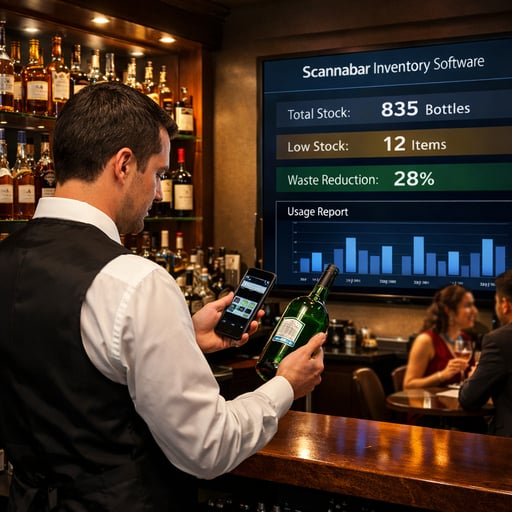
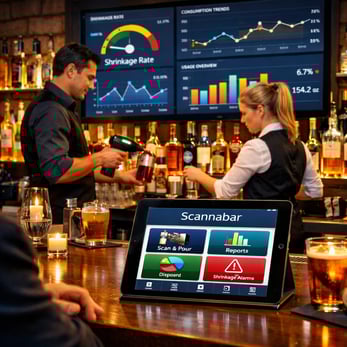
TThe image features a sleek modern interface of the Scannabar Inventory application displayed on a tablet set against a backdrop of a bustling bar environment The screen shows vibrant graphs and charts illustrating realtime inventory levels stock usag-1he Hidden Profit Leaks Draining Your Bar's Bottom Line

Every bar owner knows the feeling of watching revenue pour through the doors, only to wonder where all the profit went at the end of the month. The harsh reality is that most bars lose between 20-25% of their potential profits to what industry experts call 'shrinkage'—a polite term for the countless ways inventory mysteriously disappears. From untracked spillage and bartender error to deliberate theft and unrecorded drinks given to friends, these profit leaks compound daily, turning what should be a thriving business into one that barely breaks even.

The traditional approach of weekly or monthly inventory counts simply can't capture these losses in time to prevent them. By the time you discover that three bottles of premium vodka are missing or that your beer kegs are draining faster than sales records indicate, the damage is already done. Without visibility into what's happening behind the bar in real-time, you're essentially flying blind, making business decisions based on outdated information while profit quietly slips away with every shift.

Over-pouring represents another significant drain that most bar owners drastically underestimate. A bartender who pours just a quarter-ounce extra per cocktail might seem generous, but multiply that by hundreds of drinks per night, and you're giving away thousands of dollars in inventory annually. When you factor in drinks that aren't rung up correctly, promotional drinks that aren't tracked, and the inevitable 'one for me, one for you' mentality that develops without oversight, it becomes clear why so many bars struggle with thin margins despite strong sales numbers.

How Real-Time Stock Tracking Transforms Bar Operations

Real-time inventory tracking systems create an unprecedented level of visibility into your bar operations by connecting every pour, sale, and stock movement to a centralized dashboard. Modern pour-tracking technology uses wireless sensors or smart bottle monitoring systems that record each pour automatically, matching it against your point-of-sale data to ensure every drink served is also paid for. This shift from periodic manual counts to continuous automated monitoring fundamentally changes how you manage your business, replacing guesswork with actionable data.

The transformation extends far beyond simply knowing what's in stock. With real-time tracking, you can identify patterns and anomalies as they happen rather than discovering them weeks later during a physical count. When a bottle's depletion rate suddenly accelerates or when sales of a particular cocktail don't match the inventory usage of its ingredients, you're alerted immediately. This allows you to address issues while they're still small and manageable, rather than after they've cost you hundreds or thousands of dollars.

Perhaps most importantly, real-time systems eliminate the tedious manual counting process that eats up valuable management time. Instead of spending hours each week climbing on ladders to check bottles and recording numbers on clipboards, your inventory updates automatically throughout each shift. This frees up your time to focus on what actually drives business growth: creating memorable customer experiences, training your staff, refining your menu, and building your brand. The system works in the background, constantly monitoring and alerting you only when intervention is needed.

Catching Theft and Over-Pouring Before They Impact Your Margins

The uncomfortable truth about bar operations is that not all inventory loss is accidental. Employee theft accounts for a significant portion of shrinkage in the hospitality industry, ranging from bartenders pocketing cash from unrecorded sales to giving away free drinks to friends or over-pouring for better tips. Real-time tracking acts as both a deterrent and a detection system, making it virtually impossible for these practices to continue unnoticed. When employees know that every bottle is monitored and every pour is tracked, the opportunity and temptation for theft diminishes dramatically.

The system works by creating an expected usage baseline for each product based on sales data, then flagging any discrepancies immediately. If your POS system shows ten margaritas were sold but your tequila inventory indicates enough was poured for fifteen, you know there's a problem that needs investigation. The beauty of real-time alerts is that you can address these issues during the shift or immediately afterward, while details are fresh and corrective action is most effective. This immediate feedback loop creates accountability that simply doesn't exist with periodic counting methods.

Over-pouring detection is equally powerful for improving margins. Real-time tracking systems can be calibrated to your exact recipes, measuring the precise amount that should be used for each drink. When a bartender consistently pours more than specified, the system flags this behavior for coaching opportunities. Often, bartenders don't even realize they're over-pouring—they think they're making drinks correctly but lack the precision that comes from proper training and oversight. By identifying these patterns early, you can provide targeted training that improves consistency, reduces waste, and protects your margins without creating an adversarial relationship with your staff.

The psychological impact of having monitoring systems in place cannot be overstated. Even the most honest employees can develop bad habits when they know no one is watching. Real-time tracking creates a culture of accountability where everyone understands that accuracy matters and that the bar's success depends on everyone following procedures. This doesn't mean creating a police state atmosphere—quite the opposite. When implemented with proper training and communication, these systems are seen as tools that help everyone do their jobs better while ensuring the business thrives and can continue providing employment.

Data-Driven Menu Engineering for Maximum Profitability

Real-time inventory data unlocks powerful menu engineering opportunities that most bar owners never realize are available. By analyzing the relationship between what you sell, what it costs to make, and how much profit each item generates, you can strategically design your menu to maximize overall profitability. The data reveals which cocktails are your true profit drivers and which are actually losing you money once you account for all the ingredients, garnishes, and time required to prepare them.

This granular visibility allows you to calculate the actual pour cost for every drink on your menu with precision. You might discover that your signature cocktail, which seems popular and is priced well, actually has a pour cost of 35% because it uses premium spirits and multiple ingredients, while a simpler whiskey highball generates better margins at only 18% pour cost. Armed with this information, you can make strategic decisions about pricing adjustments, recipe modifications, or promotional focus that dramatically improve your bottom line without alienating customers.

The data also reveals dead weight on your menu—items that take up valuable back bar space but sell infrequently. That boutique gin that seemed like a good idea six months ago but has barely moved represents capital tied up in slow-moving inventory that could be invested in faster-turning products. Real-time tracking shows you exactly how long bottles sit and allows you to make evidence-based decisions about what to discontinue, what to feature more prominently, and what to add based on customer demand patterns.

Perhaps most powerfully, real-time data enables dynamic menu optimization. You can test new cocktails and immediately see their impact on profitability and sales volume. You can adjust recipes to reduce costs while maintaining quality, track whether customers notice or care, and fine-tune until you find the optimal balance. This iterative, data-driven approach to menu development is how successful restaurant groups operate, and real-time inventory systems bring this capability to bars of all sizes.

Implementing Your Real-Time Inventory System for Immediate Results

The key to successful implementation starts with choosing the right system for your bar's specific needs and scale. Options range from comprehensive platforms that integrate pour sensors on every bottle to more affordable solutions that use smart bottle tags or periodic scanning with mobile apps. For most bars, a phased approach works best—start by tracking your highest-value spirits and most popular products, then expand coverage as you see results and build confidence with the system. This allows your staff to adapt gradually while you begin capturing the majority of potential profit leaks immediately.

Staff training and buy-in are absolutely critical to implementation success. Rather than presenting the system as a 'big brother' surveillance tool, frame it as a way to protect the business and ensure everyone shares in its success. Involve your bartenders in the setup process, asking for their input on recipe specifications and standard pours. When staff members feel like partners in the process rather than suspects under surveillance, they'll embrace the system and help identify opportunities for improvement. Consider offering performance bonuses tied to improved pour costs or reduced shrinkage to align everyone's incentives.

Integration with your existing POS system is the next crucial step. The real power of inventory tracking comes from matching usage data against sales data, which requires seamless communication between systems. Most modern inventory platforms offer integrations with popular POS systems, but you'll need to ensure your product libraries match up correctly and that bartenders are trained to ring items in consistently. This might require some cleanup of your POS database and standardization of how items are entered, but this foundational work pays dividends in data accuracy.

Once your system is operational, commit to actually using the data it generates. Set aside time weekly to review reports, identify trends, and follow up on alerts. Look for patterns in shrinkage by shift, day of the week, or specific product categories. Celebrate improvements with your team and address issues promptly and professionally. The bars that see the most dramatic margin improvements aren't necessarily those with the most sophisticated systems—they're the ones whose owners actively engage with their data and make continuous small adjustments based on what they learn. Real-time inventory tracking is a tool, not a magic solution, but in the hands of an engaged operator, it's one of the most powerful profit improvement tools available in the hospitality industry.

Topics: Bar inventory, Bar trends, Scannabar Inventory system, Bar Management, Beer stock, Best Bar Inventory app, Best Liquor Inventory app, Scannabar inventory app, Scannabar Inventory Software

Best March Madness Viewing Venues for Basketball Fans

Posted by Nick Kaoukis on Wed, Mar, 11, 2026 @ 09:03 AM

Discover the ultimate destinations where sports bars, hotels, and entertainment venues transform March Madness into an unforgettable experience with premium viewing setups, exciting atmospheres, and fan-favorite amenities.

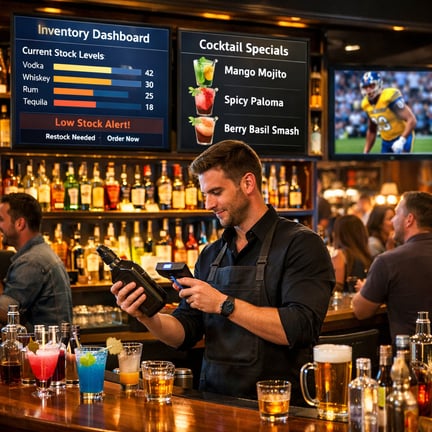
Why the Right Venue Makes All the Difference During March MadnessThe image depicts a lively sports bar bustling with excitement during March Madness Large HD screens hang from the walls showcasing multiple basketbal-1

March Madness is more than just a basketball tournament—it's a cultural phenomenon that brings together millions of fans for three weeks of non-stop excitement, buzzer-beaters, and Cinderella stories. While you could certainly watch the games from your couch, choosing the right venue elevates the entire experience from casual viewing to an unforgettable celebration of college basketball. The energy of a crowd erupting after a game-winning three-pointer, the camaraderie of fellow fans debating bracket picks, and the electric atmosphere that only comes from watching with other passionate supporters—these are the elements that transform March Madness from good to legendary.

The venue you choose sets the tone for your entire tournament experience. A great location offers more than just a screen—it provides the perfect combination of viewing quality, food and drink options, comfortable seating, and that intangible buzz that makes every possession feel more intense. Whether you're a die-hard fan who needs to watch every game or a casual viewer who just wants to catch the biggest matchups, selecting the right headquarters for your March Madness experience ensures you'll have the best seat in the house when those bracket-busting moments happen. From the opening tip-off of the First Four to the final seconds of the championship game, your venue choice can make or break your tournament memories.

Sports Bars That Deliver the Ultimate Game Day Experience

Sports bars remain the gold standard for March Madness viewing, and for good reason. The best establishments dedicate every screen to tournament action, ensuring you won't miss a single upset while you're focused on another game. Look for sports bars that offer wall-to-wall HD screens positioned strategically throughout the venue, so whether you're at the bar, in a booth, or grabbing another round of wings, you'll always have a perfect view. Many top-tier sports bars also provide individual audio controls or have designated sections for different games, allowing you to tune into the broadcast that matters most to your bracket.

The food and drink offerings at sports bars are specifically designed for marathon viewing sessions. Classic game day fare like buffalo wings, loaded nachos, sliders, and pizza provide the perfect fuel for hours of basketball action. Many bars create special March Madness menus with themed items and bucket deals that keep your group satisfied without constant trips to the counter. The beverage selection typically includes a wide variety of craft and domestic beers, creative cocktails, and non-alcoholic options, often with tournament-themed specials and happy hour deals that run during afternoon games.

What truly sets sports bars apart is the atmosphere they cultivate during March Madness. The collective roar when an underdog pulls off an upset, the groans when someone's Final Four pick goes down, and the friendly trash talk between rival fans create an energy that simply can't be replicated at home. Many sports bars host bracket challenges with prizes, organize raffles during timeouts, and create viewing communities that return year after year. The staff at dedicated sports bars understand the tournament's significance and work to enhance the experience, whether that means quickly switching audio between games or ensuring your table is ready before the prime-time matchups begin.

Hotels with Championship-Caliber Viewing Parties and Packages

Major hotels and resorts have recognized March Madness as a prime opportunity to create destination viewing experiences, particularly in cities known for their sports culture or those hosting tournament games. Upscale hotels often transform their ballrooms, poolside areas, or sports lounges into premium viewing venues complete with massive projection screens, superior sound systems, and VIP seating arrangements. These venues combine the excitement of public viewing with elevated amenities that include premium food and beverage service, comfortable lounge seating, and sometimes even dedicated concierge services to ensure your experience is seamless.

Many hotels create complete March Madness packages that bundle accommodations with viewing party access, making them ideal for groups traveling from out of town or locals who want to turn the tournament into a special getaway. These packages often include perks like complimentary breakfast, late checkout to recover from late-night overtime thrillers, welcome amenities with tournament-themed treats, and sometimes even tickets to live games if the hotel is in a host city. The convenience factor is unmatched—you can enjoy the games, indulge in the festivities, and simply take an elevator to your room without worrying about transportation.

Hotel viewing parties often attract a more diverse crowd than traditional sports bars, creating a unique social atmosphere where business travelers, tourists, and local fans mingle. The food and beverage offerings typically skew upscale, with craft cocktail programs, premium beer selections, and menus that go beyond standard bar fare to include items like gourmet flatbreads, artisanal sliders, and elevated appetizer spreads. Some hotels partner with celebrity chefs or local restaurants to provide catering that matches the championship-level experience. For fans who appreciate a more refined environment without sacrificing the excitement of communal viewing, hotel viewing parties offer the best of both worlds.

Entertainment Complexes Offering Immersive Basketball Experiences

Entertainment complexes and lifestyle centers have emerged as exciting alternatives for March Madness viewing, offering experiences that go far beyond simply watching games. These venues—which include bowling alleys with full bars and restaurant service, Dave & Buster's-style arcade bars, Top Golf locations, and large-scale entertainment destinations—allow you to actively participate in games and activities between tournament matchups. You can shoot hoops on arcade basketball games during halftime, bowl a few frames during a blowout, or challenge friends to interactive games while keeping one eye on the screens showing live tournament action.

The multi-screen setup at entertainment complexes rivals or exceeds traditional sports bars, with dozens of large-format displays ensuring the games are visible from virtually anywhere in the venue. The advantage of these locations is that they cater equally well to different engagement levels within your group. While the hardcore fans can post up near a screen to analyze every possession, others can enjoy other activities and still catch the big moments. This makes entertainment complexes particularly popular for corporate outings, large friend groups with varying interest levels, or families who want to keep younger members entertained during the slower games.

Food and drink programs at modern entertainment complexes have evolved significantly, with many offering full-service restaurants, extensive menus with creative options, and craft beverage programs that compete with standalone bars. Special March Madness promotions might include game-day food specials, drink packages, or activity bundles that provide better value for extended stays. The festive, high-energy environment these venues naturally possess amplifies during the tournament, creating a carnival-like atmosphere where the basketball games are the main event but not the only attraction. For groups looking to make March Madness viewing part of a larger entertainment experience, these complexes deliver excitement on multiple levels.

What to Look for When Choosing Your March Madness Headquarters

Selecting the perfect March Madness venue requires considering several key factors that will determine your overall experience. Screen quantity and quality should top your list—you'll want a location with enough screens showing different games simultaneously, positioned so you can track multiple matchups without constantly craning your neck. Screen size matters, but so does display quality; a crisp, properly calibrated HD or 4K display makes a significant difference when you're watching for hours. Audio capability is equally important; can they play sound from multiple games, and do they provide clear audio that cuts through the crowd noise?

Seating arrangements and overall comfort become critical considerations during a tournament that spans several weeks with games running from noon until midnight. Look for venues with a variety of seating options—bar stools for solo viewers or couples, tables for groups, and comfortable lounge areas for settling in during marathon viewing sessions. Check whether reservations are accepted, especially for prime-time games and weekends, and understand the venue's policy on table holding during busy periods. Adequate space between tables and good sightlines to screens from all seating areas prevent frustration when the venue fills up.

Menu variety, food quality, and value for money deserve careful evaluation, especially if you plan to make a venue your regular tournament headquarters. Review the menu in advance to ensure it offers options everyone in your group will enjoy, including vegetarian selections, shareable appetizers, and heartier entrées for dinner games. Drink specials and happy hour timing can significantly impact your overall spend, particularly during afternoon sessions. Consider the service model—full table service provides convenience, while counter service might mean faster access during peak times.

Location and logistics complete the venue selection process. Consider proximity to your home or office, parking availability and costs, and public transportation access if you plan to enjoy alcoholic beverages. Check the venue's March Madness-specific policies—do they offer bracket challenges, require minimums during peak games, or host special events for Final Four weekend? Read recent reviews focusing on how the venue handles major sporting events, as some locations are better equipped and staffed for tournament crowds than others. Taking time to evaluate these factors ensures you'll find the perfect March Madness headquarters that matches your priorities and enhances your tournament experience from the first tip-off to the championship celebration.

Topics: Bar trends, Bar products, Beer stock, Bar Promotion, Best Bar Inventory app, Sports Bar, NCAA Basketball, March Madness

Mastering the Employee Onboarding Process for Successful Bars

Posted by Nick Kaoukis on Fri, Feb, 27, 2026 @ 09:02 AM

Transform your bar's success by implementing a strategic onboarding process that turns new hires into confident, high-performing team members from day one.

Why Employee Onboarding Makes or Breaks Your Bar's Success

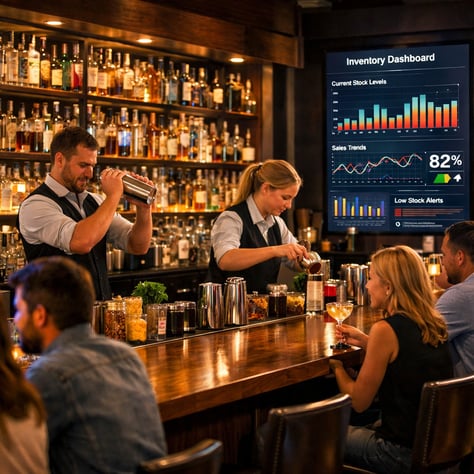
The bar industry operates on razor-thin margins where every team member's performance directly impacts your bottom line. A well-executed onboarding process is the difference between a bartender who fumbles orders during peak hours and one who confidently manages a packed Friday night shift. Research shows that effective onboarding can improve employee retention by 82% and productivity by over 70%, metrics that are particularly critical in an industry notorious for high turnover rates.The image depicts a bustling bar scene with a diverse group of bartenders and servers in action The bar is welllit showcasing a variety of colorful co-1

Your bar's reputation hinges on consistency, and consistency starts with proper training. When new employees receive structured onboarding, they quickly absorb your establishment's culture, service standards, and operational procedures. This creates a seamless customer experience regardless of who's behind the bar. Conversely, poor onboarding leads to costly mistakes, safety violations, customer complaints, and the expense of repeatedly hiring and training replacement staff.

The first impression matters just as much for employees as it does for customers. New hires who feel welcomed, prepared, and valued during their initial weeks are more likely to become engaged, long-term team members. In a competitive labor market, your onboarding process becomes a key differentiator in attracting and retaining top talent who have multiple employment options.

Building Your Bar's Onboarding Framework From the Ground Up

Start by documenting every aspect of your bar's operations before your new hire's first day. Create a comprehensive employee handbook that covers your mission statement, dress code, scheduling policies, and behavioral expectations. This foundational document serves as a reference point throughout the onboarding journey and ensures consistency across all training sessions. Include practical information like emergency procedures, break policies, and how to handle difficult situations.

Develop a structured timeline that spans at least the first 90 days of employment. Week one should focus on administrative tasks, safety training, and basic orientation to your physical space. Week two through four should introduce role-specific skills through shadowing and supervised practice. The remaining weeks should gradually increase responsibility while providing regular feedback checkpoints. This phased approach prevents overwhelming new hires while ensuring they master each competency before advancing.

Assign a dedicated mentor or buddy to each new employee. This experienced team member serves as the go-to resource for questions, demonstrates proper techniques, and helps integrate the newcomer into your bar's social dynamics. The mentor relationship reduces the learning curve and creates accountability on both sides. Choose mentors who exemplify your bar's values and possess strong communication skills, not just technical expertise.

Invest in creating training materials that new hires can reference independently. This might include laminated recipe cards for signature cocktails, video demonstrations of proper glassware handling, or digital checklists for opening and closing procedures. Multi-format materials accommodate different learning styles and allow employees to review information at their own pace, reinforcing what they learn during hands-on training sessions.

Essential Training Components Every Bar Employee Needs

Safety and compliance training must be the absolute foundation of your onboarding program. This includes responsible alcohol service certification, proper identification checking procedures, and how to recognize and handle intoxicated patrons. Train staff on food safety protocols, proper chemical handling for cleaning products, and emergency response procedures. Many of these topics have legal implications, so maintain documentation that each employee completed this training and understands the consequences of violations.

Technical skills training varies by position but should be thorough and systematic. Bartenders need comprehensive instruction on your POS system, cash handling procedures, inventory management, and the preparation of every drink on your menu. Start with your most popular items and signature cocktails, then expand to more specialized requests. Servers require training on menu knowledge, table management systems, upselling techniques, and coordination with kitchen and bar staff. Even barbacks and support staff need clear instruction on their specific responsibilities and how they fit into the overall operation.

Customer service excellence should be woven throughout your entire training program. Teach your team how to greet guests, read the room, handle complaints gracefully, and create memorable experiences that generate repeat business. Role-playing exercises help employees practice difficult scenarios in a low-stakes environment. Emphasize that everyone on your team, regardless of their position, contributes to the customer experience and has the power to turn a mediocre visit into an exceptional one.

Don't overlook the soft skills that distinguish good bars from great ones. Train employees on effective communication with coworkers during high-pressure situations, time management during rushes, and maintaining professionalism when personal conflicts arise. Teach them your bar's specific culture—whether that's high-energy and social or sophisticated and understated—and how to embody those characteristics in their interactions. These intangible qualities often determine whether a technically skilled employee becomes a true asset to your team.

Creating a Culture of Excellence Through Structured Integration

Culture isn't created through mission statements alone; it's built through intentional actions and consistent reinforcement. During onboarding, explicitly discuss your bar's values and provide concrete examples of what those values look like in daily operations. If teamwork is a core value, demonstrate how your staff supports each other during rushes. If innovation matters, show how you encourage employees to suggest new cocktails or service improvements. New hires should see your stated culture reflected in observable behaviors from day one.

Create opportunities for new employees to connect with the broader team beyond their immediate work responsibilities. This might include pre-shift meetings where everyone shares updates, team-building activities outside of work hours, or informal gatherings where newcomers can ask questions in a relaxed setting. These social connections increase job satisfaction and reduce the likelihood that new hires will leave due to feeling isolated or disconnected from their coworkers.

Establish clear pathways for growth and advancement within your organization. During onboarding, discuss how employees can develop their skills, take on additional responsibilities, and move into leadership positions. This future-focused approach helps new hires see beyond their initial role and envision a long-term career rather than just a temporary job. Regular check-ins about professional development goals keep this conversation alive throughout their tenure.

Recognize and celebrate early wins during the onboarding period. When a new bartender nails a complicated cocktail, a server receives compliments from customers, or a barback demonstrates initiative, acknowledge these achievements publicly. This positive reinforcement motivates the individual, sets standards for other team members, and signals what behaviors your bar values. Small celebrations during the vulnerable onboarding phase build confidence and commitment.

Measuring Onboarding Success and Continuous Improvement Strategies

Implement formal evaluation checkpoints at 30, 60, and 90 days to assess both the employee's progress and the effectiveness of your onboarding program. These reviews should include objective metrics like speed of service, accuracy of orders, customer feedback scores, and adherence to procedures. Equally important are subjective assessments of cultural fit, teamwork, problem-solving ability, and growth potential. Document these evaluations to identify patterns across multiple new hires and spot areas where your training may be falling short.

Gather feedback directly from new employees about their onboarding experience. Anonymous surveys allow honest input about what worked well, what was confusing, and what they wish they'd learned sooner. Exit interviews with departing employees who leave during or shortly after onboarding provide particularly valuable insights into gaps in your program. This feedback loop transforms onboarding from a static checklist into a dynamic system that evolves based on real-world results.

Track key performance indicators that reveal the quality of your onboarding process. Monitor retention rates at the 90-day, six-month, and one-year marks to see if your onboarding investments translate into long-term employment. Analyze whether properly onboarded employees generate higher sales, receive better customer reviews, or require fewer disciplinary interventions. Calculate the time it takes for new hires to reach full productivity compared to industry benchmarks. These metrics justify continued investment in onboarding and help you demonstrate ROI to stakeholders.

Commit to regular updates of your onboarding materials and procedures. As your menu changes, new technology is introduced, or regulations are updated, your training program must adapt accordingly. Schedule quarterly reviews of your onboarding framework with input from managers, experienced staff, and recent hires. Stay informed about best practices in the hospitality industry through professional associations, conferences, and peer networks. The most successful bars treat onboarding as a continuous improvement project rather than a one-time program design, ensuring they consistently attract, develop, and retain the talent that drives their success.

Topics: Bar staff, Bar trends, Bar Management, Bar products, Control, Bar Promotion, Best Bar Inventory app, Best Liquor Inventory app

How Real-Time Stock Monitoring Optimizes Banquet Inventory Management

Posted by Nick Kaoukis on Mon, Feb, 09, 2026 @ 09:02 AM

Discover how real-time stock monitoring transforms banquet operations by eliminating waste, preventing stockouts, and maximizing profitability in your hospitality venue.

The Hidden Costs of Manual Inventory Tracking in Banquet Operations

Manual inventory tracking in banquet operations comes with significant hidden costs that extend far beyond the obvious time investment. Every hour your staff spends counting bottles, tallying supplies, and recording data on clipboards or spreadsheets is an hour taken away from guest service and revenue-generating activities. These labor costs compound quickly, especially in busy banquet facilities where multiple events may occur simultaneously, requiring frequent inventory checks across various storage locations.

Beyond labor inefficiencies, manual tracking introduces substantial margin for human error. Miscounts, missed items, and transcription mistakes lead to inaccurate stock levels that cascade into poor purchasing decisions. You might over-order items that are already adequately stocked, tying up capital in excess inventory, or worse, run out of critical supplies mid-event, forcing last-minute emergency purchases at premium prices. These errors also make it nearly impossible to accurately track pour costs and identify potential theft or over-pouring issues.

The lack of real-time visibility in manual systems means you're always operating with outdated information. By the time you've completed a full inventory count and entered the data, stock levels have already changed. This delay prevents proactive decision-making and leaves you constantly reacting to problems rather than preventing them. For banquet operations where timing and precision are everything, this reactive approach can seriously damage your reputation and bottom line.

What Real-Time Stock Monitoring Means for Your Banquet Business

The image depicts a modern banquet hall bustling with activity during a highprofile event Elegant round tables are adorned with pristine white tableclReal-time stock monitoring revolutionizes how banquet facilities manage their inventory by providing instant, accurate visibility into stock levels at any moment. This technology eliminates the guesswork and delays inherent in traditional inventory methods, allowing managers to access up-to-the-minute data on every item in their inventory from any device, anywhere. Whether you're on the banquet floor, in a planning meeting, or reviewing operations from home, you have complete transparency into what's in stock, what's running low, and what needs to be ordered.

The Scannabar inventory app exemplifies this modern approach to banquet inventory management. Using simple barcode scanning technology, staff can quickly update inventory levels in seconds rather than spending hours with pen and paper. The app automatically calculates stock values, tracks usage patterns, and generates detailed reports that give you actionable insights into your banquet operations. This seamless integration of technology means your inventory data is always current, always accurate, and always accessible.

Real-time monitoring also enables dynamic inventory management that adapts to your banquet schedule. You can track inventory consumption by event type, identify which items are used most frequently during specific seasons or occasions, and adjust your purchasing accordingly. This level of granular insight was simply impossible with manual tracking methods and empowers you to make data-driven decisions that optimize both service quality and profitability.

Preventing Stockouts During High-Volume Events and Peak Seasons

Stockouts during major banquet events represent one of the most damaging failures in hospitality operations. When you run out of a signature cocktail ingredient, premium wine selection, or essential food item during a wedding reception or corporate gala, you're not just losing immediate revenue—you're potentially losing future bookings and damaging your venue's reputation. Real-time stock monitoring provides the early warning system you need to prevent these catastrophic scenarios before they occur.

With live inventory data, you can set customized alerts that notify you when stock levels drop below predetermined thresholds. This proactive approach means you receive notifications well before items run out, giving you adequate time to reorder and restock. The Scannabar app takes this further by analyzing your historical usage patterns and upcoming event schedule to predict when you'll need to reorder specific items, accounting for lead times and ensuring supplies arrive exactly when needed.

Peak seasons like wedding season, holiday parties, and conference periods put extraordinary pressure on banquet inventory systems. Real-time monitoring allows you to scale your inventory management to meet these demands without over-investing in stock during slower periods. You can track consumption rates across multiple simultaneous events, identify which bars or service areas are depleting fastest, and redistribute inventory as needed to ensure no event suffers from shortages. This agility is impossible to achieve with manual systems that only provide periodic snapshots of inventory levels.

The integration of real-time data with your event calendar creates a powerful planning tool. You can review upcoming banquet bookings, assess the menu and beverage requirements for each event, and verify that you have sufficient inventory to fulfill all commitments. This forward-looking capability eliminates the panic and scrambling that often accompanies high-volume periods and allows your team to deliver consistently excellent service regardless of how busy your schedule becomes.

Reducing Food Waste and Controlling Costs with Live Inventory Data

Food and beverage waste represents one of the largest controllable expenses in banquet operations, yet many venues lack the visibility needed to effectively address it. Real-time inventory monitoring shines a spotlight on waste by tracking exactly what's being used, what's expiring, and where losses are occurring. This transparency allows you to identify patterns and implement targeted strategies to reduce waste and protect your profit margins.

Live inventory data reveals critical insights about product shelf life and turnover rates. You can identify slow-moving items before they expire and take corrective action—whether that means featuring them in special promotions, adjusting portion sizes, or simply ordering less in the future. The Scannabar app's reporting features highlight these opportunities by showing you which items have been sitting in inventory longest and calculating the financial impact of potential waste, enabling you to make informed decisions about product mix and ordering quantities.

Accurate, real-time tracking also helps you identify and address theft, over-pouring, and unauthorized consumption—all significant sources of inventory shrinkage in banquet operations. When you can compare actual usage against expected consumption based on event orders and guest counts, discrepancies become immediately apparent. This accountability naturally reduces losses and ensures that your inventory is being used efficiently and appropriately.

Cost control extends beyond waste reduction to encompass smarter purchasing decisions. With comprehensive data on usage patterns, seasonal variations, and price trends, you can optimize your ordering to take advantage of bulk discounts and favorable pricing while avoiding over-investment in slow-moving stock. Real-time monitoring also facilitates better vendor management by providing concrete data about delivery accuracy, product quality issues, and pricing consistency, strengthening your negotiating position and ensuring you're getting the best value for your inventory investment.

Implementing Smart Inventory Systems for Seamless Banquet Management

Implementing a smart inventory system like Scannabar in your banquet operation doesn't require a complete overhaul of your existing processes or extensive technical expertise. The key to successful implementation is starting with a clear understanding of your current inventory challenges and specific goals for improvement. Begin by conducting a comprehensive baseline inventory count to establish accurate starting data, then introduce the system gradually, starting with your highest-value or most frequently used items before expanding to your full inventory.

Training your staff is critical to successful adoption of any new technology. The beauty of modern inventory apps like Scannabar is their intuitive design—most staff members can learn the basic scanning and counting functions in just minutes. Focus your training on consistency and accuracy, emphasizing how the system benefits both the operation and individual employees by reducing tedious manual counting and eliminating the confusion that comes from outdated inventory information. When your team understands that the technology makes their jobs easier rather than more complicated, adoption becomes natural and enthusiastic.

Integration with your existing systems amplifies the value of real-time inventory monitoring. Connect your inventory data with your point-of-sale system, event management software, and purchasing workflows to create a seamless flow of information across your entire operation. This integration eliminates duplicate data entry, reduces errors, and provides a holistic view of your banquet business. The Scannabar app offers integration capabilities that allow it to work harmoniously with other hospitality management tools, creating a unified ecosystem that supports efficient operations.

Continuous improvement should be built into your inventory management approach. Use the detailed analytics and reports generated by your smart inventory system to regularly review performance, identify trends, and refine your processes. Schedule monthly or quarterly reviews to assess key metrics like inventory turnover, waste percentages, stockout incidents, and carrying costs. These reviews provide opportunities to celebrate successes, address persistent challenges, and adjust your inventory strategies to align with evolving business needs. The real-time data you've been collecting becomes the foundation for ongoing optimization that keeps your banquet operation competitive and profitable.

The return on investment from implementing smart inventory systems typically manifests quickly through reduced waste, improved purchasing efficiency, and decreased labor costs. Most banquet operations find that the system pays for itself within months through these tangible savings, while also delivering intangible benefits like improved staff morale, better guest experiences, and greater operational confidence. By embracing real-time stock monitoring technology, you're not just modernizing your inventory management—you're positioning your banquet business for sustained success in an increasingly competitive hospitality landscape.

Topics: Bar inventory, Hotel Inventory, Scannabar Inventory system, Liquor Inventory savings, Hotel Bar Inventory, Best Bar Inventory app, Best Liquor Inventory app, Cruise ship bar inventory, Country Club Liquor Inventory, Scannabar inventory app, Scannabar Inventory Software

Bar Inventory Tracking with Scannabar: Increasing Efficiency and Accuracy

Posted by Nick Kaoukis on Fri, Jan, 16, 2026 @ 14:01 PM

Unlock seamless bar operations and boost profitability by optimizing your inventory management with Scannabar's advanced tracking solutions.

The image depicts a sleek modern bar setup with a wellorganized back bar Bottles of various spirits are neatly arranged on shelves illuminated by soft-1

The Challenges of Traditional Bar Inventory Methods

Managing liquor inventory, bar inventory, and alcohol inventory using manual methods can be time-consuming and prone to human error. Traditional pen-and-paper or spreadsheet-based processes often result in inaccurate stock counts, missed discrepancies, and wasted labor hours.

In my experience as a warehouse manager, these outdated systems led to over-ordering, lost products, and higher beverage costs. Reconciling counts with sales and usage was a constant struggle, harming both profitability and operational efficiency.

How Scannabar Transforms Bar Inventory Management

Implementing the Scannabar inventory system brought a significant shift in how we handle liquor inventory and bar inventory. The system’s digital scanning and real-time tracking capabilities have eliminated guesswork and drastically reduced counting errors.

Scannabar integrates seamlessly with our existing POS and ordering systems, ensuring that every bottle, keg, and case is accounted for. This digital transformation has made alcohol inventory management faster, more reliable, and far more transparent.

Key Features of Scannabar for Hospitality Businesses

Scannabar offers advanced features tailored to the unique needs of bars and hospitality operations. The system provides rapid barcode scanning, precise pour tracking, and detailed reporting on inventory movement.

Automated alerts for reordering, customizable inventory reports, and compatibility with various hardware make Scannabar an essential tool for maintaining accurate liquor inventory. Its user-friendly interface allows for quick onboarding and minimal training for staff.

Maximizing Profit and Reducing Waste with Accurate Tracking

With Scannabar, we have been able to pinpoint sources of shrinkage and unauthorized usage, directly improving our beverage cost control. The accurate data provided by the system empowers us to make smarter purchasing decisions and optimize stock levels.

Accurate alcohol inventory tracking has also enabled us to identify slow-moving products and reduce waste. This has directly contributed to increased profitability by ensuring we only order what we need and reduce excess inventory.

Implementing Scannabar: Best Practices for Success

To get the most from Scannabar, it’s crucial to regularly update your product database and ensure all staff are trained on proper scanning procedures. Setting up scheduled inventory audits and leveraging the system’s reporting tools can further enhance accuracy and accountability.

Working closely with Scannabar’s support team during the initial setup helped us tailor the system to our specific needs, ensuring a smooth transition and immediate improvements in workflow and productivity.

Topics: Bar inventory, Restaurant Inventory, Scannabar Inventory system, liquor inventory system, liquor inventory app, Best Bar Inventory app, Best Liquor Inventory app

Streamlining Restaurant Inventory: Solutions for 2025

Posted by Nick Kaoukis on Thu, Nov, 06, 2025 @ 17:11 PM

Discover how cutting-edge inventory solutions are transforming restaurant operations, reducing waste, and boosting profitability in 2025.The image features a modern bar interior showcasing a sleek polished wooden bar counter lined with an array of colorful liquor bottles Behind the bar shelves are filled with various spirits each illuminated by soft ambient lighting A bartender dresse

The Evolution of Restaurant Inventory Management

Restaurant inventory management has come a long way from the days of manual stocktaking and paper logs. In the past, operators relied heavily on spreadsheets, handwritten notes, and time-consuming routines to keep track of perishables and supplies. Errors, over-ordering, and waste were common, impacting both costs and customer satisfaction.

Fast forward to 2025, and the landscape looks remarkably different. With the advent of digital tools and cloud-based systems, restaurant owners now have real-time visibility into their inventory. These advancements have led to more informed purchasing decisions, accurate forecasting, and streamlined operations that are essential in today’s competitive market.

Harnessing Technology: Automation and AI in 2025

The integration of automation and artificial intelligence (AI) is revolutionizing restaurant inventory management in 2025. Smart sensors, IoT-enabled shelves, and automated reordering systems now monitor stock levels down to individual ingredients, triggering restocks only when needed. This minimizes overstocking, prevents spoilage, and ensures menu items are always available.

AI-driven analytics further enhance decision-making by predicting trends, seasonality, and even supplier performance. Restaurants can now anticipate demand spikes, optimize their storage space, and negotiate better deals with suppliers, resulting in increased profitability and reduced operational headaches.

Best Practices for Reducing Food Waste and Shrinkage

Reducing food waste and shrinkage remains a top priority for forward-thinking restaurants. In 2025, best practices include implementing precise portion controls, leveraging expiration tracking, and conducting regular inventory audits—all aided by digital tools. Automated alerts prompt staff to use soon-to-expire products first, while recipe management software ensures consistent ingredient usage.

Additionally, fostering a culture of sustainability and accountability among staff contributes to waste reduction efforts. Many restaurants now partner with local charities to donate surplus food, further minimizing waste and enhancing community relations.

Integrating Inventory with Supply Chain and POS Systems

Seamless integration between inventory management, supply chain platforms, and point-of-sale (POS) systems is a game-changer in 2025. Real-time data flows across these systems allow restaurants to instantly adjust orders based on sales trends, inventory levels, and supplier availability.

This integration not only improves accuracy but also enhances agility, enabling quick responses to disruptions or changing customer preferences. As a result, restaurants can maintain optimal stock levels, reduce lead times, and offer a consistently high level of service to their guests.

Future Trends Shaping Restaurant Inventory Solutions

Looking ahead, several emerging trends are set to further transform restaurant inventory management. Blockchain technology promises enhanced transparency and traceability throughout the supply chain, while sustainability metrics are increasingly embedded into inventory platforms to support eco-friendly initiatives.

Augmented reality (AR) and voice-activated assistants are also making inroads, simplifying inventory checks and staff training. As these innovations continue to evolve, restaurants embracing the latest inventory solutions will remain agile, sustainable, and profitable in the ever-changing foodservice landscape.

Topics: Scannabar Inventory system, managing liquor inventory cost, liquor inventory system, Best Bar Inventory app, Best Liquor Inventory app, Scannabar inventory app

Shrinkage Reduction Tools: Boosting Warehouse Efficiency

Posted by Nick Kaoukis on Thu, Oct, 30, 2025 @ 09:10 AM

Discover how innovative shrinkage reduction tools can transform warehouse operations, minimize losses, and maximize profitability in the retail sector.

Understanding Shrinkage: The Hidden Threat to Retail Warehouseswarehouse inventory

As CEO, I recognize that shrinkage—loss of inventory due to theft, administrative errors, or mismanagement—remains a persistent and costly challenge for retail warehouses. Often, these losses go unnoticed until they significantly impact the bottom line, eroding profitability and undermining operational efficiency.

Addressing shrinkage is not just about plugging leaks in inventory; it’s about gaining visibility and control over every product that moves through the warehouse. Effective shrinkage management is crucial for maintaining customer trust, ensuring product availability, and sustaining healthy margins in a highly competitive industry.

Key Shrinkage Reduction Tools Revolutionizing the Industry

The evolution of inventory management tools has empowered warehouses to proactively combat shrinkage. Solutions like the Scannabar inventory app are revolutionizing how businesses track, audit, and secure their stock. With real-time data capture, barcode scanning, and automated reporting, these tools significantly reduce manual errors and provide actionable insights into inventory movements.

By integrating advanced analytics and digital inventory logs, these tools allow us to identify patterns of loss and quickly address vulnerabilities. This industry shift toward smarter, data-driven tools marks a new era for loss prevention strategies.

Implementing Technology-Driven Solutions for Loss Prevention

Implementing technology such as the Scannabar inventory app offers a robust layer of protection against shrinkage. The app’s intuitive interface enables staff to conduct rapid and accurate inventory counts, reducing opportunities for theft and misplacement. Automated alerts and discrepancy reports ensure immediate action when anomalies are detected.

Moreover, cloud-based systems enable centralized oversight, allowing managers to monitor multiple warehouses and locations from a single platform. This connected approach not only streamlines operations but also creates a transparent audit trail that reinforces accountability across the organization.

Best Practices for Training Warehouse Staff on Shrinkage Tools

A crucial aspect of leveraging shrinkage reduction tools is ensuring staff are well-trained and comfortable with the technology. We recommend comprehensive onboarding sessions, regular refresher courses, and hands-on demonstrations to build confidence and proficiency in using inventory apps like Scannabar.

Fostering a culture of accountability and technological literacy not only enhances efficiency, but also empowers employees to actively participate in loss prevention. Clear communication of protocols and expectations ensures that everyone understands the importance of accurate inventory management.

Maximizing ROI Through Efficient Shrinkage Reduction Strategies

Investing in shrinkage reduction tools like Scannabar yields measurable returns. By minimizing losses, optimizing stock levels, and automating labor-intensive processes, businesses can realize significant cost savings and profitability gains. The real-time data provided by these tools supports data-driven decision-making, further enhancing operational agility.

Ultimately, adopting innovative shrinkage reduction strategies positions warehouses to thrive in an ever-evolving retail landscape. The combined effect of reduced losses, improved inventory accuracy, and empowered staff translates directly into maximized ROI and a stronger competitive edge.

Topics: Bar inventory, Liquor Inventory savings, bar inventory system, bar inventory software, Best Bar Inventory app, Best Liquor Inventory app, Cruise ship bar inventory, Country Club Liquor Inventory

How Scannabar Revolutionized Our Bar Inventory Management

Posted by Nick Kaoukis on Wed, Aug, 27, 2025 @ 14:08 PM

Discover how Scannabar's advanced inventory software has transformed our bar operations, boosting efficiency and profitability.

Streamlined Inventory Processes

The image features a sleek modern interface of the Scannabar Inventory application displayed on a tablet set against a backdrop of a bustling bar environment The screen shows vibrant graphs and charts illustrating realtime inventory levels stock usag-1Since implementing Scannabar, our inventory processes have become remarkably streamlined. The software's user-friendly interface allows us to quickly and efficiently track our stock levels, reducing the time spent on manual inventory tasks.

The automated system ensures that we always know what we have in stock, what needs to be ordered, and when. This has not only saved us countless hours but has also significantly reduced the margin for human error.

Enhanced Accuracy and Reduced Waste

One of the most significant improvements we've seen with Scannabar is the enhanced accuracy it brings to our inventory management. The software provides precise measurements and tracking, which has greatly minimized discrepancies and errors.

As a result, we've been able to reduce waste dramatically. By knowing exactly what we have and what we need, we can avoid over-ordering and ensure that our inventory is used efficiently.

Real-time Data and Insights

Scannabar offers real-time data and insights that are invaluable for making informed decisions. The software provides detailed reports and analytics that help us understand our inventory trends, sales patterns, and stock movements.

This real-time information allows us to adjust our ordering and stocking strategies on the fly, ensuring that we always have the right products available for our customers without overstocking.

Improved Staff Training and Accountability

The implementation of Scannabar has also had a positive impact on staff training and accountability. The software's intuitive design makes it easy for new staff members to learn and use, reducing the training time required.

Furthermore, Scannabar tracks each staff member's interactions with the inventory, fostering a sense of accountability and responsibility. This has led to a more disciplined and reliable team, as everyone knows their actions are being monitored and recorded.

Boosted Overall Profitability

Ultimately, the improvements brought by Scannabar have had a direct impact on our bottom line. By streamlining processes, enhancing accuracy, providing real-time insights, and improving staff accountability, we've seen a significant boost in our overall profitability.

The reduction in waste and the ability to make data-driven decisions have allowed us to operate more efficiently and effectively, ensuring that we maximize our profits while maintaining high standards of service for our customers.

Topics: liquor inventory, Bar inventory, Scannabar Inventory system, Bar Management, liquor control, liquor inventory app, Best Bar Inventory app, Best Liquor Inventory app, Country Club Liquor Inventory, Scannabar inventory app

The Importance of Properly Counting Inventory in Your Bar's Coolers and Beer Fridges

Posted by John Cammalleri on Wed, Aug, 20, 2025 @ 13:08 PM

Proper inventory management in your bar's coolers and beer fridges is crucial for preventing theft, ensuring customer satisfaction, and maintaining cleanliness. The Scannabar inventory app can help you achieve this quickly and optimally.

Preventing Theft With Regular Inventory ChecksBeer Cooler Inventory

Frequent inventory checks are your first line of defense against theft. By regularly counting the stock in your coolers and beer fridges, you can quickly spot discrepancies that may indicate internal theft or supplier issues. Consistently monitoring inventory levels helps ensure that every item is accounted for, reducing the likelihood of theft.

In addition to preventing theft, regular inventory checks help you identify patterns and trends, allowing you to make informed decisions about ordering and stocking. This proactive approach not only safeguards your assets but also contributes to overall operational efficiency.

Ensuring Your Coolers and Beer Fridges Are Fully Stocked

A fully stocked cooler or beer fridge is essential for maintaining customer satisfaction. When customers have a variety of options to choose from, they are more likely to find something they enjoy, leading to increased sales and repeat business. Regular inventory checks ensure that you are always aware of what needs to be restocked, preventing the disappointment of running out of popular items.

Moreover, keeping your coolers and beer fridges well-stocked helps you manage your supply chain more effectively. It allows you to place timely orders, avoid overstocking, and reduce the risk of spoilage or expired products, ultimately saving you money.

Maintaining Cleanliness and Hygiene Standards

Cleanliness and hygiene are paramount in the hospitality industry. Regular inventory checks provide an excellent opportunity to inspect your coolers and beer fridges for cleanliness. A clean and well-organized fridge not only looks professional but also ensures that your products remain in optimal condition.

By incorporating cleanliness checks into your inventory routine, you can maintain high hygiene standards, comply with health regulations, and provide a safe environment for your customers. This practice also extends the lifespan of your refrigeration equipment, reducing maintenance costs and downtime.

How Scannabar Streamlines Your Inventory Process

The Scannabar inventory app is a game-changer for bar owners looking to streamline their inventory process. This app allows you to quickly and accurately count stock using barcode scanning technology, significantly reducing the time and effort required for manual counts. With Scannabar, you can easily track inventory levels, manage orders, and generate detailed reports, all from a single platform.

Scannabar's user-friendly interface makes it easy for your staff to learn and use, ensuring that inventory checks are done consistently and correctly. By automating many aspects of the inventory process, Scannabar frees up your time to focus on other important aspects of running your bar.

Boosting Efficiency and Accuracy with Scannabar

Efficiency and accuracy are crucial for effective inventory management, and Scannabar excels in both areas. The app's precise scanning technology minimizes human error, ensuring that your inventory counts are always accurate. This accuracy is vital for making informed decisions about ordering and stocking, ultimately leading to better financial management.

In addition to accuracy, Scannabar boosts efficiency by streamlining the entire inventory process. Automated reports and real-time data updates provide you with valuable insights into your inventory trends, helping you optimize stock levels and reduce waste. With Scannabar, you can achieve a higher level of operational efficiency, allowing you to focus on delivering an exceptional customer experience.

Topics: beer inventory, Scannabar Inventory system, beer system, bar theft, beer, Best Bar Inventory app, Best Liquor Inventory app, Scannabar inventory app