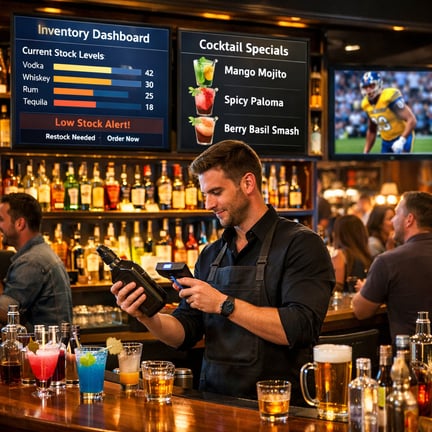
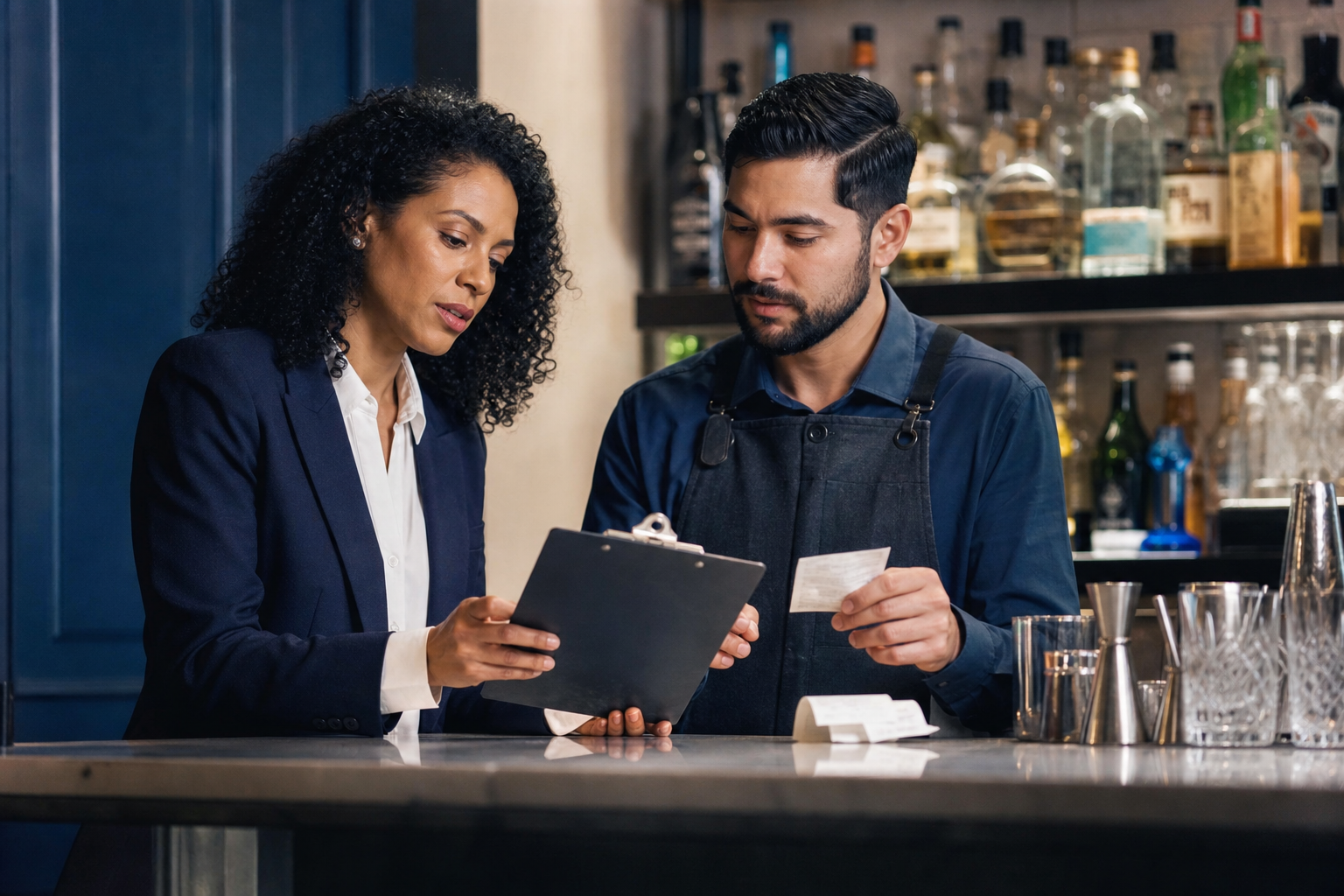
Expert Advice on Hospitality Topics

From Neighborhood Bars To Hotel Resorts: How Scannabar Helps Hospitality Teams Run Smarter

Posted by Nick Kaoukis on Fri, May, 15, 2026 @ 09:05 AM

Discover how cutting-edge inventory management technology is transforming beverage operations across every corner of the hospitality industry, from cozy local bars to sprawling resort properties.

The Universal Challenge: Beverage Inventory Management Across All Hospitality Venues

Whether you're managing a cozy neighborhood bar or overseeing beverage operations at a luxury resort, one challenge remains constant: keeping track of your liquor inventory. The hospitality industry faces unique complexities when it comes to hospitality inventory management, from shrinkage and over-pouring to manual counting errors and reconciliation headaches. Every establishment, regardless of size, struggles with the same fundamental questions: What's actually on our shelves? Where is our inventory going? And how can we reduce waste while maximizing profitability?

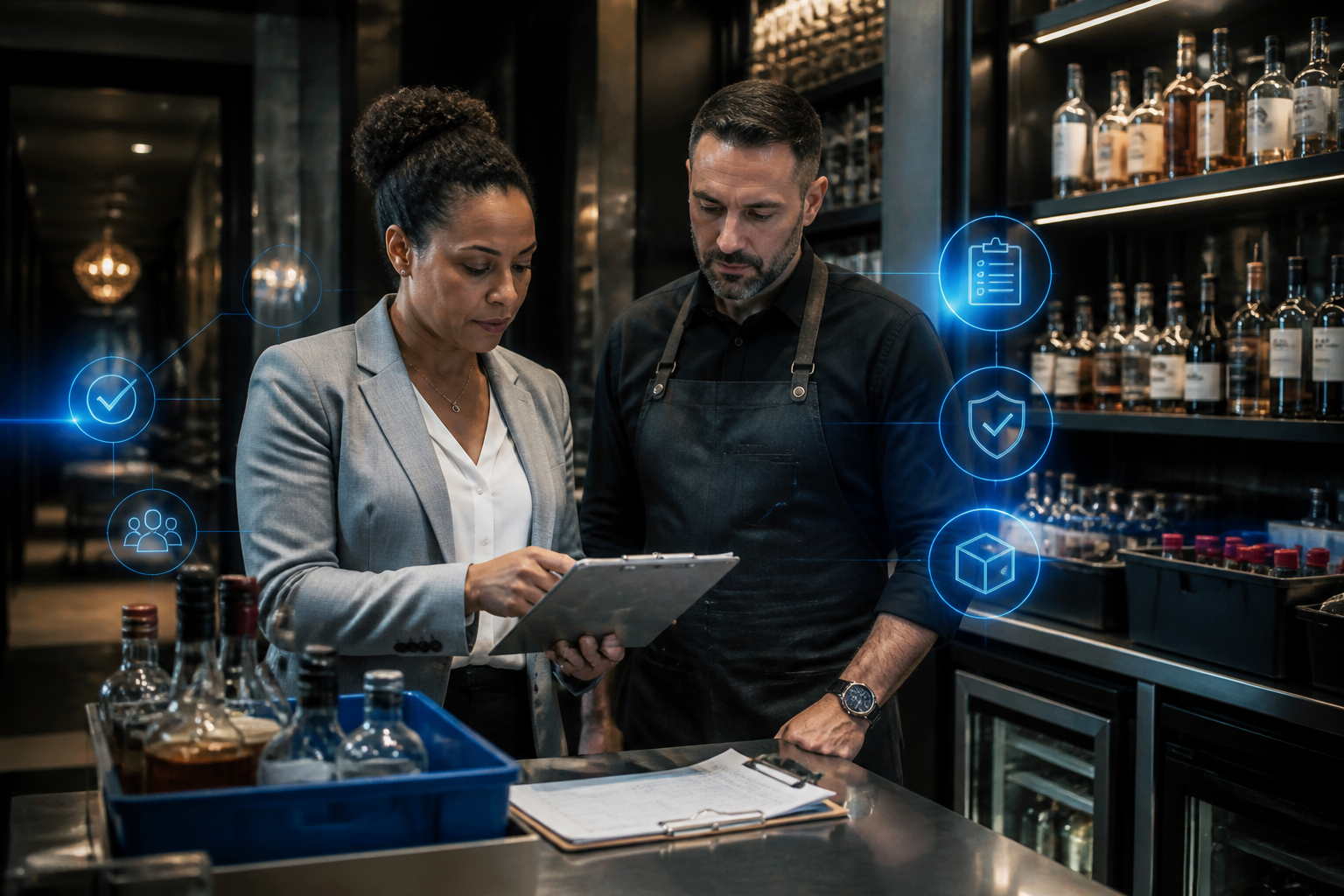
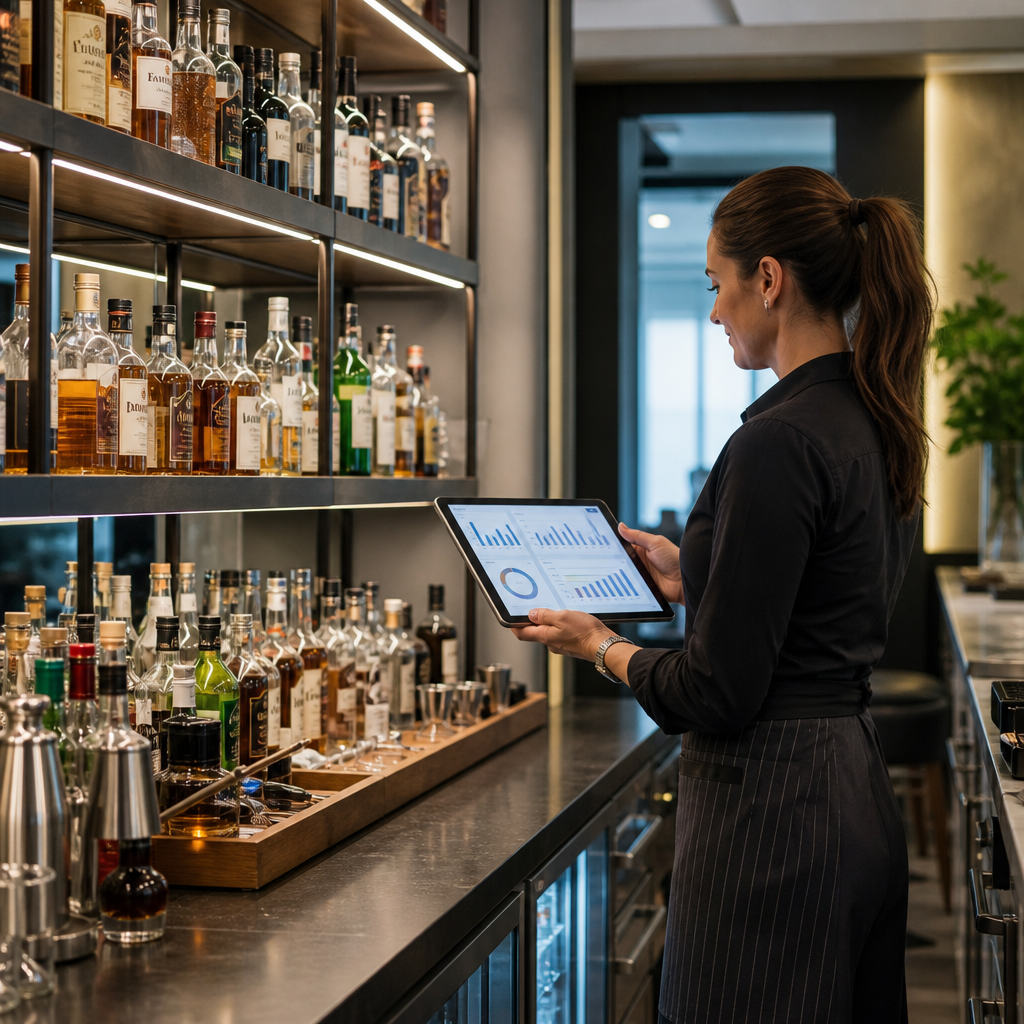
Traditional methods of tracking bottles—clipboards, spreadsheets, and manual counts—simply can't keep pace with the demands of modern beverage programs. These outdated approaches consume valuable staff hours, introduce human error, and provide data that's often days or weeks old by the time it's analyzed. The result? Missed opportunities for cost savings, difficulty identifying theft or over-pouring, and an inability to make data-driven purchasing decisions.The image depicts a sleek modern bar in a luxurious hotel illuminated by soft ambient lighting that highlights a wide array of premium spirits display-1

This is where sophisticated liquor inventory systems come into play. Modern hospitality inventory management solutions are transforming how venues of all sizes track, manage, and optimize their beverage programs. By leveraging technology to automate what was once a tedious manual process, hospitality teams can now gain real-time visibility into their operations, identify issues before they become costly problems, and focus their energy on what matters most: creating exceptional guest experiences.

Streamlining Operations for Neighborhood Bars and Independent Venues

For independent bars and small venues, every dollar counts. Owners and managers often wear multiple hats, juggling everything from staffing and customer service to vendor relationships and financial planning. In this environment, spending hours each week manually counting bottles and reconciling inventory isn't just tedious—it's a significant opportunity cost that takes valuable time away from growing the business.

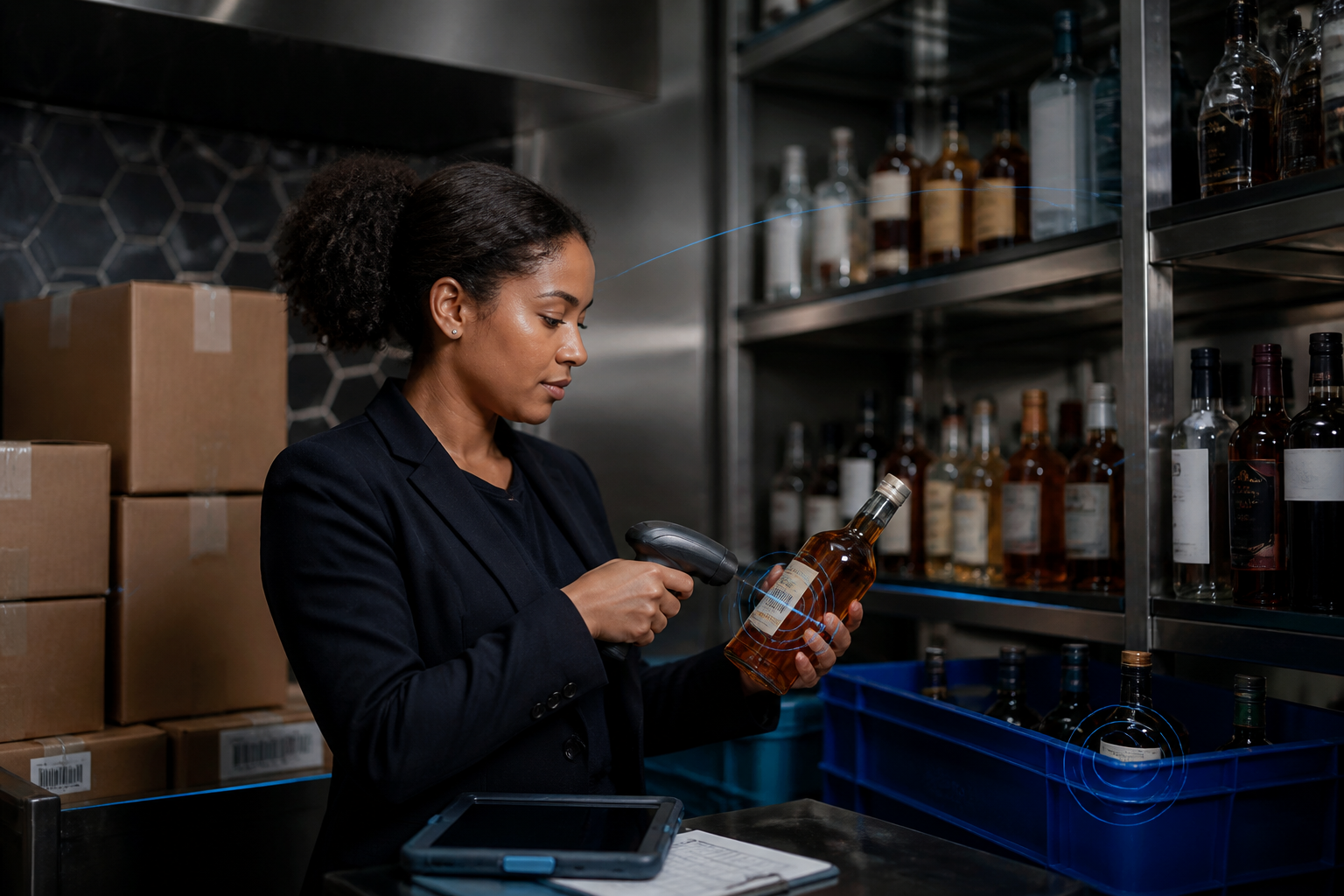
Scannabar offers neighborhood bars and independent venues a streamlined approach to restaurant inventory control that eliminates the guesswork and manual labor. With intuitive mobile scanning technology, a single staff member can complete a full inventory count in a fraction of the time it would take using traditional methods. Simply scan bottles using a smartphone or tablet, and the system automatically updates inventory levels, calculates variance, and identifies discrepancies.

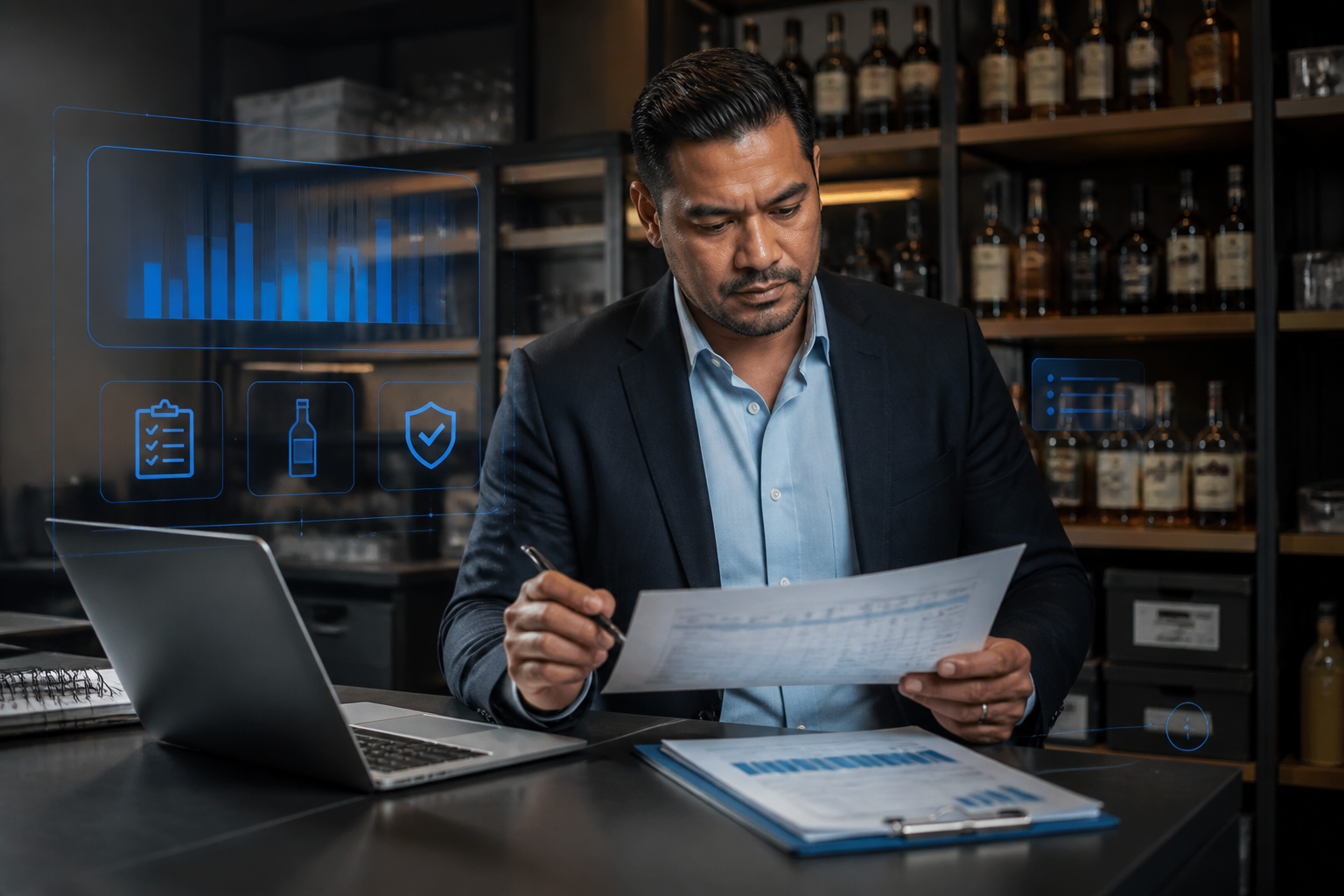
For smaller operations, the benefits extend beyond time savings. A robust liquor inventory system provides independent venues with professional-grade analytics that were once only accessible to larger operations. Track pour costs by bartender shift, identify your best-performing products, receive alerts when stock levels run low, and gain insights into consumption patterns that inform smarter ordering decisions. This level of visibility helps independent operators compete more effectively, reduce waste, and protect their bottom line.

Perhaps most importantly, implementing a modern inventory management solution allows small business owners to scale their operations confidently. Whether you're considering expanding hours, adding new menu items, or eventually opening a second location, having accurate, real-time data about your beverage program provides the foundation for sustainable growth.

Scaling Smart: How Restaurants and Multi-Location Concepts Leverage Scannabar

As restaurant groups and multi-location concepts grow, the complexity of beverage management grows exponentially. What works for a single location quickly becomes unmanageable across three, five, or ten venues. Different managers may use different processes, making it impossible to compare performance across locations or identify systemic issues. Variance in one location might indicate a training problem, while the same variance elsewhere could signal theft—but without standardized data, these patterns remain invisible.

Scannabar's hospitality inventory management platform is purpose-built for scaling operations. Multi-location concepts gain centralized visibility across their entire portfolio while maintaining the flexibility to manage each location's unique needs. Corporate teams can instantly compare pour costs, inventory turnover, and waste metrics across all venues, identifying best practices at top-performing locations and quickly addressing issues at underperforming sites.

The system's standardized processes ensure consistency across all locations, which is critical for restaurant inventory control at scale. Every manager follows the same inventory procedures, uses the same reporting metrics, and has access to the same analytical tools. This standardization doesn't just improve data quality—it also simplifies training, reduces errors, and makes it easier to transfer knowledge and best practices across the organization.

For restaurant groups, the ability to aggregate purchasing data across multiple locations unlocks significant cost savings. By understanding total consumption across all venues, operators can negotiate better pricing with distributors, optimize order timing to reduce delivery fees, and identify opportunities to standardize their product mix. The result is improved margins without sacrificing the quality or variety that guests expect.

Enterprise-Level Solutions for Hotels and Resort Properties

Hotel and resort properties face beverage management challenges on an entirely different scale. A single resort might operate multiple bars, restaurants, poolside service, room service, banquet operations, and minibar programs—each with its own inventory, staff, and operational requirements. Coordinating inventory across these diverse outlets while maintaining accurate records and preventing loss requires enterprise-grade hospitality inventory management solutions.

Scannabar provides hotels and resorts with the robust infrastructure needed to manage complex, multi-outlet beverage operations. The platform seamlessly integrates with property management systems and point-of-sale platforms, creating a unified ecosystem where data flows automatically between systems. This integration eliminates double-entry, reduces errors, and provides a complete picture of beverage operations across the entire property.

For hotel bar inventory specifically, the system offers sophisticated features designed for high-volume operations. Track transfers between outlets, manage centralized storage facilities, handle special event inventory separately from regular operations, and maintain detailed audit trails for compliance purposes. Real-time reporting allows beverage directors and controllers to monitor performance across all outlets simultaneously, identifying trends and issues as they emerge rather than discovering them weeks later during monthly reconciliation.

Enterprise properties also benefit from Scannabar's advanced analytics and forecasting capabilities. By analyzing historical consumption patterns alongside booking data and event schedules, the system can predict future inventory needs with remarkable accuracy. This predictive capability helps properties optimize stock levels—ensuring they never run out of guest favorites while avoiding the carrying costs and waste associated with overstocking. For large operations where beverage inventory can represent hundreds of thousands of dollars in capital, these optimizations deliver substantial financial benefits.

The scalability of a comprehensive liquor inventory system like Scannabar means it grows alongside the property. Whether managing a boutique hotel with a single bar or a sprawling resort with dozens of beverage outlets, the platform adapts to meet the organization's needs while maintaining the same level of accuracy, insight, and operational efficiency.

Real Results: Time Savings, Cost Reduction, and Profitability Gains

The true measure of any hospitality inventory management solution lies in its tangible impact on operations and profitability. Scannabar users consistently report dramatic improvements across key operational metrics. Inventory counts that once took 6-8 hours can now be completed in under an hour, freeing staff to focus on revenue-generating activities and guest service. This time savings alone often justifies the investment, but it's just the beginning.

Cost reduction represents another significant benefit. By identifying variance quickly and accurately, operators can address over-pouring, waste, and theft before they significantly impact the bottom line. Users typically report reducing their beverage cost percentage by 2-5 points within the first few months of implementation—a substantial improvement in one of hospitality's most challenging cost categories. For a venue with $500,000 in annual beverage sales, a 3-point reduction in pour cost translates to $15,000 in additional profit.

Beyond direct cost savings, the data-driven insights provided by modern restaurant inventory control systems enable smarter business decisions. Operators can identify their most profitable products and promote them more aggressively, eliminate slow-moving inventory that ties up capital, optimize menu pricing based on actual costs, and negotiate more effectively with suppliers using concrete consumption data. These strategic improvements compound over time, creating lasting competitive advantages.

Perhaps most valuable is the peace of mind that comes with accurate, real-time visibility into beverage operations. Operators no longer lie awake wondering where their inventory is going or whether their costs are out of control. With a robust liquor inventory system in place, they have the information they need to manage proactively, address issues quickly, and run their beverage programs with confidence. This operational clarity allows leadership to focus on growth, innovation, and guest experience—the activities that truly drive hospitality success.

From the smallest neighborhood bar to the largest resort property, Scannabar delivers measurable results that transform beverage operations. By combining intuitive technology with powerful analytics, the platform helps hospitality teams at every level run smarter, reduce costs, and maximize profitability—proving that effective inventory management isn't just an operational necessity, it's a strategic advantage.

Topics: liquor inventory, Scannabar Inventory system, liquor control, bar inventory app, liquor inventory app, Best Bar Inventory app, Best Liquor Inventory app, Scannabar inventory app, Restaurant Inventory app, Scannabar Inventory Software

Why Manual Inventory Counts Are Holding Your Bar Back

Posted by Nick Kaoukis on Wed, May, 13, 2026 @ 10:05 AM

Discover how outdated manual inventory practices are costing your bar time, money, and competitive advantage in today's fast-paced hospitality environment.

The Hidden Costs of Counting by Hand

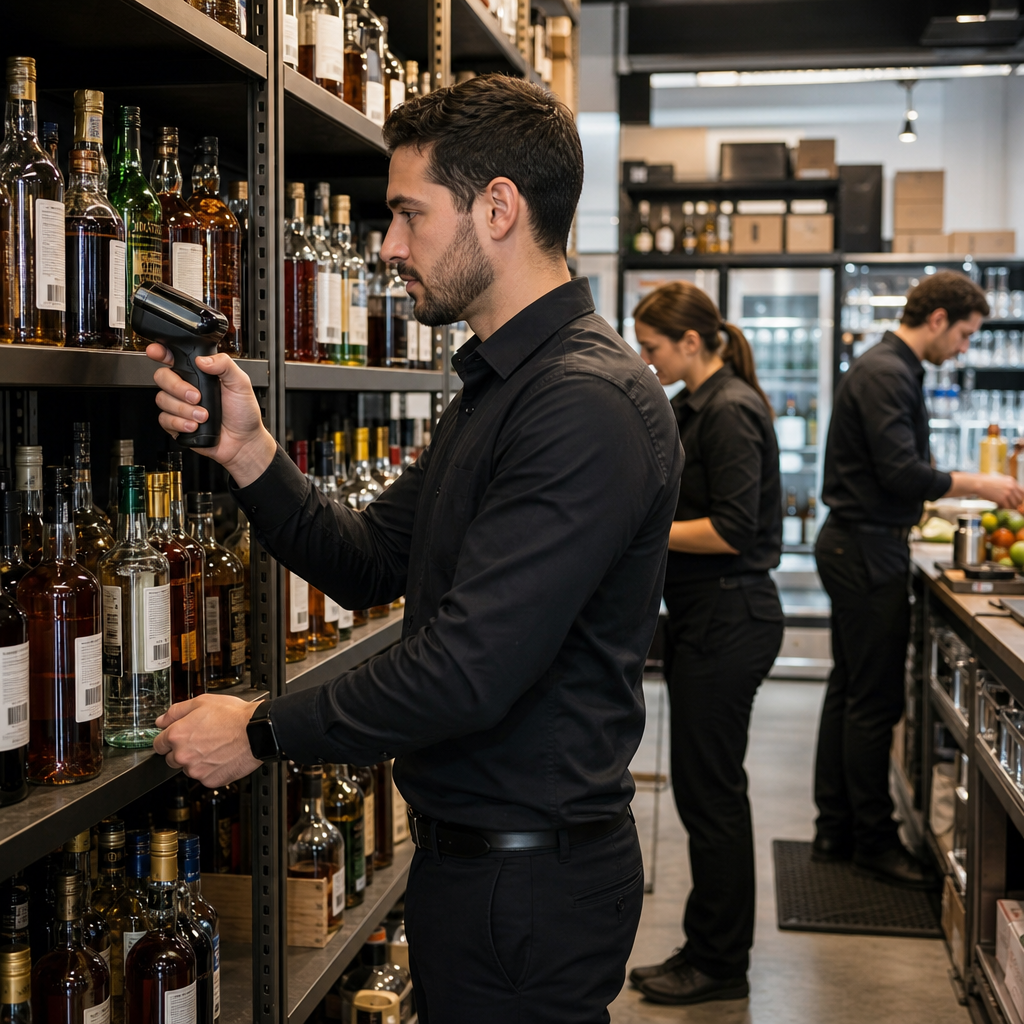
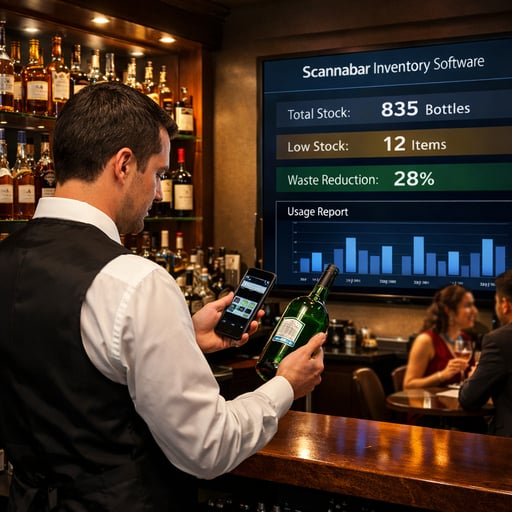
When you think about the cost of manual inventory counts, the first thing that comes to mind is probably labor hours. But the true expense goes far deeper than what you're paying your staff to physically count bottles. Manual inventory counts create a cascade of hidden costs that silently erode your profit margins month after month.Modern Bar with Automated Pour System and Colorful Liquor Display-1

Every hour your bartenders or managers spend counting bottles is an hour they're not engaging with customers, training staff, or focusing on revenue-generating activities. Beyond direct labor costs, manual counts often require you to conduct inventory during off-hours or when the bar is closed, potentially requiring overtime pay or pulling staff away from their primary responsibilities. Additionally, the physical strain of manually counting hundreds of bottles can lead to employee fatigue and burnout, increasing turnover rates in an industry already notorious for staffing challenges.

Perhaps the most insidious hidden cost is the opportunity cost of delayed decision-making. When your inventory data is days or weeks old by the time it's compiled and analyzed, you're essentially flying blind. You might be over-ordering products that aren't selling, missing out on popular items that could drive more revenue, or failing to catch theft and waste until it's too late to intervene. Bar inventory software eliminates these hidden costs by providing accurate, immediate data that empowers better business decisions.

How Human Error Drains Your Bottom Line

No matter how diligent your team is, human error is an inevitable part of manual inventory counts. A bartender counting bottles at the end of a long shift might miscount by a few units here and there, or accidentally skip a shelf entirely. Someone might record a number in the wrong column, transpose digits, or simply misread a label in poor lighting. These small mistakes compound quickly when you're managing hundreds of SKUs across spirits, beer, wine, and mixers.

The financial impact of these errors can be staggering. A study in the hospitality industry found that inventory inaccuracies can cost businesses between 1-3% of their total revenue. For a bar generating $500,000 annually, that's up to $15,000 disappearing due to counting mistakes alone. These errors create false shortages that lead to over-ordering, tying up valuable capital in excess inventory. Conversely, miscounts can result in stockouts of popular items during peak hours, directly impacting customer satisfaction and sales.

Manual inventory counts also make it nearly impossible to identify patterns of theft, over-pouring, or waste. When your baseline data is inaccurate, you can't reliably measure variance or investigate discrepancies. A liquor inventory app eliminates the guesswork by using barcode scanning, weight sensors, or other automated tracking methods that remove human error from the equation. With accurate data, you can finally pinpoint exactly where your inventory is going and take corrective action to protect your profits.

Time is Money: The Productivity Problem

Ask any bar manager how long it takes to complete a full manual inventory count, and you'll likely hear estimates ranging from 3 to 8 hours, depending on the size of the establishment. For many bars, this means dedicating an entire shift to inventory—typically after closing when staff are already exhausted. The process is tedious: walking through storage areas, counting bottles, recording numbers on clipboards or spreadsheets, then manually entering all that data into a computer system for analysis.

This time investment represents a massive drain on productivity and operational efficiency. Consider that most bars should be conducting inventory at least weekly, if not more frequently, to maintain accurate stock levels and quickly identify issues. That's potentially 32 hours per month dedicated solely to counting—time that could be spent improving bar operations efficiency through staff training, menu development, marketing initiatives, or simply providing better customer service during operating hours.

The productivity problem extends beyond the counting process itself. Once the manual count is complete, someone still needs to compile the data, calculate variances, identify reorder points, and generate reports for management review. This additional administrative work can add several more hours to the process. Modern bar inventory software reduces a task that once took hours down to mere minutes. With mobile apps that enable quick scanning and automatic calculations, your team can complete accurate inventory counts in a fraction of the time, freeing them up to focus on what really matters: creating exceptional experiences for your guests and growing your business.

Missing Out on Real-Time Data Insights

In today's data-driven business environment, making decisions based on week-old information is like driving while looking in the rearview mirror. Manual inventory counts are inherently backward-looking, providing a snapshot of what your stock levels were days ago rather than what they are right now. By the time you've completed your count, entered the data, and generated reports, the information is already outdated, and market conditions may have shifted dramatically.

Without real-time data insights, you're unable to respond quickly to emerging trends or sudden changes in demand. You can't immediately identify which cocktails are driving the most profit, which bottles are moving slowly and tying up capital, or which suppliers are consistently delivering quality products on time. You're also missing the ability to track pour costs accurately, compare actual usage against sales data to identify discrepancies, or monitor staff performance metrics that could reveal training opportunities or theft.

Bar inventory software transforms your operation from reactive to proactive by providing instant access to critical business intelligence. Real-time dashboards show you at a glance which items are running low, what your current pour costs are across different categories, and how today's sales compare to previous periods. You can set automatic reorder alerts so you never run out of best-selling items, track trends over time to optimize your menu offerings, and make data-driven purchasing decisions that maximize profitability. This level of insight simply isn't possible with manual inventory counts, putting bars that rely on outdated methods at a significant competitive disadvantage in an increasingly sophisticated market.

Making the Switch to Automated Inventory Management

Transitioning from manual inventory counts to automated systems might seem daunting, but the process is more straightforward than many bar owners imagine. Modern bar inventory software is designed with user-friendliness in mind, offering intuitive interfaces that require minimal training. The first step is selecting a solution that fits your specific needs—whether that's a comprehensive system that integrates with your POS and accounting software, or a streamlined liquor inventory app focused solely on tracking bottles and generating reports.

Implementation typically begins with an initial setup phase where you'll catalog all your products into the system, establish par levels for each item, and configure integrations with existing tools. Many software providers offer onboarding support to help you through this process, ensuring data accuracy from day one. Once configured, your staff can begin using mobile devices to scan barcodes or quickly input inventory levels, with the system automatically calculating variances, suggesting reorder quantities, and flagging potential issues for investigation.

The return on investment for bar inventory software is typically realized within just a few months. The combination of time savings, reduced errors, prevention of theft and waste, and optimized purchasing decisions creates multiple revenue streams that quickly offset the software subscription costs. Beyond the financial benefits, you'll notice improvements in staff morale as employees are freed from the tedium of manual counting, better supplier relationships through more accurate and timely ordering, and enhanced overall bar operations efficiency that positions your establishment for sustainable growth. The question isn't whether you can afford to invest in automated inventory management—it's whether you can afford to keep falling behind competitors who have already made the switch.

Topics: Bar inventory, free pour, Scannabar Inventory system, NightClub Management, Reducing Liquor Costs, Best Bar Inventory app, Best Liquor Inventory app, Cruise ship bar inventory, Country Club Liquor Inventory, Scannabar inventory app, Restaurant Inventory app, Scannabar Inventory Software

From Bottle To Bottom Line: How Better Inventory Tracking Improves Beverage Profitability

Posted by Nick Kaoukis on Fri, May, 08, 2026 @ 09:05 AM

Discover how implementing smart inventory tracking systems can transform your bar or restaurant's beverage program from a profit drain into a revenue powerhouse.

The Hidden Costs Lurking Behind Your Bar

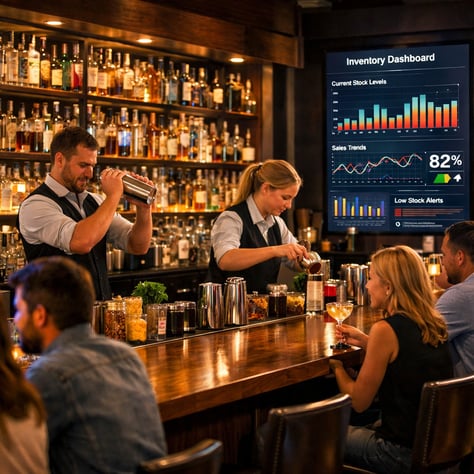
Walk into any bar or restaurant, and you'll see bottles lined up neatly on shelves, carefully arranged for both aesthetics and accessibility. But beneath that polished surface lies a profit-draining reality that most owners don't fully grasp: beverage inventory shrinkage represents one of the most significant, yet least visible, drains on profitability in the hospitality industry. Industry studies consistently show that bars and restaurants lose between 20-25% of their beverage revenue to various forms of waste, theft, over-pouring, and tracking errors.Bartender Crafting Cocktail at Trendy Bar

These hidden costs manifest in multiple ways. Over-pouring by well-intentioned bartenders can add up to thousands of dollars monthly. A heavy-handed pour that gives customers 1.75 ounces instead of the standard 1.5 ounces represents a 17% loss on every drink. Multiply that across hundreds of drinks per night, and the numbers become staggering. Then there's the spillage during busy service, the drinks that get remade due to customer complaints, and the bottles that mysteriously disappear during inventory counts.

Perhaps most insidious is the phenomenon of 'ghost inventory'—products you think you have but actually don't. Without accurate real-time tracking, managers order based on faulty data, leading to emergency orders at premium prices, stockouts of popular items during peak service, and capital tied up in slow-moving inventory. The result is a vicious cycle where profitability steadily erodes while owners struggle to identify exactly where the leaks are occurring.

Why Traditional Counting Methods Are Costing You Thousands

The weekly or monthly ritual of manual inventory counting is familiar to anyone who's managed a bar: staff members with clipboards, counting bottles, estimating partial fills, and spending hours tallying numbers. This time-honored tradition, while well-intentioned, is fundamentally flawed in ways that directly impact your bottom line. Human error is inevitable when counting hundreds of SKUs, especially after a long shift. Studies show that manual inventory counts typically have an error rate of 5-10%, which might not sound like much until you calculate what that means for a bar doing $50,000 in monthly beverage sales.

The infrequency of traditional counting creates another critical problem: by the time you identify a variance, the opportunity to address it has passed. If you count on the first of the month and discover significant shrinkage, you have no way of knowing whether the loss occurred during week one, two, three, or four. Was it a specific bartender's shift? A particular busy weekend? A delivery discrepancy? Without real-time data, these questions remain unanswered, and the problematic behaviors continue unchecked.

Traditional methods also fail to capture velocity data that's essential for smart purchasing and pricing decisions. You might know you go through ten bottles of a premium vodka per month, but do you know which days of the week drive that consumption? Which bartenders sell it most effectively? What mixers pair with it most frequently? This contextual information is gold for optimizing your beverage program, but clipboard counting simply can't capture it. The opportunity cost of these blind spots represents thousands in unrealized profit potential.

Smart Technology Solutions That Pay For Themselves

Modern inventory tracking technology has revolutionized beverage management, with solutions like Scannabar leading the charge by transforming how establishments monitor and optimize their bar operations. These systems leverage barcode scanning, weight sensors, and cloud-based analytics to provide real-time visibility into every aspect of beverage inventory. Instead of spending hours counting bottles, staff can scan items in seconds, automatically updating inventory levels, tracking consumption patterns, and flagging variances instantly.

The return on investment for these systems is remarkably fast. Consider a typical scenario: a mid-sized restaurant with $30,000 in monthly beverage sales experiencing the industry-average 23% shrinkage is losing $6,900 per month. Implementing a comprehensive tracking system like Scannabar typically costs between $200-500 monthly, depending on the size and complexity of the operation. If the system reduces shrinkage by even half—bringing it down to 11.5%—the establishment recovers $3,450 monthly while investing just a fraction of that in the technology. That's a payback period measured in weeks, not years.

Beyond direct shrinkage reduction, smart tracking systems deliver multiple additional benefits that compound profitability. Automated par level alerts prevent stockouts of high-margin items and eliminate emergency orders at premium prices. Detailed consumption analytics reveal which products drive the most profit per square inch of shelf space, enabling data-driven menu optimization. Integration with POS systems creates accountability by comparing sales data with pour data, identifying discrepancies immediately. Some establishments report that the accountability factor alone—simply letting staff know everything is tracked—reduces variance by 15-20% within the first month of implementation.

The technology also transforms purchasing from a reactive scramble into a strategic advantage. With accurate velocity data and predictive analytics, managers can negotiate better pricing through optimized order timing and quantities. They can identify slow-moving inventory before it becomes dated or expired, implement early promotional pricing to move it, and make room for higher-margin alternatives. These incremental improvements across dozens of line items create a cumulative effect that significantly enhances overall beverage profitability.

Real-World Success Stories: Restaurants That Increased Profit Margins

The theoretical benefits of better inventory tracking become tangible when examining real-world implementations. A mid-sized gastropub in Portland, Oregon, implemented comprehensive beverage tracking after years of frustration with inconsistent margins. Within 90 days, they documented a 19% reduction in beverage costs as a percentage of sales. The system quickly identified that their craft cocktail program—previously thought to be highly profitable—was actually underperforming due to over-pouring of premium spirits and inconsistent recipe execution. With real-time tracking and staff accountability, they standardized recipes, reduced waste, and increased their cocktail program's contribution margin by 12 percentage points.

A restaurant group operating five locations across the Southwest implemented Scannabar's tracking system chain-wide and discovered significant location-to-location variances that manual counting had never revealed. Their highest-volume location was actually their least profitable from a beverage perspective, with shrinkage rates nearly double the company average. The tracking data pinpointed specific shifts and service periods where losses concentrated, leading to targeted training and management changes. Within six months, they brought that location's performance in line with company standards, effectively recovering over $4,000 monthly in previously lost revenue from just that one site.

Perhaps most compelling is the story of an upscale hotel bar that struggled with premium spirit inventory management. With hundreds of high-value bottles—some costing $200-500 per bottle—even small variances represented substantial losses. After implementing smart tracking technology, they discovered that nearly 30% of their shrinkage came from just 15 SKUs, all premium offerings. The visibility allowed them to implement bottle-level security measures for those specific items, create special handling protocols, and use data to identify when consumption patterns deviated from sales data. The result was a 27% reduction in total shrinkage and a complete transformation of their premium spirits program from a loss leader to a profit center, adding over $35,000 annually to their bottom line.

Building Your Action Plan For Better Beverage Management

Transforming your beverage operation starts with acknowledging where you currently stand. Begin by conducting a comprehensive audit of your existing inventory practices. How often do you count? What's your current variance rate? How long does the counting process take, and what's the labor cost associated with it? Document your current beverage cost percentage and establish baseline metrics. Many operators resist this step because confronting the reality can be uncomfortable, but you can't improve what you don't measure.

Next, evaluate technology solutions based on your specific operational needs. Not all establishments require the same level of sophistication. A high-volume nightclub with hundreds of transactions per hour has different requirements than a wine-focused restaurant with a curated selection. Look for systems that integrate with your existing POS, offer intuitive interfaces that won't require extensive training, and provide the specific analytics most relevant to your operation. Request demos, talk to current users in similar operations, and pay particular attention to ongoing support and training offerings. The best technology is worthless if your team won't use it consistently.

Implementation success depends heavily on change management and team buy-in. Introduce the new system transparently, explaining that the goal is operational improvement, not catching staff doing something wrong. Involve your bartenders and servers in the process, soliciting their input on pain points in the current system and features they'd find valuable. Create clear protocols for how and when tracking occurs, integrate it seamlessly into existing workflows, and celebrate early wins. When staff see how accurate data helps them manage their sections better, prevents embarrassing stockouts, and creates fair accountability, resistance typically transforms into advocacy.

Finally, commit to using the data the system generates. The most sophisticated tracking solution provides no value if the resulting insights don't drive decisions. Establish a regular cadence—weekly is ideal—for reviewing key metrics: shrinkage rates, velocity by category, variance by shift or bartender, and margin performance by item. Use these insights to refine your beverage menu, adjust pricing, optimize purchasing, and provide targeted coaching. Track your improvement over time, quantifying the financial impact. Most operators who fully embrace data-driven beverage management report that within six months, they can't imagine running their operation any other way—the visibility and control become indispensable tools for protecting and growing profitability.

Topics: bar inventory app, liquor inventory app, Best Bar Inventory app, Best Liquor Inventory app, wine inventory app, Scannabar inventory app, Resaurant Inventory app, Restaurant Inventory app

Boosting Bar Inventory Accuracy with Scannabar

Posted by Nick Kaoukis on Mon, Apr, 27, 2026 @ 09:04 AM

Modern Bar with TechIntegrated Cocktails and Vibrant AtmosphereDiscover how Scannabar's cutting-edge technology eliminates costly inventory errors and transforms bar management into a streamlined, profit-boosting operation.
The Hidden Costs of Inaccurate Bar Inventory

As a bar manager, I've seen firsthand how inventory inaccuracies can silently drain profits from even the most successful establishments. Every missed bottle, over-poured drink, or miscounted stock item represents money walking out the door. The average bar loses between 20-25% of its profits due to inventory shrinkage, theft, and poor management practices. These aren't just numbers on a spreadsheet—they're real dollars that could be reinvested in your business, your staff, or your bottom line.

Beyond the direct financial losses, inaccurate inventory creates a cascade of operational problems. You might run out of popular items during peak hours, disappointing customers and losing sales. Over-ordering leads to expired products and wasted capital tied up in excess stock. Your staff wastes valuable time manually counting bottles and reconciling discrepancies, time they could spend providing exceptional customer service. The stress and guesswork of traditional inventory methods also contribute to staff burnout and turnover.

Perhaps most damaging is the inability to make informed business decisions. Without accurate data, you're flying blind when it comes to pricing strategies, menu optimization, and vendor negotiations. You can't identify your most profitable items or spot trends before they impact your revenue. In today's competitive hospitality landscape, operating without precise inventory insights isn't just inefficient—it's a recipe for failure.

How Scannabar Revolutionizes Inventory Management

After struggling with traditional inventory methods for years, I discovered Scannabar, and it completely transformed how we manage our bar operations. Unlike conventional systems that rely on manual counting and clipboards, Scannabar uses cutting-edge barcode scanning technology paired with intelligent software that was specifically designed for the unique challenges of bar inventory management. The system recognizes thousands of products instantly, eliminating the tedious task of manually recording each bottle.

What sets Scannabar apart from other inventory solutions is its intuitive design built by people who actually understand bar operations. The mobile app integrates seamlessly with your existing POS system, creating a unified ecosystem that tracks every pour from purchase to sale. The learning curve is minimal—my team was up and running within a single shift. The interface is clean, fast, and designed for the fast-paced bar environment where every second counts.

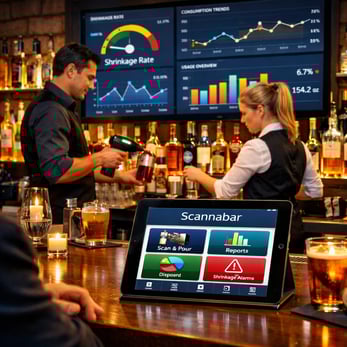
Scannabar also provides powerful analytics and reporting features that give managers unprecedented visibility into their operations. Customizable dashboards show real-time data on pour costs, velocity reports, variance analysis, and profitability by item. You can instantly see which cocktails are your best performers and which ingredients are disappearing faster than they should. The system generates automated reports that used to take hours to compile manually, freeing up management time for more strategic activities.

Real-Time Tracking That Puts Money Back in Your Pocket

The game-changer with Scannabar is the real-time visibility it provides into your inventory. Instead of discovering discrepancies days or weeks later during a manual count, you know exactly what's happening in your bar at any given moment. When a bottle is scanned into inventory, it's immediately reflected in the system. When it's poured and rung through your POS, the system automatically updates. This continuous monitoring creates an unprecedented level of accountability and control.

Real-time tracking has directly improved our profit margins in measurable ways. We've reduced our pour cost by 3-4 percentage points since implementing Scannabar, which translates to thousands of dollars monthly. We can now identify discrepancies immediately and address them before they become major losses. If a bottle goes missing or there's an unusual variance, we know about it right away—not at the end of the month when memories have faded and the trail has gone cold.

The financial benefits extend beyond just preventing losses. With accurate, real-time data, we've optimized our ordering processes to maintain ideal stock levels—enough to meet demand without tying up excessive capital in inventory. We've negotiated better pricing with vendors because we have precise data on our consumption patterns. We've also used the insights to redesign our menu, promoting high-margin items and eliminating underperformers. These strategic decisions, powered by Scannabar's real-time data, have significantly improved our overall profitability.

Reducing Waste and Preventing Theft with Smart Technology

One of the most powerful aspects of Scannabar is how it naturally reduces both waste and theft without creating an oppressive workplace environment. The simple knowledge that every bottle is tracked and every variance is visible creates a culture of accountability. Staff members know their pours are monitored, which dramatically reduces over-pouring and unauthorized drinks. We've seen our liquor shrinkage drop by over 60% since implementation—and we accomplished this without becoming the inventory police.

The system's variance reports are particularly valuable for identifying patterns that indicate problems. If a particular bartender consistently shows higher variance on premium spirits, we can provide targeted training or investigate further. If waste is unusually high during certain shifts, we can examine what's happening during those times. This granular visibility allows us to address issues professionally and constructively rather than making blanket accusations that damage morale.

Scannabar also helps us minimize waste from expired products and over-ordering. The system alerts us when items are approaching their expiration dates, so we can feature them in promotions or rotate stock appropriately. The historical data helps us forecast demand more accurately, so we're not stuck with cases of seasonal items that don't sell. We've reduced our inventory waste by approximately 40%, which not only saves money but also aligns with our sustainability commitments. In an industry where margins are tight, eliminating this waste has been a significant competitive advantage.

Implementing Scannabar for Maximum ROI

Based on my experience implementing Scannabar across multiple locations, I can confidently say the key to maximum ROI is proper onboarding and team buy-in. Start by clearly communicating to your staff why you're implementing the system—frame it as a tool that makes their jobs easier and protects them from false accusations, not as a surveillance mechanism. Involve your key team members in the setup process so they feel ownership over the new system. Scannabar's customer support team is exceptional and will guide you through the initial setup, but internal champions make all the difference in long-term adoption.

During the first few weeks, focus on consistency rather than perfection. Make scanning every bottle a non-negotiable habit, even if the process feels slow initially. Schedule brief daily check-ins to review the data with your team, celebrating successes like reduced variance and using discrepancies as learning opportunities. As your team becomes comfortable with the basic functions, gradually introduce the more advanced features like custom reports and automated alerts. This phased approach prevents overwhelm and builds confidence.

The financial return on investment speaks for itself. Most bars see the system pay for itself within 2-3 months through reduced shrinkage alone—everything after that is pure profit improvement. Beyond the direct cost savings, consider the value of the time you'll save on inventory counts, the strategic insights that drive better business decisions, and the peace of mind from knowing exactly what's happening in your bar. After using Scannabar for over two years, I can't imagine managing a bar without it. It's not just better than other inventory systems—it's in a completely different league. If you're serious about profitability and operational excellence, Scannabar isn't just a good choice; it's the only choice.

Topics: Restaurant Inventory, Scannabar Inventory system, Best Bar Inventory app, Best Liquor Inventory app, Cruise ship bar inventory, Country Club Liquor Inventory, Scannabar inventory app, Resaurant Inventory app, Restaurant Inventory app, Scannabar Inventory Software

Reduce Bar Shrinkage with Scannabar Liquor Inventory App

Posted by Nick Kaoukis on Fri, Mar, 27, 2026 @ 09:03 AM

Discover how smart liquor inventory management can stop profit losses and transform your bar's bottom line with real-time tracking technology.

Understanding Bar Shrinkage and Its Impact on Your Profits

Bar shrinkage is one of the most significant yet often overlooked challenges facing bar and restaurant owners today. Industry studies reveal that the average bar experiences shrinkage rates between 20-25% of total inventory, which translates to thousands of dollars in lost revenue each month. This silent profit killer encompasses theft by staff or customers, over-pouring by bartenders, spillage, improper recording of comped drinks, and unauthorized consumption. When you consider that liquor typically carries some of the highest profit margins in the hospitality industry, even a modest reduction in shrinkage can dramatically improve your bottom line.The image depicts a modern bar setting featuring a sleek and polished wooden bar counter filled with an array of colorful liquor bottles each illumina

The financial impact of bar shrinkage extends beyond just the cost of the missing alcohol. When inventory goes unaccounted for, it creates a ripple effect throughout your entire operation. Your pour costs become inflated, making it difficult to accurately price menu items and maintain healthy profit margins. You lose the ability to make informed purchasing decisions, often leading to over-ordering some products while running out of others. Perhaps most concerning is that without visibility into where your inventory is going, you cannot identify problem areas or hold staff accountable for their performance.

Many bar owners accept shrinkage as an inevitable cost of doing business, but this mindset leaves money on the table. The reality is that with modern technology and proper inventory management systems, the majority of shrinkage is preventable. Understanding the true cost of shrinkage to your business is the first step toward taking control of your inventory and protecting your profits. By implementing a comprehensive tracking solution, bars can typically reduce shrinkage to 5% or less, representing a substantial increase in profitability without increasing sales volume.

How Scannabar's Technology Tracks Every Pour and Prevents Loss

Scannabar leverages cutting-edge technology to bring unprecedented accuracy and accountability to liquor inventory management. At its core, the system uses barcode scanning and sophisticated algorithms to track every bottle from the moment it enters your establishment until the last drop is poured. Unlike traditional manual counting methods that are time-consuming and prone to human error, Scannabar creates a digital record of each transaction, providing a clear audit trail that makes discrepancies immediately visible. The app's intuitive interface allows bartenders and managers to quickly scan bottles using a smartphone or tablet, recording additions, depletions, and transfers in real-time.

What sets Scannabar apart is its ability to measure inventory at a granular level. The system can track bottles down to the ounce, comparing actual consumption against point-of-sale data to identify variances. When a bartender rings up a vodka soda, Scannabar knows exactly how much vodka should have been used. If the physical inventory shows more depletion than the sales data supports, the system flags this discrepancy for investigation. This level of precision transforms inventory management from guesswork into an exact science, making it virtually impossible for losses to go unnoticed.

The technology also includes features specifically designed to prevent the most common sources of shrinkage. Customizable pour standards ensure consistency across all bartenders, while alerts notify managers when bottles are accessed outside of normal business hours or when depletion patterns seem unusual. The system integrates seamlessly with existing POS systems, creating a closed-loop tracking environment where every bottle is accounted for from delivery to disposal. This comprehensive approach doesn't just identify where shrinkage is occurring—it actively prevents it from happening in the first place.

Real-Time Inventory Visibility That Stops Theft and Over-Pouring

One of Scannabar's most powerful features is its real-time inventory visibility, which gives managers immediate insight into what's happening with their liquor stock at any moment. Gone are the days of waiting until the end of the week or month to discover that inventory is missing. With Scannabar's dashboard, you can check current stock levels, monitor consumption patterns, and identify anomalies as they occur. This immediate visibility acts as a powerful deterrent to theft because staff members know that inventory is being closely monitored and that discrepancies will be quickly detected and traced back to specific shifts or individuals.

Over-pouring is another major contributor to bar shrinkage, often accounting for 10-15% of total losses. While sometimes done unintentionally due to lack of training or poor measuring techniques, over-pouring can also be a deliberate strategy by bartenders to increase tips or favor certain customers. Scannabar combats this by establishing baseline consumption rates for each drink on your menu and comparing actual usage against these standards. When a bartender consistently uses more liquor than the recipes call for, the system identifies this pattern and alerts management. This data-driven approach removes the guesswork from performance evaluation and provides concrete evidence for coaching conversations.

The real-time aspect of Scannabar also enables proactive management rather than reactive problem-solving. If you notice that a particular bottle or brand is depleting faster than sales data suggests it should, you can investigate immediately rather than discovering the issue weeks later when memories have faded and evidence has disappeared. You can also use the visibility to optimize your operations in other ways, such as identifying slow-moving products that tie up capital, recognizing trending items that deserve more prominent placement, and ensuring that high-value bottles are properly secured and monitored.

Streamlining Your Bar Operations with Automated Inventory Counts

Traditional manual inventory counting is one of the most dreaded tasks in bar management. It typically requires closing the bar or having staff arrive hours before opening to painstakingly measure and record each bottle. The process is tedious, time-consuming, and highly susceptible to errors. Bartenders often rush through counts to get back to more lucrative activities, leading to inaccurate data that undermines the entire purpose of tracking inventory. Scannabar revolutionizes this process by automating and simplifying inventory counts to the point where they can be completed in a fraction of the time with exponentially greater accuracy.

With Scannabar's mobile app, conducting an inventory count is as simple as walking through your bar and scanning bottle barcodes. The system automatically records the bottle identification and prompts the user to quickly weigh or estimate the remaining contents. Advanced features like weight-based measurement tools can provide precision down to the tenth of an ounce. What once took 2-3 hours can now be completed in 20-30 minutes, and the data is immediately available for analysis rather than requiring manual entry into spreadsheets. This efficiency means you can count inventory more frequently—daily or even multiple times per shift—providing much more granular data for decision-making.

The automation extends beyond just the counting process. Scannabar generates comprehensive reports that analyze your inventory data, calculate pour costs, identify variance trends, and provide actionable insights without requiring manual calculations. The system can automatically reorder products when stock falls below predetermined levels, ensuring you never run out of popular items while avoiding overstock situations. By eliminating the administrative burden of inventory management, Scannabar frees up your management team to focus on customer service, staff development, and other activities that directly impact the guest experience and drive revenue. The time savings alone often justify the investment in the system, with the shrinkage reduction providing additional return on investment.

Proven ROI: Success Stories from Bars Using Scannabar

The true measure of any business tool is the return on investment it delivers, and Scannabar has compiled an impressive track record of helping bars dramatically improve their profitability. Consider the case of a mid-sized restaurant and bar that was experiencing shrinkage rates of approximately 22% before implementing Scannabar. Within the first three months of using the system, they reduced shrinkage to 8%, and after six months, they maintained a consistent 5% shrinkage rate. For this establishment with monthly liquor sales of $40,000, the reduction represented approximately $6,800 in recovered profit every month—over $81,000 annually. The system paid for itself within the first month, and everything beyond that was pure profit improvement.

Beyond the direct financial impact, many Scannabar users report significant operational improvements that contribute to overall business success. A high-volume nightclub in a major metropolitan area noted that inventory counts that previously took their management team four hours every Monday morning now take just 45 minutes. This time savings allowed the manager to focus on staff training and customer service initiatives that further improved the business. Additionally, the accountability created by the system led to improved staff behavior across the board. Bartenders became more conscious of their pouring practices, and the few employees who were contributing to shrinkage through theft either corrected their behavior or were identified and terminated.

Perhaps most compelling are the stories from bar owners who were struggling with profitability and considering closing their businesses. One family-owned tavern had been operating at break-even for nearly two years, with the owners unable to identify why their profit margins were so much lower than industry standards despite healthy sales volumes. After implementing Scannabar, they discovered that a combination of over-pouring, poor inventory practices, and employee theft was costing them over $4,000 per month. Within six months of addressing these issues with the help of the system, the bar returned to profitability, and the owners were able to invest in facility improvements and marketing that further grew their business. These success stories demonstrate that Scannabar isn't just an expense—it's an investment that pays dividends through reduced losses, improved efficiency, and better decision-making capabilities.

Topics: Restaurant Inventory, Scannabar Inventory system, Best Bar Inventory app, Best Liquor Inventory app, Scannabar inventory app, Resaurant Inventory app, Restaurant Inventory app, Scannabar Inventory Software

Boost Hospitality Inventory Accuracy with POS and Inventory Integration

Posted by Nick Kaoukis on Mon, Mar, 16, 2026 @ 09:03 AM

The image features a modern restaurant kitchen bustling with activity In the foreground a chef in a white uniform expertly prepares dishes surroundedDiscover how integrating your POS system with inventory management can eliminate costly errors, reduce waste, and transform your hospitality business into a data-driven operation.


Why Inventory Accuracy Makes or Breaks Hospitality Businesses

In the fast-paced world of hospitality, inventory accuracy isn't just a nice-to-have—it's the foundation of profitability. Every dish served, every drink poured, and every ingredient used represents a direct impact on your bottom line. When inventory counts are off, even by small margins, the ripple effects can be devastating. Restaurants operating with inaccurate inventory data face challenges ranging from unexpected stockouts during peak service hours to overordering that leads to spoilage and waste.

The hospitality industry operates on notoriously thin profit margins, typically ranging from 3-5% for restaurants. In this environment, even minor inventory discrepancies can mean the difference between profit and loss. Consider a restaurant that experiences just 2% inventory shrinkage due to tracking errors—for a business with $1 million in annual revenue, that's $20,000 in lost profits. Multiply this across multiple locations or over several years, and the financial impact becomes staggering.

Beyond the immediate financial implications, inventory accuracy affects every aspect of your operation. It determines whether you can fulfill customer orders reliably, influences menu pricing decisions, impacts staff productivity, and shapes your reputation in the market. When your inventory data is unreliable, you're essentially flying blind, making critical business decisions based on incomplete or incorrect information. In today's competitive hospitality landscape, this disadvantage can be fatal to long-term success.

The Hidden Costs of Manual Inventory Tracking

Manual inventory tracking remains surprisingly common in the hospitality industry, but its true cost extends far beyond the obvious labor hours. When staff members spend time counting stock with clipboards and spreadsheets, they're not only investing valuable time—they're introducing countless opportunities for human error. Transcription mistakes, miscounts, forgotten items, and calculation errors accumulate quickly. Studies show that manual inventory processes can have error rates as high as 20-30%, creating a cascading effect of operational problems.

The labor costs associated with manual inventory management are substantial and often underestimated. A typical restaurant might require 5-10 hours per week for inventory counts, costing thousands of dollars annually in staff wages. But the real cost comes from the inefficiency: employees conducting manual counts aren't engaging with customers, preparing food, or performing other revenue-generating activities. During these counting periods, productivity drops across the entire operation as managers focus on tedious administrative tasks rather than strategic initiatives that drive growth.

Perhaps most damaging are the opportunity costs and decision-making delays that manual systems create. Without real-time inventory data, managers can't respond quickly to emerging trends, sudden demand shifts, or supply chain disruptions. By the time weekly or monthly inventory counts are completed and analyzed, the insights they provide are already outdated. This lag in information means missed opportunities to optimize purchasing, adjust menu offerings, or prevent costly stockouts. Additionally, manual systems make it nearly impossible to track key metrics like inventory turnover rates, COGS percentages, or variance analysis with any meaningful accuracy.

The stress and employee dissatisfaction generated by manual inventory processes shouldn't be overlooked either. Staff often view inventory counts as the worst part of their job—tedious, time-consuming, and unrewarding. This can contribute to higher turnover rates in an industry already struggling with employee retention. When team members are frustrated by outdated systems and inefficient processes, it affects morale, service quality, and ultimately, the customer experience.

How POS and Inventory Integration Creates Real-Time Visibility

Integrating your POS system with inventory management software creates a seamless flow of data that transforms how you operate. Every time a server rings up an order, the system automatically deducts the corresponding ingredients from inventory counts. When a bartender makes a cocktail, the rum, lime juice, and simple syrup are instantly tracked. This real-time synchronization means your inventory levels are continuously updated without any manual intervention, providing an accurate picture of your stock at any given moment.

The power of real-time visibility cannot be overstated. Managers can log into the system from anywhere—whether they're in the office, at home, or visiting another location—and see exactly what's in stock, what's running low, and what needs to be ordered. This eliminates the anxiety of wondering whether you'll run out of key ingredients during dinner service or whether you're sitting on excessive inventory that's tying up cash. Push notifications and automated alerts can warn you when items approach reorder points, ensuring you never face embarrassing stockouts or have to send servers to nearby stores for emergency purchases.

Integration also enables sophisticated recipe costing and menu engineering that would be impossible with manual systems. When your POS knows the exact recipe for each menu item—down to the precise quantity of every ingredient—it can automatically calculate theoretical usage and compare it against actual consumption. This variance analysis reveals potential issues like over-portioning, theft, spillage, or recipe inconsistencies. If your filet mignon sales should have used 50 pounds of beef but your inventory shows 55 pounds were depleted, you immediately know there's a 5-pound discrepancy to investigate.

The data generated by integrated systems unlocks powerful business intelligence that drives smarter decision-making. You can analyze which menu items are most profitable, not just in terms of price, but considering actual ingredient costs and inventory turnover. You can identify seasonal trends, predict future demand with greater accuracy, and optimize your purchasing strategy. Historical data helps you understand which suppliers provide the best value, which items have the longest shelf life, and how to minimize waste while maximizing freshness.

Key Features to Look for in an Integrated System

When evaluating POS and inventory integration solutions, recipe management capabilities should be at the top of your checklist. The system should allow you to build detailed recipes that break down every menu item into its component ingredients, including precise quantities and units of measure. This feature becomes the foundation for accurate inventory tracking, as each sale automatically deducts the correct amounts from stock. Look for systems that support sub-recipes (components used across multiple dishes) and can handle various units of measurement, converting between pounds, ounces, liters, and individual units seamlessly.

Automated purchasing and vendor management features can dramatically streamline your procurement process. The best integrated systems generate purchase orders automatically based on par levels, reorder points, and predicted demand. They should maintain a database of your vendors with pricing information, lead times, and ordering minimums. When it's time to place an order, the system can suggest optimal quantities, compare prices across suppliers, and even send purchase orders electronically. Upon receiving shipments, staff should be able to check in inventory quickly using mobile devices or barcode scanners, instantly updating stock levels.

Comprehensive reporting and analytics capabilities separate good systems from great ones. Look for platforms that offer customizable dashboards displaying key metrics like inventory value, turnover rates, cost of goods sold, and variance reports. The system should track inventory movement patterns, showing which items are fast-moving versus slow-moving, helping you optimize your stock mix. Waste tracking features are essential for identifying where food costs are being lost—whether through spoilage, over-portioning, or preparation errors. The ability to drill down into data by location, time period, category, or individual item provides the insights needed for continuous improvement.

Multi-location support and mobile accessibility are increasingly important features in today's hospitality environment. If you operate multiple restaurants, bars, or hotels, your integrated system should provide consolidated reporting across all locations while allowing site-specific inventory management. Cloud-based solutions with mobile apps enable managers to perform inventory counts, check stock levels, approve purchase orders, and review reports from their smartphones or tablets. This flexibility supports the reality of modern restaurant management, where decisions often need to be made outside traditional office hours and locations.

Implementing Integration for Maximum ROI and Efficiency

Successful implementation of POS and inventory integration begins with thorough preparation and planning. Start by conducting a complete audit of your current processes, identifying pain points, inefficiencies, and specific goals you want to achieve. Assemble a project team that includes representatives from management, kitchen staff, front-of-house personnel, and accounting. This cross-functional approach ensures all perspectives are considered and increases buy-in across your organization. Set clear, measurable objectives—whether that's reducing food costs by 3%, cutting inventory counting time by 75%, or achieving 98% inventory accuracy.

Data migration and initial setup require careful attention to detail. You'll need to build your complete ingredient database, entering each item with accurate names, units of measure, pack sizes, and current costs. Creating recipes for every menu item is time-intensive but critical—this is where the accuracy of your entire system is established. Many businesses underestimate the time required for this phase, so budget adequate resources. Consider starting with your highest-volume or highest-cost items first, allowing you to see ROI more quickly while spreading out the workload. Some integration providers offer setup assistance or data entry services that can accelerate this process.

Training is perhaps the most overlooked aspect of implementation, yet it's crucial for success. Every team member who interacts with the system needs proper training tailored to their role. Kitchen staff must understand how to record waste and transfers, servers need to know how their order entry affects inventory, and managers require comprehensive training on reporting and analysis tools. Don't rely solely on one-time training sessions—provide ongoing education through quick-reference guides, video tutorials, and refresher sessions. Designate system champions within each department who can help troubleshoot issues and reinforce best practices.

Once your integrated system is live, establish regular processes for monitoring, maintenance, and optimization. Schedule periodic physical inventory counts to verify system accuracy and identify any discrepancies. Review variance reports weekly to catch issues early, whether they're data entry errors, theft, or process problems. Continuously refine your recipes as you introduce menu changes or discover more accurate measurements. Hold monthly meetings to review key metrics, celebrate improvements, and identify new opportunities for efficiency gains. The integration between your POS and inventory systems isn't a one-time project—it's an ongoing journey toward operational excellence that requires commitment, but delivers substantial returns through reduced costs, improved accuracy, and data-driven decision-making.

Topics: Restaurant Inventory, Scannabar Inventory system, Best Bar Inventory app, Best Liquor Inventory app, Scannabar inventory app, Resaurant Inventory app, Restaurant Inventory app, Scannabar Inventory Software, pos interface