
Discover the smoky, sophisticated mezcal cocktail innovations that will define Spring 2026 and elevate your bar program to new heights.
Sustainable Agave Sourcing Takes Center Stage
As mezcal continues its meteoric rise in popularity, the spirits industry is confronting a critical reality: sustainable agave sourcing is no longer optional—it's essential. Spring 2026 will see leading bars and distilleries proudly showcasing their commitment to 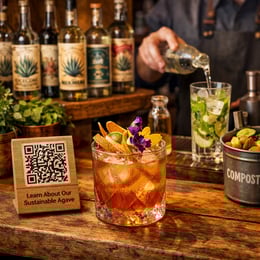 ethical agave cultivation practices. This shift comes as wild agave populations face unprecedented pressure, with some varieties taking up to 30 years to reach maturity. Forward-thinking mezcaleros are partnering with conservation organizations to implement regenerative farming techniques that protect biodiversity while ensuring long-term supply.
Consumers are increasingly demanding transparency about where their spirits come from, and mezcal brands are responding with detailed provenance stories. Expect to see cocktail menus featuring QR codes that trace each bottle back to specific villages, family producers, and individual agave fields. Bars that prioritize certified sustainable mezcal brands will gain competitive advantage as environmentally conscious drinkers vote with their wallets. This spring, the most innovative establishments will host mezcal tastings that educate patrons about the seven-year journey from agave plant to pour, creating deeper appreciation for this complex spirit.
The sustainability movement is also driving innovation in agave cultivation itself. Producers are experimenting with intercropping techniques that plant agave alongside native species, creating healthier ecosystems and more flavorful spirits. Some distilleries are even returning to ancestral methods that work in harmony with natural growing cycles rather than forcing accelerated production. For bartenders and beverage directors, partnering with these progressive producers isn't just good ethics—it's a compelling story that resonates with today's conscious consumers and positions your program as a leader in responsible hospitality.
Floral and Botanical Infusions Transform Classic Mezcal Recipes
Spring 2026 will bloom with a new generation of mezcal cocktails that embrace the season's delicate floral notes and fresh botanicals. Mixologists are moving beyond the traditional citrus and chili pairings to explore how mezcal's smoky complexity harmonizes with ingredients like hibiscus, elderflower, lavender, and chamomile. These ethereal flavors don't mask mezcal's distinctive character—they enhance it, creating multi-dimensional drinks that surprise and delight. The most exciting innovation comes from bartenders who are house-infusing mezcals with seasonal botanicals, allowing the spirit to slowly absorb subtle aromatic compounds over weeks of careful steeping.
Garden-to-glass programs are flourishing as bars cultivate their own herbs, edible flowers, and botanicals specifically for mezcal cocktail applications. Imagine a Mezcal Negroni variation featuring house-grown rosemary and rose petals, or a smoked Paloma elevated with fresh jasmine and pink peppercorn. These aren't gimmicks—they're thoughtful flavor combinations that showcase both the bartender's creativity and mezcal's remarkable versatility. The trend extends to house-made syrups and cordials infused with spring botanicals like violet, lilac, and honeysuckle, which add complexity without overwhelming the spirit's natural terroir.
What makes this trend particularly exciting is how it bridges traditional Mexican ingredients with global botanical traditions. Progressive bartenders are incorporating Mexican marigold (tagetes), Mexican oregano, and epazote alongside European and Asian flowers, creating truly cross-cultural flavor experiences. The result is a new category of mezcal cocktails that feel both fresh and timeless, perfectly suited for spring's renewal energy. Expect to see these botanical-forward creations dominating Instagram feeds and competition circuits throughout the season, establishing new benchmarks for sophisticated mezcal mixology.
Low-ABV Mezcal Cocktails Capture Health-Conscious Consumers
The low-ABV revolution is transforming mezcal cocktails this spring as consumers increasingly seek sophisticated drinking experiences without the high alcohol content. Bartenders are crafting sessionable mezcal drinks that clock in between 3-8% ABV, allowing patrons to enjoy multiple rounds while maintaining clarity and control. This trend aligns perfectly with the broader wellness movement and the growing popularity of mindful drinking. Rather than diluting mezcal's distinctive character, skilled mixologists are stretching the spirit with sparkling wine, kombucha, tea, and floral tonics that complement its smoky notes while reducing overall alcohol content.
The key to successful low-ABV mezcal cocktails lies in maintaining flavor intensity despite reduced spirit content. Bartenders are achieving this through concentrated house-made ingredients: shrubs with bold fruit and vinegar profiles, intensely flavored syrups reduced to maximize impact, and umami-rich additions like miso or seaweed that add depth and complexity. A half-ounce of quality mezcal, when properly supported by these carefully crafted components, delivers remarkable presence in a cocktail. Spritz-style serves are particularly popular, combining mezcal with bitter liqueurs, fresh citrus, and sparkling water for refreshing afternoon cocktails that won't derail productivity.
This category is also attracting entirely new consumers to mezcal—people who might have been intimidated by spirit-forward cocktails or full-strength margaritas. Lower alcohol content makes mezcal more approachable while still delivering the distinctive flavor profile that makes it special. Bars are capitalizing on this by creating dedicated low-ABV sections on their cocktail menus, often featuring three or four mezcal-based options alongside other lighter serves. As spring brings longer days and outdoor gatherings, these sessionable mezcal cocktails are perfectly positioned to become the season's signature drinks, proving that less alcohol doesn't mean less flavor or sophistication.
Regional Mezcal Varieties Create Unique Tasting Experiences
Spring 2026 marks a pivotal moment in mezcal appreciation as bars move beyond generic offerings to celebrate the spirit's incredible regional diversity. Just as wine enthusiasts distinguish between Burgundy and Bordeaux, educated mezcal drinkers now seek specific agave varieties from particular Mexican states. Oaxaca may still dominate production, but this season will shine a spotlight on distinctive mezcals from Durango, Guerrero, Michoacán, and Puebla—each region contributing unique terroir, production methods, and flavor profiles. Forward-thinking bars are building mezcal programs organized by region and agave variety rather than simply listing products by brand.
The most exciting development is how bartenders are tailoring cocktail recipes to highlight specific regional characteristics. A mezcal from Durango, made from wild Cenizo agave at high altitude, brings minerality and herbaceous notes that work beautifully in variations on classic gin cocktails like the Martini or Aviation. Meanwhile, tropical-influenced coastal mezcals from Guerrero, with their fruit-forward profiles, excel in tiki-style preparations. Mezcals made from rare agave varieties like Tobalá, Tepeztate, and Arroqueño are being featured in minimal-ingredient cocktails that showcase their distinctive qualities rather than masking them with excessive modifiers.
This regional focus is educating consumers while elevating the entire category. Progressive bars are hosting mezcal flights organized by state of origin or agave variety, often paired with small bites that reflect regional Mexican cuisine. Staff training has become crucial, with bartenders learning to pronounce agave names correctly and explain production differences between states. Some establishments are partnering with single-producer brands to offer exclusive bottlings that tell compelling geographic stories. As consumers develop more sophisticated palates, they're willing to pay premium prices for rare regional mezcals and the cocktails that honor them, creating new revenue opportunities for beverage programs that invest in education and curation.
Zero-Waste Garnishing and Presentation Techniques Redefine Craft Cocktails
Sustainability extends beyond the bottle this spring as zero-waste garnishing and presentation become essential elements of mezcal cocktail culture. The days of disposable plastic straws and single-use citrus wheels are definitively over, replaced by ingenious techniques that transform would-be waste products into stunning, functional garnishes. Bartenders are dehydrating citrus peels, pickling vegetable scraps, and creating dramatic smoking presentations using spent agave fibers. These practices align perfectly with mezcal's artisanal, earth-connected identity while reducing environmental impact and cutting costs—a rare triple win for bars, consumers, and the planet.
The most visually striking innovations involve repurposing every part of ingredients that enter the bar. Pineapple fronds become dramatic tropical garnishes for mezcal tiki drinks. Herb stems that would typically be discarded are infused into syrups or grilled for aromatic smoke. Citrus husks are transformed into vessels for serving frozen mezcal cocktails or candied into intensely flavored accompaniments. Some bars are collaborating with local farms to compost organic waste that can't be repurposed, closing the loop entirely. These zero-waste practices aren't just environmentally responsible—they're visually compelling and story-rich, giving servers compelling talking points when presenting drinks.
Presentation innovation is pushing creative boundaries while honoring mezcal's rustic roots. Expect to see cocktails served on reclaimed wood platforms, in hand-thrown ceramic vessels from Mexican artisans, and with garnishes secured using natural materials like agave fiber twine rather than plastic picks. Smoke presentations—a natural pairing with mezcal—increasingly use sustainable heat sources and captured smoke rather than wasteful single-use methods. The most progressive bars are documenting their waste reduction metrics and sharing them with customers, demonstrating that beautiful, Instagram-worthy cocktails can also be environmentally responsible. This spring, zero-waste isn't a compromise—it's the new standard for craft cocktail excellence, and mezcal programs are leading the charge.
 The agave plant stands as a symbol of Mexican culture and craftsmanship, serving as the foundation for some of the world's most beloved spirits. This succulent, often mistaken for a cactus, thrives in Mexico's diverse climates and has been cultivated for centuries. With over 200 species of agave growing throughout the region, only specific varieties are used to produce the spirits we know and love today. The blue agave (Agave tequilana Weber) is exclusively used for tequila production, while mezcal can be crafted from over 30 different agave species, each imparting unique flavor characteristics.