Expert Advice on Hospitality Topics

Caribbean Rum Origins: Birthplace of a Global Spirit

Posted by Nick Kaoukis on Fri, Mar, 20, 2026 @ 09:03 AM

Discover how the sun-soaked Caribbean islands transformed sugarcane byproducts into the world's most beloved spirit, creating a legacy that spans centuries and continents.

From Sugarcane Fields to Liquid Gold: The Colonial Caribbean Connection

The story of Caribbean rum begins in the 17th century, when European colonizers recognized the Caribbean's perfect climate for cultivating sugarcane. Portuguese explorers had brought sugarcane from Southeast Asia to the Atlantic islands, and Spanish conquistadors subsequently introduced it to the Caribbean. By the 1640s, Barbados and other islands had become sugar production powerhouses, with vast plantations dominating the landscape and economy. The sugar industry created immense wealth for colonial powers, but it also generated a problematic byproduct: molasses.

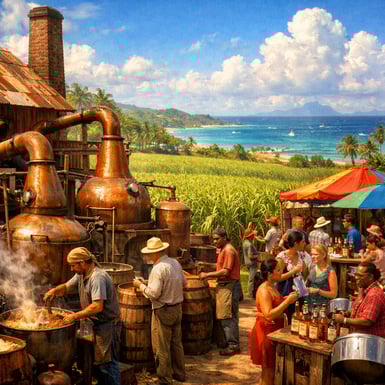
Plantation owners initially viewed molasses as waste—a sticky, dark residue left over after extracting crystallized sugar from sugarcane juice. Disposing of this substance became a logistical challenge until enslaved workers and plantation managers discovered that molasses could ferment when mixed with water. This accidental discovery would change Caribbean history forever. The fermented molasses, when distilled, produced a potent alcoholic beverage that workers called "kill-devil" or "rumbullion," terms that eventually evolved into the word "rum."A sundrenched Caribbean landscape unfolds showcasing vast sugarcane fields stretching towards the horizon their green stalks swaying gently in the war

The connection between Caribbean rum and the brutal institution of slavery cannot be ignored. Enslaved Africans who worked the sugarcane fields were often the first to experiment with fermenting and distilling molasses, drawing on traditional African brewing knowledge. Their labor not only produced the sugar that enriched colonial powers but also inadvertently created the foundation for an entirely new industry. Rum quickly became intertwined with the Triangular Trade, serving as currency, commodity, and cruel compensation in a system that trafficked human beings across the Atlantic.

The Alchemy of Molasses: How Caribbean Distillers Perfected Their Craft

Early Caribbean rum production was rudimentary and often dangerous. The first distillers used crude pot stills made from copper or even clay, heating the fermented molasses mixture over open flames. The resulting spirit was harsh, unrefined, and sometimes toxic due to improper distillation techniques that failed to separate methanol and other harmful compounds. These early rums bore little resemblance to the smooth, complex spirits we know today, often requiring immediate consumption or heavy dilution to be palatable.

As the 18th century progressed, Caribbean distillers began refining their methods through experimentation and knowledge exchange. Pot stills evolved to become more sophisticated, with better temperature control and improved condensation systems. Distillers discovered that the quality of fermentation dramatically affected the final product, leading them to cultivate specific yeast strains and control fermentation times more carefully. Some producers began adding dunder—the acidic residue from previous distillations—back into new fermentation batches, creating distinctive funky flavors that became hallmarks of traditional Jamaican rum.

The 19th century brought revolutionary changes with the introduction of the column still, invented by Irishman Aeneas Coffey in 1830. This continuous distillation apparatus allowed for more efficient production and created lighter, cleaner spirits compared to pot still rums. Caribbean distilleries quickly adopted this technology, with some islands specializing in column-distilled rums while others maintained pot still traditions. This technological divide created the foundation for different regional styles that persist today. Additionally, distillers began aging rum in oak barrels—often recycled bourbon casks from America—discovering that tropical aging accelerated maturation and added remarkable complexity, with the angel's share evaporating at rates three to four times faster than in temperate climates.

Island by Island: Regional Rum Styles That Define the Caribbean

Each Caribbean island developed distinctive rum-making traditions influenced by colonial heritage, available resources, and local preferences. Jamaica emerged as the home of heavy, funky pot still rums characterized by high ester content and intense flavors. Jamaican distillers perfected the use of dunder and long fermentation periods, sometimes lasting weeks, to create rums with bold, almost overripe fruit flavors. Brands like Appleton Estate and Hampden have become synonymous with this robust style, prized by rum connoisseurs and mixologists for their complexity and ability to shine through in cocktails.

Barbados, often called the birthplace of rum, developed a more balanced approach that combines pot and column distillation. Bajan rums like Mount Gay—which stakes a claim as the world's oldest rum brand, dating to 1703—showcase elegance and smoothness while maintaining character. The island's coral-filtered water and specific fermentation techniques contribute to a style that bridges the gap between light and heavy rums. Meanwhile, Cuba perfected the light, clean rum style before the revolution, with distillers like the Bacardí family pioneering charcoal filtration methods that removed color and congeners, creating mixable spirits ideal for cocktails like the Mojito and Daiquiri.

Trinidad, Martinique, and other islands each contributed unique variations. Trinidad's Angostura became famous not only for rum but also for aromatic bitters, while the distillery produces exceptional aged rums using a blend of column and pot still spirits. Martinique stands apart by producing rhum agricole—made from fresh sugarcane juice rather than molasses—under strict Appellation d'Origine Contrôlée regulations similar to French wine. This grassier, more vegetal style represents a different branch of rum's family tree. Puerto Rico developed a Spanish-style tradition of light, smooth rums, while the U.S. Virgin Islands and other territories added their own interpretations, creating a diverse Caribbean rum landscape where each island's spirit tells a distinct story.

Pirates, Trade Routes, and the Spirit That Sailed the Seven Seas

Rum's association with pirates and sailors is rooted in historical reality rather than mere legend. The British Royal Navy officially adopted rum as the daily ration for sailors in 1655 after capturing Jamaica from the Spanish. The practicality was undeniable: rum didn't spoil during long voyages like beer, took up less space than water barrels, and provided a morale boost to crews facing harsh conditions. The famous "tot" of rum—a half pint daily ration—became a naval tradition that lasted until 1970, when Black Tot Day marked the end of this centuries-old practice. Sailors received their rum diluted with water, a mixture called "grog" after Admiral Edward Vernon, nicknamed "Old Grog" for his grogram cloak.

Pirates and privateers who plagued Caribbean waters in the 17th and 18th centuries developed an infamous reputation for rum consumption, though historical accounts suggest the stereotype was somewhat exaggerated. Nevertheless, rum served practical purposes for these seafarers: it was valuable plunder, tradeable currency, and liquid courage before battles. Port Royal in Jamaica, once called the "wickedest city on Earth," was awash with rum taverns serving pirates, merchants, and naval officers alike until an earthquake destroyed much of the city in 1692. The romanticized image of rum-swilling pirates has persisted through literature like "Treasure Island," where Robert Louis Stevenson immortalized the connection between buccaneers and their favorite spirit.

Rum played a crucial economic role in Atlantic trade networks, particularly the infamous Triangular Trade. Ships carried rum from the Caribbean or New England distilleries to Africa, where it was traded for enslaved people. These captives were transported to the Caribbean in horrific conditions, then sold to plantation owners who produced sugar and molasses. The molasses returned to distilleries to make more rum, completing a cycle of commerce and human suffering. New England became a significant rum producer, with colonial distilleries in Massachusetts and Rhode Island processing Caribbean molasses. Rum even influenced American independence—the Molasses Act of 1733 and subsequent Sugar Act of 1764 taxed imported molasses, infuriating colonists and contributing to revolutionary sentiment.

Caribbean Rum's Lasting Impact on Global Drinking Culture and Economy

Caribbean rum fundamentally shaped global cocktail culture in ways that remain evident today. The late 19th and early 20th centuries saw rum travel beyond naval vessels and Caribbean taverns into sophisticated hotel bars and speakeasies. Cuban bartenders created iconic drinks that showcased rum's versatility: the Mojito, Daiquiri, and Cuba Libre became international sensations. During American Prohibition, thirsty Americans traveled to Havana, where rum cocktails flowed freely, establishing Cuba as a glamorous drinking destination. After World War II, tiki culture exploded in the United States, with establishments like Trader Vic's and Don the Beachcomber serving elaborate rum drinks in exotic settings, introducing Americans to aged and blended Caribbean rums.

The economic impact of rum on Caribbean nations cannot be overstated. For many islands, rum production remains a vital industry providing employment, tax revenue, and cultural identity. Major international brands like Bacardí, Captain Morgan, and Appleton Estate generate billions in annual sales, while smaller craft distilleries have proliferated in recent decades, catering to premium spirits markets. Tourism heavily incorporates rum heritage, with distillery tours, rum museums, and tasting experiences drawing visitors who contribute significantly to island economies. Events like the Caribbean Rum and Beer Festival and Barbados's Crop Over festival celebrate rum's cultural importance beyond mere commerce.

The 21st century has witnessed a rum renaissance, with connoisseurs and collectors approaching aged Caribbean rums with the same reverence previously reserved for whisky or cognac. Premium and ultra-premium rums have achieved critical acclaim, with vintage Jamaican rums, well-aged Barbadian expressions, and rare rhum agricole from Martinique commanding impressive prices at auction. The craft spirits movement has inspired Caribbean distillers to experiment with terroir, heritage cane varieties, and innovative aging techniques including finishing in wine, port, or sherry casks. Simultaneously, there's been increased attention to sustainability and the darker aspects of rum's history, with some distilleries acknowledging the enslaved people who created the industry and working toward more equitable futures. As global spirits consumption evolves, Caribbean rum remains not just a drink but a living link to history—bitter and sweet, complex and enduring, shaped by sun-drenched islands that transformed sugarcane into liquid gold that conquered the world.

Topics: spirits, free pour, drink recipe, mixology, cruise ship inventory, craft cocktails, rum, rum inventory

Seasonal Cocktail Inspiration from the Winter Olympics

Posted by Nick Kaoukis on Fri, Feb, 13, 2026 @ 10:02 AM

Elevate your winter bar menu with Olympic-inspired cocktails that capture the spirit of competition, celebration, and global flavors from the world's most prestigious winter sporting event.

Crafting Gold Medal-Worthy Signature Drinks

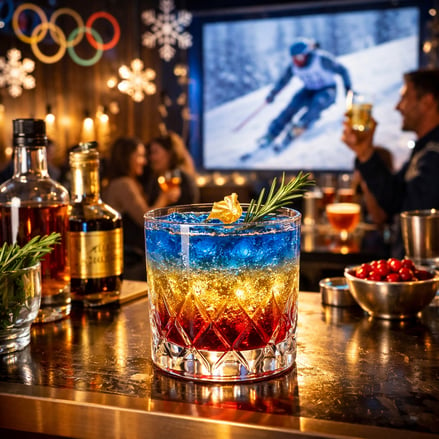
Creating Olympic-inspired signature cocktails requires the same precision and artistry that athletes bring to their performances. Start by building drinks around the iconic colors of the Olympic rings—blue, yellow, black, green, and red. A layered cocktail featuring blue curaçao, golden champagne, and red berry liqueur can visually represent the medal podium while delivering complex flavors that impress even the most discerning palates.The image showcases an elegantly designed cocktail menu inspired by the Winter Olympics At the center a striking layered cocktail the Downhill Dash fe-1

Consider naming your cocktails after famous Winter Olympic events or memorable moments. The 'Downhill Dash' could feature a bold combination of whiskey and ginger beer with a splash of citrus, representing the speed and excitement of alpine skiing. The 'Triple Axel' might incorporate three distinct spirits that blend seamlessly, just like the perfect figure skating jump. These thematic names not only spark conversation but also create a memorable experience that ties your menu to the Olympic spirit.

Quality ingredients are essential for medal-worthy cocktails. Use premium spirits as your base, incorporate fresh herbs like rosemary and thyme for winter aromatics, and don't shy away from unique elements like edible gold leaf or shimmering liqueurs. The goal is to create drinks that look spectacular and taste even better, embodying the excellence that defines Olympic competition.

International Flavors from Host Countries Past and Present

The Winter Olympics have graced numerous countries, each bringing unique culinary traditions that can inspire extraordinary cocktails. From the sake and yuzu of Japan (Nagano 1998, Sapporo 1972) to the aquavit and cloudberry of Norway (Lillehammer 1994), host countries offer a treasure trove of flavors. Create a 'Norwegian Northern Lights' using aquavit, elderflower liqueur, and a splash of blue curaçao, topped with prosecco for a shimmering effect that mimics the aurora borealis.

Italian host cities like Turin (2006) and Cortina d'Ampezzo (1956) inspire aperitivo-style cocktails. Mix up a 'Dolomite Sunset' featuring Aperol, prosecco, and blood orange juice, garnished with a sprig of fresh basil. For a nod to the French Alps (Chamonix 1924, Grenoble 1968, Albertville 1992), craft a sophisticated cocktail using Chartreuse, champagne, and a hint of lavender—a refined tribute to French elegance and alpine beauty.

Don't forget the North American hosts. Canadian venues (Calgary 1988, Vancouver 2010) inspire cocktails featuring maple syrup and Canadian whisky, while American locations (Lake Placid 1932 and 1980, Squaw Valley 1960, Salt Lake City 2002) call for bold bourbon-based drinks with apple cider and cinnamon. A 'Rocky Mountain Mule' combining bourbon, ginger beer, lime, and a maple syrup rim perfectly captures the spirit of winter sports in the American West.

Winter Warming Spirits That Score Perfect Tens

Cold-weather spirits form the foundation of any successful Winter Olympic cocktail menu. Dark spirits like bourbon, rye whiskey, aged rum, and cognac provide warmth and depth that complement winter's chill. These base spirits pair beautifully with seasonal spices like cinnamon, nutmeg, clove, and star anise. A hot toddy variation using spiced rum, honey, lemon, and a cinnamon stick makes for a perfect après-ski beverage that warms from the inside out.

Herbal liqueurs and amari add complexity and sophistication to winter cocktails. Fernet-Branca, Chartreuse, and Bénédictine bring botanical notes that evoke snowy forests and mountain meadows. Create a 'Biathlon Bracer' combining rye whiskey, yellow Chartreuse, sweet vermouth, and aromatic bitters—a complex drink that represents the dual nature of skiing and shooting in this challenging sport. The herbal qualities provide depth while the whiskey delivers the necessary warmth.

Don't overlook the power of fortified wines and liqueurs. Port, sherry, and vermouth can be featured in lower-ABV cocktails that still deliver robust flavor. A 'Curling Stone' cocktail made with tawny port, bourbon, demerara syrup, and chocolate bitters offers richness without overwhelming heat. For guests who prefer something lighter, mulled wine cocktails infused with orange, cloves, and brandy provide festive warmth while maintaining approachability. These versatile options ensure every guest finds their perfect winter warmer.

Presentation Techniques Worthy of the Podium

Visual presentation can transform a good cocktail into an unforgettable experience. Embrace the Olympic theme with gold, silver, and bronze elements. Rim glasses with edible metallic dust or sugar crystals in these colors. Use gold leaf garnishes sparingly but effectively—a single flake floating atop a clear cocktail creates an elegant, championship-worthy appearance. Serve drinks in crystal-cut glassware or vintage coupe glasses that evoke the elegance and tradition of the Olympic Games.

Ice presentation offers another opportunity to impress. Create large, crystal-clear ice spheres or cubes that melt slowly and maintain drink integrity. For a dramatic effect, freeze edible flowers, herbs, or citrus wheels inside ice blocks, then chip away to reveal the frozen treasures. Consider creating an 'ice luge' for special occasions—a nod to the luge event—where cocktails slide down a carved ice sculpture before reaching the glass. This interactive element adds entertainment value and creates Instagram-worthy moments.

Garnishes should be thoughtful and thematic. Use rosemary sprigs torched tableside to release aromatic oils while creating a visual spectacle. Citrus twists can be expressed over a flame to caramelize the oils, adding both aroma and theater. Create 'Olympic torch' garnishes using sugarcane swizzle sticks with a small piece of flammable citrus peel that can be briefly ignited. Smoke elements under cloches for a mysterious reveal, or use dry ice carefully for a frosty, mountain-mist effect. Each presentation technique should enhance the drinking experience while honoring the spectacle of Olympic competition.

Creating an Olympic-Themed Cocktail Experience for Guests

Transform your venue into an Olympic celebration by creating an immersive cocktail experience. Design a special menu that tells a story, with each cocktail representing different events, countries, or Olympic values. Organize the menu like an Olympic program, with 'Opening Ceremony' welcome drinks, 'Competition' signature cocktails, and 'Closing Ceremony' dessert drinks. Include brief descriptions that connect each cocktail to its Olympic inspiration, educating guests while entertaining them.

Consider hosting Olympic-themed cocktail events or competitions. Invite guests to vote on their favorite drinks, awarding gold, silver, and bronze medals to the top three. Create flight options where guests can sample smaller portions of multiple cocktails, similar to judging different athletic performances. Offer a 'mixology pentathlon' where guests rotate through five different cocktail styles, each paired with small bites inspired by host countries. This interactive approach engages guests and creates memorable experiences that extend beyond simply serving drinks.

Enhance the atmosphere with thoughtful details. Display Olympic memorabilia, play footage of iconic Winter Olympic moments on screens, and use a playlist featuring national anthems and music from various host countries. Train staff to share stories about the cocktails' inspirations and the Olympic events they represent. Create specialty glassware or cocktail napkins featuring Olympic rings or winter sports imagery. Consider partnering with local athletes or Olympic alumni for special appearances, adding authenticity and excitement to your Olympic cocktail celebration. These comprehensive touches create a cohesive experience that honors the Olympic spirit while showcasing exceptional cocktail craftsmanship.

Topics: Bar inventory, nightclubs, Bar drinks, Classic drinks, Bar products, restaurant trends, drink recipe, pricing drinks, Bar Promotion, mixology, craft cocktails

Exploring the Best Liquor Brands Through 5 New Cocktail Creations

Posted by Nick Kaoukis on Fri, Jul, 12, 2024 @ 16:07 PM

Discover how top-shelf brands are shaking up the cocktail scene with innovative mixes that promise to elevate your spirits.

The Art of Selecting the Right Liquor for Your Cocktail

When it comes to creating the perfect cocktail, selecting the right liquor is crucial. The type of liquor you choose will greatly impact the flavor and overall experience of the drink. Whether you're looking to create a refreshing summer cocktail or a rich and flavorful winter drink, understanding the qualities of different liquors will help you make the best choice.

One important factor to consider when selecting liquor for your cocktail is the base spirit. Vodka, rum, gin, tequila, and whiskey are all popular choices for creating a wide range of cocktails. Each spirit has its own unique characteristics that can enhance the taste and aroma of your drink.Liquor Drink Mixology

Another aspect to consider is the flavor profile of the liquor. Some liquors have a smooth and mellow taste, while others are bold and intense. Depending on the flavor you want to achieve, you can choose a liquor that complements or contrasts with the other ingredients in your cocktail.

Lastly, don't forget to take into account the quality of the liquor. Premium brands often use high-quality ingredients and employ precise distilling techniques, resulting in a smoother and more refined taste. Investing in top-shelf liquor will elevate the quality of your cocktails and impress your guests.

By understanding the art of selecting the right liquor for your cocktail, you can create drinks that are perfectly balanced and bursting with flavor. Experiment with different spirits and brands to discover your favorite combinations and elevate your mixology skills.

Signature Mixes: Crafting Cocktails with Premium Brands

Crafting cocktails with premium brands is a surefire way to impress your guests and elevate your home bartending game. By using top-shelf liquors, you can create signature mixes that are both sophisticated and delicious.

One popular signature mix is the classic Martini, made with premium vodka or gin. The smoothness of the high-quality liquor is enhanced by a touch of vermouth, resulting in a timeless and elegant cocktail. Another signature mix is the Old Fashioned, which features premium bourbon or rye whiskey, a hint of sugar, and a few dashes of bitters. This cocktail is a true testament to the rich flavors of top-shelf liquors.

For those who prefer tropical flavors, a signature mix like the Mai Tai is a must-try. Made with premium rum, lime juice, orange liqueur, and a splash of grenadine, this cocktail is refreshing and exotic. Another tropical signature mix is the Piña Colada, which combines premium rum, pineapple juice, coconut cream, and crushed ice for a taste of paradise.

By crafting cocktails with premium brands, you can indulge in the finest flavors and elevate your cocktail experience. Experiment with different ingredients and techniques to create your own signature mixes that showcase the best liquor brands.

Tropical Temptations: Exotic Cocktails to Try This Season

If you're looking to transport yourself to a tropical paradise, exotic cocktails are the way to go. These tantalizing drinks are packed with flavors that will make you feel like you're lounging on a sandy beach with a gentle breeze.

One exotic cocktail to try this season is the Mojito. Made with rum, fresh mint leaves, lime juice, sugar, and soda water, this refreshing drink is perfect for hot summer days. Another tropical temptation is the Margarita, a classic cocktail made with tequila, lime juice, and triple sec. The combination of tangy citrus and tequila's unique flavor creates a drink that is both sweet and tart.

For those who prefer fruity flavors, the Bahama Mama is a must-try. This cocktail combines rum, pineapple juice, orange juice, grenadine, and coconut rum for a tropical explosion of flavors. Another fruity temptation is the Sex on the Beach, made with vodka, peach schnapps, orange juice, and cranberry juice. This cocktail is as vibrant and colorful as a tropical sunset.

Indulge in these exotic cocktails to satisfy your wanderlust and bring a taste of the tropics to your home bar. With their vibrant colors and refreshing flavors, they are sure to transport you to a paradise of your own.

Classic Cocktails Reimagined with Top Liquor Labels

Classic cocktails are timeless for a reason. They have stood the test of time and continue to be beloved by cocktail enthusiasts around the world. However, that doesn't mean they can't be reinvented with the help of top liquor labels.

Take the Negroni, for example. This classic cocktail traditionally consists of equal parts gin, Campari, and sweet vermouth. By using premium gin and vermouth, you can elevate the flavors and create a Negroni that is even more sophisticated and refined.

Another classic cocktail that can be reimagined with top liquor labels is the Moscow Mule. Traditionally made with vodka, ginger beer, and lime juice, this cocktail can be taken to new heights by using premium vodka. The smoothness and quality of the liquor will shine through, enhancing the overall taste of the drink.

By reimagining classic cocktails with top liquor labels, you can bring a modern twist to beloved recipes and elevate your cocktail game. Experiment with different brands and flavors to find the perfect combination that suits your taste and preferences.

Tips for Building Your Home Bar with the Best Brands

Building a home bar is an exciting endeavor, and selecting the best brands is key to creating a well-stocked and impressive collection. Here are some tips to help you build your home bar with the best liquor brands.

First, assess your preferences and the types of cocktails you enjoy. This will guide you in selecting the essential spirits for your home bar. Whether you prefer vodka-based drinks, whiskey cocktails, or tropical mixes, make sure to have a variety of liquors that cater to your taste.

Next, do your research on popular liquor brands. Look for brands that are known for their quality and have a wide range of offerings. Read reviews, ask for recommendations, and consider trying out different brands to find your favorites.

When stocking your home bar, it's important to strike a balance between premium brands and more affordable options. While premium brands are great for crafting signature cocktails and impressing guests, having some mid-range and budget-friendly options will allow you to experiment and mix up a variety of drinks without breaking the bank.

Lastly, don't forget about mixers and garnishes. Stock up on a selection of mixers like tonic water, soda water, and various fruit juices to complement your liquors. And don't forget to have a variety of garnishes on hand, such as citrus wedges, fresh herbs, and cocktail cherries.

By following these tips, you can build a home bar that showcases the best liquor brands and allows you to create a wide range of cocktails. Cheers to becoming your own home bartender!

Topics: Bar trends, Bar drinks, Bar Management, Bar products, Drink Recipes, liquor products, liquor inventory app, mixology, Best Bar Inventory app