Expert Advice on Hospitality Topics

Mastering the Employee Onboarding Process for Successful Bars

Posted by Nick Kaoukis on Fri, Feb, 27, 2026 @ 09:02 AM

Transform your bar's success by implementing a strategic onboarding process that turns new hires into confident, high-performing team members from day one.

Why Employee Onboarding Makes or Breaks Your Bar's Success

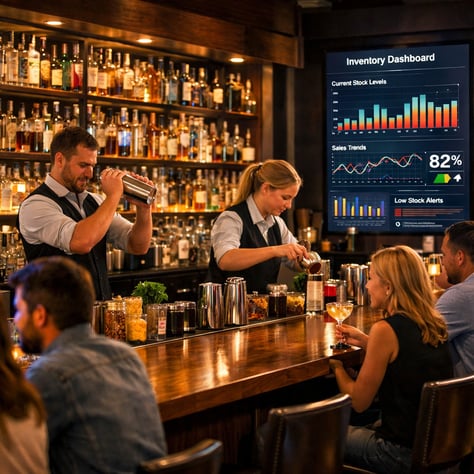
The bar industry operates on razor-thin margins where every team member's performance directly impacts your bottom line. A well-executed onboarding process is the difference between a bartender who fumbles orders during peak hours and one who confidently manages a packed Friday night shift. Research shows that effective onboarding can improve employee retention by 82% and productivity by over 70%, metrics that are particularly critical in an industry notorious for high turnover rates.The image depicts a bustling bar scene with a diverse group of bartenders and servers in action The bar is welllit showcasing a variety of colorful co-1

Your bar's reputation hinges on consistency, and consistency starts with proper training. When new employees receive structured onboarding, they quickly absorb your establishment's culture, service standards, and operational procedures. This creates a seamless customer experience regardless of who's behind the bar. Conversely, poor onboarding leads to costly mistakes, safety violations, customer complaints, and the expense of repeatedly hiring and training replacement staff.

The first impression matters just as much for employees as it does for customers. New hires who feel welcomed, prepared, and valued during their initial weeks are more likely to become engaged, long-term team members. In a competitive labor market, your onboarding process becomes a key differentiator in attracting and retaining top talent who have multiple employment options.

Building Your Bar's Onboarding Framework From the Ground Up

Start by documenting every aspect of your bar's operations before your new hire's first day. Create a comprehensive employee handbook that covers your mission statement, dress code, scheduling policies, and behavioral expectations. This foundational document serves as a reference point throughout the onboarding journey and ensures consistency across all training sessions. Include practical information like emergency procedures, break policies, and how to handle difficult situations.

Develop a structured timeline that spans at least the first 90 days of employment. Week one should focus on administrative tasks, safety training, and basic orientation to your physical space. Week two through four should introduce role-specific skills through shadowing and supervised practice. The remaining weeks should gradually increase responsibility while providing regular feedback checkpoints. This phased approach prevents overwhelming new hires while ensuring they master each competency before advancing.

Assign a dedicated mentor or buddy to each new employee. This experienced team member serves as the go-to resource for questions, demonstrates proper techniques, and helps integrate the newcomer into your bar's social dynamics. The mentor relationship reduces the learning curve and creates accountability on both sides. Choose mentors who exemplify your bar's values and possess strong communication skills, not just technical expertise.

Invest in creating training materials that new hires can reference independently. This might include laminated recipe cards for signature cocktails, video demonstrations of proper glassware handling, or digital checklists for opening and closing procedures. Multi-format materials accommodate different learning styles and allow employees to review information at their own pace, reinforcing what they learn during hands-on training sessions.

Essential Training Components Every Bar Employee Needs

Safety and compliance training must be the absolute foundation of your onboarding program. This includes responsible alcohol service certification, proper identification checking procedures, and how to recognize and handle intoxicated patrons. Train staff on food safety protocols, proper chemical handling for cleaning products, and emergency response procedures. Many of these topics have legal implications, so maintain documentation that each employee completed this training and understands the consequences of violations.

Technical skills training varies by position but should be thorough and systematic. Bartenders need comprehensive instruction on your POS system, cash handling procedures, inventory management, and the preparation of every drink on your menu. Start with your most popular items and signature cocktails, then expand to more specialized requests. Servers require training on menu knowledge, table management systems, upselling techniques, and coordination with kitchen and bar staff. Even barbacks and support staff need clear instruction on their specific responsibilities and how they fit into the overall operation.

Customer service excellence should be woven throughout your entire training program. Teach your team how to greet guests, read the room, handle complaints gracefully, and create memorable experiences that generate repeat business. Role-playing exercises help employees practice difficult scenarios in a low-stakes environment. Emphasize that everyone on your team, regardless of their position, contributes to the customer experience and has the power to turn a mediocre visit into an exceptional one.

Don't overlook the soft skills that distinguish good bars from great ones. Train employees on effective communication with coworkers during high-pressure situations, time management during rushes, and maintaining professionalism when personal conflicts arise. Teach them your bar's specific culture—whether that's high-energy and social or sophisticated and understated—and how to embody those characteristics in their interactions. These intangible qualities often determine whether a technically skilled employee becomes a true asset to your team.

Creating a Culture of Excellence Through Structured Integration

Culture isn't created through mission statements alone; it's built through intentional actions and consistent reinforcement. During onboarding, explicitly discuss your bar's values and provide concrete examples of what those values look like in daily operations. If teamwork is a core value, demonstrate how your staff supports each other during rushes. If innovation matters, show how you encourage employees to suggest new cocktails or service improvements. New hires should see your stated culture reflected in observable behaviors from day one.

Create opportunities for new employees to connect with the broader team beyond their immediate work responsibilities. This might include pre-shift meetings where everyone shares updates, team-building activities outside of work hours, or informal gatherings where newcomers can ask questions in a relaxed setting. These social connections increase job satisfaction and reduce the likelihood that new hires will leave due to feeling isolated or disconnected from their coworkers.

Establish clear pathways for growth and advancement within your organization. During onboarding, discuss how employees can develop their skills, take on additional responsibilities, and move into leadership positions. This future-focused approach helps new hires see beyond their initial role and envision a long-term career rather than just a temporary job. Regular check-ins about professional development goals keep this conversation alive throughout their tenure.

Recognize and celebrate early wins during the onboarding period. When a new bartender nails a complicated cocktail, a server receives compliments from customers, or a barback demonstrates initiative, acknowledge these achievements publicly. This positive reinforcement motivates the individual, sets standards for other team members, and signals what behaviors your bar values. Small celebrations during the vulnerable onboarding phase build confidence and commitment.

Measuring Onboarding Success and Continuous Improvement Strategies

Implement formal evaluation checkpoints at 30, 60, and 90 days to assess both the employee's progress and the effectiveness of your onboarding program. These reviews should include objective metrics like speed of service, accuracy of orders, customer feedback scores, and adherence to procedures. Equally important are subjective assessments of cultural fit, teamwork, problem-solving ability, and growth potential. Document these evaluations to identify patterns across multiple new hires and spot areas where your training may be falling short.

Gather feedback directly from new employees about their onboarding experience. Anonymous surveys allow honest input about what worked well, what was confusing, and what they wish they'd learned sooner. Exit interviews with departing employees who leave during or shortly after onboarding provide particularly valuable insights into gaps in your program. This feedback loop transforms onboarding from a static checklist into a dynamic system that evolves based on real-world results.

Track key performance indicators that reveal the quality of your onboarding process. Monitor retention rates at the 90-day, six-month, and one-year marks to see if your onboarding investments translate into long-term employment. Analyze whether properly onboarded employees generate higher sales, receive better customer reviews, or require fewer disciplinary interventions. Calculate the time it takes for new hires to reach full productivity compared to industry benchmarks. These metrics justify continued investment in onboarding and help you demonstrate ROI to stakeholders.

Commit to regular updates of your onboarding materials and procedures. As your menu changes, new technology is introduced, or regulations are updated, your training program must adapt accordingly. Schedule quarterly reviews of your onboarding framework with input from managers, experienced staff, and recent hires. Stay informed about best practices in the hospitality industry through professional associations, conferences, and peer networks. The most successful bars treat onboarding as a continuous improvement project rather than a one-time program design, ensuring they consistently attract, develop, and retain the talent that drives their success.

Topics: Bar staff, Bar trends, Bar Management, Bar products, Control, Bar Promotion, Best Bar Inventory app, Best Liquor Inventory app

How Real-Time Stock Monitoring Optimizes Banquet Inventory Management

Posted by Nick Kaoukis on Mon, Feb, 09, 2026 @ 09:02 AM

Discover how real-time stock monitoring transforms banquet operations by eliminating waste, preventing stockouts, and maximizing profitability in your hospitality venue.

The Hidden Costs of Manual Inventory Tracking in Banquet Operations

Manual inventory tracking in banquet operations comes with significant hidden costs that extend far beyond the obvious time investment. Every hour your staff spends counting bottles, tallying supplies, and recording data on clipboards or spreadsheets is an hour taken away from guest service and revenue-generating activities. These labor costs compound quickly, especially in busy banquet facilities where multiple events may occur simultaneously, requiring frequent inventory checks across various storage locations.

Beyond labor inefficiencies, manual tracking introduces substantial margin for human error. Miscounts, missed items, and transcription mistakes lead to inaccurate stock levels that cascade into poor purchasing decisions. You might over-order items that are already adequately stocked, tying up capital in excess inventory, or worse, run out of critical supplies mid-event, forcing last-minute emergency purchases at premium prices. These errors also make it nearly impossible to accurately track pour costs and identify potential theft or over-pouring issues.

The lack of real-time visibility in manual systems means you're always operating with outdated information. By the time you've completed a full inventory count and entered the data, stock levels have already changed. This delay prevents proactive decision-making and leaves you constantly reacting to problems rather than preventing them. For banquet operations where timing and precision are everything, this reactive approach can seriously damage your reputation and bottom line.

What Real-Time Stock Monitoring Means for Your Banquet Business

The image depicts a modern banquet hall bustling with activity during a highprofile event Elegant round tables are adorned with pristine white tableclReal-time stock monitoring revolutionizes how banquet facilities manage their inventory by providing instant, accurate visibility into stock levels at any moment. This technology eliminates the guesswork and delays inherent in traditional inventory methods, allowing managers to access up-to-the-minute data on every item in their inventory from any device, anywhere. Whether you're on the banquet floor, in a planning meeting, or reviewing operations from home, you have complete transparency into what's in stock, what's running low, and what needs to be ordered.

The Scannabar inventory app exemplifies this modern approach to banquet inventory management. Using simple barcode scanning technology, staff can quickly update inventory levels in seconds rather than spending hours with pen and paper. The app automatically calculates stock values, tracks usage patterns, and generates detailed reports that give you actionable insights into your banquet operations. This seamless integration of technology means your inventory data is always current, always accurate, and always accessible.

Real-time monitoring also enables dynamic inventory management that adapts to your banquet schedule. You can track inventory consumption by event type, identify which items are used most frequently during specific seasons or occasions, and adjust your purchasing accordingly. This level of granular insight was simply impossible with manual tracking methods and empowers you to make data-driven decisions that optimize both service quality and profitability.

Preventing Stockouts During High-Volume Events and Peak Seasons

Stockouts during major banquet events represent one of the most damaging failures in hospitality operations. When you run out of a signature cocktail ingredient, premium wine selection, or essential food item during a wedding reception or corporate gala, you're not just losing immediate revenue—you're potentially losing future bookings and damaging your venue's reputation. Real-time stock monitoring provides the early warning system you need to prevent these catastrophic scenarios before they occur.

With live inventory data, you can set customized alerts that notify you when stock levels drop below predetermined thresholds. This proactive approach means you receive notifications well before items run out, giving you adequate time to reorder and restock. The Scannabar app takes this further by analyzing your historical usage patterns and upcoming event schedule to predict when you'll need to reorder specific items, accounting for lead times and ensuring supplies arrive exactly when needed.

Peak seasons like wedding season, holiday parties, and conference periods put extraordinary pressure on banquet inventory systems. Real-time monitoring allows you to scale your inventory management to meet these demands without over-investing in stock during slower periods. You can track consumption rates across multiple simultaneous events, identify which bars or service areas are depleting fastest, and redistribute inventory as needed to ensure no event suffers from shortages. This agility is impossible to achieve with manual systems that only provide periodic snapshots of inventory levels.

The integration of real-time data with your event calendar creates a powerful planning tool. You can review upcoming banquet bookings, assess the menu and beverage requirements for each event, and verify that you have sufficient inventory to fulfill all commitments. This forward-looking capability eliminates the panic and scrambling that often accompanies high-volume periods and allows your team to deliver consistently excellent service regardless of how busy your schedule becomes.

Reducing Food Waste and Controlling Costs with Live Inventory Data

Food and beverage waste represents one of the largest controllable expenses in banquet operations, yet many venues lack the visibility needed to effectively address it. Real-time inventory monitoring shines a spotlight on waste by tracking exactly what's being used, what's expiring, and where losses are occurring. This transparency allows you to identify patterns and implement targeted strategies to reduce waste and protect your profit margins.

Live inventory data reveals critical insights about product shelf life and turnover rates. You can identify slow-moving items before they expire and take corrective action—whether that means featuring them in special promotions, adjusting portion sizes, or simply ordering less in the future. The Scannabar app's reporting features highlight these opportunities by showing you which items have been sitting in inventory longest and calculating the financial impact of potential waste, enabling you to make informed decisions about product mix and ordering quantities.

Accurate, real-time tracking also helps you identify and address theft, over-pouring, and unauthorized consumption—all significant sources of inventory shrinkage in banquet operations. When you can compare actual usage against expected consumption based on event orders and guest counts, discrepancies become immediately apparent. This accountability naturally reduces losses and ensures that your inventory is being used efficiently and appropriately.

Cost control extends beyond waste reduction to encompass smarter purchasing decisions. With comprehensive data on usage patterns, seasonal variations, and price trends, you can optimize your ordering to take advantage of bulk discounts and favorable pricing while avoiding over-investment in slow-moving stock. Real-time monitoring also facilitates better vendor management by providing concrete data about delivery accuracy, product quality issues, and pricing consistency, strengthening your negotiating position and ensuring you're getting the best value for your inventory investment.

Implementing Smart Inventory Systems for Seamless Banquet Management

Implementing a smart inventory system like Scannabar in your banquet operation doesn't require a complete overhaul of your existing processes or extensive technical expertise. The key to successful implementation is starting with a clear understanding of your current inventory challenges and specific goals for improvement. Begin by conducting a comprehensive baseline inventory count to establish accurate starting data, then introduce the system gradually, starting with your highest-value or most frequently used items before expanding to your full inventory.

Training your staff is critical to successful adoption of any new technology. The beauty of modern inventory apps like Scannabar is their intuitive design—most staff members can learn the basic scanning and counting functions in just minutes. Focus your training on consistency and accuracy, emphasizing how the system benefits both the operation and individual employees by reducing tedious manual counting and eliminating the confusion that comes from outdated inventory information. When your team understands that the technology makes their jobs easier rather than more complicated, adoption becomes natural and enthusiastic.

Integration with your existing systems amplifies the value of real-time inventory monitoring. Connect your inventory data with your point-of-sale system, event management software, and purchasing workflows to create a seamless flow of information across your entire operation. This integration eliminates duplicate data entry, reduces errors, and provides a holistic view of your banquet business. The Scannabar app offers integration capabilities that allow it to work harmoniously with other hospitality management tools, creating a unified ecosystem that supports efficient operations.

Continuous improvement should be built into your inventory management approach. Use the detailed analytics and reports generated by your smart inventory system to regularly review performance, identify trends, and refine your processes. Schedule monthly or quarterly reviews to assess key metrics like inventory turnover, waste percentages, stockout incidents, and carrying costs. These reviews provide opportunities to celebrate successes, address persistent challenges, and adjust your inventory strategies to align with evolving business needs. The real-time data you've been collecting becomes the foundation for ongoing optimization that keeps your banquet operation competitive and profitable.

The return on investment from implementing smart inventory systems typically manifests quickly through reduced waste, improved purchasing efficiency, and decreased labor costs. Most banquet operations find that the system pays for itself within months through these tangible savings, while also delivering intangible benefits like improved staff morale, better guest experiences, and greater operational confidence. By embracing real-time stock monitoring technology, you're not just modernizing your inventory management—you're positioning your banquet business for sustained success in an increasingly competitive hospitality landscape.

Topics: Bar inventory, Hotel Inventory, Scannabar Inventory system, Liquor Inventory savings, Hotel Bar Inventory, Best Bar Inventory app, Best Liquor Inventory app, Cruise ship bar inventory, Country Club Liquor Inventory, Scannabar inventory app, Scannabar Inventory Software

Bar Inventory Tracking with Scannabar: Increasing Efficiency and Accuracy

Posted by Nick Kaoukis on Fri, Jan, 16, 2026 @ 14:01 PM

Unlock seamless bar operations and boost profitability by optimizing your inventory management with Scannabar's advanced tracking solutions.

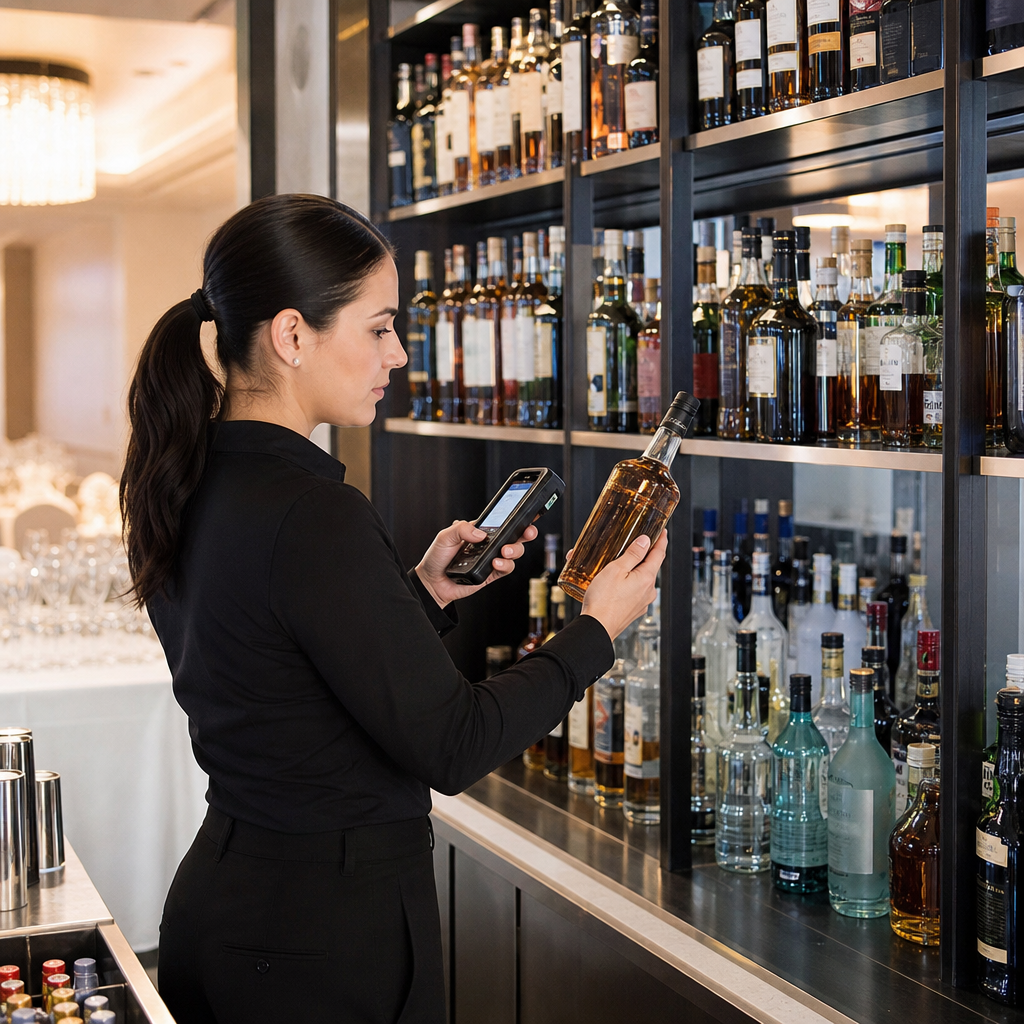
The image depicts a sleek modern bar setup with a wellorganized back bar Bottles of various spirits are neatly arranged on shelves illuminated by soft-1

The Challenges of Traditional Bar Inventory Methods

Managing liquor inventory, bar inventory, and alcohol inventory using manual methods can be time-consuming and prone to human error. Traditional pen-and-paper or spreadsheet-based processes often result in inaccurate stock counts, missed discrepancies, and wasted labor hours.

In my experience as a warehouse manager, these outdated systems led to over-ordering, lost products, and higher beverage costs. Reconciling counts with sales and usage was a constant struggle, harming both profitability and operational efficiency.

How Scannabar Transforms Bar Inventory Management

Implementing the Scannabar inventory system brought a significant shift in how we handle liquor inventory and bar inventory. The system’s digital scanning and real-time tracking capabilities have eliminated guesswork and drastically reduced counting errors.

Scannabar integrates seamlessly with our existing POS and ordering systems, ensuring that every bottle, keg, and case is accounted for. This digital transformation has made alcohol inventory management faster, more reliable, and far more transparent.

Key Features of Scannabar for Hospitality Businesses

Scannabar offers advanced features tailored to the unique needs of bars and hospitality operations. The system provides rapid barcode scanning, precise pour tracking, and detailed reporting on inventory movement.

Automated alerts for reordering, customizable inventory reports, and compatibility with various hardware make Scannabar an essential tool for maintaining accurate liquor inventory. Its user-friendly interface allows for quick onboarding and minimal training for staff.

Maximizing Profit and Reducing Waste with Accurate Tracking

With Scannabar, we have been able to pinpoint sources of shrinkage and unauthorized usage, directly improving our beverage cost control. The accurate data provided by the system empowers us to make smarter purchasing decisions and optimize stock levels.

Accurate alcohol inventory tracking has also enabled us to identify slow-moving products and reduce waste. This has directly contributed to increased profitability by ensuring we only order what we need and reduce excess inventory.

Implementing Scannabar: Best Practices for Success

To get the most from Scannabar, it’s crucial to regularly update your product database and ensure all staff are trained on proper scanning procedures. Setting up scheduled inventory audits and leveraging the system’s reporting tools can further enhance accuracy and accountability.

Working closely with Scannabar’s support team during the initial setup helped us tailor the system to our specific needs, ensuring a smooth transition and immediate improvements in workflow and productivity.

Topics: Bar inventory, Restaurant Inventory, Scannabar Inventory system, liquor inventory system, liquor inventory app, Best Bar Inventory app, Best Liquor Inventory app

Streamlining Restaurant Inventory: Solutions for 2025

Posted by Nick Kaoukis on Thu, Nov, 06, 2025 @ 17:11 PM

Discover how cutting-edge inventory solutions are transforming restaurant operations, reducing waste, and boosting profitability in 2025.The image features a modern bar interior showcasing a sleek polished wooden bar counter lined with an array of colorful liquor bottles Behind the bar shelves are filled with various spirits each illuminated by soft ambient lighting A bartender dresse

The Evolution of Restaurant Inventory Management

Restaurant inventory management has come a long way from the days of manual stocktaking and paper logs. In the past, operators relied heavily on spreadsheets, handwritten notes, and time-consuming routines to keep track of perishables and supplies. Errors, over-ordering, and waste were common, impacting both costs and customer satisfaction.

Fast forward to 2025, and the landscape looks remarkably different. With the advent of digital tools and cloud-based systems, restaurant owners now have real-time visibility into their inventory. These advancements have led to more informed purchasing decisions, accurate forecasting, and streamlined operations that are essential in today’s competitive market.

Harnessing Technology: Automation and AI in 2025

The integration of automation and artificial intelligence (AI) is revolutionizing restaurant inventory management in 2025. Smart sensors, IoT-enabled shelves, and automated reordering systems now monitor stock levels down to individual ingredients, triggering restocks only when needed. This minimizes overstocking, prevents spoilage, and ensures menu items are always available.

AI-driven analytics further enhance decision-making by predicting trends, seasonality, and even supplier performance. Restaurants can now anticipate demand spikes, optimize their storage space, and negotiate better deals with suppliers, resulting in increased profitability and reduced operational headaches.

Best Practices for Reducing Food Waste and Shrinkage

Reducing food waste and shrinkage remains a top priority for forward-thinking restaurants. In 2025, best practices include implementing precise portion controls, leveraging expiration tracking, and conducting regular inventory audits—all aided by digital tools. Automated alerts prompt staff to use soon-to-expire products first, while recipe management software ensures consistent ingredient usage.

Additionally, fostering a culture of sustainability and accountability among staff contributes to waste reduction efforts. Many restaurants now partner with local charities to donate surplus food, further minimizing waste and enhancing community relations.

Integrating Inventory with Supply Chain and POS Systems

Seamless integration between inventory management, supply chain platforms, and point-of-sale (POS) systems is a game-changer in 2025. Real-time data flows across these systems allow restaurants to instantly adjust orders based on sales trends, inventory levels, and supplier availability.

This integration not only improves accuracy but also enhances agility, enabling quick responses to disruptions or changing customer preferences. As a result, restaurants can maintain optimal stock levels, reduce lead times, and offer a consistently high level of service to their guests.

Future Trends Shaping Restaurant Inventory Solutions

Looking ahead, several emerging trends are set to further transform restaurant inventory management. Blockchain technology promises enhanced transparency and traceability throughout the supply chain, while sustainability metrics are increasingly embedded into inventory platforms to support eco-friendly initiatives.

Augmented reality (AR) and voice-activated assistants are also making inroads, simplifying inventory checks and staff training. As these innovations continue to evolve, restaurants embracing the latest inventory solutions will remain agile, sustainable, and profitable in the ever-changing foodservice landscape.

Topics: Scannabar Inventory system, managing liquor inventory cost, liquor inventory system, Best Bar Inventory app, Best Liquor Inventory app, Scannabar inventory app

Shrinkage Reduction Tools: Boosting Warehouse Efficiency

Posted by Nick Kaoukis on Thu, Oct, 30, 2025 @ 09:10 AM

Discover how innovative shrinkage reduction tools can transform warehouse operations, minimize losses, and maximize profitability in the retail sector.

Understanding Shrinkage: The Hidden Threat to Retail Warehouseswarehouse inventory

As CEO, I recognize that shrinkage—loss of inventory due to theft, administrative errors, or mismanagement—remains a persistent and costly challenge for retail warehouses. Often, these losses go unnoticed until they significantly impact the bottom line, eroding profitability and undermining operational efficiency.

Addressing shrinkage is not just about plugging leaks in inventory; it’s about gaining visibility and control over every product that moves through the warehouse. Effective shrinkage management is crucial for maintaining customer trust, ensuring product availability, and sustaining healthy margins in a highly competitive industry.

Key Shrinkage Reduction Tools Revolutionizing the Industry

The evolution of inventory management tools has empowered warehouses to proactively combat shrinkage. Solutions like the Scannabar inventory app are revolutionizing how businesses track, audit, and secure their stock. With real-time data capture, barcode scanning, and automated reporting, these tools significantly reduce manual errors and provide actionable insights into inventory movements.

By integrating advanced analytics and digital inventory logs, these tools allow us to identify patterns of loss and quickly address vulnerabilities. This industry shift toward smarter, data-driven tools marks a new era for loss prevention strategies.

Implementing Technology-Driven Solutions for Loss Prevention

Implementing technology such as the Scannabar inventory app offers a robust layer of protection against shrinkage. The app’s intuitive interface enables staff to conduct rapid and accurate inventory counts, reducing opportunities for theft and misplacement. Automated alerts and discrepancy reports ensure immediate action when anomalies are detected.

Moreover, cloud-based systems enable centralized oversight, allowing managers to monitor multiple warehouses and locations from a single platform. This connected approach not only streamlines operations but also creates a transparent audit trail that reinforces accountability across the organization.

Best Practices for Training Warehouse Staff on Shrinkage Tools

A crucial aspect of leveraging shrinkage reduction tools is ensuring staff are well-trained and comfortable with the technology. We recommend comprehensive onboarding sessions, regular refresher courses, and hands-on demonstrations to build confidence and proficiency in using inventory apps like Scannabar.

Fostering a culture of accountability and technological literacy not only enhances efficiency, but also empowers employees to actively participate in loss prevention. Clear communication of protocols and expectations ensures that everyone understands the importance of accurate inventory management.

Maximizing ROI Through Efficient Shrinkage Reduction Strategies

Investing in shrinkage reduction tools like Scannabar yields measurable returns. By minimizing losses, optimizing stock levels, and automating labor-intensive processes, businesses can realize significant cost savings and profitability gains. The real-time data provided by these tools supports data-driven decision-making, further enhancing operational agility.

Ultimately, adopting innovative shrinkage reduction strategies positions warehouses to thrive in an ever-evolving retail landscape. The combined effect of reduced losses, improved inventory accuracy, and empowered staff translates directly into maximized ROI and a stronger competitive edge.

Topics: Bar inventory, Liquor Inventory savings, bar inventory system, bar inventory software, Best Bar Inventory app, Best Liquor Inventory app, Cruise ship bar inventory, Country Club Liquor Inventory

How Scannabar Revolutionized Our Bar Inventory Management

Posted by Nick Kaoukis on Wed, Aug, 27, 2025 @ 14:08 PM

Discover how Scannabar's advanced inventory software has transformed our bar operations, boosting efficiency and profitability.

Streamlined Inventory Processes

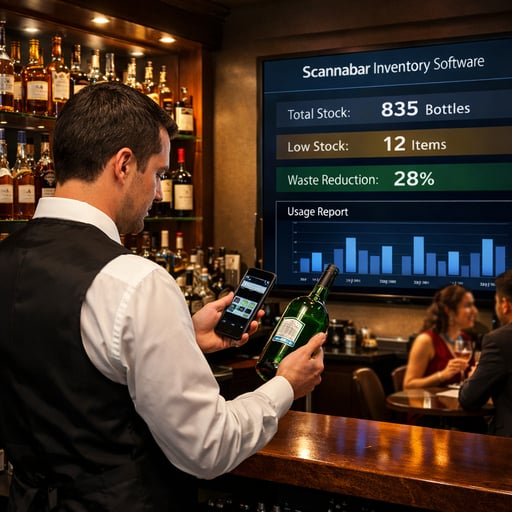
The image features a sleek modern interface of the Scannabar Inventory application displayed on a tablet set against a backdrop of a bustling bar environment The screen shows vibrant graphs and charts illustrating realtime inventory levels stock usag-1Since implementing Scannabar, our inventory processes have become remarkably streamlined. The software's user-friendly interface allows us to quickly and efficiently track our stock levels, reducing the time spent on manual inventory tasks.

The automated system ensures that we always know what we have in stock, what needs to be ordered, and when. This has not only saved us countless hours but has also significantly reduced the margin for human error.

Enhanced Accuracy and Reduced Waste

One of the most significant improvements we've seen with Scannabar is the enhanced accuracy it brings to our inventory management. The software provides precise measurements and tracking, which has greatly minimized discrepancies and errors.

As a result, we've been able to reduce waste dramatically. By knowing exactly what we have and what we need, we can avoid over-ordering and ensure that our inventory is used efficiently.

Real-time Data and Insights

Scannabar offers real-time data and insights that are invaluable for making informed decisions. The software provides detailed reports and analytics that help us understand our inventory trends, sales patterns, and stock movements.

This real-time information allows us to adjust our ordering and stocking strategies on the fly, ensuring that we always have the right products available for our customers without overstocking.

Improved Staff Training and Accountability

The implementation of Scannabar has also had a positive impact on staff training and accountability. The software's intuitive design makes it easy for new staff members to learn and use, reducing the training time required.

Furthermore, Scannabar tracks each staff member's interactions with the inventory, fostering a sense of accountability and responsibility. This has led to a more disciplined and reliable team, as everyone knows their actions are being monitored and recorded.

Boosted Overall Profitability

Ultimately, the improvements brought by Scannabar have had a direct impact on our bottom line. By streamlining processes, enhancing accuracy, providing real-time insights, and improving staff accountability, we've seen a significant boost in our overall profitability.

The reduction in waste and the ability to make data-driven decisions have allowed us to operate more efficiently and effectively, ensuring that we maximize our profits while maintaining high standards of service for our customers.

Topics: liquor inventory, Bar inventory, Scannabar Inventory system, Bar Management, liquor control, liquor inventory app, Best Bar Inventory app, Best Liquor Inventory app, Country Club Liquor Inventory, Scannabar inventory app

The Importance of Properly Counting Inventory in Your Bar's Coolers and Beer Fridges

Posted by John Cammalleri on Wed, Aug, 20, 2025 @ 13:08 PM

Proper inventory management in your bar's coolers and beer fridges is crucial for preventing theft, ensuring customer satisfaction, and maintaining cleanliness. The Scannabar inventory app can help you achieve this quickly and optimally.

Preventing Theft With Regular Inventory ChecksBeer Cooler Inventory

Frequent inventory checks are your first line of defense against theft. By regularly counting the stock in your coolers and beer fridges, you can quickly spot discrepancies that may indicate internal theft or supplier issues. Consistently monitoring inventory levels helps ensure that every item is accounted for, reducing the likelihood of theft.

In addition to preventing theft, regular inventory checks help you identify patterns and trends, allowing you to make informed decisions about ordering and stocking. This proactive approach not only safeguards your assets but also contributes to overall operational efficiency.

Ensuring Your Coolers and Beer Fridges Are Fully Stocked

A fully stocked cooler or beer fridge is essential for maintaining customer satisfaction. When customers have a variety of options to choose from, they are more likely to find something they enjoy, leading to increased sales and repeat business. Regular inventory checks ensure that you are always aware of what needs to be restocked, preventing the disappointment of running out of popular items.

Moreover, keeping your coolers and beer fridges well-stocked helps you manage your supply chain more effectively. It allows you to place timely orders, avoid overstocking, and reduce the risk of spoilage or expired products, ultimately saving you money.

Maintaining Cleanliness and Hygiene Standards

Cleanliness and hygiene are paramount in the hospitality industry. Regular inventory checks provide an excellent opportunity to inspect your coolers and beer fridges for cleanliness. A clean and well-organized fridge not only looks professional but also ensures that your products remain in optimal condition.

By incorporating cleanliness checks into your inventory routine, you can maintain high hygiene standards, comply with health regulations, and provide a safe environment for your customers. This practice also extends the lifespan of your refrigeration equipment, reducing maintenance costs and downtime.

How Scannabar Streamlines Your Inventory Process

The Scannabar inventory app is a game-changer for bar owners looking to streamline their inventory process. This app allows you to quickly and accurately count stock using barcode scanning technology, significantly reducing the time and effort required for manual counts. With Scannabar, you can easily track inventory levels, manage orders, and generate detailed reports, all from a single platform.

Scannabar's user-friendly interface makes it easy for your staff to learn and use, ensuring that inventory checks are done consistently and correctly. By automating many aspects of the inventory process, Scannabar frees up your time to focus on other important aspects of running your bar.

Boosting Efficiency and Accuracy with Scannabar

Efficiency and accuracy are crucial for effective inventory management, and Scannabar excels in both areas. The app's precise scanning technology minimizes human error, ensuring that your inventory counts are always accurate. This accuracy is vital for making informed decisions about ordering and stocking, ultimately leading to better financial management.

In addition to accuracy, Scannabar boosts efficiency by streamlining the entire inventory process. Automated reports and real-time data updates provide you with valuable insights into your inventory trends, helping you optimize stock levels and reduce waste. With Scannabar, you can achieve a higher level of operational efficiency, allowing you to focus on delivering an exceptional customer experience.

Topics: beer inventory, Scannabar Inventory system, beer system, bar theft, beer, Best Bar Inventory app, Best Liquor Inventory app, Scannabar inventory app

5 Most Important Things to Consider When Purchasing Products for a Bar and Restaurant

Posted by Nick Kaoukis on Wed, Aug, 06, 2025 @ 17:08 PM

Running a successful bar and restaurant requires more than just serving great food and drinks; it involves making smart purchasing decisions to ensure quality, efficiency, and customer satisfaction.

Hotel Bar InvetoryQuality and Durability of Products

When running a bar and restaurant, the quality and durability of your products are paramount. High-quality products not only ensure a better customer experience but also reduce the frequency of replacements, saving you money in the long run. For instance, investing in durable kitchen equipment, sturdy glassware, and quality furniture can make a significant difference in the day-to-day operations of your establishment.

It's also essential to consider the materials used in the products. Stainless steel, for example, is known for its durability and ease of cleaning, making it an excellent choice for kitchen appliances. Similarly, high-grade glassware can withstand frequent use and washing without chipping or breaking.

Supplier Reliability and Reputation

The reliability and reputation of your suppliers can greatly impact your business. A dependable supplier ensures that you receive your products on time, which is crucial for maintaining smooth operations. A good reputation typically indicates that the supplier provides high-quality products and excellent customer service.

To assess a supplier's reliability, look for reviews and testimonials from other businesses. It's also a good idea to establish a strong relationship with your suppliers, as this can lead to better prices and priority service. Don’t be afraid to ask for references or visit the supplier’s facilities to get a firsthand look at their operations.

Cost-Effectiveness and Budget Management

Balancing quality with cost is a key consideration when purchasing products for your bar and restaurant. It's important to create a budget and stick to it while ensuring that the products you buy meet your quality standards. Bulk purchasing can often lead to discounts, but be cautious about overstocking items that may have a limited shelf life.

Additionally, consider the total cost of ownership, which includes not just the purchase price but also maintenance and operational costs. For example, energy-efficient appliances might have a higher upfront cost but can save you money on utility bills over time.

Compliance with Health and Safety Regulations

Compliance with health and safety regulations is non-negotiable in the hospitality industry. Ensuring that the products you purchase meet local, state, and federal regulations will help you avoid fines and keep your customers safe. This includes everything from food storage containers to cleaning supplies and kitchen equipment.

It's essential to stay updated on the latest health and safety guidelines, as these can change. Working with suppliers who are knowledgeable about these regulations can help ensure that the products you purchase are compliant.

Customer Preferences and Trends

Understanding and catering to customer preferences and trends can set your bar and restaurant apart from the competition. Stay informed about the latest trends in food and beverage, as well as customer expectations for service and ambiance. This might mean investing in trendy glassware, sustainable products, or even specialty ingredients for your menu.

Gathering feedback from your customers can provide valuable insights into what they like and what they would like to see more of. This information can guide your purchasing decisions and help you stay ahead of the curve.

Topics: Bar inventory, Bar trends, Bar products, Beer stock, Best Bar Inventory app, Best Liquor Inventory app

How Scannabar Helps Reduce Inventory Shrinkage in Warehouses

Posted by Nick Kaoukis on Mon, Aug, 04, 2025 @ 13:08 PM

Inventory shrinkage is a costly issue for warehouses, but Scannabar offers a cutting-edge solution that helps businesses maintain accurate stock levels and minimize losses.

The Hidden Costs of Inventory Shrinkage

Inventory shrinkage, which includes losses due to theft, damage, misplacement, and administrative errors, can significantly impact a warehouse's bottom line. Often, these losses are not immediately apparent but accumulate over time, eroding profits and affecting operational efficiency.Warehouse Inventory

The financial impact extends beyond just the cost of the lost items. It includes the cost of labor to manage discrepancies, the potential loss of customer trust due to stockouts, and the administrative burden of reconciling inventory records. Addressing shrinkage is crucial for maintaining healthy profit margins and operational integrity.

Why Real-Time Inventory Tracking Matters

In a fast-paced warehouse environment, having real-time visibility into inventory levels is essential. It allows businesses to respond quickly to low stock levels, adjust orders, and avoid overstocking or stockouts. Real-time tracking helps maintain a balance between supply and demand, ensuring that the right products are available when needed.

Moreover, real-time data enables better decision-making. Managers can analyze trends, forecast demand more accurately, and optimize storage space. This proactive approach reduces inefficiencies and enhances overall productivity.

How Scannabar Enhances Stock Accuracy

Scannabar leverages advanced barcoding and scanning technology to ensure precise inventory tracking. Each item in the warehouse is tagged with a unique barcode, which is scanned upon arrival, movement, and dispatch. This process minimizes human errors and provides an accurate, up-to-date record of stock levels.

Additionally, Scannabar integrates seamlessly with existing warehouse management systems, allowing for real-time updates and synchronization across all platforms. This integration ensures that inventory data is consistent and reliable, facilitating efficient stock management and reducing discrepancies.

Minimizing Theft with Scannabar's Advanced Features

Theft, both internal and external, is a significant contributor to inventory shrinkage. Scannabar addresses this issue with robust security features. The app tracks every movement of inventory, from receiving to shipping, creating a detailed audit trail. This transparency acts as a deterrent to potential thieves and helps identify and address suspicious activities promptly.

Furthermore, Scannabar's user access controls ensure that only authorized personnel can access certain areas of the inventory system. This layered security approach reduces the risk of unauthorized access and potential theft.

Case Studies: Success Stories with Scannabar

Many businesses have successfully implemented Scannabar to combat inventory shrinkage. For example, a leading consumer goods warehouse reported a 30% reduction in shrinkage within the first six months of using Scannabar. The real-time tracking and detailed audit trails helped identify problem areas and streamline inventory management processes.

Another case involved a mid-sized distribution center that faced frequent stock discrepancies. After adopting Scannabar, they experienced improved stock accuracy and reduced labor costs associated with manual inventory checks. These success stories highlight the tangible benefits of using Scannabar for inventory management.

Topics: Hotel Inventory, Liquor Inventory savings, Food Storage, Best Bar Inventory app, Best Liquor Inventory app, Cruise ship bar inventory, Country Club Liquor Inventory

Effective Inventory Control Tips Using Scannabar

Posted by Nick Kaoukis on Thu, Jan, 02, 2025 @ 09:01 AM

Unlock the secrets to mastering inventory control in the hospitality industry with Scannabar. Elevate your business efficiency and profitability with these proven tips.

Harnessing Technology for Precision Inventory Management

Opening_a_barIn the fast-paced world of hospitality, precision in inventory management can make or break your business. Scannabar leverages advanced technology to ensure that every bottle, can, or keg is accurately tracked. By automating inventory processes, you reduce the risk of human error and ensure real-time updates.

With Scannabar, you can easily scan items, update stock levels, and generate reports, allowing you to stay on top of your inventory with minimal effort. This not only saves time but also provides you with precise data to make informed decisions.

Streamlining Operations to Reduce Waste and Overhead

Efficient operations are key to reducing waste and overhead costs in your bar. Scannabar helps streamline your inventory management by providing you with the tools to monitor stock levels and usage patterns closely. This enables you to identify slow-moving items and adjust your purchasing strategy accordingly.

By maintaining optimal stock levels, you can minimize waste from expired products and reduce the overhead costs associated with overstocking. Scannabar's intuitive interface makes it easy to keep track of what you have, what you need, and when you need it.

Enhancing Transparency and Accountability Among Staff

Transparency and accountability are crucial in maintaining an efficient bar operation. Scannabar promotes these values by offering features that track who handled inventory and when. This level of transparency helps in identifying discrepancies and holding staff accountable for their actions.

Regular audits and real-time monitoring of inventory levels also discourage theft and misuse of stock. With Scannabar, staff members are more likely to follow best practices, knowing that their actions are being monitored and recorded.

Leveraging Data Analytics for Better Decision Making

Data analytics are a powerful tool in the hospitality industry, providing insights that can drive better decision-making. Scannabar offers robust analytics that help you understand trends, forecast demand, and optimize your inventory accordingly.

By analyzing data on sales, stock levels, and usage patterns, you can make informed decisions that improve efficiency and profitability. Scannabar's analytics tools provide you with the information you need to fine-tune your operations and stay ahead of the competition.

Improving Customer Satisfaction through Efficient Inventory Control

Customer satisfaction is paramount in the hospitality industry, and efficient inventory control plays a significant role in achieving it. With Scannabar, you can ensure that popular items are always in stock, reducing the chances of disappointing your customers.

Efficient inventory management also means faster service, as staff spend less time searching for items and more time attending to customers. By providing a seamless and enjoyable experience, you encourage repeat business and positive word-of-mouth, both of which are essential for long-term success.

Topics: Bar inventory, Hotel Inventory, Bar trends, Bar Management, Hotel Bar Inventory, Best Bar Inventory app, Best Liquor Inventory app