Expert Advice on Hospitality Topics

How Real-Time Stock Monitoring Optimizes Banquet Inventory Management

Posted by Nick Kaoukis on Mon, Feb, 09, 2026 @ 09:02 AM

Discover how real-time stock monitoring transforms banquet operations by eliminating waste, preventing stockouts, and maximizing profitability in your hospitality venue.

The Hidden Costs of Manual Inventory Tracking in Banquet Operations

Manual inventory tracking in banquet operations comes with significant hidden costs that extend far beyond the obvious time investment. Every hour your staff spends counting bottles, tallying supplies, and recording data on clipboards or spreadsheets is an hour taken away from guest service and revenue-generating activities. These labor costs compound quickly, especially in busy banquet facilities where multiple events may occur simultaneously, requiring frequent inventory checks across various storage locations.

Beyond labor inefficiencies, manual tracking introduces substantial margin for human error. Miscounts, missed items, and transcription mistakes lead to inaccurate stock levels that cascade into poor purchasing decisions. You might over-order items that are already adequately stocked, tying up capital in excess inventory, or worse, run out of critical supplies mid-event, forcing last-minute emergency purchases at premium prices. These errors also make it nearly impossible to accurately track pour costs and identify potential theft or over-pouring issues.

The lack of real-time visibility in manual systems means you're always operating with outdated information. By the time you've completed a full inventory count and entered the data, stock levels have already changed. This delay prevents proactive decision-making and leaves you constantly reacting to problems rather than preventing them. For banquet operations where timing and precision are everything, this reactive approach can seriously damage your reputation and bottom line.

What Real-Time Stock Monitoring Means for Your Banquet Business

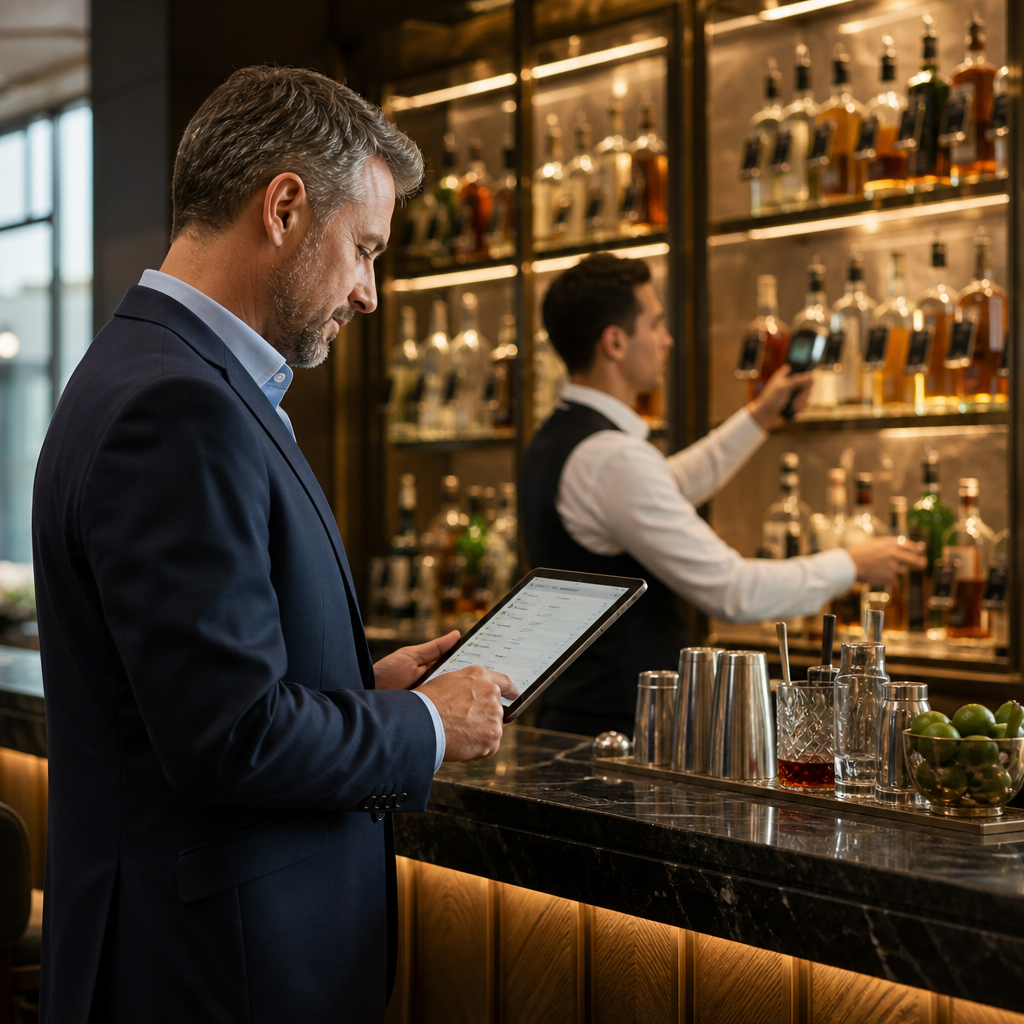
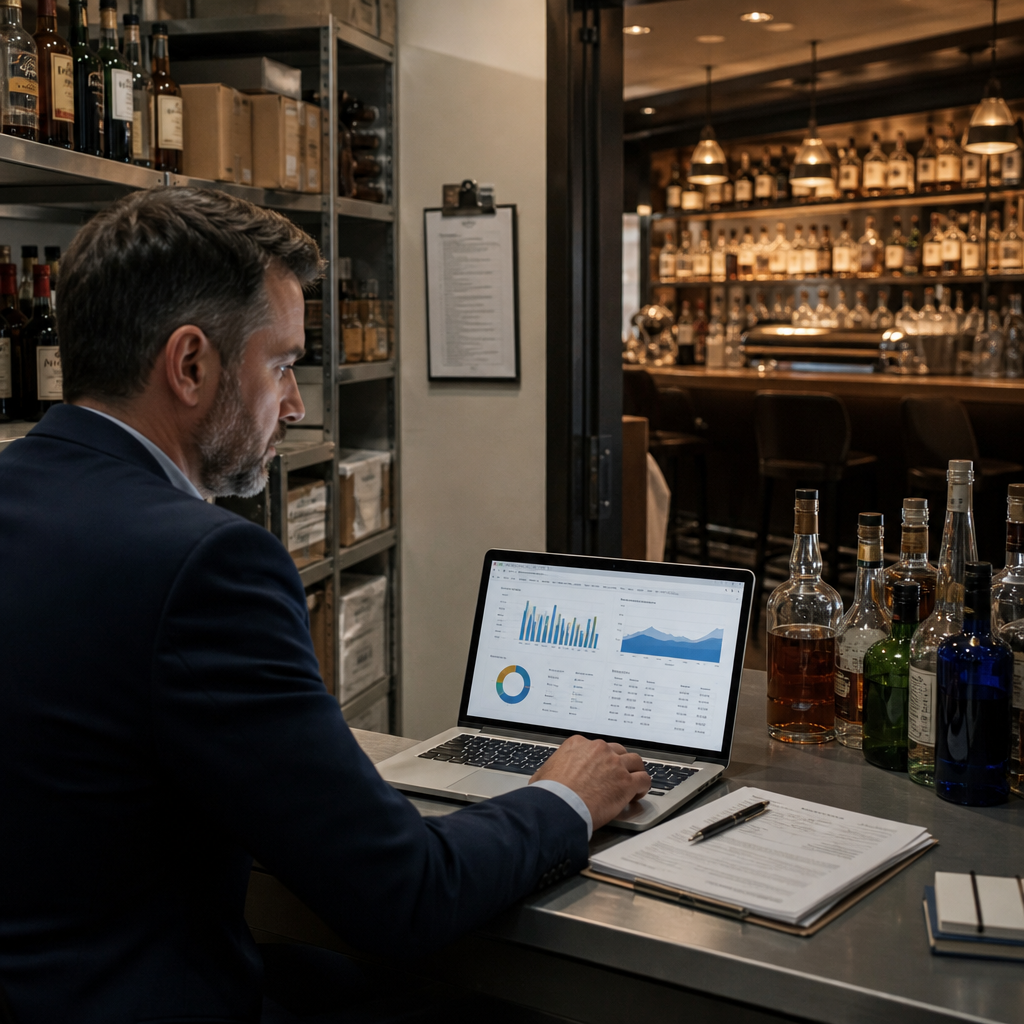
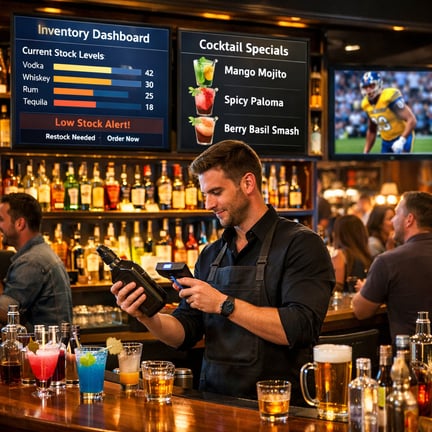
The image depicts a modern banquet hall bustling with activity during a highprofile event Elegant round tables are adorned with pristine white tableclReal-time stock monitoring revolutionizes how banquet facilities manage their inventory by providing instant, accurate visibility into stock levels at any moment. This technology eliminates the guesswork and delays inherent in traditional inventory methods, allowing managers to access up-to-the-minute data on every item in their inventory from any device, anywhere. Whether you're on the banquet floor, in a planning meeting, or reviewing operations from home, you have complete transparency into what's in stock, what's running low, and what needs to be ordered.

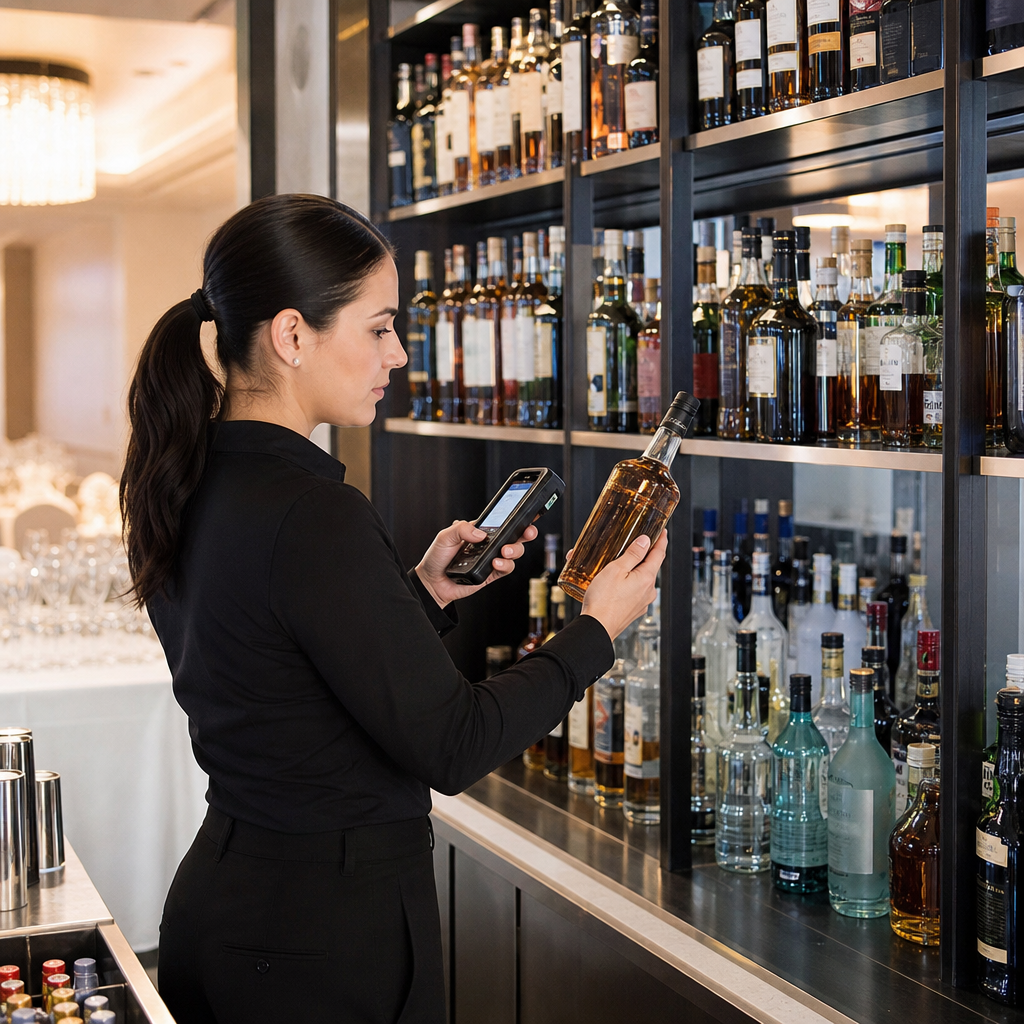
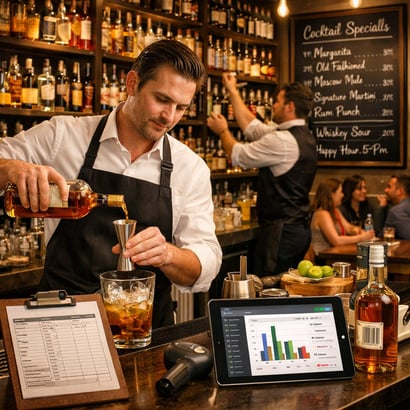
The Scannabar inventory app exemplifies this modern approach to banquet inventory management. Using simple barcode scanning technology, staff can quickly update inventory levels in seconds rather than spending hours with pen and paper. The app automatically calculates stock values, tracks usage patterns, and generates detailed reports that give you actionable insights into your banquet operations. This seamless integration of technology means your inventory data is always current, always accurate, and always accessible.

Real-time monitoring also enables dynamic inventory management that adapts to your banquet schedule. You can track inventory consumption by event type, identify which items are used most frequently during specific seasons or occasions, and adjust your purchasing accordingly. This level of granular insight was simply impossible with manual tracking methods and empowers you to make data-driven decisions that optimize both service quality and profitability.

Preventing Stockouts During High-Volume Events and Peak Seasons

Stockouts during major banquet events represent one of the most damaging failures in hospitality operations. When you run out of a signature cocktail ingredient, premium wine selection, or essential food item during a wedding reception or corporate gala, you're not just losing immediate revenue—you're potentially losing future bookings and damaging your venue's reputation. Real-time stock monitoring provides the early warning system you need to prevent these catastrophic scenarios before they occur.

With live inventory data, you can set customized alerts that notify you when stock levels drop below predetermined thresholds. This proactive approach means you receive notifications well before items run out, giving you adequate time to reorder and restock. The Scannabar app takes this further by analyzing your historical usage patterns and upcoming event schedule to predict when you'll need to reorder specific items, accounting for lead times and ensuring supplies arrive exactly when needed.

Peak seasons like wedding season, holiday parties, and conference periods put extraordinary pressure on banquet inventory systems. Real-time monitoring allows you to scale your inventory management to meet these demands without over-investing in stock during slower periods. You can track consumption rates across multiple simultaneous events, identify which bars or service areas are depleting fastest, and redistribute inventory as needed to ensure no event suffers from shortages. This agility is impossible to achieve with manual systems that only provide periodic snapshots of inventory levels.

The integration of real-time data with your event calendar creates a powerful planning tool. You can review upcoming banquet bookings, assess the menu and beverage requirements for each event, and verify that you have sufficient inventory to fulfill all commitments. This forward-looking capability eliminates the panic and scrambling that often accompanies high-volume periods and allows your team to deliver consistently excellent service regardless of how busy your schedule becomes.

Reducing Food Waste and Controlling Costs with Live Inventory Data

Food and beverage waste represents one of the largest controllable expenses in banquet operations, yet many venues lack the visibility needed to effectively address it. Real-time inventory monitoring shines a spotlight on waste by tracking exactly what's being used, what's expiring, and where losses are occurring. This transparency allows you to identify patterns and implement targeted strategies to reduce waste and protect your profit margins.

Live inventory data reveals critical insights about product shelf life and turnover rates. You can identify slow-moving items before they expire and take corrective action—whether that means featuring them in special promotions, adjusting portion sizes, or simply ordering less in the future. The Scannabar app's reporting features highlight these opportunities by showing you which items have been sitting in inventory longest and calculating the financial impact of potential waste, enabling you to make informed decisions about product mix and ordering quantities.

Accurate, real-time tracking also helps you identify and address theft, over-pouring, and unauthorized consumption—all significant sources of inventory shrinkage in banquet operations. When you can compare actual usage against expected consumption based on event orders and guest counts, discrepancies become immediately apparent. This accountability naturally reduces losses and ensures that your inventory is being used efficiently and appropriately.

Cost control extends beyond waste reduction to encompass smarter purchasing decisions. With comprehensive data on usage patterns, seasonal variations, and price trends, you can optimize your ordering to take advantage of bulk discounts and favorable pricing while avoiding over-investment in slow-moving stock. Real-time monitoring also facilitates better vendor management by providing concrete data about delivery accuracy, product quality issues, and pricing consistency, strengthening your negotiating position and ensuring you're getting the best value for your inventory investment.

Implementing Smart Inventory Systems for Seamless Banquet Management

Implementing a smart inventory system like Scannabar in your banquet operation doesn't require a complete overhaul of your existing processes or extensive technical expertise. The key to successful implementation is starting with a clear understanding of your current inventory challenges and specific goals for improvement. Begin by conducting a comprehensive baseline inventory count to establish accurate starting data, then introduce the system gradually, starting with your highest-value or most frequently used items before expanding to your full inventory.

Training your staff is critical to successful adoption of any new technology. The beauty of modern inventory apps like Scannabar is their intuitive design—most staff members can learn the basic scanning and counting functions in just minutes. Focus your training on consistency and accuracy, emphasizing how the system benefits both the operation and individual employees by reducing tedious manual counting and eliminating the confusion that comes from outdated inventory information. When your team understands that the technology makes their jobs easier rather than more complicated, adoption becomes natural and enthusiastic.

Integration with your existing systems amplifies the value of real-time inventory monitoring. Connect your inventory data with your point-of-sale system, event management software, and purchasing workflows to create a seamless flow of information across your entire operation. This integration eliminates duplicate data entry, reduces errors, and provides a holistic view of your banquet business. The Scannabar app offers integration capabilities that allow it to work harmoniously with other hospitality management tools, creating a unified ecosystem that supports efficient operations.

Continuous improvement should be built into your inventory management approach. Use the detailed analytics and reports generated by your smart inventory system to regularly review performance, identify trends, and refine your processes. Schedule monthly or quarterly reviews to assess key metrics like inventory turnover, waste percentages, stockout incidents, and carrying costs. These reviews provide opportunities to celebrate successes, address persistent challenges, and adjust your inventory strategies to align with evolving business needs. The real-time data you've been collecting becomes the foundation for ongoing optimization that keeps your banquet operation competitive and profitable.

The return on investment from implementing smart inventory systems typically manifests quickly through reduced waste, improved purchasing efficiency, and decreased labor costs. Most banquet operations find that the system pays for itself within months through these tangible savings, while also delivering intangible benefits like improved staff morale, better guest experiences, and greater operational confidence. By embracing real-time stock monitoring technology, you're not just modernizing your inventory management—you're positioning your banquet business for sustained success in an increasingly competitive hospitality landscape.

Topics: Bar inventory, Hotel Inventory, Scannabar Inventory system, Liquor Inventory savings, Hotel Bar Inventory, Best Bar Inventory app, Best Liquor Inventory app, Cruise ship bar inventory, Country Club Liquor Inventory, Scannabar inventory app, Scannabar Inventory Software

Effective Strategies for Beverage Waste Reduction at Sea

Posted by Nick Kaoukis on Wed, Jan, 21, 2026 @ 09:01 AM

Discover innovative and practical methods to minimize beverage waste on cruise ships and marine hospitality venues while boosting sustainability and profits.

Understanding the Impact of Beverage Waste in Marine Hospitality

The image depicts a modern cruise ship bar bustling with activity The bar is elegantly designed featuring polished wooden surfaces and chrome fixturesBeverage waste is a significant challenge for cruise ships and marine hospitality operations, impacting both profitability and the environment. Wasted beverages translate directly into lost revenue and increased operational costs, as every unused or discarded drink represents not only a sunk cost in ingredients, but also in storage, transportation, and disposal.


Additionally, beverage waste contributes to the overall environmental footprint of a cruise ship. Improperly managed waste can lead to pollution, strain waste management systems, and affect the sustainability goals of the hospitality industry at sea. Understanding the magnitude and sources of beverage waste is the first step toward crafting effective solutions.

Implementing Smart Inventory Management for Beverage Service

Smart inventory management is crucial to minimizing beverage waste on cruise ships. By accurately tracking inventory levels, usage patterns, and expiration dates, staff can avoid over-ordering and reduce the risk of spoilage. Using data-driven forecasting tools allows beverage managers to align supply with actual guest demand, ensuring products are consumed at their freshest.

Routine audits and implementing a first-in, first-out (FIFO) system further decrease waste by ensuring older stock is used before new arrivals. The right inventory process also helps in identifying slow-moving items, enabling menu adjustments and promotions to boost their consumption and avoid waste.

Staff Training and Engagement for Waste Reduction Success

A successful waste reduction strategy hinges on the buy-in and awareness of the entire crew. Comprehensive training programs should educate staff about the financial and environmental costs of beverage waste and empower them with practical steps to minimize it, such as precise pouring, responsible portioning, and timely restocking.

Engaging staff through incentives, recognition programs, and ongoing feedback fosters a culture of accountability and innovation. When crew members are invested in waste reduction, they are more likely to identify inefficiencies and suggest improvements that directly impact the operation’s sustainability and bottom line.

Innovative Technologies and Solutions for Onboard Waste Minimization

Emerging technologies are revolutionizing how cruise ships manage beverage waste. Automated inventory systems, smart dispensers, and connected point-of-sale (POS) solutions provide real-time data on consumption, helping to pinpoint waste hotspots and streamline ordering processes.

Other innovations include beverage recycling systems, on-demand mixing machines that minimize leftovers, and digital tracking tools that monitor waste trends. Investing in these technologies not only reduces waste but also enhances operational efficiency and guest satisfaction by ensuring popular items are always available and fresh.

Promoting Guest Participation in Sustainable Beverage Practices

Guests play a vital role in supporting beverage waste reduction initiatives. Cruise lines can engage their guests through educational campaigns, visible signage, and interactive programs that highlight the importance of sustainability and responsible consumption at sea.

Offering incentives for guests to finish their drinks, choose refillable options, or participate in green initiatives fosters a sense of shared responsibility. By involving passengers in waste reduction efforts, cruise ships not only minimize waste but also strengthen their brand reputation as champions of environmental stewardship.

Topics: Bar inventory, Restaurant Inventory, Scannabar Inventory system, Liquor Inventory savings, Loss prevention, Hotel Bar Inventory, Cruise ship bar inventory, Scannabar inventory app, Speakeasy

Shrinkage Reduction Tools: Boosting Warehouse Efficiency

Posted by Nick Kaoukis on Thu, Oct, 30, 2025 @ 09:10 AM

Discover how innovative shrinkage reduction tools can transform warehouse operations, minimize losses, and maximize profitability in the retail sector.

Understanding Shrinkage: The Hidden Threat to Retail Warehouseswarehouse inventory

As CEO, I recognize that shrinkage—loss of inventory due to theft, administrative errors, or mismanagement—remains a persistent and costly challenge for retail warehouses. Often, these losses go unnoticed until they significantly impact the bottom line, eroding profitability and undermining operational efficiency.

Addressing shrinkage is not just about plugging leaks in inventory; it’s about gaining visibility and control over every product that moves through the warehouse. Effective shrinkage management is crucial for maintaining customer trust, ensuring product availability, and sustaining healthy margins in a highly competitive industry.

Key Shrinkage Reduction Tools Revolutionizing the Industry

The evolution of inventory management tools has empowered warehouses to proactively combat shrinkage. Solutions like the Scannabar inventory app are revolutionizing how businesses track, audit, and secure their stock. With real-time data capture, barcode scanning, and automated reporting, these tools significantly reduce manual errors and provide actionable insights into inventory movements.

By integrating advanced analytics and digital inventory logs, these tools allow us to identify patterns of loss and quickly address vulnerabilities. This industry shift toward smarter, data-driven tools marks a new era for loss prevention strategies.

Implementing Technology-Driven Solutions for Loss Prevention

Implementing technology such as the Scannabar inventory app offers a robust layer of protection against shrinkage. The app’s intuitive interface enables staff to conduct rapid and accurate inventory counts, reducing opportunities for theft and misplacement. Automated alerts and discrepancy reports ensure immediate action when anomalies are detected.

Moreover, cloud-based systems enable centralized oversight, allowing managers to monitor multiple warehouses and locations from a single platform. This connected approach not only streamlines operations but also creates a transparent audit trail that reinforces accountability across the organization.

Best Practices for Training Warehouse Staff on Shrinkage Tools

A crucial aspect of leveraging shrinkage reduction tools is ensuring staff are well-trained and comfortable with the technology. We recommend comprehensive onboarding sessions, regular refresher courses, and hands-on demonstrations to build confidence and proficiency in using inventory apps like Scannabar.

Fostering a culture of accountability and technological literacy not only enhances efficiency, but also empowers employees to actively participate in loss prevention. Clear communication of protocols and expectations ensures that everyone understands the importance of accurate inventory management.

Maximizing ROI Through Efficient Shrinkage Reduction Strategies

Investing in shrinkage reduction tools like Scannabar yields measurable returns. By minimizing losses, optimizing stock levels, and automating labor-intensive processes, businesses can realize significant cost savings and profitability gains. The real-time data provided by these tools supports data-driven decision-making, further enhancing operational agility.

Ultimately, adopting innovative shrinkage reduction strategies positions warehouses to thrive in an ever-evolving retail landscape. The combined effect of reduced losses, improved inventory accuracy, and empowered staff translates directly into maximized ROI and a stronger competitive edge.

Topics: Bar inventory, Liquor Inventory savings, bar inventory system, bar inventory software, Best Bar Inventory app, Best Liquor Inventory app, Cruise ship bar inventory, Country Club Liquor Inventory

How Scannabar Helps Reduce Inventory Shrinkage in Warehouses

Posted by Nick Kaoukis on Mon, Aug, 04, 2025 @ 13:08 PM

Inventory shrinkage is a costly issue for warehouses, but Scannabar offers a cutting-edge solution that helps businesses maintain accurate stock levels and minimize losses.

The Hidden Costs of Inventory Shrinkage

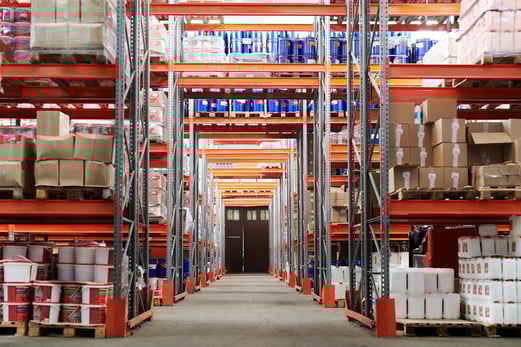
Inventory shrinkage, which includes losses due to theft, damage, misplacement, and administrative errors, can significantly impact a warehouse's bottom line. Often, these losses are not immediately apparent but accumulate over time, eroding profits and affecting operational efficiency.Warehouse Inventory

The financial impact extends beyond just the cost of the lost items. It includes the cost of labor to manage discrepancies, the potential loss of customer trust due to stockouts, and the administrative burden of reconciling inventory records. Addressing shrinkage is crucial for maintaining healthy profit margins and operational integrity.

Why Real-Time Inventory Tracking Matters

In a fast-paced warehouse environment, having real-time visibility into inventory levels is essential. It allows businesses to respond quickly to low stock levels, adjust orders, and avoid overstocking or stockouts. Real-time tracking helps maintain a balance between supply and demand, ensuring that the right products are available when needed.

Moreover, real-time data enables better decision-making. Managers can analyze trends, forecast demand more accurately, and optimize storage space. This proactive approach reduces inefficiencies and enhances overall productivity.

How Scannabar Enhances Stock Accuracy

Scannabar leverages advanced barcoding and scanning technology to ensure precise inventory tracking. Each item in the warehouse is tagged with a unique barcode, which is scanned upon arrival, movement, and dispatch. This process minimizes human errors and provides an accurate, up-to-date record of stock levels.

Additionally, Scannabar integrates seamlessly with existing warehouse management systems, allowing for real-time updates and synchronization across all platforms. This integration ensures that inventory data is consistent and reliable, facilitating efficient stock management and reducing discrepancies.

Minimizing Theft with Scannabar's Advanced Features

Theft, both internal and external, is a significant contributor to inventory shrinkage. Scannabar addresses this issue with robust security features. The app tracks every movement of inventory, from receiving to shipping, creating a detailed audit trail. This transparency acts as a deterrent to potential thieves and helps identify and address suspicious activities promptly.

Furthermore, Scannabar's user access controls ensure that only authorized personnel can access certain areas of the inventory system. This layered security approach reduces the risk of unauthorized access and potential theft.

Case Studies: Success Stories with Scannabar

Many businesses have successfully implemented Scannabar to combat inventory shrinkage. For example, a leading consumer goods warehouse reported a 30% reduction in shrinkage within the first six months of using Scannabar. The real-time tracking and detailed audit trails helped identify problem areas and streamline inventory management processes.

Another case involved a mid-sized distribution center that faced frequent stock discrepancies. After adopting Scannabar, they experienced improved stock accuracy and reduced labor costs associated with manual inventory checks. These success stories highlight the tangible benefits of using Scannabar for inventory management.

Topics: Hotel Inventory, Liquor Inventory savings, Food Storage, Best Bar Inventory app, Best Liquor Inventory app, Cruise ship bar inventory, Country Club Liquor Inventory

The Secrets of Being a Successful Bar Manager

Posted by Nick Kaoukis on Tue, Mar, 05, 2024 @ 14:03 PM

Discover the key strategies and skills needed to excel as a bar manager and ensure the success of your establishment.

Bar ManagerBuilding a Strong Team

Building a strong team is crucial for the success of any bar business. A cohesive and efficient team can greatly contribute to the overall atmosphere and customer experience. As a bar manager, it is important to hire the right individuals who not only possess the necessary skills but also have a passion for the industry. Conduct thorough interviews and carefully select candidates who align with the values and goals of your establishment.

Once you have assembled your team, it is essential to provide them with proper training and ongoing support. This includes teaching them about your bar's unique offerings, such as signature cocktails or craft beers, and ensuring they have the knowledge to provide exceptional customer service. Foster a positive work environment where teamwork is encouraged, and recognize and reward your employees for their hard work and dedication.

Effective Inventory Management

Effective inventory management is vital for running a profitable bar business. It involves keeping track of all the products and supplies you have on hand, as well as monitoring their usage and ordering more when necessary. Implementing a reliable inventory management system can help you streamline the process and minimize waste.

Start by conducting regular inventory counts to accurately assess your stock levels. This will help you identify any discrepancies and prevent theft or loss. Additionally, categorize your inventory based on type and popularity to prioritize reordering. Consider using technology, such as bar management software, to automate the inventory tracking process and generate reports that provide valuable insights into your bar's performance.

By effectively managing your inventory, you can reduce costs, minimize stockouts, and ensure you always have the necessary ingredients and supplies to meet customer demand.

Creating a Unique Bar Experience

In order to stand out in a competitive industry, it is crucial to create a unique bar experience that sets your establishment apart from others. Start by defining your bar's concept and theme. This could be based on a specific cuisine, a particular type of drink, or a certain atmosphere. Consider what makes your bar special and find ways to highlight those features.

Pay attention to the ambiance of your bar by carefully selecting the decor, lighting, and music. Create a welcoming and comfortable environment that appeals to your target audience. Additionally, focus on providing exceptional customer service by training your staff to be knowledgeable, friendly, and attentive.

Offering a variety of innovative and creative drink options can also contribute to a unique bar experience. Consider crafting signature cocktails or partnering with local breweries to offer a selection of unique and exclusive beers. Regularly update your menu to keep things fresh and exciting for your customers.

Marketing and Promotions

Effective marketing and promotions are essential for attracting new customers and keeping your current patrons engaged. Develop a comprehensive marketing strategy that utilizes various channels, such as social media, email marketing, and local advertising.

Create a strong online presence by maintaining active social media accounts and regularly posting engaging content. This can include sharing updates about new drink specials, hosting events, or featuring customer testimonials. Consider partnering with influencers or local businesses to expand your reach and attract a wider audience.

In addition to digital marketing, explore opportunities for offline promotions. This can include hosting themed nights, offering happy hour specials, or partnering with local charities or organizations for fundraising events. Make sure to track the effectiveness of your marketing efforts by analyzing data and adjusting your strategies accordingly.

Adapting to Industry Trends

Staying up-to-date with industry trends is crucial for the success of your bar business. The preferences and expectations of customers are constantly evolving, and it is important to adapt and stay relevant. Keep an eye on emerging drink trends, such as craft cocktails or low-alcohol options, and incorporate them into your menu.

Additionally, consider the growing demand for sustainable practices and make efforts to reduce your bar's environmental impact. This can include using eco-friendly materials, implementing recycling programs, or sourcing ingredients from local and sustainable suppliers.

Stay informed about industry events and conferences to learn from industry experts and network with other bar managers. Join industry associations or online forums where you can exchange ideas and stay updated on the latest trends and best practices.

By continuously adapting to industry trends, you can ensure that your bar remains competitive and appealing to your target audience.

Topics: Bar inventory, Lineup control, Bar Management, Liquor Inventory savings, Best Bar Inventory app, Best Liquor Inventory app, Cruise ship bar inventory

5 Exciting Bar Trends to Look Out for in 2024

Posted by John Cammalleri on Tue, Feb, 13, 2024 @ 09:02 AM

Discover the top 5 bar trends that will shape the industry in 2024 and revolutionize the way we enjoy our drinks.

Sustainable and eco-friendly practices

In 2024, one of the top trends in bars will be the adoption of sustainable and eco-friendly practices. Bars will strive to reduce their carbon footprint by implementing practices such as using biodegradable straws, composting organic waste, and sourcing locally grown produce. Customers will appreciate the efforts of bars to contribute to a healthier planet while enjoying their favorite drinks.

Another aspect of sustainable practices that will gain popularity in 2024 is the use of renewable energy sources. Bars will invest in solar panels and energy-efficient equipment to minimize their reliance on non-renewable resources. This commitment to sustainability will not only attract environmentally conscious customers but also help bars save on energy costs in the long run.

Virtual reality experiences

Another exciting trend that will dominate the bar industry in 2024 is the integration of virtual reality experiences. Bars will offer customers the opportunity to step into immersive virtual worlds while enjoying their drinks. Whether it's exploring exotic locations, participating in virtual cocktail-making classes, or engaging in interactive games, virtual reality will provide a unique and entertaining experience for bar-goers.

Virtual reality experiences will not only enhance the entertainment factor but also allow bars to differentiate themselves from competitors. Customers will be drawn to bars that offer innovative and interactive experiences, making virtual reality a must-have trend for bars in 2024.

Artisanal and locally sourced ingredients

In 2024, bars will focus on elevating the quality of their drinks by using artisanal and locally sourced ingredients. Customers will increasingly appreciate the craftsmanship and unique flavors that come with using artisanal ingredients. From small-batch spirits to handcrafted bitters and syrups, bars will showcase the best of local and regional flavors.

By sourcing ingredients locally, bars will also support local farmers and producers, contributing to the growth of the community. This trend will not only enhance the overall taste and quality of drinks but also create a stronger connection between bars and their local surroundings.

Alcohol-free and low-alcohol options

As the demand for healthier lifestyle choices continues to grow, bars in 2024 will offer a wide range of alcohol-free and low-alcohol options. Customers who prefer to avoid or reduce alcohol consumption will have plenty of choices beyond traditional mocktails. Bars will experiment with creative and sophisticated non-alcoholic beverages that are equally enjoyable and refreshing.

Low-alcohol options, such as spritzers and session beers, will also gain popularity among customers who want to enjoy a drink without the accompanying buzz. Bars will recognize the importance of catering to diverse preferences and will ensure that everyone can find a drink that suits their taste and lifestyle.

Technology integration

The integration of technology will be a key trend in bars in 2024. Bars will leverage technology to enhance the overall customer experience, streamline operations, and provide personalized recommendations. From mobile ordering and payment systems to interactive menus and self-serve stations, technology will play a significant role in transforming the way bars operate.

Customers will be able to use their smartphones to browse the menu, place orders, and even customize their drinks. Bars will also utilize data and analytics to understand customer preferences and offer personalized recommendations based on individual tastes. This seamless integration of technology will not only improve efficiency but also create a more interactive and convenient bar experience for customers.

Topics: Bar inventory, Bar trends, Classic drinks, Bar products, Beer stock, Best Bar Inventory app, Best Liquor Inventory app, Cruise ship bar inventory