Expert Advice on Hospitality Topics

Maximize Margins Using Real-Time Stock Tracking in Your Bar

Posted by Nick Kaoukis on Fri, Mar, 13, 2026 @ 09:03 AM

Discover how real-time inventory management can transform your bar's profitability by eliminating waste, preventing theft, and uncovering hidden revenue opportunities.

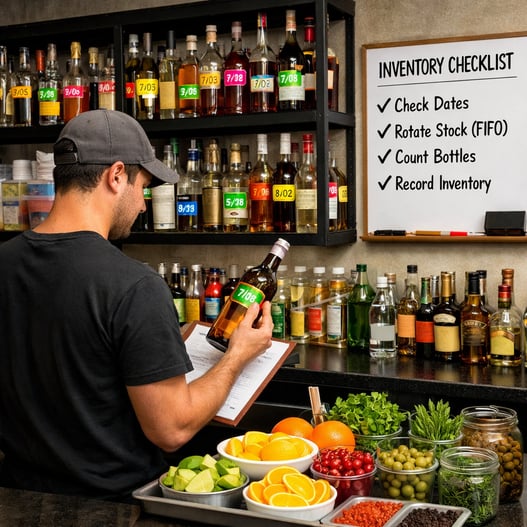
TThe image features a sleek modern interface of the Scannabar Inventory application displayed on a tablet set against a backdrop of a bustling bar environment The screen shows vibrant graphs and charts illustrating realtime inventory levels stock usag-1he Hidden Profit Leaks Draining Your Bar's Bottom Line
Every bar owner knows the feeling of watching revenue pour through the doors, only to wonder where all the profit went at the end of the month. The harsh reality is that most bars lose between 20-25% of their potential profits to what industry experts call 'shrinkage'—a polite term for the countless ways inventory mysteriously disappears. From untracked spillage and bartender error to deliberate theft and unrecorded drinks given to friends, these profit leaks compound daily, turning what should be a thriving business into one that barely breaks even.

The traditional approach of weekly or monthly inventory counts simply can't capture these losses in time to prevent them. By the time you discover that three bottles of premium vodka are missing or that your beer kegs are draining faster than sales records indicate, the damage is already done. Without visibility into what's happening behind the bar in real-time, you're essentially flying blind, making business decisions based on outdated information while profit quietly slips away with every shift.

Over-pouring represents another significant drain that most bar owners drastically underestimate. A bartender who pours just a quarter-ounce extra per cocktail might seem generous, but multiply that by hundreds of drinks per night, and you're giving away thousands of dollars in inventory annually. When you factor in drinks that aren't rung up correctly, promotional drinks that aren't tracked, and the inevitable 'one for me, one for you' mentality that develops without oversight, it becomes clear why so many bars struggle with thin margins despite strong sales numbers.

How Real-Time Stock Tracking Transforms Bar Operations

Real-time inventory tracking systems create an unprecedented level of visibility into your bar operations by connecting every pour, sale, and stock movement to a centralized dashboard. Modern pour-tracking technology uses wireless sensors or smart bottle monitoring systems that record each pour automatically, matching it against your point-of-sale data to ensure every drink served is also paid for. This shift from periodic manual counts to continuous automated monitoring fundamentally changes how you manage your business, replacing guesswork with actionable data.

The transformation extends far beyond simply knowing what's in stock. With real-time tracking, you can identify patterns and anomalies as they happen rather than discovering them weeks later during a physical count. When a bottle's depletion rate suddenly accelerates or when sales of a particular cocktail don't match the inventory usage of its ingredients, you're alerted immediately. This allows you to address issues while they're still small and manageable, rather than after they've cost you hundreds or thousands of dollars.

Perhaps most importantly, real-time systems eliminate the tedious manual counting process that eats up valuable management time. Instead of spending hours each week climbing on ladders to check bottles and recording numbers on clipboards, your inventory updates automatically throughout each shift. This frees up your time to focus on what actually drives business growth: creating memorable customer experiences, training your staff, refining your menu, and building your brand. The system works in the background, constantly monitoring and alerting you only when intervention is needed.

Catching Theft and Over-Pouring Before They Impact Your Margins

The uncomfortable truth about bar operations is that not all inventory loss is accidental. Employee theft accounts for a significant portion of shrinkage in the hospitality industry, ranging from bartenders pocketing cash from unrecorded sales to giving away free drinks to friends or over-pouring for better tips. Real-time tracking acts as both a deterrent and a detection system, making it virtually impossible for these practices to continue unnoticed. When employees know that every bottle is monitored and every pour is tracked, the opportunity and temptation for theft diminishes dramatically.

The system works by creating an expected usage baseline for each product based on sales data, then flagging any discrepancies immediately. If your POS system shows ten margaritas were sold but your tequila inventory indicates enough was poured for fifteen, you know there's a problem that needs investigation. The beauty of real-time alerts is that you can address these issues during the shift or immediately afterward, while details are fresh and corrective action is most effective. This immediate feedback loop creates accountability that simply doesn't exist with periodic counting methods.

Over-pouring detection is equally powerful for improving margins. Real-time tracking systems can be calibrated to your exact recipes, measuring the precise amount that should be used for each drink. When a bartender consistently pours more than specified, the system flags this behavior for coaching opportunities. Often, bartenders don't even realize they're over-pouring—they think they're making drinks correctly but lack the precision that comes from proper training and oversight. By identifying these patterns early, you can provide targeted training that improves consistency, reduces waste, and protects your margins without creating an adversarial relationship with your staff.

The psychological impact of having monitoring systems in place cannot be overstated. Even the most honest employees can develop bad habits when they know no one is watching. Real-time tracking creates a culture of accountability where everyone understands that accuracy matters and that the bar's success depends on everyone following procedures. This doesn't mean creating a police state atmosphere—quite the opposite. When implemented with proper training and communication, these systems are seen as tools that help everyone do their jobs better while ensuring the business thrives and can continue providing employment.

Data-Driven Menu Engineering for Maximum Profitability

Real-time inventory data unlocks powerful menu engineering opportunities that most bar owners never realize are available. By analyzing the relationship between what you sell, what it costs to make, and how much profit each item generates, you can strategically design your menu to maximize overall profitability. The data reveals which cocktails are your true profit drivers and which are actually losing you money once you account for all the ingredients, garnishes, and time required to prepare them.

This granular visibility allows you to calculate the actual pour cost for every drink on your menu with precision. You might discover that your signature cocktail, which seems popular and is priced well, actually has a pour cost of 35% because it uses premium spirits and multiple ingredients, while a simpler whiskey highball generates better margins at only 18% pour cost. Armed with this information, you can make strategic decisions about pricing adjustments, recipe modifications, or promotional focus that dramatically improve your bottom line without alienating customers.

The data also reveals dead weight on your menu—items that take up valuable back bar space but sell infrequently. That boutique gin that seemed like a good idea six months ago but has barely moved represents capital tied up in slow-moving inventory that could be invested in faster-turning products. Real-time tracking shows you exactly how long bottles sit and allows you to make evidence-based decisions about what to discontinue, what to feature more prominently, and what to add based on customer demand patterns.

Perhaps most powerfully, real-time data enables dynamic menu optimization. You can test new cocktails and immediately see their impact on profitability and sales volume. You can adjust recipes to reduce costs while maintaining quality, track whether customers notice or care, and fine-tune until you find the optimal balance. This iterative, data-driven approach to menu development is how successful restaurant groups operate, and real-time inventory systems bring this capability to bars of all sizes.

Implementing Your Real-Time Inventory System for Immediate Results

The key to successful implementation starts with choosing the right system for your bar's specific needs and scale. Options range from comprehensive platforms that integrate pour sensors on every bottle to more affordable solutions that use smart bottle tags or periodic scanning with mobile apps. For most bars, a phased approach works best—start by tracking your highest-value spirits and most popular products, then expand coverage as you see results and build confidence with the system. This allows your staff to adapt gradually while you begin capturing the majority of potential profit leaks immediately.

Staff training and buy-in are absolutely critical to implementation success. Rather than presenting the system as a 'big brother' surveillance tool, frame it as a way to protect the business and ensure everyone shares in its success. Involve your bartenders in the setup process, asking for their input on recipe specifications and standard pours. When staff members feel like partners in the process rather than suspects under surveillance, they'll embrace the system and help identify opportunities for improvement. Consider offering performance bonuses tied to improved pour costs or reduced shrinkage to align everyone's incentives.

Integration with your existing POS system is the next crucial step. The real power of inventory tracking comes from matching usage data against sales data, which requires seamless communication between systems. Most modern inventory platforms offer integrations with popular POS systems, but you'll need to ensure your product libraries match up correctly and that bartenders are trained to ring items in consistently. This might require some cleanup of your POS database and standardization of how items are entered, but this foundational work pays dividends in data accuracy.

Once your system is operational, commit to actually using the data it generates. Set aside time weekly to review reports, identify trends, and follow up on alerts. Look for patterns in shrinkage by shift, day of the week, or specific product categories. Celebrate improvements with your team and address issues promptly and professionally. The bars that see the most dramatic margin improvements aren't necessarily those with the most sophisticated systems—they're the ones whose owners actively engage with their data and make continuous small adjustments based on what they learn. Real-time inventory tracking is a tool, not a magic solution, but in the hands of an engaged operator, it's one of the most powerful profit improvement tools available in the hospitality industry.

Topics: Bar inventory, Bar trends, Scannabar Inventory system, Bar Management, Beer stock, Best Bar Inventory app, Best Liquor Inventory app, Scannabar inventory app, Scannabar Inventory Software

Best March Madness Viewing Venues for Basketball Fans

Posted by Nick Kaoukis on Wed, Mar, 11, 2026 @ 09:03 AM

Discover the ultimate destinations where sports bars, hotels, and entertainment venues transform March Madness into an unforgettable experience with premium viewing setups, exciting atmospheres, and fan-favorite amenities.

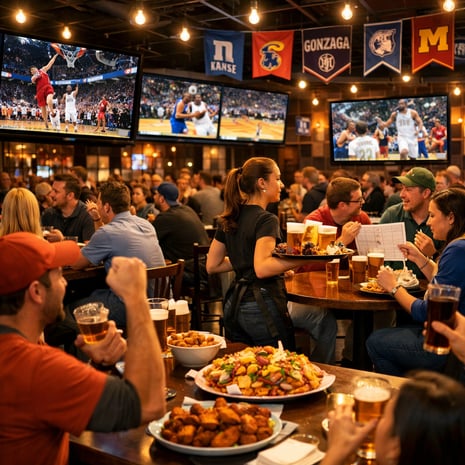
Why the Right Venue Makes All the Difference During March MadnessThe image depicts a lively sports bar bustling with excitement during March Madness Large HD screens hang from the walls showcasing multiple basketbal-1

March Madness is more than just a basketball tournament—it's a cultural phenomenon that brings together millions of fans for three weeks of non-stop excitement, buzzer-beaters, and Cinderella stories. While you could certainly watch the games from your couch, choosing the right venue elevates the entire experience from casual viewing to an unforgettable celebration of college basketball. The energy of a crowd erupting after a game-winning three-pointer, the camaraderie of fellow fans debating bracket picks, and the electric atmosphere that only comes from watching with other passionate supporters—these are the elements that transform March Madness from good to legendary.

The venue you choose sets the tone for your entire tournament experience. A great location offers more than just a screen—it provides the perfect combination of viewing quality, food and drink options, comfortable seating, and that intangible buzz that makes every possession feel more intense. Whether you're a die-hard fan who needs to watch every game or a casual viewer who just wants to catch the biggest matchups, selecting the right headquarters for your March Madness experience ensures you'll have the best seat in the house when those bracket-busting moments happen. From the opening tip-off of the First Four to the final seconds of the championship game, your venue choice can make or break your tournament memories.

Sports Bars That Deliver the Ultimate Game Day Experience

Sports bars remain the gold standard for March Madness viewing, and for good reason. The best establishments dedicate every screen to tournament action, ensuring you won't miss a single upset while you're focused on another game. Look for sports bars that offer wall-to-wall HD screens positioned strategically throughout the venue, so whether you're at the bar, in a booth, or grabbing another round of wings, you'll always have a perfect view. Many top-tier sports bars also provide individual audio controls or have designated sections for different games, allowing you to tune into the broadcast that matters most to your bracket.

The food and drink offerings at sports bars are specifically designed for marathon viewing sessions. Classic game day fare like buffalo wings, loaded nachos, sliders, and pizza provide the perfect fuel for hours of basketball action. Many bars create special March Madness menus with themed items and bucket deals that keep your group satisfied without constant trips to the counter. The beverage selection typically includes a wide variety of craft and domestic beers, creative cocktails, and non-alcoholic options, often with tournament-themed specials and happy hour deals that run during afternoon games.

What truly sets sports bars apart is the atmosphere they cultivate during March Madness. The collective roar when an underdog pulls off an upset, the groans when someone's Final Four pick goes down, and the friendly trash talk between rival fans create an energy that simply can't be replicated at home. Many sports bars host bracket challenges with prizes, organize raffles during timeouts, and create viewing communities that return year after year. The staff at dedicated sports bars understand the tournament's significance and work to enhance the experience, whether that means quickly switching audio between games or ensuring your table is ready before the prime-time matchups begin.

Hotels with Championship-Caliber Viewing Parties and Packages

Major hotels and resorts have recognized March Madness as a prime opportunity to create destination viewing experiences, particularly in cities known for their sports culture or those hosting tournament games. Upscale hotels often transform their ballrooms, poolside areas, or sports lounges into premium viewing venues complete with massive projection screens, superior sound systems, and VIP seating arrangements. These venues combine the excitement of public viewing with elevated amenities that include premium food and beverage service, comfortable lounge seating, and sometimes even dedicated concierge services to ensure your experience is seamless.

Many hotels create complete March Madness packages that bundle accommodations with viewing party access, making them ideal for groups traveling from out of town or locals who want to turn the tournament into a special getaway. These packages often include perks like complimentary breakfast, late checkout to recover from late-night overtime thrillers, welcome amenities with tournament-themed treats, and sometimes even tickets to live games if the hotel is in a host city. The convenience factor is unmatched—you can enjoy the games, indulge in the festivities, and simply take an elevator to your room without worrying about transportation.

Hotel viewing parties often attract a more diverse crowd than traditional sports bars, creating a unique social atmosphere where business travelers, tourists, and local fans mingle. The food and beverage offerings typically skew upscale, with craft cocktail programs, premium beer selections, and menus that go beyond standard bar fare to include items like gourmet flatbreads, artisanal sliders, and elevated appetizer spreads. Some hotels partner with celebrity chefs or local restaurants to provide catering that matches the championship-level experience. For fans who appreciate a more refined environment without sacrificing the excitement of communal viewing, hotel viewing parties offer the best of both worlds.

Entertainment Complexes Offering Immersive Basketball Experiences

Entertainment complexes and lifestyle centers have emerged as exciting alternatives for March Madness viewing, offering experiences that go far beyond simply watching games. These venues—which include bowling alleys with full bars and restaurant service, Dave & Buster's-style arcade bars, Top Golf locations, and large-scale entertainment destinations—allow you to actively participate in games and activities between tournament matchups. You can shoot hoops on arcade basketball games during halftime, bowl a few frames during a blowout, or challenge friends to interactive games while keeping one eye on the screens showing live tournament action.

The multi-screen setup at entertainment complexes rivals or exceeds traditional sports bars, with dozens of large-format displays ensuring the games are visible from virtually anywhere in the venue. The advantage of these locations is that they cater equally well to different engagement levels within your group. While the hardcore fans can post up near a screen to analyze every possession, others can enjoy other activities and still catch the big moments. This makes entertainment complexes particularly popular for corporate outings, large friend groups with varying interest levels, or families who want to keep younger members entertained during the slower games.

Food and drink programs at modern entertainment complexes have evolved significantly, with many offering full-service restaurants, extensive menus with creative options, and craft beverage programs that compete with standalone bars. Special March Madness promotions might include game-day food specials, drink packages, or activity bundles that provide better value for extended stays. The festive, high-energy environment these venues naturally possess amplifies during the tournament, creating a carnival-like atmosphere where the basketball games are the main event but not the only attraction. For groups looking to make March Madness viewing part of a larger entertainment experience, these complexes deliver excitement on multiple levels.

What to Look for When Choosing Your March Madness Headquarters

Selecting the perfect March Madness venue requires considering several key factors that will determine your overall experience. Screen quantity and quality should top your list—you'll want a location with enough screens showing different games simultaneously, positioned so you can track multiple matchups without constantly craning your neck. Screen size matters, but so does display quality; a crisp, properly calibrated HD or 4K display makes a significant difference when you're watching for hours. Audio capability is equally important; can they play sound from multiple games, and do they provide clear audio that cuts through the crowd noise?

Seating arrangements and overall comfort become critical considerations during a tournament that spans several weeks with games running from noon until midnight. Look for venues with a variety of seating options—bar stools for solo viewers or couples, tables for groups, and comfortable lounge areas for settling in during marathon viewing sessions. Check whether reservations are accepted, especially for prime-time games and weekends, and understand the venue's policy on table holding during busy periods. Adequate space between tables and good sightlines to screens from all seating areas prevent frustration when the venue fills up.

Menu variety, food quality, and value for money deserve careful evaluation, especially if you plan to make a venue your regular tournament headquarters. Review the menu in advance to ensure it offers options everyone in your group will enjoy, including vegetarian selections, shareable appetizers, and heartier entrées for dinner games. Drink specials and happy hour timing can significantly impact your overall spend, particularly during afternoon sessions. Consider the service model—full table service provides convenience, while counter service might mean faster access during peak times.

Location and logistics complete the venue selection process. Consider proximity to your home or office, parking availability and costs, and public transportation access if you plan to enjoy alcoholic beverages. Check the venue's March Madness-specific policies—do they offer bracket challenges, require minimums during peak games, or host special events for Final Four weekend? Read recent reviews focusing on how the venue handles major sporting events, as some locations are better equipped and staffed for tournament crowds than others. Taking time to evaluate these factors ensures you'll find the perfect March Madness headquarters that matches your priorities and enhances your tournament experience from the first tip-off to the championship celebration.

Topics: Bar trends, Bar products, Beer stock, Bar Promotion, Best Bar Inventory app, Sports Bar, NCAA Basketball, March Madness

The Ultimate Agave Spirits Guide: Tequila and Beyond

Posted by Nick Kaoukis on Wed, Mar, 04, 2026 @ 09:03 AM

Discover the rich world of agave spirits, from premium tequila to artisanal mezcal, and elevate your bar program with authentic Mexican flavors that keep guests coming back for more.

Understanding the Agave Plant: The Heart of Mexico's Spirit Heritage

The image depicts an elegant bar setting illuminated by soft warm lighting Behind the bar shelves are lined with an impressive array of bottles featur-1The agave plant stands as a symbol of Mexican culture and craftsmanship, serving as the foundation for some of the world's most beloved spirits. This succulent, often mistaken for a cactus, thrives in Mexico's diverse climates and has been cultivated for centuries. With over 200 species of agave growing throughout the region, only specific varieties are used to produce the spirits we know and love today. The blue agave (Agave tequilana Weber) is exclusively used for tequila production, while mezcal can be crafted from over 30 different agave species, each imparting unique flavor characteristics.

The lifecycle of an agave plant is a testament to patience and dedication. Most agave plants require between 7 to 10 years to reach maturity, with some varieties taking up to 25 years before they're ready for harvest. This extended growing period allows the plant to develop complex sugars in its core, or piña, which can weigh anywhere from 40 to 200 pounds when fully matured. The timing of harvest is crucial—too early and the sugars haven't fully developed, too late and the plant may begin to flower, diverting energy away from the piña.

Understanding the terroir of agave is essential for appreciating the nuances in your glass. The soil composition, elevation, rainfall, and temperature all influence the flavor profile of the final spirit. Highland agave, grown at higher elevations, tends to produce spirits with sweeter, more floral notes, while lowland agave often yields earthier, more mineral-driven flavors. This geographical diversity is what makes agave spirits so fascinating and varied, offering endless exploration opportunities for both bartenders and enthusiasts alike.

Tequila Essentials: From Blanco to Extra Añejo

Tequila must be produced in specific regions of Mexico, primarily in the state of Jalisco, and must contain at least 51% blue agave sugars (though premium tequilas are 100% agave). The classification system for tequila is based primarily on aging time, with each category offering distinct characteristics. Blanco, or silver tequila, is unaged or rested for less than two months, showcasing the pure, crisp agave flavors with notes of citrus, pepper, and herbs. This is the most versatile category for cocktails and allows you to taste the true essence of the agave plant.

Reposado tequila, meaning 'rested,' is aged in oak barrels for two months to one year, developing a golden hue and mellower flavor profile. The oak aging introduces vanilla, caramel, and light spice notes while maintaining the agave character. Añejo, or 'aged' tequila, spends one to three years in oak barrels, resulting in a darker amber color and more complex flavors reminiscent of fine cognac or whiskey. Extra Añejo, the newest official category established in 2006, requires a minimum of three years aging and produces ultra-premium expressions with deep, rich flavors of dried fruit, chocolate, and tobacco.

When selecting a premium tequila, always look for '100% Agave' on the label—this guarantees that no other sugars were used in fermentation. Premium tequilas are typically produced using traditional methods, including slow-roasting the piñas in brick ovens or autoclaves, and may employ tahona wheels (large stone wheels) for crushing. Look for bottles with NOM numbers, which identify the distillery, allowing you to trace the tequila's origins. Avoid tequilas labeled as 'mixto,' which contain only the minimum 51% agave and often have added sugars, colorings, and flavorings that result in inferior quality and harsher hangovers.

Mezcal and the Smoky Revolution in Craft Cocktails

Mezcal is tequila's older, more artisanal cousin, and while all tequila is technically mezcal, not all mezcal is tequila. The key distinction lies in production methods and regional designation. Mezcal can be produced in nine Mexican states, with Oaxaca accounting for approximately 85% of production. The defining characteristic of mezcal is its distinctive smoky flavor, which comes from roasting agave piñas in underground pit ovens lined with volcanic rocks and covered with earth. This ancient technique, passed down through generations, imparts complex smoky, earthy notes that have captivated the craft cocktail scene.

The diversity of mezcal is staggering, with each agave variety (called maguey in mezcal production) offering unique flavor profiles. Espadín is the most common variety, accounting for about 90% of mezcal production, offering a balanced flavor with notes of smoke, fruit, and herbs. More adventurous options include Tobalá, a small wild agave with delicate, floral notes; Tepeztate, which takes up to 25 years to mature and offers intense mineral and vegetal flavors; and Arroqueño, known for its rich, complex character with hints of tropical fruit and chocolate. These rare expressions command premium prices but offer unparalleled tasting experiences.

The craft cocktail revolution has embraced mezcal for its ability to add depth and complexity to classic recipes. A mezcal Negroni introduces smoky intrigue to the bitter-sweet balance, while a mezcal Old Fashioned offers an earthier alternative to whiskey-based versions. For selecting premium mezcal, look for bottles labeled 'Mezcal Artesanal' or 'Mezcal Ancestral,' which indicate traditional production methods. Check for single-village or single-maestro mezcalero bottlings, as these often represent the most authentic expressions. The ABV can vary widely, from 40% to over 50%, with higher-proof mezcals offering more concentrated flavors. Remember that cloudiness is not a defect—it indicates the presence of natural oils and fats from the agave, a sign of quality production.

Beyond the Basics: Exploring Raicilla, Sotol, and Bacanora

The agave spirits category extends far beyond tequila and mezcal, encompassing regional specialties that are finally gaining international recognition. Raicilla, produced in the mountainous regions of Jalisco, was historically made clandestinely to avoid Spanish colonial taxes. This spirit can be made from various agave species and comes in two main styles: Raicilla de la Costa (coastal) and Raicilla de la Sierra (mountain). Coastal versions tend to be lighter and more vegetal, while mountain raicillas offer more robust, mineral-forward profiles. The production methods are similar to mezcal, with roasting in underground ovens, but raicilla often exhibits less pronounced smoke and more herbal, grassy notes.

Sotol, technically not an agave spirit but often grouped with them, is made from the Desert Spoon plant (Dasylirion) found in the Chihuahuan Desert. This spirit has been produced for over 800 years in the northern states of Chihuahua, Durango, and Coahuila. Sotol plants take 15 to 20 years to mature and can only be harvested once, making sustainable production crucial. The flavor profile is distinctly different from agave spirits, offering fresh, herbaceous notes with hints of pine, citrus, and earth, along with a characteristic mineral quality that reflects its desert terroir. Sotol works beautifully in cocktails where you want a lighter, more refreshing agave-adjacent spirit.

Bacanora, hailing from the state of Sonora, received its own denomination of origin in 2000 after spending decades as an underground spirit. Made exclusively from Agave pacifica (also called Agave yaquiana), bacanora offers a unique flavor profile that bridges tequila and mezcal—it's typically lighter than mezcal but more complex than tequila, with delicate smoke, floral notes, and a distinctive minerality. Production is small-scale and artisanal, making bacanora relatively rare outside Mexico. When selecting these alternative agave spirits, seek out bottles with clear provenance information, traditional production methods, and sustainable harvesting practices. These spirits represent the cutting edge of the agave category and offer exciting opportunities to differentiate your bar program.

Curating Your Agave Spirits Menu for Maximum Guest Satisfaction

Building a comprehensive agave spirits program requires strategic selection across price points and flavor profiles. Start with a solid foundation of 100% agave tequilas covering all major categories: a crisp blanco for margaritas and fresh cocktails, a versatile reposado for sipping or mixing, and at least one añejo for guests seeking sophisticated, spirit-forward experiences. Include both highland and lowland expressions to showcase terroir differences. For mezcal, begin with a reliable espadín-based option for cocktails, then add one or two premium single-agave expressions for enthusiasts. Consider featuring a weekly or monthly rotating special mezcal to keep regulars engaged and exploring.

Education is key to driving agave spirits sales and enhancing guest experiences. Train your staff to articulate the differences between categories and guide guests through selections based on their preferences. Create tasting flights that compare blanco, reposado, and añejo tequilas, or contrast tequila with mezcal to highlight production differences. Develop signature cocktails that showcase each spirit's unique characteristics—a cucumber-jalapeño margarita with blanco tequila, a spiced añejo old fashioned, or a smoky mezcal mule. Print menu descriptions that tell the story behind each bottle, mentioning the producer, region, and production methods to create emotional connections with your offerings.

Pricing strategy should balance accessibility with premium options. Offer well-made, affordable tequilas and mezcals for cocktails and casual sipping, ensuring guests can explore the category without significant investment. Position mid-tier selections as your 'house favorites,' highlighting their quality-to-value ratio. Reserve your ultra-premium bottles for special occasions and serious enthusiasts, presenting them as experience-driven purchases rather than just drinks. Consider offering half-pours or tasting portions of expensive bottles to make them more accessible. Regularly assess your inventory turnover and guest feedback—if a particular bottle isn't moving, use it in a featured cocktail or offer it in a tasting flight. The goal is to create an agave program that educates, excites, and ultimately keeps guests returning to explore Mexico's rich spirits heritage.

Topics: Bar trends, Bar drinks, Beer stock, Tequila brands, mezcal, Tequila

5 Most Important Things to Consider When Purchasing Products for a Bar and Restaurant

Posted by Nick Kaoukis on Wed, Aug, 06, 2025 @ 17:08 PM

Running a successful bar and restaurant requires more than just serving great food and drinks; it involves making smart purchasing decisions to ensure quality, efficiency, and customer satisfaction.

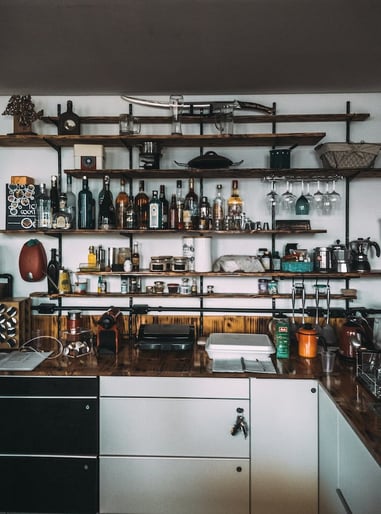
Hotel Bar InvetoryQuality and Durability of Products

When running a bar and restaurant, the quality and durability of your products are paramount. High-quality products not only ensure a better customer experience but also reduce the frequency of replacements, saving you money in the long run. For instance, investing in durable kitchen equipment, sturdy glassware, and quality furniture can make a significant difference in the day-to-day operations of your establishment.

It's also essential to consider the materials used in the products. Stainless steel, for example, is known for its durability and ease of cleaning, making it an excellent choice for kitchen appliances. Similarly, high-grade glassware can withstand frequent use and washing without chipping or breaking.

Supplier Reliability and Reputation

The reliability and reputation of your suppliers can greatly impact your business. A dependable supplier ensures that you receive your products on time, which is crucial for maintaining smooth operations. A good reputation typically indicates that the supplier provides high-quality products and excellent customer service.

To assess a supplier's reliability, look for reviews and testimonials from other businesses. It's also a good idea to establish a strong relationship with your suppliers, as this can lead to better prices and priority service. Don’t be afraid to ask for references or visit the supplier’s facilities to get a firsthand look at their operations.

Cost-Effectiveness and Budget Management

Balancing quality with cost is a key consideration when purchasing products for your bar and restaurant. It's important to create a budget and stick to it while ensuring that the products you buy meet your quality standards. Bulk purchasing can often lead to discounts, but be cautious about overstocking items that may have a limited shelf life.

Additionally, consider the total cost of ownership, which includes not just the purchase price but also maintenance and operational costs. For example, energy-efficient appliances might have a higher upfront cost but can save you money on utility bills over time.

Compliance with Health and Safety Regulations

Compliance with health and safety regulations is non-negotiable in the hospitality industry. Ensuring that the products you purchase meet local, state, and federal regulations will help you avoid fines and keep your customers safe. This includes everything from food storage containers to cleaning supplies and kitchen equipment.

It's essential to stay updated on the latest health and safety guidelines, as these can change. Working with suppliers who are knowledgeable about these regulations can help ensure that the products you purchase are compliant.

Customer Preferences and Trends

Understanding and catering to customer preferences and trends can set your bar and restaurant apart from the competition. Stay informed about the latest trends in food and beverage, as well as customer expectations for service and ambiance. This might mean investing in trendy glassware, sustainable products, or even specialty ingredients for your menu.

Gathering feedback from your customers can provide valuable insights into what they like and what they would like to see more of. This information can guide your purchasing decisions and help you stay ahead of the curve.

Topics: Bar inventory, Bar trends, Bar products, Beer stock, Best Bar Inventory app, Best Liquor Inventory app

5 Exciting Bar Trends to Look Out for in 2024

Posted by John Cammalleri on Tue, Feb, 13, 2024 @ 09:02 AM

Discover the top 5 bar trends that will shape the industry in 2024 and revolutionize the way we enjoy our drinks.

Sustainable and eco-friendly practices

In 2024, one of the top trends in bars will be the adoption of sustainable and eco-friendly practices. Bars will strive to reduce their carbon footprint by implementing practices such as using biodegradable straws, composting organic waste, and sourcing locally grown produce. Customers will appreciate the efforts of bars to contribute to a healthier planet while enjoying their favorite drinks.

Another aspect of sustainable practices that will gain popularity in 2024 is the use of renewable energy sources. Bars will invest in solar panels and energy-efficient equipment to minimize their reliance on non-renewable resources. This commitment to sustainability will not only attract environmentally conscious customers but also help bars save on energy costs in the long run.

Virtual reality experiences

Another exciting trend that will dominate the bar industry in 2024 is the integration of virtual reality experiences. Bars will offer customers the opportunity to step into immersive virtual worlds while enjoying their drinks. Whether it's exploring exotic locations, participating in virtual cocktail-making classes, or engaging in interactive games, virtual reality will provide a unique and entertaining experience for bar-goers.

Virtual reality experiences will not only enhance the entertainment factor but also allow bars to differentiate themselves from competitors. Customers will be drawn to bars that offer innovative and interactive experiences, making virtual reality a must-have trend for bars in 2024.

Artisanal and locally sourced ingredients

In 2024, bars will focus on elevating the quality of their drinks by using artisanal and locally sourced ingredients. Customers will increasingly appreciate the craftsmanship and unique flavors that come with using artisanal ingredients. From small-batch spirits to handcrafted bitters and syrups, bars will showcase the best of local and regional flavors.

By sourcing ingredients locally, bars will also support local farmers and producers, contributing to the growth of the community. This trend will not only enhance the overall taste and quality of drinks but also create a stronger connection between bars and their local surroundings.

Alcohol-free and low-alcohol options

As the demand for healthier lifestyle choices continues to grow, bars in 2024 will offer a wide range of alcohol-free and low-alcohol options. Customers who prefer to avoid or reduce alcohol consumption will have plenty of choices beyond traditional mocktails. Bars will experiment with creative and sophisticated non-alcoholic beverages that are equally enjoyable and refreshing.

Low-alcohol options, such as spritzers and session beers, will also gain popularity among customers who want to enjoy a drink without the accompanying buzz. Bars will recognize the importance of catering to diverse preferences and will ensure that everyone can find a drink that suits their taste and lifestyle.

Technology integration

The integration of technology will be a key trend in bars in 2024. Bars will leverage technology to enhance the overall customer experience, streamline operations, and provide personalized recommendations. From mobile ordering and payment systems to interactive menus and self-serve stations, technology will play a significant role in transforming the way bars operate.

Customers will be able to use their smartphones to browse the menu, place orders, and even customize their drinks. Bars will also utilize data and analytics to understand customer preferences and offer personalized recommendations based on individual tastes. This seamless integration of technology will not only improve efficiency but also create a more interactive and convenient bar experience for customers.

Topics: Bar inventory, Bar trends, Classic drinks, Bar products, Beer stock, Best Bar Inventory app, Best Liquor Inventory app, Cruise ship bar inventory

Keep Track of Your Home Bar Inventory with an App

Posted by Nick Kaoukis on Fri, Dec, 08, 2023 @ 10:12 AM

Discover how an app can revolutionize the way you manage your home bar inventory, ensuring you never run out of your favorite drink again.

Why keeping trapexels-bran-sodre-2115886ck of your home bar inventory is important
Keeping track of your home bar inventory is crucial for several reasons. First and foremost, it allows you to know exactly what you have on hand, preventing you from running out of your favorite drinks when you're in the mood for a cocktail. By keeping a record of your inventory, you can easily plan your shopping trips and ensure you always have the necessary ingredients to make your favorite drinks.

Additionally, tracking your home bar inventory helps you avoid wasting money on duplicate purchases. When you know what you already have, you can avoid buying unnecessary items and save money in the process. It also allows you to keep track of the expiration dates of your beverages, ensuring you use them before they go bad.

Furthermore, by keeping tabs on your home bar inventory, you can easily calculate the cost of your drinks and manage your budget effectively. This can be particularly useful if you enjoy entertaining guests at home and want to keep track of your expenses.

Overall, keeping track of your home bar inventory is important for organization, cost-saving, and ensuring you always have the ingredients you need to enjoy your favorite drinks.

How an app can simplify the process

Managing your home bar inventory can be a time-consuming and tedious task, but with the help of an app, it becomes much easier and more efficient. An app designed specifically for home bar inventory management can simplify the process in several ways.

Firstly, an app can provide a user-friendly interface where you can easily input and update your inventory. Instead of manually writing down every item you have, you can simply scan the barcode or search for the product in the app's database. This saves you time and eliminates the risk of human error.

Secondly, an app can automatically track your purchases and consumption. By linking the app to your receipts or manually inputting your purchases, the app can update your inventory in real-time, making it easier to keep track of what you have and what you need to restock.

Additionally, a home bar inventory app can provide useful features such as recipe suggestions based on the ingredients you have, shopping list generation, and cocktail mixing tips. These features can enhance your overall home bar experience and make it more enjoyable.

In summary, an app can simplify the process of managing your home bar inventory by providing a user-friendly interface, automated tracking, and additional features to enhance your home bar experience.

Features to look for in a home bar inventory app

When choosing a home bar inventory app, there are several key features to consider that can make your inventory management experience even better.

Firstly, look for an app that has a comprehensive database of products. This ensures that you can easily find and add your favorite drinks to your inventory without having to manually input all the details. The app should also allow you to add custom items if needed.

Secondly, consider an app that offers barcode scanning functionality. This feature makes it incredibly convenient to add new items to your inventory by simply scanning the barcode on the product. It saves time and reduces the chances of errors.

Another important feature to look for is the ability to set expiration reminders. This ensures that you use your beverages before they expire and helps you avoid wasting money on spoiled products.

Furthermore, a good home bar inventory app should provide detailed analytics and reports. This allows you to track your consumption patterns, identify popular drinks, and make informed purchasing decisions.

Lastly, consider an app that offers integration with other platforms or devices. For example, if you use a smart home system, it would be beneficial to have an app that can sync with your smart devices and provide you with real-time updates on your inventory.

By considering these features, you can find a home bar inventory app that meets your specific needs and simplifies your inventory management process.

Benefits of using a home bar inventory app

Using a home bar inventory app offers numerous benefits that can greatly enhance your home bar experience.

Firstly, it allows you to have a clear overview of your inventory at all times. With just a few taps on your smartphone, you can see what drinks you have available and easily plan your next cocktail.

Secondly, a home bar inventory app helps you stay organized. Instead of having bottles scattered around your home, the app provides a centralized location where you can keep track of your drinks. This not only makes your home bar area neater but also ensures you can find the specific drink you're looking for quickly.

Additionally, using an app to manage your home bar inventory helps you save money by preventing duplicate purchases. With a clear record of what you already have, you can avoid buying the same bottle twice and focus on trying new drinks instead.

Moreover, a home bar inventory app can inspire creativity and experimentation. Many apps offer recipe suggestions based on the ingredients you have, allowing you to discover new cocktails and expand your mixology skills.

Lastly, using an app to manage your home bar inventory provides you with valuable insights into your drinking habits and preferences. By analyzing the data provided by the app, you can identify which drinks you consume the most, which ones you rarely touch, and adjust your purchasing decisions accordingly.

In summary, using a home bar inventory app brings organization, cost-saving, creativity, and valuable insights to your home bar experience.

Tips for effectively managing your home bar inventory with the app

To effectively manage your home bar inventory with the app, consider the following tips:

1. Regularly update your inventory: Make it a habit to update your inventory whenever you purchase new drinks or finish existing ones. This ensures that your records are always accurate and up to date.

2. Set reminders for expiration dates: Take advantage of the app's expiration reminders feature to ensure you use your beverages before they go bad. This helps you avoid wasting money on spoiled products.

3. Plan your shopping trips: Use the app to create a shopping list based on the items you need to restock. This saves you time and prevents impulse purchases.

4. Explore recipe suggestions: Take advantage of the app's recipe suggestions feature to discover new cocktails and make the most of the ingredients you have. This allows you to experiment and expand your mixology skills.

5. Analyze your consumption patterns: Regularly review the analytics and reports provided by the app to identify your drinking habits and preferences. This can help you make informed purchasing decisions and adjust your inventory accordingly.

By following these tips, you can effectively manage your home bar inventory and make the most out of your app's features.

Topics: Bar inventory, Beer stock, liquor products, liquor inventory system, liquor inventory app, Best Bar Inventory app, Best Liquor Inventory app

Drink Selection: Optimizing Your Liquor Inventory

Posted by Nick Kaoukis on Thu, Sep, 08, 2011 @ 10:09 AM
Draft Beer resized 600By Elizabeth Godsmark
Atlantic Publishing
 

Part 1 of 4: Develop a Successful Beer Program

Beer is a major seller in most bars, clubs and liquor outlets; it accounts for a hefty percentage of sales. Draft beer is particularly popular. It can prove a lucrative area of any beverage operation, if you get it right. It is estimated that wastage, spillage, excess foam, overpouring, poor quality, theft, giveaways and other draft-beer-related problems can drain your operation of an amazing 20 percent of inventory. Never underesti­mate the scope for cost reductions in this area!

  • Promotions. Beer is a perishable product. As draft beer expires quickly, always consider discounting draft beer before bottled beer.

  • Computer-controlled draft beer technology. A good control system is essential. The best type of control is a flow meter attached to each tap. If your usage is over two kegs per week, then you could justify the installation of an electronic device that counts fractions of an ounce. 

  • Foam head. Control the size of the head and really make an impact on cost reductions. A good head of foam is essential, but it is up to you to control the depth of the foam. For example, in a 16-ounce glass, a half-inch head of foam yields around 136 glasses of draft per keg, whereas a one-inch head yields up to 152 glasses per keg. Add up the difference! Train all bartenders to achieve one-inch heads of foam.

  • Stop selling beer in pitchers. Pitchers sell at a lower profit margin than beer by the glass. Although pitchers are a better deal for customers, they do little for your profitability. You're far better off selling four glasses of draft than one pitcher of beer.


This article is an excerpt from the Food Service Professional Guide to Controlling Liquor Wine & Beverage Costs, authored by Elizabeth Godsmark, published by Atlantic Publishing Company. This excerpt has been reprinted with permission of the publisher. To purchase this book go to:

Atlantic Publishing Company
Amazon.com

Topics: Draft Beer, beer inventory, Beer stock