Discover Miami's most electrifying cocktail scene where world-class mixologists craft unforgettable drinks against stunning backdrops of ocean views, art deco architecture, and vibrant nightlife.
Miami's Craft Cocktail Renaissance: Where Innovation Meets Tradition
Miami's bar scene has undergone a remarkable transformation over the past decade, evolving from flashy nightclubs into sophisticated cocktail destinations that rival New York and Los Angeles. The Magic City has become a hotbed for creative mixologists who blend Latin influences with classic cocktail traditions, creating drinks that are as visually stunning as they are delicious. From molecular gastronomy techniques to farm-to-glass ingredients, Miami's bartenders are pushing boundaries while honoring time-tested recipes.
The city's unique cultural melting pot plays a crucial role in this renaissance. Cuban rum heritage merges seamlessly with contemporary craft spirits, while tropical fruits native to South Florida add distinctive flavors you won't find anywhere else. Neighborhoods like Wynwood, Brickell, and South Beach have become epicenters of this movement, each offering its own distinct flavor profile and atmosphere.
What sets Miami apart is the perfect marriage of environment and expertise. Bartenders here understand that a great cocktail experience isn't just about what's in the glass—it's about the ocean breeze, the art deco surroundings, and the electric energy that makes Miami unlike any other city in the world.
Waterfront Watering Holes That Redefine Coastal Sipping
There's nothing quite like sipping a perfectly crafted mojito while watching the sun set over Biscayne Bay. Miami's waterfront bars capitalize on the city's greatest asset—its stunning coastline—by offering experiences that combine world-class mixology with breathtaking water views. The Wharf Miami in Downtown provides an industrial-chic atmosphere right on the Miami River, where you can enjoy craft cocktails while boats drift by and the city skyline glows in the background.
For a more upscale experience, head to Baia Beach Club at the Confidante Miami Beach, where Mediterranean-inspired cocktails complement the sophisticated beachfront ambiance. Their signature drinks incorporate fresh herbs and premium spirits, served against a backdrop of pristine white sand and turquoise waters. The bar seamlessly transitions from lazy afternoon sipping to evening cocktail hour, making it perfect for an all-day visit.
Don't overlook Monty's Raw Bar in Coconut Grove, a local institution that's been serving waterfront cocktails for decades. While it might not have the polish of newer establishments, its authentic Florida Keys vibe and stone crab claws paired with ice-cold margaritas offer an experience that's quintessentially Miami. The tiki-style thatched roof and sailboats bobbing in the marina create an atmosphere that reminds you why people fall in love with this city.
Hidden Speakeasies and Secret Bars Worth Finding
Miami's speakeasy scene adds an element of adventure to your bar-hopping weekend. Broken Shaker at the Freehand Hotel in Miami Beach consistently ranks among the best bars in North America, yet maintains an intimate, hidden-garden feel that makes discovering it feel like finding buried treasure. Located in the hotel's backyard, this award-winning bar features inventive cocktails with house-made ingredients, tropical plants, and mismatched vintage furniture that creates a bohemian paradise.
The Anderson in downtown Miami takes the speakeasy concept seriously with its unmarked entrance and intimate Art Deco interior. This 1920s-inspired lounge requires a bit of detective work to find, but once inside, you'll be transported to the Prohibition era with expertly crafted classic cocktails, live jazz music, and an atmosphere that demands you dress to impress. Their bartenders are true craftsmen who take pride in recreating forgotten recipes and inventing new ones.
For something completely unexpected, seek out Sweet Liberty Drinks & Supply Company in South Beach. While not technically hidden, this bar flies under the radar of tourists while remaining a favorite among locals and industry professionals. The team here has won countless awards for their innovative approach to cocktails, using cutting-edge techniques and unexpected ingredients. Their emphasis on hospitality makes every guest feel like a regular, even on their first visit.
Rooftop Revelry: Sky-High Cocktails with Unforgettable Views
Miami's skyline deserves to be admired from above, and the city's rooftop bars provide the perfect vantage point along with exceptional cocktails. Sugar at East Miami sits 40 stories above Brickell, offering 360-degree views of the city, Biscayne Bay, and the Atlantic Ocean. The Asian-inspired cocktail menu features innovative drinks that match the sophisticated atmosphere, while three distinct levels provide different experiences—from intimate indoor lounging to open-air revelry.
Juvia in South Beach combines three culinary traditions—French, Japanese, and Peruvian—with a rooftop setting that showcases both the ocean and the city. The penthouse location provides unobstructed views while the creative cocktail program incorporates fresh juices, exotic fruits, and premium spirits. Sunset here is particularly magical, as the sky transforms into brilliant oranges and pinks reflecting off the Art Deco buildings below.
For a more laid-back rooftop experience, visit Mister O1 Extraordinary Pizza's rooftop in Wynwood. While known for their pizza, their craft cocktail menu and panoramic views of the neighborhood's famous street art make it a must-visit. The casual atmosphere welcomes both couples on date night and groups of friends, and the ability to pair creative cocktails with some of Miami's best pizza makes it perfect for a longer stay. Watch the sun set behind the colorful murals that have made Wynwood an international art destination.
Expert Tips for Planning Your Ultimate Miami Bar Crawl
Timing is everything when planning your Miami bar adventure. Start your evening early—around 6 PM—to catch happy hour specials and beat the crowds. Many of Miami's best bars get packed by 10 PM, especially on weekends, so arriving earlier ensures you get seats and quality time with bartenders who can recommend drinks based on your preferences. The golden hour also provides the best lighting for those waterfront and rooftop views.
Geographic clustering is your friend in Miami's sprawling landscape. Plan your bar crawl by neighborhood rather than trying to hit spots across the entire city. Wynwood offers a concentration of trendy bars within walking distance, while South Beach provides beachfront and Art Deco options all close together. Brickell is perfect for upscale cocktail lounges and rooftop bars. This approach minimizes Uber costs and travel time while letting you explore each neighborhood's unique character.
Dress codes matter more in Miami than in many other cities. While some bars embrace casual beach vibes, upscale establishments like The Anderson and Sugar enforce dress codes—no shorts, flip-flops, or athletic wear. Pack versatile outfits that can transition from beachside to sophisticated lounge. Also, always make reservations when possible, especially for rooftop bars and speakeasies. Finally, pace yourself and stay hydrated—Miami's heat and humidity intensify alcohol's effects, so alternate cocktails with water to ensure you can enjoy the entire weekend without burning out on the first night.
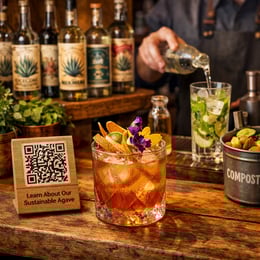 ethical agave cultivation practices. This shift comes as wild agave populations face unprecedented pressure, with some varieties taking up to 30 years to reach maturity. Forward-thinking mezcaleros are partnering with conservation organizations to implement regenerative farming techniques that protect biodiversity while ensuring long-term supply.
 he Hidden Profit Leaks Draining Your Bar's Bottom Line
 The agave plant stands as a symbol of Mexican culture and craftsmanship, serving as the foundation for some of the world's most beloved spirits. This succulent, often mistaken for a cactus, thrives in Mexico's diverse climates and has been cultivated for centuries. With over 200 species of agave growing throughout the region, only specific varieties are used to produce the spirits we know and love today. The blue agave (Agave tequilana Weber) is exclusively used for tequila production, while mezcal can be crafted from over 30 different agave species, each imparting unique flavor characteristics.