Discover the timeless elegance of Nashville's most iconic hotel bars, where legendary cocktails and Southern hospitality create unforgettable experiences in historic lobbies.
Where History Meets Mixology in Music City
Nashville's historic hotel lobby bars represent a fascinating intersection of Southern charm, musical heritage, and sophisticated cocktail culture. These elegant spaces have served as gathering places for country music legends, business titans, and travelers seeking authentic Nashville experiences for generations. The grand lobbies of Music City's most storied hotels offer more than just a place to drink—they provide a portal to the golden age of Southern hospitality, where every cocktail tells a story and every conversation echoes with history.
Walking into these historic establishments feels like stepping back in time. Original architectural details, from ornate crown molding to crystal chandeliers, create an atmosphere of refined elegance that modern establishments struggle to replicate. The bartenders in these spaces aren't just mixologists; they're custodians of Nashville's cocktail heritage, preserving recipes and techniques passed down through decades while honoring the traditions that made these venues legendary.
What sets Nashville's historic hotel bars apart is their authentic connection to the city's past. These aren't theme bars attempting to recreate history—they are history. The same mahogany bars that served drinks to early country music pioneers still stand today, polished by generations of hands and steeped in the stories of countless memorable evenings. This genuine connection to old Nashville creates an atmosphere that simply cannot be manufactured or replicated.
Signature Cocktails That Define Nashville's Golden Age
The cocktail menus at Nashville's historic hotel bars read like a greatest hits collection of American mixology, with Southern twists that pay homage to the region's distinctive flavors. Classic Old Fashioneds are elevated with locally-sourced Tennessee whiskey, while Mint Juleps showcase the state's bourbon heritage with fresh mint from nearby farms. These aren't trendy craft cocktails chasing the latest fad—they're time-tested recipes that have satisfied discerning drinkers for generations.
Many of these establishments feature signature drinks that have become synonymous with Nashville itself. The Hermitage Hotel's famous whiskey cocktails, for instance, have been perfected over decades of service, with each ingredient carefully selected to complement the bold flavors of Tennessee spirits. These signature creations often incorporate regional ingredients like sorghum syrup, local honey, and Tennessee peaches, creating cocktails that taste distinctly of place and time.
What makes these classic cocktails special isn't complexity—it's consistency and quality. The bartenders at these historic venues understand that a perfectly executed Manhattan or a flawlessly balanced Negroni requires exceptional ingredients, precise technique, and unwavering attention to detail. They use premium spirits, fresh juices, and house-made bitters to create drinks that honor traditional recipes while showcasing the finest ingredients available. Each cocktail is a liquid tribute to Nashville's commitment to excellence and hospitality.
The Art of Craft Cocktails in Grand Lobby Settings
The presentation and atmosphere of cocktail service in Nashville's historic hotel lobbies elevates drinking to an art form. These spaces were designed during an era when grandeur mattered, and the soaring ceilings, marble columns, and carefully curated art collections create a sense of occasion that makes every visit feel special. The bartenders work in full view, their movements deliberate and practiced as they muddle, shake, and strain with the confidence that comes from years of experience.
The lobby bar experience is as much about ambiance as it is about alcohol. Leather wingback chairs invite guests to settle in for extended conversations, while soft lighting and live piano music create a soundtrack that enhances rather than overwhelms. The service style reflects old Nashville's commitment to genuine hospitality—attentive without being intrusive, knowledgeable without being pretentious, and always delivered with a warm Southern smile.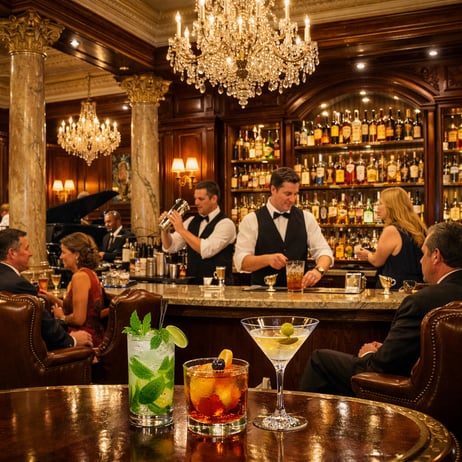
These grand settings demand a certain level of craftsmanship behind the bar. The bartenders understand they're not just making drinks; they're creating experiences that guests will remember long after they've returned home. From the way a cocktail is garnished to the glassware it's served in, every detail is considered. Ice is hand-cut to the perfect size, garnishes are fresh and artfully arranged, and each drink is presented with pride. This dedication to craft ensures that every cocktail served in these historic spaces lives up to the grandeur of its surroundings.
Hidden Gems and Must-Visit Hotel Bars for Cocktail Enthusiasts
The Hermitage Hotel's lobby bar stands as perhaps the most iconic of Nashville's historic hotel drinking establishments. Operating since 1910, this Beaux-Arts masterpiece has served everyone from early Grand Ole Opry stars to modern music industry executives. The bar itself is a work of art, with its original marble and woodwork preserved to perfection. Their cocktail program honors tradition while incorporating subtle modern touches, making it essential destination for anyone seeking authentic old Nashville elegance.
The Union Station Hotel, housed in a magnificently restored 1900 train station, offers a lobby bar experience unlike any other in the city. The soaring barrel-vaulted ceiling and original stained glass create a cathedral-like atmosphere where cocktails feel almost ceremonial. This former railway hotel served as a gateway to Nashville for countless travelers during the city's golden age, and that sense of arrival and celebration still permeates every drink served beneath its historic arches.
For those seeking a more intimate historic experience, the Capitol Grille at the Hermitage Hotel provides a refined setting where classic cocktails are prepared with museum-quality attention to detail. Meanwhile, the Bobby Hotel, while more recently renovated, occupies a historic building and has thoughtfully incorporated elements of old Nashville into its modern lobby bar, creating a bridge between past and present that appeals to both traditionalists and contemporary cocktail enthusiasts.
Each of these establishments offers something unique, but they all share a commitment to preserving Nashville's cocktail heritage. Whether you're sipping a pre-prohibition era cocktail surrounded by original Art Deco fixtures or enjoying a Tennessee whiskey in a space where country music legends once gathered, these hotel lobby bars provide authentic connections to the Nashville that existed long before the city became today's booming tourist destination.
Planning Your Perfect Evening of Lobby Bar Hopping
Creating an evening itinerary around Nashville's historic hotel lobby bars requires some strategic planning to maximize your experience. Start earlier in the evening, around 5 or 6 PM, when these elegant spaces are less crowded and you can fully appreciate the architecture and ambiance. Many of these hotels are located within walking distance of each other in downtown Nashville, making it entirely feasible to visit two or three in a single evening without needing transportation between stops.
Consider beginning your journey at the Hermitage Hotel for an early evening cocktail, then making your way to Union Station for a drink under the magnificent ceiling before finishing at a third location for dinner and a nightcap. Dress appropriately for these refined establishments—while not all require formal attire, smart casual dress shows respect for the historic setting and ensures you feel comfortable in these elegant surroundings. Making reservations when possible can guarantee you the best seating, especially during peak times and weekends.
Budget accordingly for your evening, as drinks at these prestigious establishments typically reflect their quality and historic significance. However, the experience—the expert service, premium ingredients, historic ambiance, and connection to Nashville's past—justifies the investment for cocktail enthusiasts and history lovers alike. Many of these bars offer small plates or appetizers that pair beautifully with their cocktail menus, allowing you to create a full evening experience.
The best time to experience these historic spaces is during the week, when locals and business travelers outnumber tourists and the atmosphere feels more authentic. However, weekend evenings offer their own appeal, with live music often enhancing the ambiance. Whichever you choose, arrive with curiosity and an appreciation for tradition—these aren't just bars, they're living museums of Nashville's cocktail culture, and approaching them with that mindset will enrich your entire experience. Take your time, engage with the bartenders about the history and their craft, and savor the rare opportunity to drink where Nashville's legends once gathered.
 A bar business is not, as many people think, a service industry. Of course, it's part service industry, but it's also very important not to forget that it's also an entertainment industry. Do your bartenders entertain your customers while they are serving them?