Making the Most from Sales
 The savvy bar manager knows how to maximize profits and get the most sales possible without sacrificing ethics or drink quality. You can do the same if you follow a few simple tips. One simple way to maximize profits is by offering promotions or discounts. The small cost factor involved in initiating these promotions make them a good promotional vehicle.
"Happy hour," for example, a period of time when drink prices are generally reduced, can be an effective means of increasing bar sales. However, to be substantiated, it must draw a large volume of customers. "Happy hour" is most often run prior to opening the dining room, usually between 4 and 6 p.m. Drinks are sold at half-price or at a substantial discount. Hors d'oeuvres and salty snacks are often served, which will induce the customer's thirst.
In order to offset the enormous increase in the cost of sales due to the lower drink prices, total liquor sales must be increased substantially. A restaurant that lowers all drink prices by 50 percent during "happy hour" will be simultaneously doubling its cost of sales. When analyzing the feasibility of a "happy hour," you must also consider the additional cost of labor during a non-operating period; the food cost of hors d'oeuvres and other snacks; and any variable costs, such as the use of additional utilities.
The gross profit margin during any "happy hour" is small, though it can be substantiated with sufficient sales. An increase in revenue, small as it may be, will be created where none had previously existed.
There are other possible benefits from initiating a "happy hour." Lounge customers will be exposed to the restaurant and may wish to return at a later date to try the dining room. Customers may stay past the "happy hour" period and purchase cocktails at the full price or remain for dinner.
Employees will also benefit from a "happy hour" by an increase in income through increased hours and tips. This point is an important consideration, as employees may become discouraged during periods of slow or seasonal business. A "happy hour" that may not provide the restaurant with the desired profit may be deemed worthwhile for increasing employee morale and decreasing job turnover, eliminating the costly expenditure of rehiring and retraining new personnel.
Bar Tabs
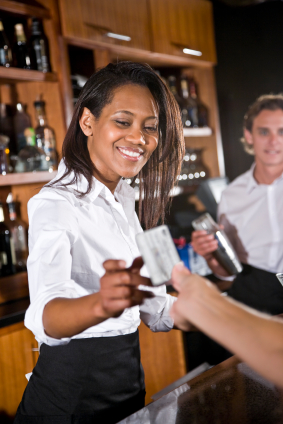 Another way to maximize spending, and your bar's profits, is with bar tabs. Bar tabs make it easier for customers to spend without hassle, encouraging multiple orders of drinks. To allow bar tabs or not is a policy that can be debated from both sides with sound reasoning. Many bars and restaurants have been victimized by customers who walk out and do not pay their tabs. A policy of no bar tabs will alleviate the initial problem, but it will certainly be inconvenient—and possibly insulting—to some customers.
A bar tab should always be run if a customer so desires. The lounge is a place where the customer may relax and enjoy a cocktail before dinner. He should not be inconvenienced by paying for each drink order as he goes along. Drinks should also be automatically added to the dinner bill unless the customer wishes otherwise.
This article is an excerpt from the The Professional Bar & Beverage Managers Handbook: How to Open and Operate a Financially Successful Bar, Tavern and Nightclub, authored by Douglas Robert Brown, published by Atlantic Publishing Group. This excerpt has been reprinted with permission of the publisher. To purchase this book go to:
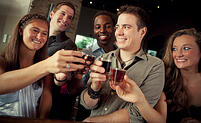 Your market and competitor research will likely reveal that most bars that are successful pay a lot of attention to customers. In fact, great service is one of the surest ways of drawing repeat customers. To draw more patrons to your bar on a regular basis, you do not have to spend a lot of money. However, you do have to think like a customer; you will likely notice a few things that need to change at your establishment:
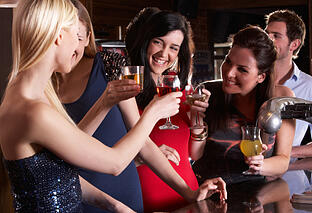 There are many bars that go out of business each year. This is because the market for new bars is a challenging one. If you are in an area that has new bars opening all the time and a clientele who is always seeking the latest thrill, you need to work extra hard to ensure that your establishment stays exciting enough. There are many small details that can mean the difference between a bar that is merely surviving and one that is prospering beautifully. In this chapter, you will learn the small details that can push your success higher than ever. Not all of these tips are expensive. Many take only ingenuity and some effort, but the results can be spectacular!
 Simplicity over pretention. While bars that employ top-notch mixologists offering creative drinks will continue to attract more and more customers, you can also expect a trend towards simplicity. As David Wondrich put it in Nation’s Restaurant News, “The biggest trend I see is bringing mixology down to the fun/dive-bar level.” Expect to find well-made, “sophisticated” drinks in friendlier, “less sophisticated” surroundings.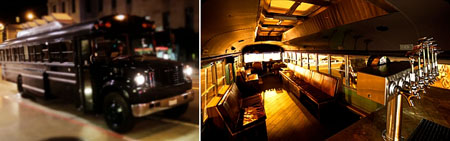
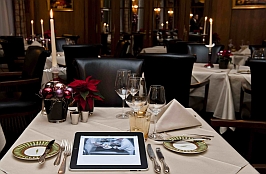 Going mobile. Google projects that mobile devices will overtake PCs as the most common Web-access device by 2013.The ubiquity of smartphones and tablets makes it imperative that Websites be mobile-friendly. As many of these devices either do not support or have trouble playing Flash content (which has become a staple of restaurant, nightclub and bar sites), you would be well-served to optimize your site to take advantage of the rapidly growing number of mobile users who rely on their iPhones and iPads to find where to go for a drink or a bite.
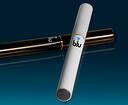 Electronic cigarettes. Electronic cigarettes are becoming more and more ubiquitous. These electrical devices, which produce a flavored aerosol mist that simulates tobacco smoke, have become popular both as a way of quitting tobacco and as a way for smokers to kinda feed their habit in places where actual smoking is prohibited. Expect e-cigarettes to become a more common sight in bars and nightclubs in 2012. Also expect them to be sold more widely in drinking establishments. Not only do these devices provide an added revenue stream, they may actually have the added benefit of keeping smokers inside and drinking.