
Liquor Inventory Experts

Challenges and Solutions in Bar Inventory Management

Bar ManagementBar inventory management can present several challenges that require effective solutions to ensure accurate tracking and control of inventory, especially within a "bar inventory system" and "liquor inventory system." Let's delve into some common challenges and their solutions in bar inventory management.

  1. Manual Counting Errors: Manual counting can lead to human errors, resulting in inaccuracies in inventory records. To mitigate this challenge, bars can implement barcode scanning systems or digital inventory management software. These automated systems minimize human errors and provide accurate inventory counts.

  2. Inefficient Reordering: Without a proper system in place, bars may struggle with inefficient reordering processes. The solution lies in utilizing inventory control systems that automate reordering based on predefined par levels. This ensures timely replenishment, reduces stockouts, and optimizes inventory levels.

  3. Shrinkage and Losses: Bars often face challenges related to shrinkage, including theft, spillage, and over-pouring. Implementing security measures such as surveillance cameras, liquor bottle locks, and training staff on proper inventory control can help mitigate these losses.

  4. Poor Inventory Visibility: Lack of visibility into real-time inventory levels can hinder efficient operations. Utilizing bar inventory systems or liquor inventory management software provides real-time tracking and visibility into stock levels, enabling proactive decision-making.

  5. Data Management: Managing inventory data manually can be time-consuming and prone to errors. Digital inventory management systems offer centralized data storage, streamlining data management and ensuring accuracy, accessibility, and ease of analysis.

  6. Variability in Demand: Bars often face fluctuations in customer demand, making it challenging to accurately forecast and manage inventory levels. The solution lies in analyzing historical sales data, seasonal trends, and customer preferences to make informed ordering decisions and optimize inventory based on demand patterns.

  7. Vendor Management: Inconsistent or unreliable suppliers can disrupt inventory management. Building strong relationships with reputable vendors, negotiating favorable terms, and maintaining open communication ensures reliable supply chain management and minimizes disruptions.

  8. Training and Education: Inadequate training and education on inventory management practices can hinder efficiency. Regularly train staff on inventory control procedures, proper pouring techniques, and the importance of minimizing waste to enhance overall inventory management.

  9. Integration Challenges: Integrating inventory management systems with existing POS systems or other software may present technical challenges. Collaborating with experienced IT professionals or consulting with inventory management software providers can help ensure seamless integration and functionality.

  10. Ongoing Monitoring and Analysis: Continuously monitoring and analyzing inventory data is crucial for identifying trends, addressing issues promptly, and making informed decisions. Regularly review inventory reports, conduct audits, and implement adjustments to optimize bar inventory management.

By addressing these challenges with effective solutions, bars can enhance their bar inventory systems and liquor inventory systems, ensuring accurate tracking, cost control, waste reduction, and improved profitability. Implementing automated systems, utilizing data-driven insights, and fostering strong vendor relationships contribute to efficient bar inventory management and a successful establishment.
Topics: liquor inventory, Bar Management, liquor control, liquor management

Importance of Accurate Bar Inventory Management

Liquor Inventory

Accurate management of bar inventory holds immense importance for the prosperity and profitability of any establishment in the vibrant hospitality industry. It entails the meticulous monitoring, recording, and control of all items within the bar, including liquors, beers, wines, mixers, garnishes, and other essential supplies. Understanding the significance of precise bar inventory management is crucial, especially when it comes to keywords like "liquor inventory," "bar inventory," and "liquor control." Let's delve into the reasons why accurate management in these areas is critical:

  1. Effective Liquor Inventory Control: A well-executed liquor inventory management system enables bars to exercise better control over their stock of alcoholic beverages. By accurately tracking liquor inventory levels and consumption patterns, bars can minimize losses due to theft, over-pouring, or wastage. This enhances the overall efficiency of liquor inventory control.

  2. Optimized Bar Inventory Management: Accurate bar inventory management extends beyond just liquor. It encompasses a comprehensive understanding and control of all items within the bar. By implementing efficient inventory tracking systems, bars can optimize their stock levels, reduce waste, and prevent stockouts. This approach enhances the overall profitability of the establishment.

  3. Cost Optimization in Bar Operations: Liquor is often a significant cost component for bars. Accurate liquor inventory management allows bars to control costs effectively. By identifying areas of excessive waste or unauthorized consumption, bars can take corrective measures to reduce costs and maximize profits. This ensures that the bar operates efficiently and remains financially viable.

  4. Preventing Liquor Theft and Pilferage: Bars are susceptible to liquor theft, which can have a substantial impact on profitability. Accurate liquor inventory management helps identify discrepancies between recorded sales and actual inventory levels. By promptly detecting and addressing potential issues like employee theft or unauthorized usage, bars can safeguard their inventory and minimize losses.

  5. Streamlined Ordering and Replenishment: Accurate bar inventory management facilitates efficient ordering and replenishment processes. By analyzing liquor consumption patterns and turnover rates, bars can make informed decisions about when and how much liquor to order. This prevents stockouts, ensures a constant supply of popular liquor items, and enhances customer satisfaction.

In summary, accurate management of liquor inventory and overall bar inventory is vital for optimizing costs, preventing theft, streamlining operations, and ensuring profitability. By implementing effective inventory tracking systems and employing strategies that focus on "liquor inventory," "bar inventory," and "liquor control," bars can operate efficiently, deliver exceptional customer experiences, and maximize their success in the competitive hospitality industry.

Topics: Bar Management, Liquor Inventory savings, Reducing Costs

Creating Drink Recipes

Standard Drink Recipe

Drink recipeTo run a successful and have a loyal following, it is important that your customers are served consistent drinks. To do so, standard drink recipes must be prepared so as to prepare your bar staff accordingly. A standard drink recipe is made up of the following:
  • Exact quantity of each ingredient
  • Glass size
  • Procedure to make the drink
  • Garnish
  • Any other special procedures/condiments
  • A picture is an option

For each drink served at your place of business, a standard recipe should be written up and kept on file to train new bartenders and make sure older bartenders do not sway from the company standards.

Standardized recipes will also help control your pour cost percentages and a revision on a 6 month basis is suggested. Below, you will see how to document a standard drink recipe.

      Ingredients                                 Drink: Stinger
      ¾ oz cognac                               Glass: old fashion
      ¾ oz white crème de menthe
 

Procedure 

In an old fashion glass, fill with ice, pour ¾ oz cognac and then ¾ oz white crème de menthe. Add a stir stick.

 Ingredient      Bottle Cost       Cost/oz        Qty      Cost/portion

   Cognac            $30.00            $1.18       3/4oz          $0.89

  Crème/Menthe   $18.00             $0.71      3/4oz          $0.53

Drink Total Cost:  $1.42

Total ounces: 1.50

Selling Price: $7.50

Cost %   18.93%

Date: September 1, 2010 
 
If all your drinks are priced correclty you will always be in line with your costs.

Topics: Bar inventory, free pour, Bar Management, drink recipe, liquor

Bartending School: 10 Questions for Aspiring Bartenders

bartender san francisco 800 resized 600Becoming a Bartender

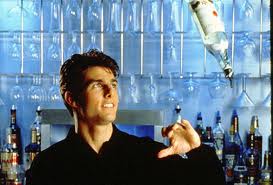
We all have one point seen ourselves behind the bar slinging drinks like Tom did in his famous movie role. But before we do, there are few things we must consider:

  1. Are we ready to give up our weekends?
  2. Is working late hours something we are comfortable with?
  3. Are we what we call a “people person”?
  4. Can we take orders and remain calm under pressure?
  5. Do we deal with patrons that could become rude and rowdy?

Bartending can be a very lucrative and reward career. For others, it can be a simple sideline job while in school. Whatever it may be, bartending does require certain skills that can be taught in bartending schools and experienced in the line of fire.

A professional bartender understands both the needs of the clients and what is required to become effective during service. A bartender’s quick check list:

  1. Is my liquor inventory up to par?
  2. Is my beer inventory properly stocked?
  3. Are my fruits and condiments prepared?
  4. Do I have enough ice?
  5. Does my till have enough change? 

A bartender knows what can be called the “golden hours” at which point all they do is take orders and serve drinks. To maximize the full potential, preparation is key.

Topics: Bar inventory, Bar staff, bartending schools, Bar Management, Liquor cost, hospitality jobs, Control

Benifits of Bartending Schools

Bartending School

describe the image

An important part of any hospitality environment is the personnel they hire. Hospitality operators at times struggle to find the right people. In regards to hiring the right people for your bar, you may consider giving extra attention to a resume that does include a bartending school certificate or recognition.

Bartending schools are designed to teach people how to serve at the bar. They follow all the theories pertaining to the industry and then will add their personal experiences which they have lived.

 Why consider a certified bartender:

  1. Knowledge of recipes
  2. Methodology of makes drinks is taught: beers, wines and cocktails
  3. Proper service techniques
  4. Importance of liquor inventory management
  5. Enhanced customer relation

It is also a good idea to call the bartending school as both a reference in regards to the employee you are considering, but also a way to create a relationship with the school for future staffing needs.

Education is gold and your “liquid” assets sales will only benefit from it. 

Topics: Bar staff, Hotel Inventory, bartending schools, free pour, profit, Bar Management, Liquor cost, hospitality jobs

The Truth About Liquor Dispensers: Do They Work?

The dictionary meaning of a dispenser is as follows: “a device that automatically dispenses a Liquor Dispensersingle item or a measured quantity” In the hospitality industry, we are sometimes faced with a decision; do we want our liquor to be poured by way of a dispensing unit? Do we want our bartenders to be “automatic” and potentially take away any flair our personable bar staff has to offer our patrons?

Liquor dispensers are designed to specifically pour a pre configured amount in a glass, no more, no less. There can be certain advantages:

  1. Consistency of drinks
  2. Controls over quantity poured
  3. Less bartender training required

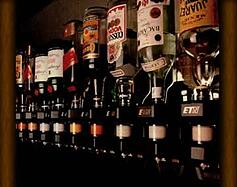
Liquor dispensers typically are available in two forms: guns & spigots.

Guns normally entail tubing to be run from the bar to an area where the liquor is poured into small vats. From there, as a product is selected at the bar, the liquor from the liquor room runs along the line into the patrons drinks. Many times, operators will limit the guns to rail product like vodka, gin, rum…or what we call high moving products.

Spigots or what can be best described as “time release valves” are systems in which a ring is placed around a nozzle on the bottle. When a portion of liquor is requested, the bottle is put through the activator ring, the lever is pressed and an electrical courant opens the valve to dispense a portion of liquid.

Although we may perceive these systems as the ultimate controls, there are a few things to consider: 

  1. If you have several pouring stations, they can become cost prohibitive
  2. They can be impersonal: clients still like to see a bartender pour a drink straight into a glass without all the “mechanics” involved
  3. Sweet liquors have a tendency to crystallize and cause back ups in the lines and spigots thus requiring regular maintenance.
  4. Lack of inventory: as much as these systems can dispense exact amounts, they still require a separate system to conduct regular liquor inventories

In the end, as an operator, the decision lies in both the financial areas but also the image and feel you want your establishment to portray, both certainly will have an impact on your business and this is certainly a decision that takes time and research before adapting.  

Topics: liquor inventory, Bar inventory, bar inventory levels, Bar staff, wine inventory, Bar Management, Wine Control, Liquor Inventory savings, inventory counting

Queue Up Your Bar Business

Managing the line at your bar

nightclub queueIt’s a warm Saturday night and the town has a certain “buzz” to it. Your bar is getting ready for a big night and then all of a sudden, you leave your office and notice a line forming outside your door.


 

This can be a good sign for your bar; it’s busy! But what can go wrong?

To start, you should ask your people at the door if you have reached capacity and if not, how far off are you?

Secondly, this is probably a good time to have the bar staffs make sure there is a sufficient amount of liquor inventory behind the bar, the beer coolers are well stocked and wine and champagne are well chilled.

Once you have been through this, it is time to speak to your people at the door to make sure the line and the wait is well managed. Nobody likes to wait, so you want to make sure the time they are wait is justified.

You also need to take a decision on the “regulars” that come in when there is no line up and help your business going. What is important is that you respect the capacity that was assigned to you without breaking the law, but also make certain your regulars or maybe “big spenders” are not in line or worst yet…at the competitor!

It’s always a good idea to meet with your doors staff to go over company policy and make sure customers are happy and the bar can make the most of the busiest hours of the week our industry offers

Topics: NightClub Management, Lineup control, Bar Management