
A full room does not guarantee a profitable bar. If the main station runs out of a fast-moving spirit while another station has excess stock, service slows and the next order may never happen. If bottles move between stations without a record, the morning count becomes harder to explain.
This guide gives bar and nightclub managers a repeatable event-night stock plan. Scannabar helps bring measured inventory and usage reporting into that plan, while your team remains responsible for documenting what moves during service.
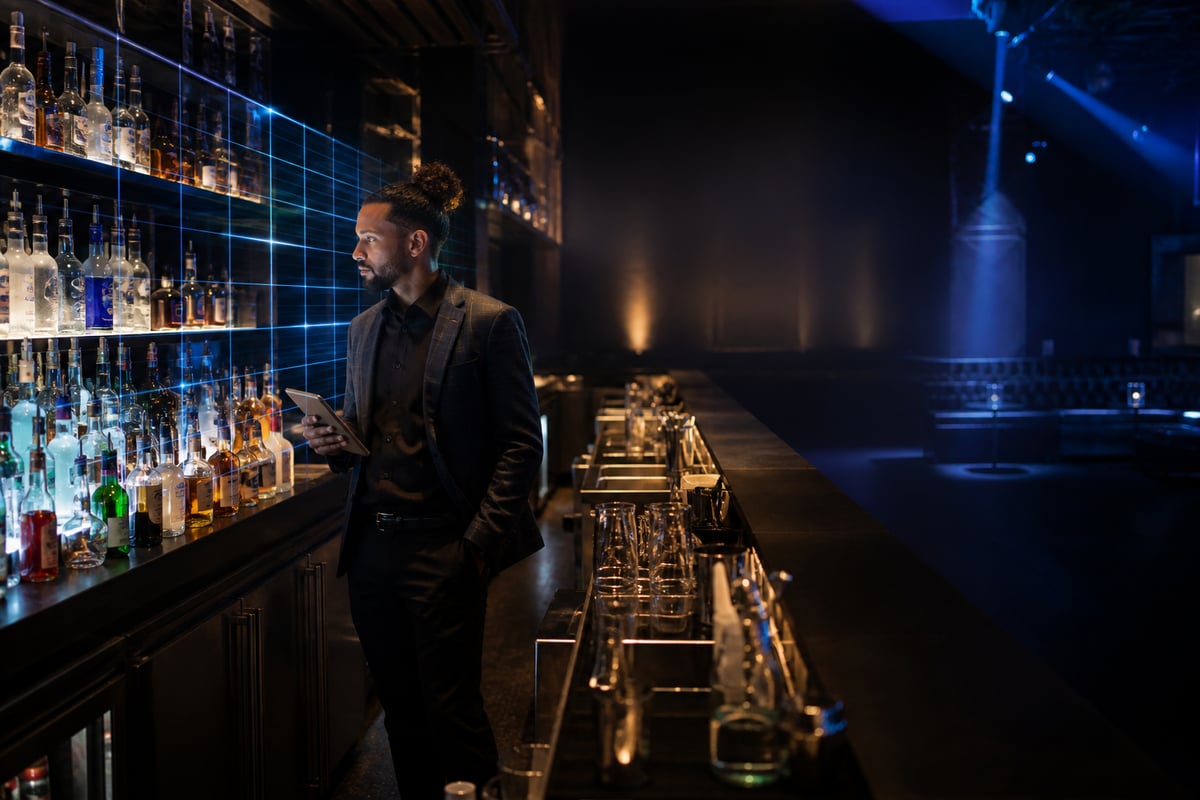
Key Takeaways: Nightclub Event Inventory
- Plan each station around its own expected sales mix rather than dividing the same stock evenly across the venue.
- Keep a reserve near the floor and assign one clear process for documenting replenishment and inter-bar transfers.
- Record opening stock, movements, sales, and closing stock to make event-night variance easier to investigate.
- Review discrepancies before assuming theft; an unlogged transfer, breakage, or POS mapping error can also explain a gap.
- Scannabar supports barcode-based counts and inventory reporting that help managers compare usage across count periods.
Why a Packed Night Can Still Lose Beverage Revenue
Demand shifts rapidly at a nightclub. An unexpected rush at one station can leave a bartender looking for a replacement bottle while stock sits elsewhere. An undocumented pull from storage then makes the closing count look like a loss. The visible cost is delayed service; the less visible cost is a variance you cannot assign to a cause.
Suppose an event starts with 12 bottles of a spirit at one station, receives four more, and closes with five. Eleven bottle-equivalents were used or moved. That is an accounting example, not a loss figure: compare it with recorded transfers, measured partial bottles, and sales and pour practices before drawing conclusions.
Build an Event-Specific Stock Plan Before Doors Open
Start with comparable events: similar attendance, service hours, and drink mix. The National Restaurant Association recommends using inventory reporting to track usage trends and waste. Review product velocity in your POS system, then set a starting par level and a separate replenishment reserve for each station. Keep the assumptions visible so the closing team can say what changed.
Set Par Levels by Station
A main bar serving straightforward mixed drinks may need a different spirit mix from a quieter lounge. Use each station’s sales history rather than a building-wide average. If a station used 18 bottles of a particular SKU during a similar event, a starting par of 20 is one possible planning assumption, not a universal formula. Adjust it for expected demand and the ease of replenishment.
Reserve Stock for Rapid Replenishment
Stage reserve stock by SKU in a known location and give barbacks a simple transfer log. Each pull should show the item, quantity, source, destination, and time. This is a team procedure, not a claim that Scannabar automatically records every transfer. Good documentation lets the physical count tell a clearer story.
Track Stock Movement While the Room Is Busy
During service, the transfer process has to be simple enough to survive a rush. One person can record pulls at the storage point while floor staff focus on guests. Spot-check high-value or fast-moving SKUs during a lull, especially when replenishment differs from the pre-event plan.
Scannabar’s barcode-enabled inventory approach supports faster stock checks and usage visibility. Use those counts alongside the team’s movement log rather than treating a count alone as proof of where a bottle went.
Reconcile the Night Before Planning the Next Event
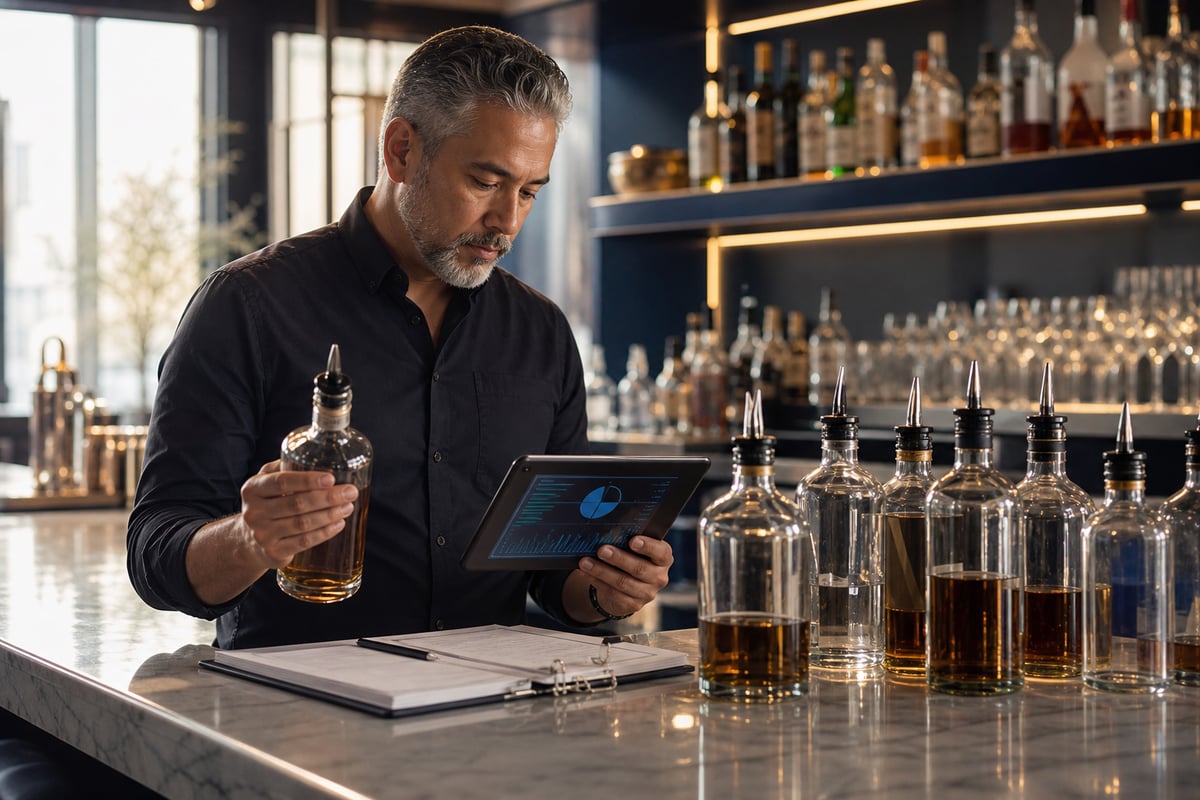
Count each station and the reserve after service, ideally before new deliveries or transfers change the picture. Compare opening inventory plus receipts and transfers in, less transfers out and closing inventory, with expected usage from sales. Document breakage, comps, and other known exceptions separately.
Scannabar’s variance reporting helps identify products whose measured usage deserves a closer look. The question is not whom to blame first. It is whether the discrepancy reflects an unrecorded movement, a POS mismatch, a counting error, waste, or theft. A consistent review also protects staff from unsupported accusations.
Turn One Event’s Data into a Better Next Shift
Compare which products ran short, which sat untouched, and which showed unexplained variance. Update par levels for the next similar event and discuss exceptions with the staff who worked the shift. Over several events, those comparisons can make purchasing and station placement more precise.
Scannabar’s inventory planning and usage insights give managers a better starting point than memory alone. The transfer log and POS records add the operational detail needed to act on that information.
FAQs About Nightclub Event Inventory
When should a nightclub count stock for an event?
Count before service and again after close, before new stock changes the totals. This isolates the event’s movement so you can compare actual usage with sales and documented exceptions.
How should a nightclub set event-night par levels?
Use comparable event sales by station and SKU, then allow for expected demand and replenishment time. Review what ran short or remained untouched after the event and adjust the next plan.
Does Scannabar replace an event transfer log?
No. Scannabar supports inventory counts and usage analysis, while a documented transfer process supplies the context for bottles moved between storage and stations. Together they make variance easier to interpret.
What should managers investigate when inventory and POS sales disagree?
Check transfers, comps, breakage, partial-bottle measurements, and POS item mapping before deciding whether product was lost. Scannabar’s inventory reporting helps narrow the items that need review; the manager establishes the cause.
 Leveraging technology solutions can greatly streamline bar inventory processes, enhancing efficiency and accuracy within a "bar inventory system" and "liquor inventory system." Let's explore some key technology solutions that can help bars optimize their inventory management.
 Social Media is not a fad and will be the way people get messages across now, and even more so in the future.