Liquor Inventory Experts

Liquor Shrinkage Solutions Every Bar Owner Should Know

Discover proven strategies to reduce liquor loss and protect your bar's profits from the hidden threat that costs the industry billions annually.

Understanding the True Cost of Liquor Shrinkage in Your Bar

Liquor shrinkage represents one of the most insidious profit killers in the hospitality industry, costing bars and restaurants an estimated 20-25% of their total liquor inventory annually. This translates to billions of dollars in lost revenue across the industry, with individual establishments losing anywhere from $15,000 to over $100,000 per year depending on their size and volume. What makes this problem particularly dangerous is its invisibility—most bar owners don't realize the extent of their losses until they conduct a thorough audit or implement precise tracking systems.

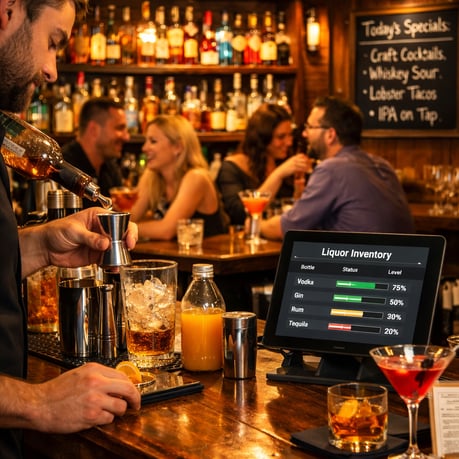
The true cost extends far beyond the immediate value of lost inventory. When liquor disappears from your shelves through over-pouring, theft, or administrative errors, you're not just losing the wholesale cost of that bottle. You're losing the potential profit margin, which typically ranges from 200-400% in the bar industry. A $30 bottle of premium vodka that goes missing represents approximately $120-150 in lost revenue when you factor in the retail value of the drinks that could have been poured. Multiply this across dozens or hundreds of bottles annually, and the impact on your bottom line becomes staggering.Bartender Mixing Cocktail at Bustling Bar-1

Perhaps even more concerning is how liquor shrinkage masks other operational inefficiencies and creates a culture of accountability gaps. When losses are normalized or accepted as 'just part of the business,' it signals to staff that precision and responsibility aren't priorities. This mindset can permeate other areas of operations, affecting everything from food costs to labor efficiency. Understanding the full scope of liquor shrinkage—both financial and cultural—is the first step toward implementing effective solutions that protect your profitability and create a more disciplined operational environment.

Smart Inventory Management Systems That Stop Loss Before It Happens

Traditional inventory methods—clipboard counts conducted weekly or monthly—create massive blind spots where shrinkage can thrive undetected. By the time you discover discrepancies, the trail has gone cold, making it nearly impossible to identify when, how, or by whom the loss occurred. Modern inventory management systems flip this reactive approach on its head by implementing bottle-level tracking that monitors every pour in real-time. These systems use weight sensors, pour spouts with flow meters, or RFID technology to track precisely how much product leaves each bottle, comparing actual pours against POS transactions to instantly flag discrepancies.

The power of precise bottle-level tracking lies in its ability to create an unbroken chain of accountability. When every ounce is monitored, several common loss scenarios become immediately visible: over-pouring that exceeds recipe specifications, drinks poured without corresponding sales transactions, inventory that disappears during non-business hours, and systematic patterns that suggest targeted theft. This granular visibility transforms inventory management from a periodic audit into a continuous monitoring system that catches problems within hours rather than weeks. Bar owners using these systems report catching issues they never knew existed, from bartenders consistently pouring heavy handed drinks to after-hours access that was quietly draining high-value bottles.

Beyond detection, smart inventory systems provide predictive analytics that help prevent losses before they occur. By establishing baseline pour patterns and usage rates for each product, these systems can alert managers to anomalies that warrant investigation—a sudden spike in premium whiskey usage during a slow Tuesday shift, for example, or consumption rates that deviate from historical norms. This proactive approach allows you to address potential issues immediately rather than discovering them during your end-of-month inventory count when the damage has already been done. The most sophisticated systems even integrate with your POS and scheduling software to cross-reference sales data with staff schedules, pinpointing exactly which shifts and which employees correlate with loss patterns.

Staff Training and Accountability Measures That Actually Work

Technology alone cannot solve liquor shrinkage—the human element requires equal attention through comprehensive training and clear accountability structures. The foundation starts with proper bartender training on standardized recipes and pour techniques. Many bartenders develop their pouring style through trial and error or by mimicking other bartenders, leading to inconsistent measurements that can easily result in 25-30% over-pouring on every drink. Implementing mandatory training with jiggers or measured pour spouts, followed by regular testing to ensure accuracy, eliminates the excuse of unintentional over-pouring. When bartenders understand that a standard pour is exactly 1.5 ounces—not 'about' 1.5 ounces—and have the tools and practice to execute it consistently, one of the largest sources of shrinkage dramatically decreases.

Accountability measures must be both transparent and consistently enforced to be effective. Start by clearly communicating your shrinkage standards and expectations during onboarding, making it explicit that inventory accuracy is a core job responsibility. Implement individual bartender accountability by assigning specific stations or bottles and reconciling their inventory against their sales at the end of each shift. This real-time accountability, rather than collective responsibility for the entire bar's inventory, makes it impossible for losses to hide in the crowd. Display performance metrics visibly—some bars post pour accuracy percentages in the back of house, celebrating those who maintain precision while addressing those who consistently fall short. This transparency creates healthy peer pressure and makes inventory management a shared priority rather than solely a management concern.

The most successful accountability programs pair monitoring with positive reinforcement rather than relying solely on punitive measures. Consider implementing incentive programs that reward bartenders who maintain pour accuracy above 95% or shifts that end with zero discrepancies between inventory and sales. This carrot approach, combined with the stick of progressive discipline for repeated violations, creates motivation to maintain standards without fostering a hostile work environment. Regular refresher training sessions, particularly after any inventory discrepancies are discovered, demonstrate your commitment to education and improvement rather than mere punishment. When staff understand that accountability measures exist to protect the business that employs them—and that precision is both expected and rewarded—they become partners in shrinkage prevention rather than adversaries to be monitored.

Technology Solutions for Real-Time Pour Control and Monitoring

The technological revolution in pour control has introduced solutions that range from simple to sophisticated, allowing bars of any size to find systems that match their needs and budget. At the entry level, measured pour spouts replace standard spouts and physically limit each pour to a predetermined amount—typically 1 or 1.5 ounces—making over-pouring mechanically impossible. These inexpensive devices provide immediate shrinkage reduction, though they lack data collection capabilities and can't detect theft or drinks poured without sales. Mid-tier solutions include wireless pour spouts that communicate with software to track every pour's volume, timestamp, and the bottle it came from, creating a comprehensive data trail without requiring bartenders to change their workflow significantly.

Advanced systems integrate multiple technologies to create comprehensive monitoring ecosystems. Smart bottle systems use weight sensors on shelves that continuously monitor each bottle's weight, automatically detecting when product leaves the bottle and calculating the exact amount poured. These systems integrate directly with POS terminals to match each pour against corresponding sales transactions in real-time, triggering immediate alerts when discrepancies occur. Some platforms incorporate video surveillance that automatically records footage whenever a bottle is accessed, providing visual evidence that can be reviewed if irregularities are detected. The most cutting-edge solutions employ artificial intelligence to analyze patterns, learning what normal usage looks like for your specific establishment and flagging anomalies that human managers might miss in the flood of data.

The key to successful technology implementation lies in choosing systems that match your operational reality and ensuring proper integration with your existing infrastructure. A high-volume nightclub with twenty bartenders serving thousands of customers needs different solutions than an intimate cocktail bar with three staff members focusing on craft beverages. Consider factors like ease of use—systems that slow down service or require complex procedures won't be consistently used by staff—and the quality of reporting and analytics provided. The best technology translates raw data into actionable insights, highlighting which products have the highest loss rates, which shifts show anomalies, and providing trend analysis that helps you understand whether your shrinkage is improving or worsening over time. Implementation should include thorough staff training and a rollout period where you focus on education rather than enforcement, giving your team time to adapt to new workflows while you refine your systems and processes.

Creating a Culture of Transparency and Profit Protection

Sustainable shrinkage reduction requires more than systems and procedures—it demands a fundamental shift in your bar's culture toward transparency and shared responsibility for profitability. This cultural transformation starts at the top, with ownership and management openly discussing the reality of liquor loss, its impact on the business, and why addressing it matters for everyone's job security and earning potential. When staff understand that shrinkage directly affects whether the business can provide raises, invest in improvements, or even remain open, they're more likely to view prevention measures as protective rather than punitive. Share aggregate data about shrinkage rates and celebrate improvements collectively, making profit protection a team goal rather than a management obsession.

Transparency extends to your policies, procedures, and enforcement. Clearly document your expectations regarding pour accuracy, inventory procedures, and consequences for violations, making sure every staff member receives and acknowledges this information. Conduct regular audits and share results openly, explaining not just what was found but why it matters and what steps will be taken to address issues. When problems are discovered, address them promptly and consistently—selective enforcement breeds resentment and signals that rules don't actually matter. This consistency builds trust that the systems exist for legitimate business reasons rather than as tools for arbitrary discipline, encouraging staff cooperation rather than creative circumvention.

The ultimate goal is fostering a culture where everyone acts as a stakeholder in the business's financial health. This happens when bartenders take pride in their precision, when staff members feel comfortable reporting concerns about potential theft or policy violations, and when the entire team understands how their individual actions aggregate into collective success or failure. Consider implementing profit-sharing or bonus structures tied partially to shrinkage rates, giving staff direct financial incentive to maintain accuracy and prevent losses. Create regular forums where staff can provide feedback on inventory systems and suggest improvements, demonstrating that their input matters and that management is open to refinement. When your bar's culture evolves to treat every ounce of liquor as valuable and worth protecting, technology and procedures become enablers of existing values rather than external impositions fighting against the current. This cultural foundation makes all other shrinkage prevention measures exponentially more effective and sustainable over the long term.

Topics: Bar inventory, Hotel Inventory, Food Costs, Bar products, Increasing Profits, Loss prevention, Food Storage, Hotel Bar Inventory, Best Bar Inventory app, Cruise ship bar inventory, Country Club Liquor Inventory

Reducing Hospitality Waste with Scannabar Inventory Software

Discover how smart inventory management technology can slash waste by up to 30% while boosting your hospitality business's bottom line and sustainability goals.

The Hidden Cost of Inventory Waste in Hospitality Operations

In the competitive world of five-star hospitality, waste represents far more than discarded food or unused products—it's a silent profit killer that can significantly impact your bottom line. Industry studies reveal that hotels lose between 4-10% of their total inventory value to waste annually, translating to tens of thousands of dollars for luxury properties. From expired perishables in kitchen storage to overpouring at the bar, these losses compound daily, affecting not just profitability but also your property's sustainability credentials and brand reputation.

The challenge becomes even more complex when you consider the multiple revenue centers within a five-star hotel. Each restaurant, bar, banquet facility, and room service operation maintains its own inventory, creating silos where waste can hide in plain sight. Without accurate visibility into stock levels, expiration dates, and consumption patterns, even the most experienced managers struggle to identify where losses occur. Traditional manual counting methods are time-consuming, prone to human error, and often conducted too infrequently to catch problems before they become costly.

Beyond the direct financial impact, inventory waste carries hidden costs that affect operational efficiency. Staff hours spent on manual inventory counts, emergency orders placed at premium prices, and the reputational damage from running out of signature items during peak service all stem from inadequate inventory management. For five-star properties where guest expectations are highest, these operational hiccups can lead to negative reviews and lost repeat business—costs that far exceed the value of the wasted inventory itself.

How Real-Time Tracking Transforms Waste Management

Scannabar Inventory Software revolutionizes waste management by providing real-time visibility into every item across your hotel's operations. Using intuitive barcode scanning technology, staff can instantly update inventory levels as products are received, transferred between locations, or consumed. This immediate data capture eliminates the lag time between physical counts and system updates, giving managers an accurate, up-to-the-minute picture of what's in stock, where it's located, and how quickly it's moving. For five-star hotels managing hundreds or thousands of SKUs across multiple outlets, this level of precision is transformative.

The software's mobile capabilities mean that inventory management becomes seamless and integrated into daily workflows rather than a disruptive separate task. Bartenders can scan items as they're used, kitchen staff can update counts during prep work, and receiving teams can log new deliveries instantly—all from smartphones or tablets. This distributed approach to data collection not only improves accuracy but also creates a culture of accountability where every team member contributes to waste reduction. The real-time dashboard alerts managers to unusual variance, potential theft, or accelerating waste trends before they spiral out of control.

Perhaps most powerfully, real-time tracking enables proactive rather than reactive management. Instead of discovering expired products during weekly inventory counts, Scannabar's expiration date tracking flags items that need to be used soon, allowing chefs and bartenders to feature these products in specials or promotional offerings. The system can automatically generate alerts when stock is approaching its use-by date, transforming potential waste into revenue-generating opportunities. This shift from damage control to strategic planning represents a fundamental change in how five-star properties can manage their resources.

Preventing Spoilage and Overpouring with Data-Driven Insights

One of the most significant sources of waste in hotel operations is product spoilage, particularly for perishable items in kitchens and bars. Scannabar's advanced analytics provide detailed insights into product velocity, showing exactly how quickly each item moves through your inventory. This data-driven approach allows managers to identify slow-moving products before they expire and adjust purchasing quantities accordingly. For seasonal items or specialty ingredients, the software can track historical usage patterns, helping you forecast demand more accurately and order quantities that match actual consumption rather than hopeful projections.

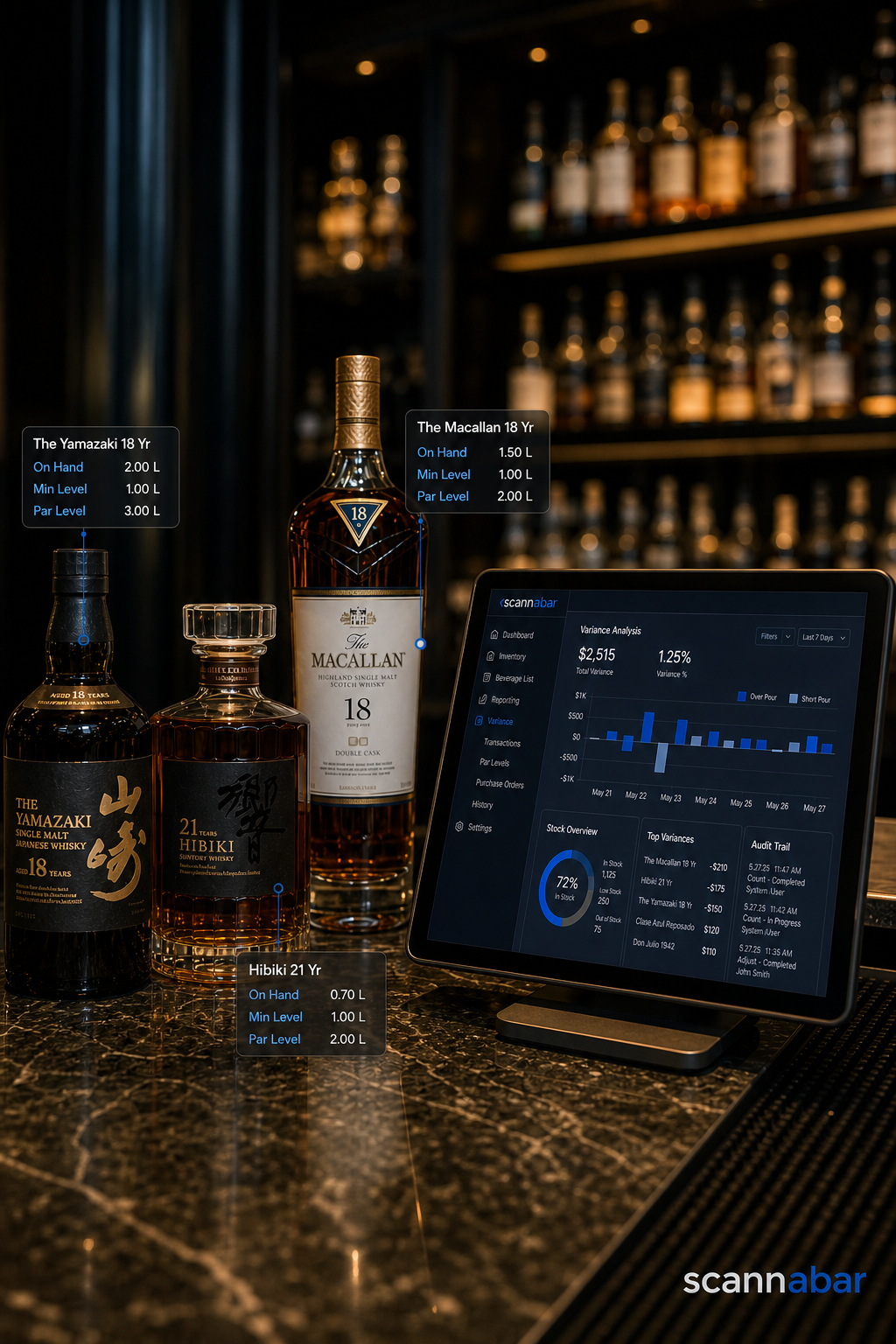
The bar represents another critical area where Scannabar delivers measurable waste reduction. Overpouring costs hotels millions of dollars annually, and without precise measurement, even experienced bartenders can be inconsistent. Scannabar's variance reporting compares the amount of product that should have been used based on sales data against actual inventory depletion, immediately highlighting discrepancies. When variance exceeds acceptable thresholds, managers receive alerts and can investigate whether the cause is overpouring, spillage, theft, or incorrect recipes. This accountability mechanism naturally encourages more careful pour practices and standardization across bartending staff.

The software also enables sophisticated recipe costing and portion control that directly impacts waste. By programming standard recipes into Scannabar, hotels can track exactly how much of each ingredient should be used per dish or cocktail. The system then monitors actual usage against these standards, revealing when portions creep larger than intended or when ingredient waste occurs during preparation. For five-star properties where food costs already run higher due to premium ingredients, this level of control can mean the difference between a profitable menu and one that looks impressive but erodes margins. Many hotels report reducing food waste by 20-30% within the first six months of implementation simply by gaining this visibility.

Streamlining Ordering to Match Actual Demand

Traditional ordering processes in hospitality often rely on gut instinct, perpetual inventory systems that drift out of sync with reality, or overordering to ensure you never run out of key items. This approach inevitably leads to waste as inventory ages on shelves or exceeds storage capacity. Scannabar transforms ordering into a data-driven process by analyzing consumption patterns, seasonal trends, and upcoming events to generate intelligent purchase recommendations. The software calculates optimal reorder points and quantities for each product, ensuring you maintain adequate stock levels without excess that leads to spoilage or tied-up capital.

For five-star hotels with complex F&B operations, Scannabar's multi-location ordering capabilities provide unprecedented coordination. The system tracks inventory across all outlets and can suggest inter-location transfers before placing new orders, reducing redundant purchasing. If your lobby bar is overstocked on a particular spirit while your rooftop venue is running low, Scannabar identifies this opportunity to redistribute inventory internally. This coordination not only reduces waste but also minimizes the working capital tied up in inventory across the property, improving overall financial performance.

Integration with your suppliers takes efficiency even further. Scannabar can generate purchase orders directly from its analytics, which can be sent electronically to vendors, reducing administrative time and ordering errors. The software maintains historical pricing data, helping you negotiate better rates and identify unusual price increases. Some hotels use the system's forecasting capabilities to participate in volume purchasing programs or take advantage of supplier promotions only when they genuinely need the products—avoiding the trap of buying excess inventory simply because it's on sale. This disciplined approach to procurement ensures every order aligns with actual demand rather than speculation.

Measuring Success and ROI from Waste Reduction Initiatives

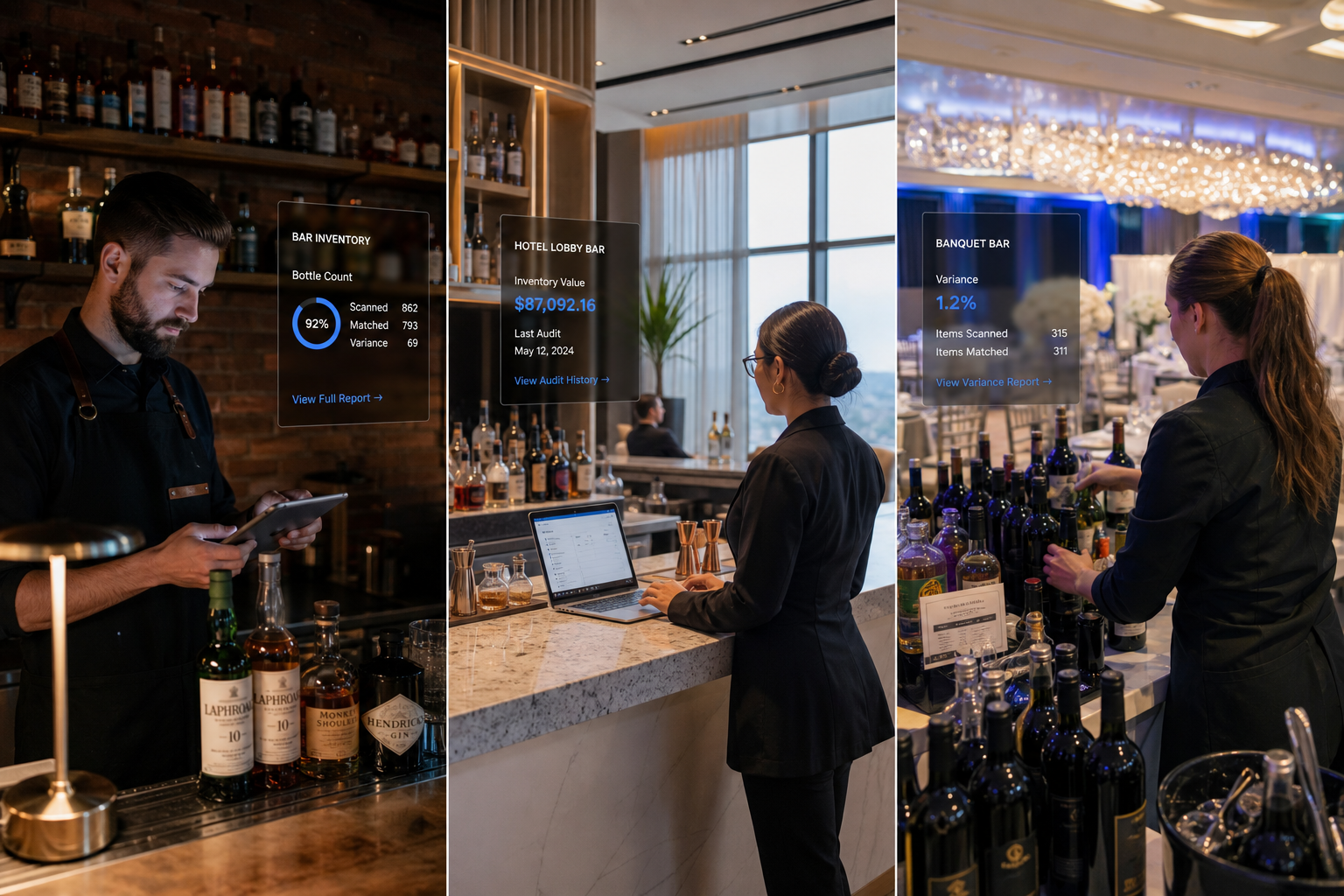
Implementing Scannabar Inventory Software provides five-star hotels with comprehensive metrics to quantify waste reduction and calculate return on investment. The system's reporting dashboard tracks key performance indicators including total waste value, waste as a percentage of purchases, variance by category, and trends over time. These metrics transform waste from an abstract concern into concrete numbers that can be benchmarked, targeted, and improved. Many properties establish baseline measurements during their first month with the software, then set quarterly goals for waste reduction, creating accountability and focus across the management team.

The financial impact typically manifests in multiple ways beyond just reduced spoilage. Hotels report significant cost savings from optimized ordering—purchasing less frequently at better prices, reducing emergency orders that carry premium costs, and negotiating better terms with suppliers based on accurate consumption data. Labor efficiency improves dramatically as well, with inventory counts that once required multiple staff members working for hours now completed by one person in a fraction of the time. These labor savings can be redirected to guest-facing service activities that enhance the five-star experience, creating a positive cycle where operational efficiency enables superior hospitality.

Most five-star properties implementing Scannabar see positive ROI within 6-12 months, with waste reduction percentages typically ranging from 15-35% depending on the baseline level of inventory control. A 200-room luxury hotel with annual F&B revenue of $5 million and a 30% cost of goods sold might waste $150,000 annually without proper controls. Reducing waste by even 20% represents $30,000 in annual savings—easily justifying the software investment while also advancing sustainability goals. Beyond the direct savings, the data-driven insights enable more strategic menu planning, pricing decisions, and operational improvements that compound benefits over time. For hospitality businesses where margins are constantly under pressure, Scannabar transforms inventory management from a necessary evil into a competitive advantage.

Topics: Hotel Inventory, Scannabar Inventory system, hotel supplies, hotel parties, Hotel Bar Inventory, Best Liquor Inventory app, Scannabar inventory app, Restaurant Inventory app, Scannabar Inventory Software

Top Foodie Spring Getaways for Sun, Flavor, and Festive Vibes

Discover the most mouthwatering spring destinations where culinary excellence meets sunshine, vibrant festivals, and unforgettable seasonal flavors.

Why Spring Is the Ultimate Season for Culinary Travel Adventures

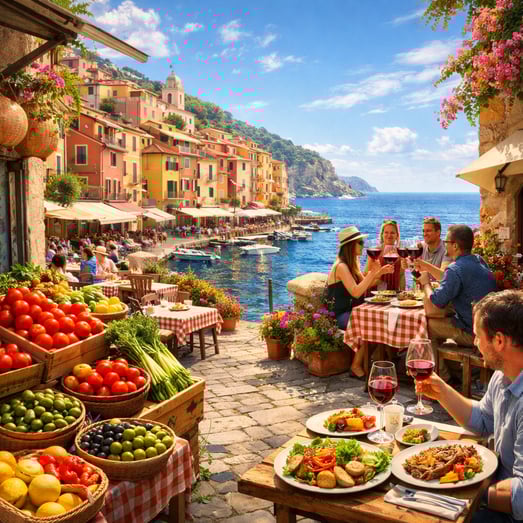
Spring awakens more than just flowers and warm weather—it signals the arrival of some of the world's most exciting culinary experiences. As winter's dormancy gives way to renewed energy, destinations across the globe burst into life with fresh produce, outdoor dining, and food festivals that celebrate the season's bounty. The mild temperatures create perfect conditions for exploring farmers markets, enjoying alfresco meals, and discovering local flavors without the sweltering heat of summer or the unpredictable chill of winter.A picturesque coastal scene unfolds showcasing a vibrant Mediterranean town where pastelcolored buildings cascade down to a sparkling azure sea Sunlig

For food lovers, spring represents a unique window when ingredients are at their peak freshness and variety. Asparagus, artichokes, peas, strawberries, and countless other seasonal delicacies make their debut on restaurant menus, giving chefs the opportunity to showcase their creativity with vibrant, flavorful dishes. Many culinary destinations also host their signature food and wine festivals during spring months, taking advantage of pleasant weather to bring communities together in celebration of regional cuisines.

Beyond the food itself, spring travel offers practical advantages that enhance any foodie getaway. Crowds are typically smaller than peak summer months, meaning shorter waits at popular restaurants and more intimate experiences at local eateries. Prices for accommodations often remain reasonable, and the combination of sunshine and comfortable temperatures makes it easy to walk off those indulgent meals while exploring charming neighborhoods and coastal promenades. Whether you're seeking Mediterranean freshness, Asian street food excitement, or New World innovation, spring creates the ideal backdrop for unforgettable culinary adventures.

Sun-Kissed Mediterranean Escapes Where Fresh Ingredients Shine

The Mediterranean region truly comes alive in spring, offering food enthusiasts an unparalleled combination of sunshine, sea breezes, and ingredient-driven cuisine. In Sicily, Italy, the almond blossoms create a stunning backdrop as local trattorias begin serving dishes featuring wild fennel, fava beans, and the season's first tomatoes. The coastal town of Taormina provides breathtaking views alongside fresh pasta with sea urchin, grilled swordfish, and cannoli filled with sweet ricotta. Spring temperatures hover in the comfortable 60s and 70s Fahrenheit, perfect for exploring ancient ruins between meals and sipping Nero d'Avola wine on sun-drenched terraces.

Greece's island destinations offer another irresistible Mediterranean option for spring travelers. Crete, with its remarkable biodiversity and centuries-old culinary traditions, showcases dishes made with just-harvested greens, local cheeses, and olive oil from the previous fall's harvest. The island's tavernas serve grilled octopus, dakos salad with ripe tomatoes and mizithra cheese, and lamb dishes perfected over generations. Meanwhile, the mainland's Peloponnese region invites visitors to discover family-run wineries, sample kalamata olives at their source, and enjoy moussaka made according to grandmother's recipes.

Spain's coastal regions provide yet another dimension to Mediterranean spring dining. The Costa Brava, stretching north from Barcelona, combines Catalan culinary excellence with pristine beaches and hidden coves. Small fishing villages serve suquet de peix (fisherman's stew), grilled calcots with romesco sauce, and paella made with seasonal vegetables and seafood caught that morning. The region's cava producers open their cellars for tastings, while markets overflow with spring peas, artichokes, and strawberries. With average temperatures in the low 70s and plenty of sunshine, it's the ideal time to explore this gastronomic paradise before summer crowds arrive.

Festival-Fueled Destinations That Celebrate Spring Through Food

New Orleans, Louisiana transforms into a food lover's paradise each spring, hosting festivals that celebrate the city's unique Creole and Cajun heritage. The New Orleans Jazz & Heritage Festival, typically held in late April and early May, features not just world-class music but also an astounding array of local specialties from cochon de lait po'boys to crawfish Monica, alligator sausage, and mango freeze. The French Quarter Festival in mid-April offers free admission and showcases more than 60 food booths serving everything from classic beignets to innovative fusion dishes. Spring weather in NOLA is ideal—warm days around 75-80°F with lower humidity than summer months—making it comfortable to stroll through the French Quarter while sampling pralines and sipping Sazeracs.

Charleston, South Carolina's spring food scene rivals any destination in the country, particularly during the Charleston Wine + Food Festival held each March. This five-day celebration brings together renowned chefs, winemakers, and food artisans for cooking demonstrations, tastings, and special dinners throughout the historic city. Beyond the festival, Charleston's restaurant scene shines with Lowcountry classics like shrimp and grits, she-crab soup, and fresh oysters from local waters. The mild spring temperatures and blooming azaleas create a romantic atmosphere for dining on historic piazzas and exploring the city's culinary heritage that spans centuries.

Across the Pacific, Tokyo's spring season centers around hanami (cherry blossom viewing), which coincides with exceptional seasonal eating experiences. Food stalls pop up in parks during cherry blossom season, serving special hanami bento boxes, sakura-flavored treats, and seasonal sake. The city's depachika (department store food halls) overflow with spring delicacies including bamboo shoots, mountain vegetables, and the prized sakura shrimp. Spring also marks the beginning of warmer weather dining at Tokyo's countless outdoor food markets and street food vendors, where you can sample everything from takoyaki to seasonal tempura. With temperatures ranging from the mid-50s to low 70s, it's the perfect time to explore Tokyo's diverse neighborhoods and their distinct culinary offerings.

Hidden Gem Coastal Towns Serving Seasonal Seafood Perfection

Essaouira, Morocco offers an enchanting blend of Atlantic breezes, vibrant culture, and some of North Africa's freshest seafood. This whitewashed coastal town, less crowded than Marrakech but equally captivating, features a working fishing port where boats arrive each morning with the day's catch. Visitors can select fish, sardines, or shellfish directly from the port's market stalls, then have them grilled on the spot with Moroccan spices, olive oil, and lemon. The town's restaurants serve incredible seafood tagines, grilled prawns with chermoula sauce, and fish couscous that showcases the region's culinary fusion of Berber, Arab, and French influences. Spring temperatures hover in the comfortable 60s to low 70s, with coastal winds keeping everything fresh and pleasant.

Polperro, Cornwall in England provides a quintessentially charming fishing village experience with outstanding seafood and traditional British hospitality. This tiny harbor town, accessible only by foot through narrow streets, has maintained its authentic character while developing a reputation for excellent restaurants serving locally caught crab, lobster, mackerel, and monkfish. Spring in Cornwall means fewer tourists, wildflowers covering the coastal paths, and comfortable temperatures for hiking the dramatic cliffs before settling into a cozy pub for fish and chips or a sophisticated seafood tasting menu. The local waters produce exceptional oysters, and many establishments pair their seafood with wines from Cornwall's emerging viticulture scene.

Comporta, Portugal remains relatively undiscovered compared to the Algarve, making it an ideal destination for travelers seeking authentic Portuguese coastal cuisine without the crowds. Located south of Lisbon, this laid-back beach town offers miles of pristine coastline, rice paddies, and pine forests, along with restaurants specializing in arroz de marisco (seafood rice), grilled sea bass, clams with garlic and coriander, and percebes (goose barnacles) harvested from nearby rocks. Spring brings perfect beach weather—warm enough for swimming but not scorching—and the chance to enjoy outdoor dining at beachfront chiringuitos while watching spectacular sunsets. The region's wines, particularly from the nearby Setúbal Peninsula, complement the seafood perfectly, making every meal a celebration of Portuguese coastal living.

Planning Your Perfect Spring Foodie Getaway Experience

Successful culinary travel requires thoughtful planning to maximize your gastronomic experiences while maintaining flexibility for spontaneous discoveries. Start by researching your destination's seasonal specialties and signature dishes—spring menus often feature limited-time ingredients that won't be available during other seasons. Make reservations at highly-rated restaurants well in advance, particularly for destinations hosting popular food festivals or events. However, leave room in your itinerary for unplanned meals at local recommendations, market discoveries, and casual eateries that capture authentic regional flavors. Consider booking accommodations in neighborhoods known for food scenes rather than tourist-heavy areas, giving you immediate access to where locals actually eat.

Timing your trip strategically can dramatically enhance your experience and value. Shoulder season travel during early spring (March-April) or late spring (May) often provides the best combination of pleasant weather, fewer crowds, and reasonable prices. Check local event calendars for food festivals, farmers markets, and culinary events that align with your travel dates. Many destinations offer food tours, cooking classes, and market visits that provide insider knowledge and hands-on experiences—these activities work especially well early in your trip, giving you context and recommendations for the rest of your stay. Don't forget to research any seasonal closures, as some restaurants in tourist areas may have limited hours during shoulder seasons.

Packing and preparation considerations for a foodie getaway differ from standard travel planning. Bring comfortable walking shoes suitable for exploring food markets and neighborhoods on foot—you'll likely walk much more than anticipated between meals and attractions. Consider packing elastic-waist clothing or looser fits to stay comfortable during multi-course meals and frequent tastings. Download translation apps, research dietary restrictions or allergies in the local language, and familiarize yourself with tipping customs and dining etiquette. Finally, embrace the mindset of culinary adventure: be willing to try unfamiliar ingredients, eat where locals eat, and understand that the best food experiences often happen in unexpected places. Your spring foodie getaway should balance planned experiences with spontaneous discoveries, creating memories that engage all your senses.

Topics: Bar trends, Bar drinks, Classic drinks, drink recipe, Bloddy Mary, banquet events, bar inventory app, Hotel Bar Inventory, Tequila brands, Spring Break

Reducing Hotel Bar Waste to Boost Profitability at Tropical Resorts

Unlock hidden profits at your tropical resort by transforming bar waste into sustainable savings and unforgettable guest experiences.

A vibrant hotel bar scene set in a tropical resort with lush green palm trees visible through large open windows The bar is elegantly designed featuriThe Hidden Costs of Bar Waste in Tropical Resorts

Bar waste is often an overlooked expense that can significantly impact a tropical resort’s bottom line. Spoiled mixers, half-used fruit garnishes, over-poured spirits, and unsold cocktails add up quickly, especially in all-inclusive operations where guests expect generous offerings. These hidden costs not only reduce profit margins but can also contribute to higher purchasing and disposal expenses.

With fluctuating occupancy and unpredictable guest preferences, bars in tropical resorts face unique challenges in inventory management. Inefficient practices can lead to unnecessary surplus, spoilage, and ultimately, waste. By identifying and addressing these hidden costs, resorts can take the first step toward more efficient, sustainable operations.

Sustainable Strategies for Reducing Beverage Waste

Implementing smart inventory control systems is essential to monitor and manage beverage usage in real time. Digital inventory solutions can help track popular drinks, predict demand, and automate reordering, reducing both shortages and excess stock. Additionally, adopting standardized pour sizes and training bartenders to follow recipes can eliminate over-pouring and ensure consistency.

Resorts can also consider smaller batch preparation for fresh ingredients and regularly review the bar menu to remove underperforming items. These simple yet effective strategies can help minimize waste, save money, and support a more sustainable operation.

Creative Reuse: Turning Bar Leftovers into Profit

Instead of discarding unsold ingredients or leftover garnishes, innovative resorts are finding creative ways to repurpose bar waste. Citrus peels, for instance, can be transformed into house-made syrups, infusions, or cocktail garnishes. Overripe fruits can be used in smoothies, desserts, or even as natural flavorings for spa treatments.

By giving new life to what would otherwise be waste, resorts not only cut costs but also create signature offerings that set them apart. These creative reuse practices can boost profitability and support a compelling sustainability story for guests.

Empowering Staff to Champion Waste Reduction

Staff engagement is crucial to the success of any waste reduction initiative. Training bartenders and barbacks on efficient ingredient usage, proper storage, and accurate inventory tracking empowers them to take ownership of the process. Recognizing and rewarding staff who contribute innovative waste-reducing ideas helps cultivate a culture of accountability and continuous improvement.

Open communication between management and staff ensures that everyone understands the goals and benefits of reducing bar waste. When team members feel invested in sustainability efforts, they are more likely to identify new opportunities for savings and efficiency.

Enhancing Guest Satisfaction Through Eco-Friendly Practices

Today’s travelers increasingly value eco-friendly practices and are drawn to hotels that demonstrate environmental responsibility. By promoting waste reduction initiatives, tropical resorts can appeal to this growing demographic, enhancing their brand reputation and guest loyalty.

Offering signature cocktails made from reused ingredients or sharing stories about sustainable bar practices can enrich the guest experience. These efforts not only help the environment and reduce costs but also create memorable, feel-good moments that inspire guests to share their positive experiences with others.

Topics: Bar inventory, Hotel Inventory, hotel supplies, inventory control, Hotel Bar Inventory, Best Bar Inventory app, Best Liquor Inventory app, Cruise ship bar inventory, Country Club Liquor Inventory

Effective Restaurant Waste Management to Lower Operational Costs

Discover how strategic waste management can transform restaurant operations, cut costs, and boost sustainability in the hospitality industry.

Why Restaurant Waste Management Matters for Your Bottom Line

A sleek restaurant bar with polished wooden surfaces reflects warm ambient lighting Behind the bar an array of colorful liquor bottles is neatly organ-1As a food and beverage manager, I’ve seen firsthand how waste management directly affects a hotel’s profitability. Unchecked waste doesn’t just impact the environment—it eats into margins through higher disposal fees, unnecessary purchasing, and labor inefficiencies. By prioritizing waste reduction, we not only decrease costs but also improve our sustainability credentials, which increasingly matters to guests and stakeholders.

Being proactive about waste management ensures our resources are used more efficiently, allowing us to invest savings into staff development, quality improvements, or guest experiences. It’s a win-win for the bottom line and brand reputation.

Identifying Key Sources of Waste in Restaurant Operations

The first step in tackling waste is identifying where it occurs most. In hotel bars and restaurants, food spoilage, overproduction, inefficient inventory management, and excessive packaging are common culprits. Energy waste from outdated equipment and improper use is another significant cost driver.

By conducting regular waste audits and involving kitchen, bar, and service teams in reporting, we gain a clear picture of problem areas. This foundational knowledge is critical for targeting improvements and measuring progress.

Smart Strategies to Minimize Food, Packaging, and Energy Waste

Implementing portion control, batch cooking, and first-in, first-out (FIFO) inventory systems significantly reduces food waste. Training staff to use ingredients creatively—such as repurposing trim or surplus—is another effective tactic. We’ve also re-evaluated our menu design to minimize perishable items and standardized order quantities to prevent overstocking.

Switching to eco-friendly packaging, consolidating deliveries, and upgrading to energy-efficient appliances have further minimized our environmental impact and operating costs. Setting clear waste reduction goals and tracking performance keeps everyone motivated.

Leveraging Technology for Efficient Waste Tracking and Reduction

Technology has been a game-changer for us. Implementing Scannabar’s inventory and waste management software has streamlined our daily procedures. With automated stocktaking, real-time tracking, and analytics, we quickly spot discrepancies and adjust purchasing accordingly. This has drastically cut down on over-ordering and stock losses.

Scannabar also provides actionable insights into usage patterns, allowing us to optimize menu engineering and reduce both food and beverage waste. The time saved on manual processes means our team can focus more on guest service and less on paperwork.

Building a Culture of Sustainability Among Staff and Customers

Sustainable waste management isn’t a one-person job—it requires buy-in from the entire team. We’ve made sustainability part of our training, encouraging staff to suggest improvements and rewarding innovative ideas. Regular communication ensures everyone understands their role and the impact of their actions.

Guests are also part of our sustainability journey. By highlighting our efforts—such as waste reduction initiatives and eco-friendly practices—we foster loyalty and differentiate our hotel in a competitive market. Transparency and engagement build a positive culture that extends from our team to our customers.

Topics: Hotel Inventory, Food Costs, hotel supplies, Food control, liquor inventory app, Hotel Bar Inventory, Best Bar Inventory app, Best Liquor Inventory app, Scannabar inventory app

Optimizing Hotel Beverage Analytics with Inventory Control Apps

Unlock the full potential of your hotel's beverage program by integrating powerful inventory control apps that transform data into actionable insights.

Transforming Beverage Operations Through Data-Driven Insights

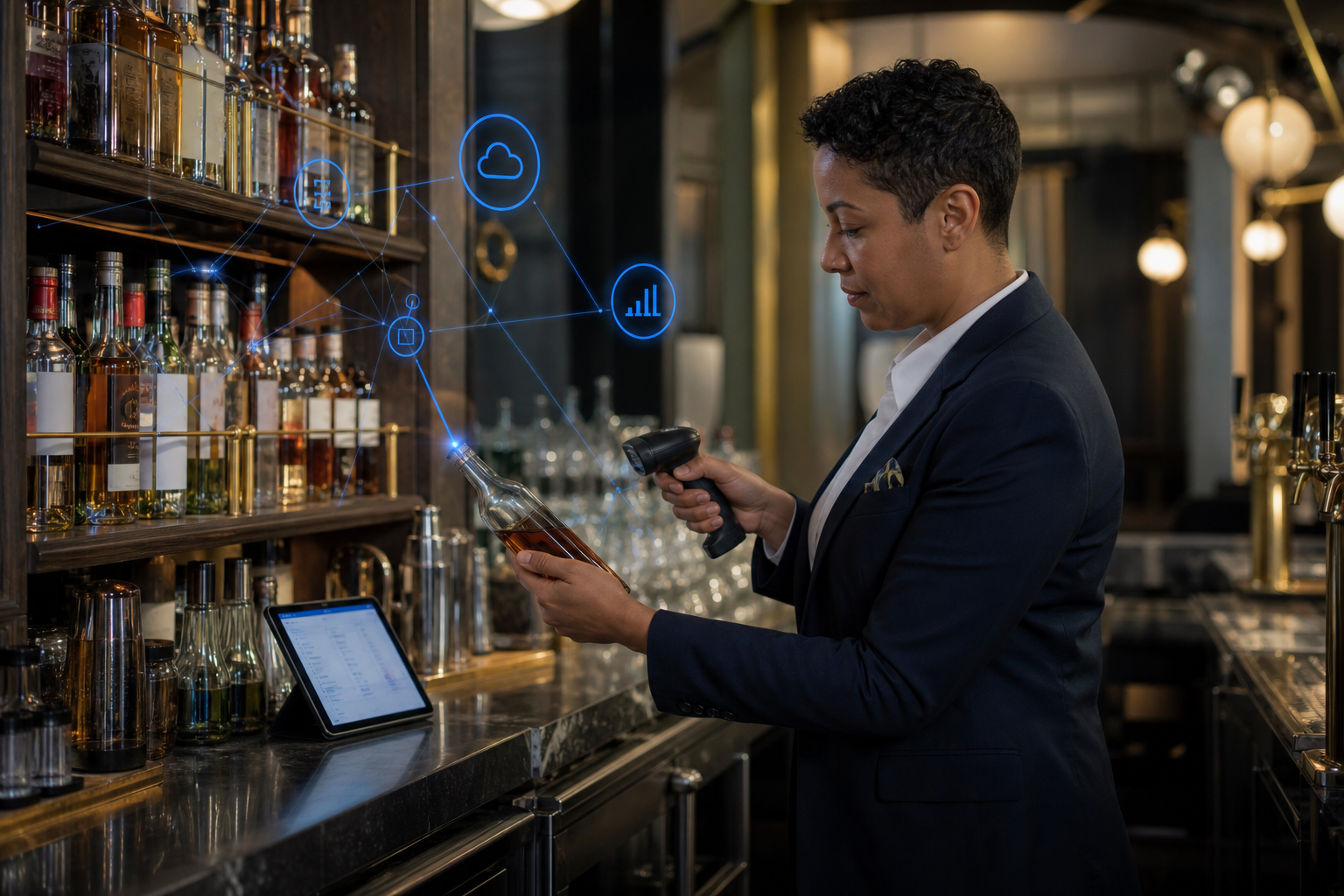
The hospitality industry is rapidly embracing data-driven approaches to streamline operations and enhance the guest experience.The image showcases a sleek modern bar environment filled with various bottles of liquor neatly arranged on shelves behind the counter A staff member dressed in a crisp white shirt and black apron is seen scanning a bottle with a handheld device high-1 For hotel purchasers and beverage managers, leveraging data analytics through inventory control apps can revolutionize how beverage programs are managed. These apps gather and process vast amounts of information, translating raw numbers into actionable insights that inform purchasing decisions, identify sales trends, and reveal underperforming products.
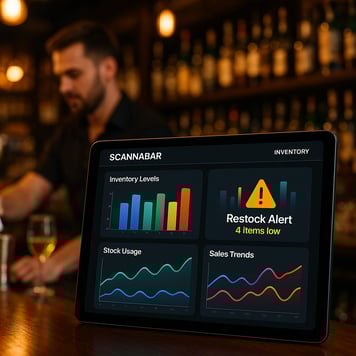


By converting traditional guesswork into informed strategies, data-driven insights enable hotels to optimize their beverage selections, tailor offerings to guest preferences, and respond quickly to market changes. This shift not only improves operational efficiency but also boosts revenue and guest satisfaction.

Key Features of Leading Inventory Control Apps for Hotels

Not all inventory control apps are created equal. The best solutions for hotels come equipped with features specifically tailored to the unique demands of hospitality beverage management. Look for apps that offer real-time inventory tracking, automated ordering, and detailed analytics dashboards. These features help hotel purchasers maintain optimal stock levels and reduce manual labor.

Additionally, integration with point-of-sale (POS) systems, compatibility with mobile devices, and customizable reporting are essential. Robust security protocols and user-friendly interfaces ensure that staff at all levels can seamlessly adopt and benefit from the technology.

Reducing Waste and Maximizing Profitability with Real-Time Analytics

One of the most significant advantages of using inventory control apps is the ability to monitor inventory in real time. This immediate visibility helps hotel purchasers quickly identify discrepancies, track usage patterns, and prevent both overstocking and stockouts. By reducing excess inventory and minimizing expired or unused products, hotels can dramatically cut waste.

Real-time analytics also highlight high-margin and high-demand products, allowing purchasers to make data-backed decisions that drive profitability. As a result, hotels can refine their beverage offerings, negotiate better supplier terms, and achieve a healthier bottom line.

Integrating Inventory Control Apps with Existing Hotel Systems

To unlock the full value of inventory control apps, seamless integration with existing hotel management systems is crucial. When these apps connect with property management systems (PMS), POS platforms, and accounting software, data flows effortlessly across the organization. This integration eliminates data silos, reduces manual entry errors, and provides a holistic view of hotel operations.

A successful integration ensures that purchasing, sales, and inventory information is centralized and accessible, empowering teams to collaborate more effectively. It also enables hotels to automate complex processes, such as invoicing and supplier management, streamlining workflows and saving valuable time.

Future Trends: How AI and Machine Learning Are Shaping Beverage Analytics

Artificial intelligence (AI) and machine learning are poised to further transform hotel beverage analytics. Advanced inventory control apps are beginning to harness these technologies to predict demand, optimize ordering schedules, and personalize beverage recommendations based on guest profiles and historical data.

Looking ahead, we can expect even greater automation, smarter forecasting, and deeper insights as AI and machine learning continue to evolve. By staying ahead of these trends, hotel purchasers can ensure their beverage programs remain competitive, agile, and highly profitable.

Topics: Hotel Inventory, hotel supplies, liquor inventory app, Hotel Bar Inventory, Best Liquor Inventory app, wine inventory app, Scannabar inventory app

Liquor Inventory Automation: Streamline Your Bar Operations

Revolutionize your bar's efficiency and profitability by embracing liquor inventory automation to eliminate manual errors and streamline operations.

Unlocking the Potential of Automated Liquor Inventory SystemsThe image features a sleek modern interface of the Scannabar Inventory application displayed on a tablet set against a backdrop of a bustling bar environment The screen shows vibrant graphs and charts illustrating realtime inventory levels stock usag-1

As a bar operator, one of the most time-consuming and error-prone tasks is managing liquor inventory. Automated liquor inventory systems like Scannabar unlock new levels of control and insight by digitizing the entire process. By eliminating manual counting and spreadsheets, these systems provide a real-time, accurate view of your stock, reducing human error and saving valuable labor hours.

The true potential of these systems lies in their ability to centralize your inventory data, making it accessible from anywhere and at any time. This means you can make informed decisions on-the-fly and avoid costly mistakes such as over-ordering or running out of popular products during peak hours.

How Automation Transforms Bar Efficiency and Staff Productivity

Automation takes the guesswork and tedium out of liquor inventory management. With solutions like Scannabar, scanning bottles and inputting data becomes a quick, streamlined task for bartenders and managers. This frees up staff to focus on delivering exceptional customer service rather than getting bogged down in back-of-house processes.

By reducing the workload and stress associated with inventory checks, staff morale improves, and turnover decreases. Automated reminders and scheduled counts ensure that inventory tasks are completed on time, further boosting productivity and ensuring operational consistency.

Reducing Losses and Boosting Profits with Real-Time Tracking

Shrinkage, spillage, and theft can significantly eat into bar profits, but real-time tracking provided by automated systems helps operators identify discrepancies instantly. With features like instant variance reports and consumption analytics, you can quickly spot trends or issues before they become major losses.

By keeping a closer eye on inventory in real time, bars can better control costs, ensure correct pours, and improve accountability among staff. Ultimately, this translates to higher profit margins and a healthier bottom line.

Integrating Technology Seamlessly into Your Bar Workflow

One of the concerns many operators have is how new technology will fit into their existing workflow. Modern inventory applications like Scannabar are designed for seamless integration, with intuitive interfaces and compatibility with point-of-sale systems. This means minimal disruption and a gentle learning curve for your team.

Proper training and user-friendly design ensure that staff can start using the system effectively from day one. The result is a smooth transition to automated processes that complement your bar’s unique operational style.

Choosing the Right Liquor Inventory Automation Solution for Your Business

Selecting the right inventory automation tool is crucial to realizing all the benefits automation has to offer. Operators should consider factors such as ease of use, integration capabilities, support, and scalability when evaluating options like Scannabar.

Look for a solution that not only fits your current needs but can also grow with your business. Reliable customer support and comprehensive training resources are essential to ensure long-term success with your chosen system.

Topics: Bar inventory, Lineup control, Bar Management, Loss prevention, Hotel Bar Inventory, Best Bar Inventory app, Best Liquor Inventory app, Cruise ship bar inventory, Country Club Liquor Inventory

Lowering Beverage Costs with Scannabar in Hotels

Discover how Scannabar is revolutionizing beverage management in hotels, empowering hospitality leaders to cut costs without sacrificing quality or guest satisfaction.

Unveiling the Beverage Cost Challenge in Hotels

Managing beverage costs is a persistent challenge for hotels, especially those operating high-volume bars, restaurants, and event venues. Shrinkage, over-pouring, and inaccurate inventory records often erode profit margins, making it difficult for Food and Beverage managers to maintain financial targets without impacting guest experience.Hotel Bar Invetory

Traditional inventory methods are time-consuming, prone to human error, and often fail to provide real-time insights. This lack of accurate, actionable data can lead to unnecessary waste, stockouts, and missed opportunities to optimize purchasing and pricing.

How Scannabar Transforms Hotel Beverage Management

Scannabar has completely transformed our approach to beverage management by automating and streamlining the entire inventory process. With its advanced barcode scanning and real-time data capture, we can now track every bottle, keg, and case from delivery to pour, ensuring precise control and accountability at every step.

This level of oversight not only improves accuracy but also frees up our staff to focus on delivering exceptional guest experiences, rather than being bogged down by manual counts and reconciliations.

Key Features of Scannabar That Drive Cost Savings

Scannabar's intuitive interface and mobile compatibility make it easy for our team to conduct inventory quickly and accurately, reducing labor hours and minimizing errors. Automated variance reports highlight discrepancies between actual usage and sales, allowing us to pinpoint losses and address them immediately.

Integration with our POS and procurement systems enables seamless reordering, prevents overstocking, and helps us negotiate better pricing with suppliers. These features collectively drive significant cost savings while maintaining quality and consistency in our beverage service.

Real Success Stories: Hotels Benefiting from Scannabar

Since implementing Scannabar, we have seen a measurable reduction in beverage cost percentages, with some of our properties reporting savings of up to 15%. The application has helped us identify sources of shrinkage and inefficiency that were previously hidden, leading to actionable improvements in operations.

Our team members appreciate the ease of use and the ability to generate instant, detailed reports for management review. This transparency has fostered greater accountability and teamwork across departments, further enhancing our bottom line.

Best Practices for Integrating Scannabar into Your Hotel Operations

To maximize the benefits of Scannabar, we recommend providing comprehensive training for all relevant staff and setting clear protocols for inventory procedures. Regular audits and variance analysis should be scheduled to ensure ongoing accuracy and to quickly address any issues that arise.

Collaborating closely with IT and procurement departments during the integration process ensures smooth data flow and optimal use of Scannabar’s features. By making inventory management a shared responsibility, hotels can maintain tighter control over costs without compromising the guest experience.

Topics: Bar inventory, Hotel Inventory, Scannabar Inventory system, Liquor Inventory savings, Loss prevention, Hotel Bar Inventory, Best Bar Inventory app, Scannabar inventory app

Romantic Dinner Spots in Nashville for the Perfect Date

Nashville is known for its vibrant music scene, but it’s also a haven for romantic dining experiences that will make your date night unforgettable.

The Allure of Romantic Dining in NashvilleDate night Nashville

Nashville’s charm extends far beyond its renowned music scene. For couples looking to indulge in a romantic evening, the city offers a plethora of dining options that set the stage for unforgettable moments. From intimate ambiances to exquisite cuisine, Nashville's top romantic restaurants know how to create an atmosphere of love and connection.

Whether you're planning a first date or celebrating an anniversary, these dining spots provide the perfect backdrop for romance. Let's explore some of the most enchanting restaurants that Nashville has to offer.

Intimate Ambiance at The Catbird Seat

For a truly unique and intimate dining experience, The Catbird Seat is a must-visit. This exclusive restaurant offers a one-of-a-kind culinary adventure with its open chef’s kitchen, allowing you to watch the magic unfold as your meal is prepared.

The intimate seating arrangement ensures that you and your date can enjoy a personal and engaging dining experience, making it a perfect spot for a special night out.

Charming Vibe at Rolf and Daughters

Located in a historic building in the Germantown neighborhood, Rolf and Daughters exudes a rustic yet modern charm that sets the mood for a cozy and romantic dinner. The dim lighting and warm ambiance make it an ideal setting for meaningful conversations and shared moments.

The menu, featuring Mediterranean-inspired dishes crafted from locally sourced ingredients, adds to the overall experience, making Rolf and Daughters a favorite among couples.

Southern Elegance at Husk

Husk offers a taste of Southern elegance with its beautifully restored building and sophisticated decor. The restaurant focuses on the rich culinary traditions of the South, presenting dishes that are both innovative and deeply rooted in regional flavors.

Dining at Husk is not just about the food; it's about experiencing the essence of Southern hospitality, making it a perfect choice for a romantic evening.

Modern Romance at Etch

Etch is known for its contemporary and chic atmosphere, providing a stylish setting for a romantic dinner. The restaurant’s sleek design, combined with its impressive wine list and globally inspired menu, offers a modern twist on romance.

Whether you're savoring a delectable entrée or sharing a dessert, Etch ensures that every moment of your dining experience is filled with elegance and romance.

Topics: Hotel Inventory, Restaurant Inventory, Liquor Inventory savings, restaurant trends, Hotel Bar Inventory, craft cocktails, date night

Simplify End of Month Inventory with Scannabar

Navigating the complexities of end-of-month inventory can be a daunting task in the hospitality industry. With Scannabar, streamline your inventory process for more accurate and efficient results.

Transform Your Inventory Process with Scannabar

The end-of-month inventory process in the hospitality industry can be incredibly time-consuming and prone to errors. Scannabar simplifies this process by offering a comprehensive inventory management solution that caters specifically to your needs. By automating the inventory process, Scannabar helps you save valuable time that can be better spent on other critical tasks.

With Scannabar, the tedious manual counting of inventory is a thing of the past. This app offers an intuitive interface that makes it easy to scan and track your beverage inventory in real-time, providing you with instant access to accurate data whenever you need it.

Eliminate Human Error and Save Time

Manual inventory processes are not only time-consuming but also prone to human error. Scannabar significantly reduces the chances of mistakes by automating the entire inventory process. This ensures that your inventory data is accurate and reliable, helping you make informed decisions based on trustworthy information.

The Scannabar app is designed to be user-friendly and efficient, allowing your staff to complete inventory tasks quickly and accurately. This not only saves time but also increases the overall efficiency and productivity of your team.

Achieve Accurate and Real-Time Data

The image depicts a bustling bar scene with sleek modern refrigeration units lined against the wall showcasing an array of colorful bottled beers and spirits Behind the bar a bartender skillfully maneuvers scanning barcodes on bottles with a sleek ta-1One of the standout features of Scannabar is its ability to provide accurate and real-time data. With just a few clicks, you can access up-to-date information on your inventory levels, helping you keep track of your stock more effectively. This real-time data is invaluable for making timely decisions and ensuring that you always have the right amount of inventory on hand.

Scannabar's advanced reporting capabilities allow you to generate detailed reports that provide insights into your inventory usage patterns. This helps you identify trends and make data-driven decisions to optimize your inventory management process.

Enhance Your Purchasing Decisions

Effective inventory management is crucial for making informed purchasing decisions. Scannabar provides you with the data you need to understand your inventory usage patterns and forecast future demand accurately. This helps you avoid overstocking or understocking, ensuring that you always have the right amount of inventory to meet customer demand.

By using Scannabar, you can streamline your purchasing process and negotiate better deals with suppliers based on accurate inventory data. This not only saves you money but also helps you maintain a well-balanced inventory that meets your business needs.

Improve Beverage Cost Management

Managing beverage costs is a critical aspect of running a successful hospitality business. Scannabar helps you keep track of your beverage inventory and costs with precision, allowing you to identify areas where you can cut costs and improve profitability.

With Scannabar, you can monitor your beverage costs in real-time and make adjustments as needed to stay within budget. This proactive approach to cost management helps you maximize your profits and ensures the financial health of your business.

Topics: Hotel Inventory, Liquor Inventory savings, Hotel Bar Inventory, Best Bar Inventory app, Best Liquor Inventory app, Cruise ship bar inventory, Country Club Liquor Inventory