Liquor Inventory Experts

Bar Waste Logs: Track Spillage, Spoilage, and Breakage

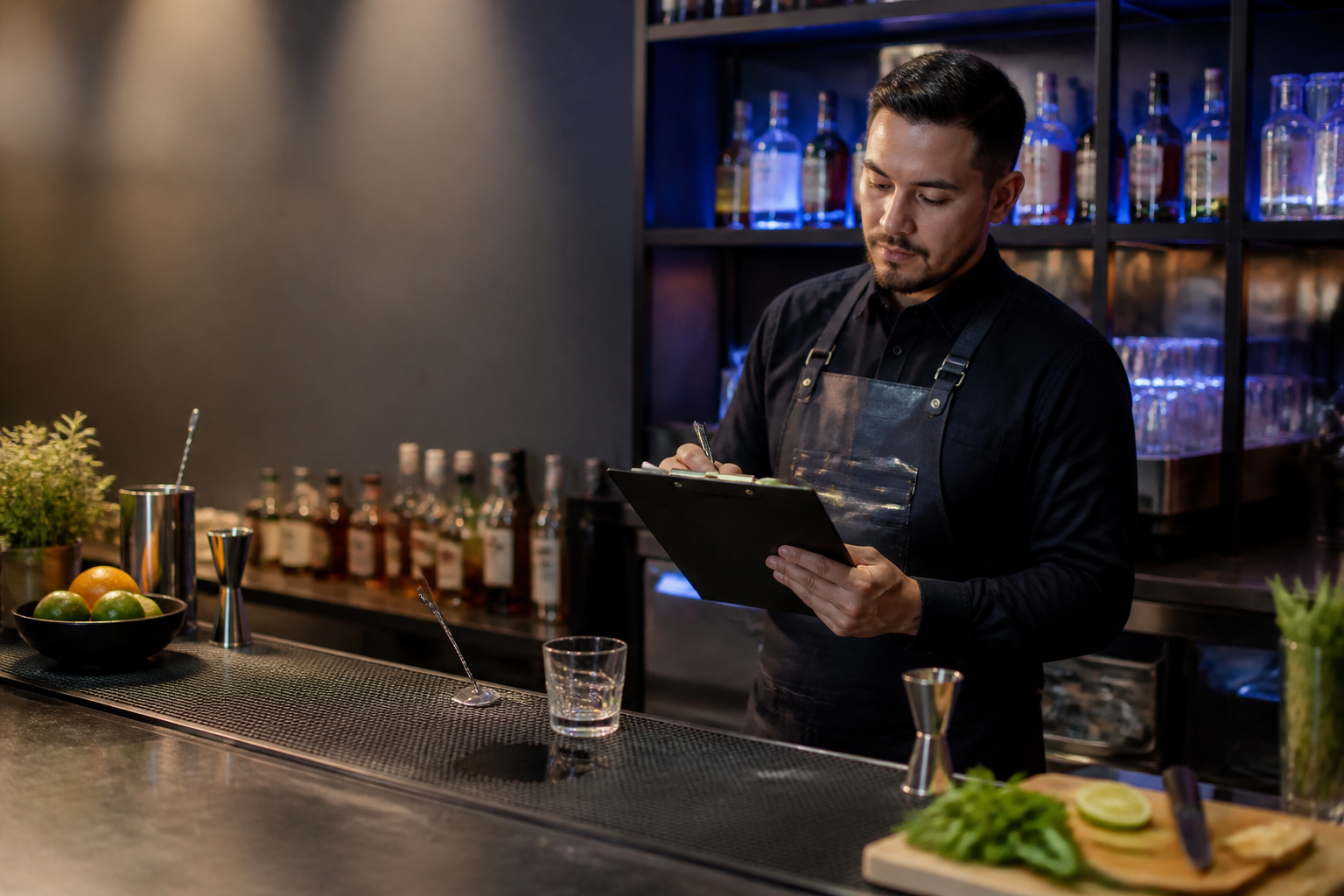
Professional bartender recording a waste log entry at the bar station

The average bar loses 20% to 25% of its beverage inventory to shrinkage, and a significant portion of that loss is legitimate waste: spills during service, bottles that break in storage, kegs that foam out, and product that expires before it can be sold. According to the National Restaurant Association, for every dollar invested in food-waste reduction, restaurants can realize approximately $8 in cost savings. The same principle applies to beverage waste. The problem is not that waste happens. The problem is that unrecorded waste inflates your unexplained variance and makes it impossible to separate ordinary operational loss from theft or over-pouring.

This guide covers the difference between recorded waste and unexplained variance, the fields your waste tracking log needs, how to calculate cost patterns, and how to build staff accountability without creating a blame culture. The examples use hypothetical numbers. Apply your own data before changing procedures.

Key Takeaways: Bar Waste Logs

  • Recorded waste and unexplained variance are two distinct categories: separating them is the foundation of honest inventory management.
  • A useful waste log captures product, quantity, reason, shift, employee, and date for every event.
  • Calculate waste cost patterns by item, shift, and reason code to identify where corrective action will produce the largest savings.
  • Scannabar supports the bottle-level inventory measurement that connects your waste log to accurate variance analysis.
  • Staff accountability works when records protect honest employees from false accusations rather than assigning blame by default.

What Is the Difference Between Recorded Waste and Unexplained Variance?

Recorded waste is product that left your inventory through a documented, legitimate event: a spill, a broken bottle, a spoiled garnish, a drink that was remade for quality reasons, or a complimentary pour approved by a manager. Each of these events is expected in a busy bar. Each one costs money. And each one should be logged the moment it happens.

Unexplained variance is the gap that remains after you account for sales, documented waste, transfers, and returns. It is the difference between what your theoretical usage says you should have consumed and what your physical counts show you actually consumed, minus everything you can explain.

Why the Distinction Matters for Cost Control

When waste goes unrecorded, it gets lumped into unexplained variance. That inflated number triggers one of two responses: either management ignores it because the variance seems too large to investigate, or management assumes the entire gap is theft and creates a hostile environment that damages morale.

Neither response helps. The first lets real losses continue. The second punishes honest staff for a number they did not cause. A disciplined waste log separates what you can explain from what you need to investigate, giving you a realistic target for improvement.

For a bar doing $400,000 in annual beverage sales, a 4% total variance represents $16,000. If half of that variance is documented waste from spills and breakage, your unexplained gap is $8,000. That is a specific, manageable target. Without the waste log, you are staring at $16,000 and guessing where it went.

What Fields Does a Reusable Waste Log Need?

A waste log is only useful if it captures enough context to make the event actionable. A line that reads "1 bottle broken" tells you almost nothing. A line that reads "1 bottle Absolut Vodka 750 mL, breakage, dropped during restock, Friday PM shift, Employee: J. Torres, 2026-01-17" tells you the cost, the cause, the pattern potential, and the person who can explain what happened.

Essential Fields

Your log should include the following fields for every waste event:

FieldWhat It CapturesWhy It Matters
ProductBrand name, bottle size, SKUEnables dollar-cost calculation and links the event to your inventory system
QuantityUnits lost (ounces, bottles, servings)Converts the event into a measurable cost for variance reconciliation
Reason CodeSpill, breakage, spoilage, comp, remake, batch lossSeparates waste causes so corrective action targets the right category
EmployeeName or ID of person involvedSurfaces handling patterns for coaching, not for automatic blame
ShiftDay part (AM, PM, late night)Ties waste events to staffing levels, service pace, and operational conditions
Date and TimeWhen the event occurredAligns the waste event with the count window and POS sales period

Filled Example: A Friday Night Waste Log

The following entries are hypothetical and demonstrate how a completed log looks in practice. The product costs are illustrative.

DateShiftEmployeeProductQtyReasonEst. Cost
2026-01-17PMJ. TorresAbsolut Vodka 750 mL1 bottleBreakage$18.00
2026-01-17PMM. ChenHouse Margarita mix12 ozSpill$1.80
2026-01-17PMK. AdamsHendrick's Gin 1 L2 ozRemake$2.40
2026-01-17LateR. DiazDraft IPA keg32 ozFoam/line issue$4.80
2026-01-17PMJ. TorresLime wedges (prepped)~20 piecesSpoilage$1.50
2026-01-17LateM. ChenMaker's Mark 750 mL1.5 ozComp (mgr approved)$2.10

Total documented waste for the night: $30.60. Each entry ties to a person, a shift, a reason, and a cost. These entries explain $30.60 of your period variance. Without them, $30.60 of legitimate loss would sit in your unexplained column.

How to Calculate Waste Cost Patterns

Individual waste events are small. Their patterns are not. A single $18 broken bottle is an annoyance. Six broken bottles per month across the same restock procedure is a $108 recurring cost that points to a process problem.

Summarize by Item

At the end of each reporting period, total your waste cost by product. Sort the results from highest cost to lowest. The top five products by waste cost are your priority targets for corrective action.

If your house vodka appears at the top of the list every period, investigate the specific causes. Is it breakage during delivery? Spills from a poorly positioned speed rail? Over-pouring that staff are logging as spills? The reason codes in your log separate these causes so your response matches the real problem.

Summarize by Shift

Compare waste totals across shifts. If late-night shifts consistently produce more waste than afternoon shifts, the cause may be staffing levels, fatigue, service pace, or the types of drinks being served. A busy late-night shift pouring more cocktails will naturally produce more spills than a quiet Tuesday afternoon pouring wine.

Normalize the comparison by dividing waste cost by total drinks served per shift. A $40 waste total on a 600-drink shift is a different story than $40 on a 150-drink shift.

Summarize by Reason Code

Reason code analysis reveals whether your waste is dominated by one category. If breakage accounts for 60% of your total waste cost, your storage, restocking, and handling procedures need review. If spoilage dominates, your purchasing quantities or prep batch sizes are too large for your actual demand.

The following hypothetical monthly summary shows how reason codes distribute waste cost for a mid-volume bar:

Reason CodeMonthly CostShare of TotalCorrective Action
Spillage$14538%Review speed rail placement, portion standards
Breakage$9224%Audit restock procedure, storage conditions
Spoilage$6818%Reduce perishable batch sizes, enforce rotation
Comps (approved)$4813%Review comp policy, track approval frequency
Remake/batch loss$277%Check recipe clarity, staff training on builds

Total monthly waste: $380. That figure now has a structure. You know where to focus. Spillage at $145 per month is $1,740 per year. If improved rail placement and portion training reduce spillage by 30%, you recover $522 annually from one corrective action.

How to Build Staff Accountability Without Blame

A waste log that records employee names creates anxiety if the culture treats every logged event as a mark against the person. That anxiety produces the worst possible outcome: staff stop logging waste to avoid being associated with loss, and your unexplained variance climbs right back up.

Frame the Log as Protection, Not Punishment

When you introduce the waste log, explain its purpose to your team clearly. Recorded waste is expected. Every bar produces spills, breaks bottles, and discards product. The log exists to explain those losses so that honest staff are not blamed for a variance number they did not cause.

This framing aligns with how operators should use inventory accountability in general. The goal is a culture of accountability where records protect everyone, not a surveillance system where every logged event becomes a disciplinary action.

Separate Training Conversations From Disciplinary Actions

If one employee's waste log shows a pattern of broken bottles during restock, the first response is a training conversation, not a write-up. Walk through the restocking procedure together. Observe their technique. Identify whether the problem is a skills gap, a workflow design issue, or an equipment problem.

Disciplinary action belongs in a different process and should be triggered by evidence of misconduct, not by normal operational waste. If you punish staff for logging a $2 spill, they will stop logging spills. Then your data goes dark, and your ability to manage waste disappears with it.

Share Aggregate Results With the Team

Post monthly waste summaries where your team can see them, without attaching individual names. Show the total cost, the top reason codes, and the trend over time. Celebrate reductions. Discuss increases. Keep the conversation about process improvement rather than individual performance.

When the team sees that recorded waste is going down and management is responding with process changes rather than punishment, compliance with the logging procedure increases. That compliance improves your data quality, which improves your variance analysis, which gives you better targets for cost reduction. The cycle reinforces itself.

How to Implement a Waste Log Without Slowing Down Service

The most common objection to waste logging is that it takes too long during a busy shift. If your bartender has to leave the service well, find a clipboard, write three lines of detail, and return to the queue, the log will be abandoned by the end of the first Friday night. The format and placement of the log must match the pace of your operation.

Keep the log at the bar station, not in a back office. A single sheet clipped to the speed rail or a tablet mounted at eye level takes under 20 seconds to complete per entry. Pre-populate the product list with your top 30 SKUs so the person logging can circle or tap rather than write from scratch. Reason codes should use a short dropdown: spill, break, spoil, comp, remake.

For high-volume bars, consider logging waste at natural pause points: between ticket batches, during a brief lull, or at handoff between bartenders. The accuracy of a 15-second log entered within a minute of the event is far higher than a memory-based entry at end of shift.

How the Waste Log Connects to Inventory Variance Analysis

Your waste log feeds directly into the variance calculation that determines how well your bar is controlling beverage cost. Understanding this connection is what makes waste logging more than an administrative chore.

The Variance Formula With Waste Included

Total variance is the difference between actual consumption (from inventory counts and movement records) and theoretical consumption (from recipes multiplied by sales counts). Within that total variance, documented waste explains a portion of the gap. The remainder is unexplained variance.

Unexplained variance = Total variance minus documented waste minus documented comps minus other recorded non-sale use.

If your total variance for a product is $500 in a month, and your waste log shows $180 in documented spills, breakage, and spoilage for that product, the unexplained portion drops to $320. That $320 now deserves focused investigation into over-pouring, receiving errors, transfer discrepancies, or unauthorized use.

Why Waste Should Stay in Total Usage Cost

Do not remove documented waste from your actual usage cost calculation. Waste is real consumption. It is product that left your inventory. Removing it from usage cost makes your cost ratio look better than reality.

Instead, keep waste inside total usage cost for your beverage cost calculation. Then use the waste log to explain a portion of the variance between actual and theoretical cost. The log makes the number actionable. It does not make the number smaller.

How Scannabar Supports Waste Tracking and Variance Analysis

Accurate waste tracking depends on accurate inventory measurement. If your bottle counts are estimates, the variance calculation that your waste log feeds into is unreliable. You cannot accurately determine how much waste explains if you do not know how much total product was consumed.

Scannabar provides the bottle-level measurement precision that makes variance analysis trustworthy. Scannabar's barcode-based bottle measurement, combined with per-bottle calibration, reads the liquid level directly rather than relying on visual estimates. The gap between theoretical and actual usage is based on measured numbers, not rounded guesses. Your waste log then explains a specific portion of that verified gap.

For multi-outlet hotel operations, Scannabar's outlet-level reporting lets you compare waste patterns across locations. A pool bar may produce more spillage due to outdoor conditions. A banquet bar may produce more batch loss due to event timing. Outlet-level data lets you apply corrective action where it belongs rather than averaging waste across locations that operate under different conditions.

In Conclusion: Log the Waste to Find the Real Problem

Unrecorded waste does not disappear from your costs. It hides inside your unexplained variance, inflating a number that management either ignores or misinterprets. A disciplined waste log gives you the documented evidence to separate ordinary operational loss from the variance that actually needs investigation.

Build the log with the right fields. Train your staff to record every event the moment it happens. Analyze cost patterns by item, shift, and reason code. Use that analysis to drive process changes, not blame. Then connect the waste data to your variance reports so you can see whether the changes are working.

Every dollar of documented waste is a dollar you can explain. Every dollar of unexplained variance is a dollar that demands investigation. The waste log is what moves dollars from one column to the other, and that distinction is what turns inventory management from guesswork into evidence-based control.

FAQs About Bar Waste Logs

What is the difference between waste and shrinkage?

Waste is documented product loss from legitimate operational events like spills, breakage, and spoilage. Shrinkage is the total gap between what you should have on the shelf and what you actually count. Waste is one component of shrinkage. Theft, over-pouring, and recording errors account for the remainder. A complete waste log helps you quantify the legitimate portion so you can focus investigation on the unexplained portion.

How often should bartenders log waste events?

Log every event the moment it happens. End-of-shift recall is unreliable: staff forget events, misremember quantities, and lose the context that makes the log entry useful. Place the waste log where it is accessible during service and keep the entry process to under 30 seconds. Scannabar's inventory controls complement real-time waste recording by providing the bottle-level data that connects logged events to period-end variance.

Should complimentary drinks be tracked in the waste log?

Yes. Approved comps consume inventory without generating a sale, which creates variance. Log each comp with the manager who approved it, the product, and the quantity. This is not about restricting comps. It is about making sure comps are visible in your variance analysis so they are not mistakenly attributed to theft or over-pouring.

Can a waste log help reduce insurance claims?

A documented breakage record provides evidence for insurance claims involving recurring equipment failures or delivery damage. If your log shows $400 per month in bottles broken during supplier deliveries, you have documented grounds for a claim or a conversation with your distributor about delivery procedures.

What happens if staff refuse to log waste?

Non-compliance with the waste log inflates your unexplained variance and makes it impossible to identify genuine process problems. Address non-compliance as a training issue first. Reinforce that the log protects staff from false accusations. If a specific employee consistently refuses to log waste while their shifts show higher variance, that pattern itself becomes an investigation signal that your variance data can help identify.

How does Scannabar connect waste logs to variance reports?

Scannabar provides the bottle-level inventory counts and product usage data that establish your total variance. Your waste log explains a portion of that variance with documented events. Together, they produce a clear picture: total consumption, documented non-sale use, and the residual unexplained gap that warrants investigation. That combination turns a single number into an actionable diagnostic.
Topics: Bar inventory, Bar staff, Bar trends, Scannabar Inventory system, Bar drinks, Bar products, Liquor Inventory savings, Bar Promotion, Hotel Bar Inventory, Best Bar Inventory app, Best Liquor Inventory app, Cruise ship bar inventory, Country Club Liquor Inventory, Resaurant Inventory app, Restaurant Inventory app, Scannabar Inventory Software

Boosting Customer Retention at Your Bar with Happy Hour Deals

Transform your bar's happy hour into a powerful customer retention strategy that keeps patrons coming back week after week while boosting your bottom line.

Why Happy Hour Is Your Secret Weapon for Building Loyalty

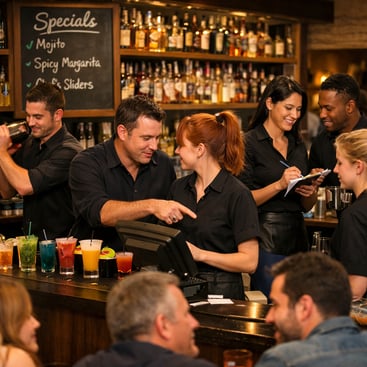
Happy hour isn't just about discounted drinks—it's one of the most powerful tools in your arsenal for building a devoted customer base. When implemented strategically, happy hour creates a consistent touchpoint that transforms casual visitors into regular patrons. By offering value during traditionally slower business hours, you're not only filling seats but also establishing predictable patterns that fit seamlessly into your customers' routines.The image depicts a bustling bar scene with a diverse group of bartenders and servers in action The bar is welllit showcasing a variety of colorful co-1

The psychology behind happy hour's effectiveness is simple yet profound. Customers who discover great deals at your establishment develop positive associations with your brand. They begin to see your bar as their go-to destination for after-work relaxation or midweek socializing. This repetition builds habit formation—the holy grail of customer retention. When patrons visit your bar every Thursday at 5 PM for two months straight, it becomes part of their weekly ritual.

Beyond the individual customer benefits, happy hour creates a vibrant atmosphere that attracts even more business. A packed bar during happy hour signals social proof to passersby, drawing in curious newcomers who want to be part of the energy. These new visitors, initially attracted by the crowd, stay for the deals and experience, creating a virtuous cycle of growth. Your existing happy hour customers essentially become unpaid ambassadors, bringing friends and colleagues who then become regulars themselves.

Crafting Irresistible Happy Hour Deals That Keep Customers Coming Back

The key to a successful happy hour menu lies in striking the perfect balance between profitability and perceived value. Start by analyzing your inventory and identifying which products offer the best margins even at discounted prices. Well drinks, draft beers, and house wines typically provide excellent opportunities for attractive pricing while maintaining healthy profit margins. Consider creating signature happy hour cocktails using spirits you want to move or ingredients you buy in bulk—this allows you to offer something unique while controlling costs.

Variety and rotation are essential elements that prevent happy hour fatigue. While you should maintain a core selection of reliable favorites, introducing weekly or monthly specials keeps your offerings fresh and gives regulars a reason to explore beyond their usual orders. Feature seasonal ingredients, test new recipes, or create themed nights that align with customer interests. A 'Margarita Monday' or 'Wine Down Wednesday' gives customers specific reasons to choose your bar over competitors on particular days.

Don't overlook the power of tiered pricing strategies. Instead of uniform discounts across the board, create different value levels that cater to various customer segments. Offer aggressive discounts on select items to draw price-sensitive customers, moderate discounts on premium options for those seeking quality, and pair deals with food specials to increase average ticket sizes. For example, 'Buy one appetizer, get 50% off another' encourages group sharing and extends visit duration, leading to additional beverage purchases beyond happy hour pricing.

Strategic Timing and Promotion Tactics That Maximize Return Visits

Timing can make or break your happy hour strategy. While the traditional 4-7 PM window captures the after-work crowd, don't be afraid to experiment with unconventional hours if your demographic warrants it. Bars near universities might find late-night happy hours more effective, while neighborhood establishments could benefit from weekend brunch happy hours. Analyze your traffic patterns and identify the periods when you need the most boost—that's where happy hour can have maximum impact.

Promotion requires a multi-channel approach in today's digital landscape. Social media platforms like Instagram and Facebook allow you to showcase your happy hour specials visually, with mouthwatering photos of cocktails and bites that drive immediate desire. Create consistent posting schedules so followers know when to expect updates. Email marketing remains incredibly effective for loyal customers—send weekly reminders with exclusive perks for subscribers, such as extended happy hour times or bonus specials. Don't underestimate traditional methods either; sidewalk chalkboards and window signage capture impulse traffic from people passing by.

Leverage scarcity and exclusivity to drive urgency. Flash happy hour announcements, limited-time specials, and members-only deals create fear of missing out that motivates action. Consider implementing a loyalty program where happy hour visits earn points toward free drinks or VIP benefits. Digital punch cards through apps make tracking easy and provide valuable data on customer frequency. Partner with nearby businesses to cross-promote—offer happy hour discounts to employees of neighboring offices, or create reciprocal arrangements where their customers receive special deals at your bar.

Creating a Memorable Happy Hour Experience Beyond the Discounts

While pricing draws customers in initially, the overall experience determines whether they become regulars. Train your staff to provide exceptional service during happy hour—even when the bar is packed, prompt and friendly service makes customers feel valued. Consider dedicating specific bartenders to happy hour shifts who excel at managing high volume while maintaining quality interactions. Quick service doesn't mean impersonal; a bartender who remembers names and drink preferences creates emotional connections that transcend price points.

The ambiance during happy hour should feel distinct from your regular evening crowd. Curate specific playlists that match the energy you want to create—upbeat but not overwhelming, allowing for conversation. Lighting adjustments can transform the mood; slightly brighter settings during early happy hour encourage socializing and create an inviting atmosphere for solo visitors who might feel uncomfortable in dimly lit evening settings. Arrange seating to facilitate both intimate gatherings and larger groups, with communal tables that encourage mingling.

Entertainment and engagement elevate happy hour from a simple discount period to an event worth attending. Rotate special activities like trivia nights, live acoustic music, or themed tastings that give customers reasons to visit beyond the deals. Interactive elements such as DIY garnish bars for cocktails or voting on next week's featured drink create participation and investment in your establishment. Social media contests encouraging customers to share their happy hour experiences with specific hashtags generate organic marketing while making patrons feel like valued community members.

Measuring Success and Optimizing Your Happy Hour Strategy

Tracking the right metrics is essential for understanding your happy hour's true impact on customer retention. Start with basic measurements like happy hour attendance numbers, average transaction values, and total revenue during promotional periods. However, dig deeper to assess retention specifically—track how many happy hour customers return within the next week, month, and quarter. Use your POS system to identify repeat visitors and analyze their spending patterns. Are happy hour customers making purchases outside promotional hours? This indicates successful conversion from deal-seekers to loyal patrons.

Customer feedback provides qualitative insights that numbers alone cannot capture. Implement simple feedback mechanisms like comment cards, digital surveys sent via email after visits, or casual conversations during service. Ask specific questions about favorite deals, desired additions to the menu, and what would make them visit more frequently. Monitor online reviews and social media mentions to understand how customers perceive your happy hour compared to competitors. Pay attention to both praise and complaints—negative feedback often reveals opportunities for improvement that can significantly boost retention.

Use your data to continuously refine your approach. A/B test different specials, timings, and promotional strategies to identify what resonates most with your target audience. If Mexican-themed nights consistently outperform other specials, consider expanding that concept. If attendance drops on certain days, experiment with different offers or activities. Calculate the lifetime value of customers acquired through happy hour versus other channels—this helps you understand how much you can invest in promotions while maintaining profitability. Set specific retention goals, such as increasing repeat happy hour visits by 20% over six months, and adjust your tactics accordingly. Remember that happy hour strategy isn't static; it should evolve with your customer base, market conditions, and business objectives to remain an effective retention tool.

Topics: Bar inventory, Bar trends, Bar drinks, Classic drinks, Bar Management, Bar products, Bar Promotion, Best Bar Inventory app, Best Liquor Inventory app, happy hour

Five Popular Cocktails for the Fall Season

As the leaves turn golden and the air gets crisp, there's no better way to celebrate the fall season than with a delicious cocktail in hand. These ten popular fall cocktails are sure to warm you up and bring a cozy vibe to any gathering.

Embrace the Season with a Classic Hot ToddyAutumn Cocktails

The Hot Toddy is a quintessential fall cocktail that combines the warmth of whiskey with the soothing qualities of honey, lemon, and hot water. Perfect for a chilly evening, this drink not only warms your body but also lifts your spirits.

Whether you're cuddled up by the fireplace or enjoying an outdoor bonfire, the Hot Toddy is the perfect companion to help you relax and embrace the autumnal season.

Spice Things Up with a Pumpkin Spice Martini

Nothing says fall quite like the flavors of pumpkin spice, and a Pumpkin Spice Martini brings this seasonal favorite to a whole new level. Made with vodka, pumpkin puree, and a blend of spices, this cocktail is both indulgent and festive.

Garnish with a cinnamon stick or a sprinkle of nutmeg for an added touch of autumnal charm. It's the ideal drink for any fall gathering or holiday celebration.

Warm Your Soul with an Apple Cider Margarita

Put a seasonal twist on a classic margarita by incorporating apple cider. This Apple Cider Margarita combines the tartness of lime with the sweetness of apple cider and a hint of cinnamon, creating a perfectly balanced fall cocktail.

Serve it on the rocks with a cinnamon-sugar rim for an extra touch of autumnal flavor. It's a refreshing yet warming drink that's perfect for enjoying during the fall months.

Indulge in a Maple Bourbon Old Fashioned

The Old Fashioned is a timeless cocktail, and adding a touch of maple syrup transforms it into a fall favorite. This Maple Bourbon Old Fashioned combines the rich, smoky flavors of bourbon with the sweetness of maple syrup, making it a truly indulgent drink.

Garnish with an orange twist and a cherry for a classic finish. This cocktail is perfect for sipping slowly and savoring the flavors of the season.

Find Comfort in a Cinnamon Whiskey Sour

A Cinnamon Whiskey Sour is a delightful variation on the traditional whiskey sour, incorporating the warm, spicy notes of cinnamon. This cocktail is made with whiskey, lemon juice, simple syrup, and a dash of cinnamon, creating a perfect balance of sweet and sour.

Serve it over ice with a cinnamon stick garnish for an extra touch of elegance. It's a comforting and refreshing drink that's perfect for fall.

Topics: Bar trends, Bar drinks, Classic drinks, Bar products, Drink Recipes, Bar Promotion, Best Bar Inventory app, Country Club Liquor Inventory

Mixing Business and Pleasure: How the Best Liquor Inventory App Redefines Bar Management

Bar Inventory-2Mixing Business and Pleasure: How the Best Liquor Inventory App Redefines Bar Management
In the dynamic world of bars and nightclubs, efficient liquor and bar control are paramount for success. The advent of technology has ushered in a new era of management tools, and the search for the Best Liquor Inventory App and Best Bar Inventory App is a strategic move toward achieving excellence. This article delves into the transformative impact of the Best Liquor Inventory App on bar management, redefining how establishments approach liquor control and overall efficiency.

The Essence of the Best Liquor Inventory App

Precision in Liquor Control is the linchpin of effective bar management, and the Best Liquor Inventory App stands as a beacon of innovation in achieving this goal. Traditional manual tracking methods often fall short in the face of rapidly changing demands and the need for real-time insights.

The Best Liquor Inventory App elevates the game by offering meticulous real-time tracking of every drop of alcohol. This not only minimizes the risks associated with over-pouring and potential theft but also provides invaluable data for strategic decision-making. Bar managers can now identify top-performing products, adjust pricing strategies, and optimize purchasing decisions to enhance overall profitability.

Revolutionizing Operations with the Best Bar Inventory App

Efficiency is the heartbeat of any successful bar or nightclub, and the quest for the Best Bar Inventory App is a significant step toward achieving streamlined operations. Traditional inventory management methods often lead to time-consuming processes and potential errors that hinder the seamless operation of a bustling establishment.

The Best Bar Inventory App revolutionizes day-to-day operations by eliminating manual stock counts and data entry. With real-time updates on inventory levels, staff can quickly identify available drinks, reducing the risk of stockouts during peak hours. Automated alerts for low stock levels further streamline the reordering process, saving time and ensuring a constant flow of inventory.

Best Liquor Inventory App, Best Bar Inventory App, Liquor Control, Bar Control

For establishments seeking to excel in the competitive nightlife landscape, the adoption of the Best Liquor Inventory App is not just an upgrade—it's a strategic move toward achieving excellence in liquor control. By leveraging this advanced technology, bars and nightclubs can streamline operations, minimize losses, and foster an environment of accountability.

The data-driven insights provided by the Best Liquor Inventory App empower managers to make informed decisions, from product offerings to pricing strategies, ultimately leading to enhanced profitability. In the vibrant and competitive world of bars and nightclubs, embracing the potential of the Best Liquor Inventory App is the key to not just staying ahead but thriving at the forefront of success.

In conclusion, the Best Liquor Inventory App is a game-changer for bar management. By redefining how liquor control is approached, it enables establishments to mix business and pleasure seamlessly. For bars and nightclubs aspiring to elevate their operations, this technology is not just an investment—it's a recipe for sustained excellence in the dynamic and evolving landscape of the nightlife industry.

Topics: Bar inventory, Bar Management, Bar Promotion, bar inventory app, liquor inventory app, Best Bar Inventory app, Best Liquor Inventory app

Nurturing Customer Relationships

Chapter 10: Nurturing Customer RelationshipsBar Customers

In the final chapter of this bar journey, we explore the vital importance of nurturing strong customer relationships. Building loyal patrons who keep coming back for more is the key to sustaining the success of your bar in the long run. By focusing on excellent customer experiences and open communication, you can create a thriving community of enthusiasts who become your brand ambassadors.

First and foremost, create a warm and welcoming atmosphere that encourages guests to feel at home. Train your staff to greet every customer with a genuine smile and provide attentive service throughout their visit. Make it a point to remember regulars' names and their favorite drinks, showing that you value their patronage.

Engaging with your customers beyond their visits is equally essential. Leverage your bar's website and social media platforms to keep them informed about upcoming events, new menu additions, and promotions. Regularly respond to customer comments and messages, demonstrating that you value their feedback and opinions.

Now, let's discuss how bar inventory and bar inventory software play a role in nurturing customer relationships. Consistency is key to building trust with your patrons. Bar inventory software helps you maintain inventory levels, ensuring that your customers can enjoy their favorite drinks each time they visit.

Additionally, the software's data insights can offer valuable information on customer preferences. By analyzing sales trends, you can identify popular items and tailor promotions or special offers accordingly. Personalization goes a long way in making customers feel appreciated and valued.

Customer feedback is a goldmine of information. Encourage your patrons to share their thoughts about your bar and its offerings. Consider implementing customer satisfaction surveys or comment cards to gather feedback on their experiences. Take the time to review this feedback and make necessary improvements to address any concerns.

In conclusion, nurturing customer relationships is the cornerstone of a successful and thriving bar. Focus on creating a warm and welcoming environment, engage with your customers both in-person and online, and show them that their satisfaction matters. Utilize bar inventory software to maintain consistency and offer personalized experiences based on customer preferences. By fostering strong connections with your patrons, you'll build a loyal community that will continue to support and elevate your bar for years to come. Cheers to a bright future of lasting customer relationships and continued success!

Topics: Bar inventory, Scannabar Inventory system, managing liquor inventory cost, Bar Management, Liquor Inventory savings, Bar Promotion

Marketing and Promotion For Your Bar

Chapter 8: Marketing and Promotion for your bar
Bar Promotion
In this chapter, we explore the exciting realm of marketing and promotion for your bar. Effective marketing strategies are essential for attracting new customers, increasing foot traffic, and building a loyal clientele. Whether you're a new bar looking to make a splash or an established one seeking to reinvigorate your brand, a well-crafted marketing plan can make all the difference.

One of the first steps in marketing your bar is to establish a strong online presence. In today's digital age, potential customers often turn to the internet to discover new places to visit. Create a visually appealing and user-friendly website that showcases your bar's unique ambiance, menu offerings, and upcoming events. Optimize your website with relevant keywords related to bar inventory and bar inventory software to improve your online visibility.

Embrace the power of social media to connect with your audience and build a community around your bar. Share enticing images and videos of your signature cocktails, mouthwatering dishes, and vibrant atmosphere. Engage with your followers by responding to comments, running contests, and offering exclusive promotions.

Partnering with local influencers, bloggers, and media outlets can also amplify your bar's reach. Invite them to experience your bar and share their honest reviews with their audience. Positive reviews and word-of-mouth recommendations can significantly impact your bar's reputation.

Now, let's talk about how bar inventory and bar inventory software can play a role in marketing and promotion. Efficient inventory management can lead to cost savings, allowing you to invest in marketing initiatives and promotions. With bar inventory software, you can identify top-selling items and plan targeted promotions around them.

Promote unique events, such as themed nights, live performances, or happy hour specials, to draw in a diverse crowd and create buzz around your bar. Leveraging your bar inventory software's data insights, you can tailor promotions to specific customer preferences and interests.

Finally, consider partnering with local businesses and organizations to cross-promote each other's offerings. Collaborating with nearby restaurants, hotels, or event venues can expand your bar's visibility within the community and attract new customers.

In conclusion, marketing and promotion are crucial for the success of your bar. Establish a strong online presence, leverage social media, and engage with influencers to boost your bar's visibility. Embrace bar inventory software to optimize inventory management and invest in targeted promotions. With a well-executed marketing plan, your bar will thrive and become a go-to destination for patrons seeking exceptional experiences. Cheers to successful marketing that raises a glass to your bar's success!

Topics: liquor theft, managing liquor inventory cost, Bar Management, bar control, Bar Promotion, liquor control

From Dream to Cheers: Comprehensive Guide to Opening a Successful Bar

IOpenng a barntroduction: A 10 Part Tutorial.

Welcome to the world of opening a bar, where dreams of creating a vibrant social hub come to life. In the following chapters, we will embark on a journey through the various aspects of turning your vision into reality. From the initial spark of inspiration to the finer details of managing operations, we'll explore the key elements that contribute to a successful bar.

Chapter by chapter, we'll guide you through the exciting and sometimes challenging process of opening up a bar. You'll gain insights into the legalities of licenses and permits, learn the art of selecting the perfect location, and discover the secrets of crafting a menu that entices your customers.

We'll dive into the importance of designing an inviting atmosphere and building a stellar team that brings your vision to life. You'll delve into the world of mixology and explore marketing strategies to attract patrons to your establishment. We'll also delve into financial management and customer relationship building, emphasizing the significance of nurturing connections with your guests.

Whether you're a seasoned entrepreneur or a passionate enthusiast, this guide will provide you with valuable knowledge and practical advice to set you on the path to a thriving bar. So, let's raise a glass and begin this exciting journey together!

Chat

Topics: Bar inventory, Bar trends, Classic drinks, Bar Management, Increasing Profits, Loss prevention, Hospitality, Drink Recipes, Bar Promotion