
Discover the art of selecting your first single malt whisky with expert guidance that transforms beginners into confident connoisseurs at your favorite hospitality destination.
Understanding the Essence of Single Malt Whisky
Single malt whisky represents one of the most refined and celebrated spirits in the world, distinguished by its production process and heritage. Unlike blended whiskies that combine spirits from multiple distilleries, a single malt comes from one distillery and is made exclusively from malted barley, water, and yeast. This singular focus allows the distillery's unique character, craftsmanship, and terroir to shine through in every bottle.
 The term 'single malt' doesn't mean the whisky comes from a single barrel or batch—it simply means all the whisky in the bottle was produced at one distillery. The spirit must be distilled in pot stills and aged in oak casks for a minimum of three years in Scotland, though many single malts mature for much longer. This aging process in wooden barrels is where much of the whisky's complexity, color, and flavor develops, as the spirit interacts with the wood and the surrounding environment.
For beginners, understanding this foundation helps demystify the category and sets realistic expectations. Single malt whisky is a journey of discovery, with each distillery offering its own signature style shaped by ingredients, production methods, barrel types, and aging conditions. Starting with this knowledge empowers you to appreciate the craftsmanship behind each dram and approach your first selection with informed curiosity rather than intimidation.
Regional Flavor Profiles That Shape Your Experience
Scotland's whisky-producing regions each offer distinctive flavor profiles that can guide your first purchase. The Highlands, Scotland's largest region, produces diverse whiskies ranging from light and floral to rich and full-bodied. Speyside, technically part of the Highlands but recognized separately due to its concentration of distilleries, is famous for elegant, fruity, and often sweet whiskies—making it an excellent starting point for beginners. Islay whiskies are known for their bold, smoky, peaty character that can be polarizing but deeply rewarding for those who enjoy intense flavors.
The Lowlands traditionally produce lighter, gentler whiskies with grassy and floral notes that appeal to those seeking a more delicate introduction. Campbeltown, once the whisky capital of the world, now has only a handful of distilleries producing whiskies with maritime influences and a distinctive oily, briny character. The Islands, which include distilleries on Orkney, Skye, Mull, and Jura, offer varied profiles often featuring coastal and smoky elements, though generally less intense than Islay.
When choosing your first bottle, consider what flavors you already enjoy in other beverages or foods. If you appreciate fruity wines or desserts, a Speyside malt might be your gateway. Those who enjoy smoky barbecue or peaty Scotch lovers should explore Islay. Coffee and dark chocolate enthusiasts often gravitate toward richer Highland malts. Understanding these regional characteristics provides a roadmap for your exploration and helps narrow down the vast world of single malt whisky into manageable starting points.
Decoding Age Statements and What They Mean for Taste
Age statements on whisky bottles indicate the minimum number of years the youngest whisky in that bottle has spent maturing in casks. A 12-year-old single malt means every drop has aged for at least 12 years, though some of the whisky may be older. Contrary to popular belief, older doesn't automatically mean better—it simply means different. Age affects whisky by allowing more interaction between the spirit and the wood, generally resulting in smoother, more complex flavors with reduced alcoholic harshness.
For beginners, a 10 to 12-year-old single malt typically offers an excellent balance of character and approachability. These expressions have had sufficient time to develop complexity while maintaining the distillery's core character and vibrant flavors. Younger whiskies, including those without age statements (often called NAS or 'no age statement'), can be exceptional and more affordable, showcasing the distiller's skill in selecting and blending casks to achieve a consistent flavor profile. They're often specifically designed to be accessible entry points.
Older expressions—18 years and beyond—tend to be more expensive and showcase deeper, more nuanced flavors with increased smoothness and oakiness. However, they may also have subtler characteristics that can be harder for beginners to fully appreciate. Don't feel pressured to start with expensive, older bottles. Many whisky experts recommend beginning with younger, more affordable expressions to develop your palate before investing in premium aged bottles. This approach allows you to learn what you enjoy without the pressure of expensive purchases influencing your genuine preferences.
Matching Your Palate Preferences to the Perfect Bottle
Your existing taste preferences offer valuable clues for selecting your first single malt whisky. Consider what you already enjoy drinking—if you prefer lighter beverages like white wine, gin, or vodka, look for gentle, floral single malts from the Lowlands or lighter Speyside expressions. Bourbon drinkers often transition well to Highland or Speyside malts aged in ex-bourbon casks, which share similar vanilla, caramel, and oak characteristics. Red wine enthusiasts might appreciate sherried whiskies with rich, dried fruit flavors.
Flavor descriptors on bottles and in reviews can help guide your choice, though they may seem overwhelming at first. Look for terms that appeal to you: 'honey,' 'vanilla,' and 'citrus' indicate approachable sweetness; 'spice' and 'pepper' suggest warming, complex characteristics; 'smoke' and 'peat' signal bold, acquired tastes best approached after trying gentler styles. Many beginners find success starting with fruit-forward, slightly sweet profiles before exploring more challenging smoky or heavily sherried expressions.
Don't hesitate to start with entry-level expressions from respected distilleries. Core ranges like Glenlivet 12, Glenfiddich 12, or Highland Park 12 exist precisely to introduce newcomers to quality single malt whisky. These bottles are crafted to be accessible, consistent, and representative of their distillery's style. Once you identify what you enjoy, you can explore similar profiles from other distilleries or move to more complex expressions from the same producer. Building your whisky knowledge is a personal journey—trust your own palate over ratings or others' opinions.
Making Your Selection with Confidence at the Bar
Ordering your first single malt at a bar or restaurant provides a lower-risk opportunity to explore before committing to a full bottle. Approach the bartender or server with honesty—let them know you're beginning your whisky journey and ask for recommendations. Quality establishments with good whisky programs will have knowledgeable staff who enjoy guiding newcomers. They can offer tasting notes, suggest appropriate starting points based on your preferences, and may even provide small samples to help you decide.
When exploring at a bar, consider ordering a flight if available—a selection of small pours that allow you to compare different styles side by side. This comparative tasting approach accelerates your learning and helps identify patterns in what you enjoy. Start with two or three contrasting styles rather than similar ones: perhaps a light Speyside, a medium-bodied Highland, and if you're feeling adventurous, a gently peated whisky. Take your time with each pour, adding a few drops of water to open up the flavors, and make notes (mental or written) about what you like or dislike.
Remember that tasting whisky properly involves more than just drinking—nosing the spirit (smelling it) reveals much of its character. Swirl the whisky gently in your glass, bring it to your nose, and breathe in with your mouth slightly open. Take small sips, letting the liquid coat your palate before swallowing. Don't be discouraged if you don't immediately pick up all the flavors others describe—developing your palate takes time and experience. The goal of your first selections is simply to identify broad preferences: do you prefer lighter or heavier? Sweeter or drier? Smooth or more robust? These answers will guide all your future whisky adventures and help you build a collection that truly reflects your personal taste.
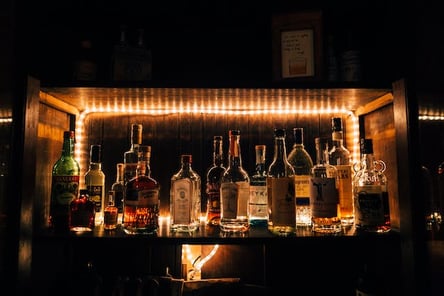 When setting up your home bar, one of the first things to consider is the perfect location. Look for an area in your home that is easily accessible and allows for comfortable seating. It could be a corner of your living room, a dedicated space in your basement, or even a converted closet. Make sure there is enough space to move around and socialize.