Liquor Inventory Experts

Hospitality Inventory Software: Transforming Liquor Tracking in 2026

Discover how next-generation hospitality inventory software is revolutionizing liquor tracking, boosting accuracy, and maximizing profits for hotels, bars, and restaurants in 2026.

The Digital Revolution in Liquor Inventory Management

The image showcases a sleek modern bar environment filled with various bottles of liquor neatly arranged on shelves behind the counter A staff member dressed in a crisp white shirt and black apron is seen scanning a bottle with a handheld device high-1The hospitality industry has witnessed a digital transformation over the past decade, and 2026 marks a pivotal year for liquor inventory management. Traditional manual processes, which were often slow and prone to error, are being replaced by automated, data-driven solutions. Modern inventory software harnesses the power of cloud computing, Internet of Things (IoT) devices, and artificial intelligence to streamline every step of the inventory process.

These advancements not only save valuable labor hours but also provide unparalleled visibility into stock levels, consumption patterns, and shrinkage. By digitizing liquor inventory, businesses can respond to real-time data rather than relying on outdated logs or guesswork, leading to smarter purchasing and less waste.

Key Features Setting 2026 Hospitality Inventory Software Apart

Inventory software in 2026, such as Scannabar, now offers a suite of advanced features that go far beyond basic counting. Seamless mobile integration allows managers and staff to conduct inventory checks from any location using smartphones or tablets. Automated bottle scanning and RFID tagging eliminate manual entry errors, ensuring every ounce is accounted for.

Predictive analytics have become a game changer, enabling establishments to forecast demand, optimize order quantities, and prevent overstocking or shortages. Intuitive dashboards and custom reporting tools give decision-makers instant access to actionable insights, driving operational efficiency and strategic planning.

Enhancing Profitability Through Real-Time Liquor Tracking

Real-time liquor tracking is at the heart of maximizing profitability in the hospitality sector. With software like Scannabar, businesses can monitor inventory usage as it happens, instantly flagging variances or discrepancies that could indicate theft, over-pouring, or unrecorded sales. This immediate feedback loop empowers managers to take swift remedial action before small issues escalate into major losses.

By reducing inventory shrinkage and tightening controls, venues can save thousands of dollars annually. Real-time data also supports dynamic pricing and promotions, aligning stock levels with sales trends to boost revenue and minimize dead stock.

Integrating Smart Tech With Staff Workflows

One of the key advantages of modern inventory software is its ability to seamlessly integrate with existing staff workflows. Scannabar, for example, features user-friendly interfaces and step-by-step guidance, making it easy for even non-technical staff to adopt. Automated task reminders and scheduling ensure that inventory counts are completed on time, reducing bottlenecks and improving accountability.

With the burden of manual counts lifted, staff can focus on delivering better guest experiences and increasing productivity elsewhere. Training time is reduced and onboarding new team members becomes more efficient, further lowering operational costs.

Future Trends Shaping Liquor Management in Hospitality

Looking ahead, 2026 is set to see even more innovation in liquor management. AI-powered forecasting, integrated supplier ordering, and blockchain-based traceability are becoming industry standards. Voice-activated inventory controls and augmented reality overlays for training and troubleshooting are also emerging, making inventory management more interactive and intuitive.

As sustainability and regulatory compliance gain importance, inventory software will also play a key role in tracking eco-friendly practices and ensuring businesses meet industry standards. Adopting smart solutions like Scannabar positions hospitality businesses to stay competitive, compliant, and profitable in a rapidly evolving landscape.

Topics: Bar inventory, beer inventory, inventory counting, inventory control, bar inventory system, bar inventory software, Best Bar Inventory app, Best Liquor Inventory app, Cruise ship bar inventory, Country Club Liquor Inventory

Enhance Accuracy with Scannabar's Real-Time Inventory Scanning

Discover how Scannabar's real-time inventory scanning technology revolutionizes retail operations by maximizing accuracy and efficiency.

Revolutionizing Retail with Real-Time Inventory Trackingpexels-tiger-lily-4483941

The retail landscape is rapidly evolving, and staying ahead requires embracing innovative technologies that streamline core operations. Scannabar’s real-time inventory scanning system is at the forefront of this transformation, providing retailers with the tools needed to monitor stock movement and availability instantly.

By integrating Scannabar into your warehouse and retail environments, you gain complete visibility over your inventory at every stage. This proactive approach not only helps reduce shrinkage but also enables more informed decision-making, allowing businesses to respond swiftly to changing demands and trends.

Eliminating Human Error for Spotless Stock Counts

Manual inventory checks are susceptible to mistakes, from miscounts to overlooked items, leading to discrepancies that disrupt operations and affect the bottom line. Scannabar’s system leverages barcode scanning and real-time data synchronization to virtually eliminate these errors.

With an automated, digital record of every item’s movement, staff can trust the accuracy of stock counts and inventory reports. This reliability translates into fewer costly mistakes, reduced need for recounts, and a more dependable inventory management process overall.

Boosting Efficiency from the Stockroom to the Sales Floor

Efficiency is crucial for both back-end logistics and front-end customer service. Scannabar’s solution streamlines processes from the initial receipt of goods in the stockroom to restocking shelves on the sales floor, eliminating bottlenecks and reducing downtime.

Automated scanning drastically cuts the time required for inventory audits and restocking, freeing up staff to focus on value-added tasks such as customer engagement and merchandising. The result is a smoother workflow, faster replenishment cycles, and optimal use of resources throughout the business.

Empowering Retail Teams with Instant Data Access

Access to real-time inventory information is a game-changer for retail teams. Scannabar equips staff with mobile devices or handheld scanners that sync immediately with central databases, ensuring everyone works from the latest, most accurate data.

This instant access empowers employees to answer customer queries on the spot, locate products quickly, and make smarter decisions regarding stock transfers and ordering. The transparency and accessibility foster a more agile and responsive workforce, ready to meet the demands of a dynamic retail environment.

Driving Customer Satisfaction Through Reliable Stock Availability

Nothing frustrates customers more than out-of-stock products or inaccurate information about item availability. With Scannabar’s real-time scanning, businesses can maintain optimal stock levels and provide accurate, up-to-the-minute information to both staff and shoppers.

By ensuring products are always available and easily located, retailers can build trust and loyalty with their customers. This reliability not only leads to higher customer satisfaction but also increases the likelihood of repeat business and positive word-of-mouth referrals.

Topics: inventory managers, Bar inventory, Hotel Inventory, inventory schedule, inventory counting, receiving inventory, liquor inventory system, retail inventory, store inventory

The Truth About Liquor Dispensers: Do They Work?

The dictionary meaning of a dispenser is as follows: “a device that automatically dispenses a Liquor Dispensersingle item or a measured quantity” In the hospitality industry, we are sometimes faced with a decision; do we want our liquor to be poured by way of a dispensing unit? Do we want our bartenders to be “automatic” and potentially take away any flair our personable bar staff has to offer our patrons?

Liquor dispensers are designed to specifically pour a pre configured amount in a glass, no more, no less. There can be certain advantages:

  1. Consistency of drinks
  2. Controls over quantity poured
  3. Less bartender training required

Liquor dispensers typically are available in two forms: guns & spigots.

Guns normally entail tubing to be run from the bar to an area where the liquor is poured into small vats. From there, as a product is selected at the bar, the liquor from the liquor room runs along the line into the patrons drinks. Many times, operators will limit the guns to rail product like vodka, gin, rum…or what we call high moving products.

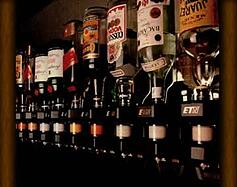
Spigots or what can be best described as “time release valves” are systems in which a ring is placed around a nozzle on the bottle. When a portion of liquor is requested, the bottle is put through the activator ring, the lever is pressed and an electrical courant opens the valve to dispense a portion of liquid.

Although we may perceive these systems as the ultimate controls, there are a few things to consider: 

  1. If you have several pouring stations, they can become cost prohibitive
  2. They can be impersonal: clients still like to see a bartender pour a drink straight into a glass without all the “mechanics” involved
  3. Sweet liquors have a tendency to crystallize and cause back ups in the lines and spigots thus requiring regular maintenance.
  4. Lack of inventory: as much as these systems can dispense exact amounts, they still require a separate system to conduct regular liquor inventories

In the end, as an operator, the decision lies in both the financial areas but also the image and feel you want your establishment to portray, both certainly will have an impact on your business and this is certainly a decision that takes time and research before adapting.  

Topics: liquor inventory, Bar inventory, bar inventory levels, Bar staff, wine inventory, Bar Management, Wine Control, Liquor Inventory savings, inventory counting

Bar Inventory 101

bar inventory managementTaking Control of your bar inventory management


If you have recently made the purchase of a bar inventory management system, you must now understand how the features and benefits your system offers are best suited to your business.

The first thing you must decide on is the frequency at which you will be taking liquor inventory, beer inventory and wine inventory. One thing that cannot be dismissed is the fact the smaller the intervals between inventory periods, the more effective your bar inventory management system can be.

If you own a restaurant, bistro or country club and your liquor, beer and wine sales represent less than 50% of your sales, inventory periods can weekly, bi weekly and potentially monthly.

But if your liquor, beer and wine sales representative a majority of your sales, taking weekly if not daily inventory of your most prized assets should be an automatic. Consider the following; you would be ready to pay a cook and a dishwasher for a full eight hour shift to cook a single hamburger and French fries on a slow business day.

Doesn’t it make sense to pay an employee eight hours to count how much liquor was used from your bar so you can compare this figure to sales and determine if there are any losses? Once you have the information in front of you that is when the real bar inventory management begins.

You can analyze what sells more, are we pouring top shelf and ringing up call brands? Do I have a vodka crowd? Do we have a whisky crowd? Information is gold and proper bar inventory management will give you the edge you need.

Topics: Bar inventory, Liquor Inventory savings, bar control, inventory counting