Expert Advice on Hospitality Topics

Bar Management: Standardizing & Optimizing Serving Practices

Posted by John Cammalleri on Thu, Apr, 12, 2012 @ 08:04 AM
By Chris Parry
Atlantic Publishing
 

Part 2 of 3: Ensure Quality & Avoid Wastage

Mixed Drink Tips
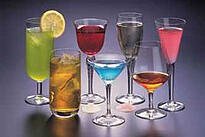
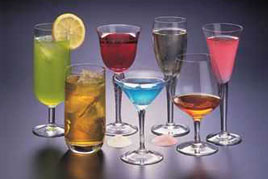
cocktailsMaking a good mixed drink isn't always a matter of A + B = C. In fact, there are numerous small details that can contribute to turning your creation into something just that little bit better than the norm and, more still, that can help you keep your ingredients at peak freshness and productivity. Consider the following:

  • Champagne wastage. Many mixed drinks require champagne or sparkling white wine as an ingredient. Opening a fresh bottle for one drink can be wasteful. Consider purchasing a champagne bottle resealer for your bar, and make sure your bar staff knows how to use it.
  • Keep champagne fresh. If you have a steady flow of champagne drinks in your bar, just drop the handle of a metal spoon into the top of the champagne bottle and put it back in the fridge. This will keep the sparkle in your champagne for up to 12 hours.
  • Is fresh-squeezed orange and lemon juice a selling feature of your cocktail menu? If so, you should know that you'll get a lot more juice from lemons and oranges if you soak them in warm water for a while before juicing them.
  • Stir, don't shake. When a mixed drink consists of clear liquids and/or carbonated beverages, stir it - don't shake it. You don't want your clear liquids to bruise, nor your bubbles to go flat, and shaking the concoction guarantees both will happen.
  • "Difficult ingredients." Mixed drinks containing juices, sugar, eggs, cream, milk, or any other difficult-to-mix ingredient should be shaken - and shaken like crazy. Don't just give the contents a three-second rock around the mixer; give 'em heck!
  • Adding eggs. When you shake a drink that requires an egg, add an ice cube to the shaker. This will help break up the egg and allow it to blend into the drink more easily.
  • Prevent dripping. When serving wine or champagne from the bottle, a clean piece of wax paper rubbed along the rim of the bottle will prevent any dripping when you pour.


Serving Quality Drinks

QualityThe difference between a good and great martini is very small, but very important. The quality of your cocktail menu should be of paramount importance to you. The methods by which those cocktails are prepared should be a point of pride for all concerned.

  • Presentation. The color and presentation of any exotic mixed drink is key, and by adjusting the amounts of key ingredients, the bartender can not only change the color of a drink, but can also adapt it to suit any taste. Impress the customers by asking how they like their drinks mixed. Would he like it sweet? Does she like it dry? Maybe a little easy on a key ingredient? Often they'll have no preference, but in asking you'll impress the finicky customer.
  • The process of drink creation can be as important as the drink itself. A little showmanship in the preparation of a drink may slow the process down a touch. Also, if the performance is good and the bartender shows personality, your customers might not mind a little longer wait.
  • Garnishes. Maraschino cherries, olives, a sprig of mint, a stick of celery, banana, lemon, lime, all carefully prepared, an investment in fridge space, and a bartender who is quick with a paring knife - they can all set your mixed drinks off with a sparkle. The right garnish is as important as the right ingredients.
  • Novelty glassware. Most bars consider glassware as merely a vessel in which to serve drinks, but the clever operators see that using exotic and novelty glassware and building the cost of the glass into the drink price can bring customers flocking to that drink in order to get the free glass.


This article is an excerpt from the Food Service Professional Guide to Bar & Beverage Operation, authored by Chris Parry, published by Atlantic Publishing Company. This excerpt has been reprinted with permission of the publisher. To purchase this book go to:

Atlantic Publishing Company 
Amazon.com

Topics: Bar inventory, bar efficiency, bar profitability, Bar drinks, Bar Management, drink recipe, bar control, Drink Recipes

BAR MANAGEMENT: TRENDS TO LOOK FOR AND EXPLOIT

Posted by John Cammalleri on Thu, Mar, 15, 2012 @ 13:03 PM

The nightclub business can be a rough. With a plentitude of competing venues, and with customer tastes in constant flux, the average half-life of a bar or nightclub is all too brief. Survival can depend on your ability to stay ahead of the curve and be in tune with your customers’ ever-changing demands. In short, you need to be constantly aware of what’s in  and what’s not in order to remain vital. Here is a brief compendium, in three parts, of some of the emerging and continuing trends in the industry, just a few things to look out for in 2012 and beyond:

Part 1 of 3: DRINKS

Cocktails and Spirits

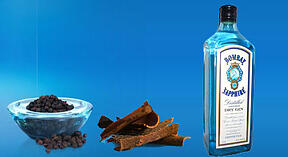
infused spiritsHerb-infused spirits. Whether they be whiskies, vodkas or gins are gaining herb-infused drinks are gaining in popularity. Expect gin, especially, to continue to make a splash as both large producers such as Bombay and a slew of new micro distilleries continue infuse this old stalwart with fresh and interesting botanicals.
Flavored tonics. Tonic  water is a simplest mixer  there  is, and an obvious staple to anyone serving drinks. A variety of new tonics are hitting the market, however, which can transform the most basic of mixers into something more sublime. Look for new tonics to elevate simple drinks like gin and tonic into something for more interesting and complex.

Cask-aged cocktails. Drink mixes aged in wooden barrels for added nuance continue to gain popularity in major urban centers from New York to San Francisco.

Cocktails on tap. Cask-aged or not, expect mixed drinks to come out of a tap. For speed and consistency, many bars are starting to produce a selection of well-crafted cocktails in large

Solid summer cocktails. Remember the Jello shot? Expect to see it re-emerge, as mixologists exercise their creativity to concoct artistically-layered versions of an old party favorite. With the use of lecithins and other ingredients—which can alter the consistency and texture of fluids--becoming more widespread, expect solid-form cocktails to gain traction. You can also expect to see more and more cocktails turned into sorbets and popsicles when summer rolls around.

Super-premium beverages. Spirit enthusiasts and wine aficionados seem prepared to pay top dollar for a small taste of luxury potables. While they may not be willing to spend $300-$1,000 for a bottle of top-top-shelf cognac or premier-cru, more and more enthusiasts are showing a willingness to pay a premium for an ounce or two.

Smoked spirits. Flash smoking is making a move from the chef’s kitchen to the bar top. Still a relatively new phenomenon, bar-top smokers—used to infuse spirits with, you guessed it, a mild smokiness—are beginning to be found in a number of popular bars in most major cities.

Combination drinks. More and more bar owners are discovering the benefits of marrying two drinks and selling them together in order to boost sales. Whether it’s the classic shot with a beer chaser, or a more inspired combination of two cocktails with complementing flavors, double-hitters promise to become a hit among bar patrons.

Return to the classics.Cocktail menus have become chockfull of creative concoctions and signature drinks. More and more drinkers, however, are starting to embrace some of the

classics. It may be a good time to make room on the menu for the old standards—Daiquiris, the Manhattan, the Sidecar….

Skinny drinks. Expect cocktail menus to offer more and more low-cal beverages—whether lighter versions of standard fare or entirely new concoctions. Popular among the ladies and health-conscious patrons wanting to limit the number of “empty calories” they consume, skinny cocktails are a good way for drinking establishments to cater to this growing segment of their clientele.

Ingredient Trends:

Bitters—celery, whisky, lemon

Zwack, an herbal liqueur from Hungary made with a secret blend of 40 herbs and spices

Rye Whiskey

Honey Liquor

Beer

Vintage beers. A variety of aged, vintage beers are becoming available. The Modern in New York for instance offers a 1999 J.W. Lees Harvest Ale to drinkers wanting a taste of the past. Meanwhile many microbreweries are offering a variety of interesting, higher-alcohol beers meant mellow with age.

Lower-alcohol beers. While higher-alcohol beers continue to be popular, expect a rise in demand for flavorful, lower alcohol beers. Rather than nurse a pint of high-gravity, high-alcohol beer, many patrons will opt instead for high-flavor, lower-alcohol beers that they can drink in greater in quantities. Patrons’ taste for quality, low-alcohol beers is good news for bar owners, as they present an opportunity for increased sales.

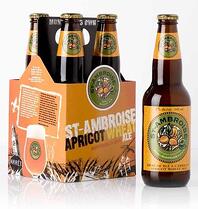
flavored beerSeasonal and flavored beers. While nothing new, seasonal and/or flavored beers are starting to gain traction.
Wine

Local Wines.The movement towards locally-grown wines—from a variety of regions, including New York, Michigan, Texas, Virginia, Ohio, Ontario—c ontinues and is expected to accelerate in 2012.

Lower Alcohol Content. The popularity of big, fruit-bomb wines with high alcohol content is waning, while more classic –style wines—e eegant and more structurally balanced, with alcohol levels below 13% or 14%--are beginning to gain favor.

Burgundy Wines. With Bordeaux wines commanding huge prices, consumers are more and more turning their attention to the more affordable Burgundy region.  As reason wine auctions have shown have shown Burgundy wines are rising stars.

Organic Wines. The movement towards organic products has extended to the wine  world, where more and more wine makers are beginning to explore natural wine-making techniques. Expect consumers to start embracing these “sustainable” wines in coming years.

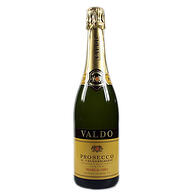
ProsecoValue. After several years of economic recession, consumers have acquired a taste for value wines. They are seeking bang for the buck—not cheap inferior wines, but good, well-balanced, flavorful wines at an affordable price. With many of these wines coming from Spain and South America, expect Spanish, Chilean and Argentinian wines to continue to grow in popularity.
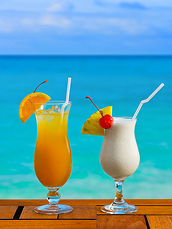
Alternatives to Champagne. In keeping with consumers’ growing thirst for value, high-quality sparkling wines from regions other than Champagne are gaining popularity.  Sparkling wines from Germany, Austria, Portugal, the U.S. and Italy are expected to gain ground. Consumers are discovering that a nice, quality Prosecco can be just as enjoyable as a Champagne, often at a fraction of the price.

Non-alcoholic Drinks

Coconut water.  Already popular in cities like New York and L.A., coconut water will continue to gain popularity. With strong celebrity backing, and with major investments from the likes of Coca Cola, we should begin to see coconut water available everywhere, including the nation’s bars and nightclubs.


Topics: liquor inventory, Bar inventory, wine inventory, bar, alcohol, beer inventory, Bar trends, NightClub Management, bar business, Bar drinks, Bar Management, Bar products, Nightclub trends, blends

Nonalcoholic Beverages: An Area of Opportunity

Posted by Nick Kaoukis on Mon, Aug, 22, 2011 @ 16:08 PM
Non Alcoholic DrinksBy Elizabeth Godsmark
Atlantic Publishing
 

This sector of the beverage industry, known in the trade as NABs, needs to be taken very seriously if you want to cash in on current drinking trends. More customers today (often affluent, young, career-oriented clientele with plenty of disposable income) are choosing to drink NABs. Health issues, stricter DWI laws, and maybe even image are influencing their decisions to turn to NABs. The fact remains: this trend can mean big bucks. Tap into the possibilities:

  • Promotions. Which NABs are consistently popular in your establishment? Buy bulk and sell on promotion. Publicize offers that your customers just cannot resist. Use a large chalkboard, or place "in-your-face" table tents on tables and at the bar.
  • Specialize. Don't bother with expensive market research. Consult your regular customers. Ask them what they'd like to see on the menu. Decide on a few in-house specialties. Profits will increase noticeably, as margins for NABs are generally higher than for alcoholic beverages.
  • Bottled water. This is no passing fad. Both in the dining room and at the bar, people are choosing to alternate alcoholic drinks with bottled water. Shelf dates tend to be generous (particularly for still, noncarbonated waters), so cash in: buy in bulk for big savings.
  • Added value.Serve NABs in sophisticated, unusual glasses that scream "quality"! Customers will happily pay that little bit extra for a "wow" experience.
  • Don't price too low. A word of warning. To make the most of this burgeoning area of the drinks market, keep your prices in line with your estab­lishment's other alcoholic beverages. If NABs are priced too low, bartenders will be reluctant to promote them, and customers will think they're nothing special.


This article is an excerpt from the Food Service Professional Guide to Controlling Liquor Wine & Beverage Costs, authored by Elizabeth Godsmark, published by Atlantic Publishing Company. This excerpt has been reprinted with permission of the publisher. To purchase this book go to:

Atlantic Publishing Company
Amazon.com

Topics: Bar inventory, alcohol, Bar trends, Bar drinks

Making the Most of Your Liquor: Extracting an Extra Ounce of Profit

Posted by Nick Kaoukis on Mon, Jul, 18, 2011 @ 11:07 AM
By Chris Parry
Atlantic Publishing
 

Upsizing is EssentialSaving on every ounce of alcohol

When you go to the movies, quite often you can buy a double-sized popcorn for only $0.75 more than the $3.50 regular size. This would seem to be an astonishing bonus for the customer, so why does the cinema operator push this "up-sizing" so hard? Quite simply, because they're selling about $0.04 worth of popcorn for that extra $0.75. That second portion might not bring as large a profit margin as the first, but it's still profit. Your drinks run the same way - if you can get another buck out of a customer selling a drink that costs you $0.45 to prepare, it's worth doing.

  • Consider the cost per ounce of your well spirits. Let's assume you're using El Cheapo brand tequila at a base cost of $7.54 a liter. That would mean that an ounce of that spirit is costing your establishment $0.22, while a more-expensive brand of tequila, let's say Cuervo for the sake of this example, might come at a base cost of $14 per liter, or $0.41 per shot. Common thinking might lead you to say that by using the cheaper tequila you're saving yourself $0.19 on every drink sold. But, if you consider the alternative of up-selling the more expensive spirit for an extra $0.80 or so, you're actually making an extra $0.61 profit on every up-sized drink.

  • Offer your customers a discount to spend more than they planned. This works in other areas, too. Turning a single into a double for an additional dollar, or selling half-price burgers with every shot of a specific brand of spirit, brings you more money per order, while bringing your customers added value. Your profit margin might not be as high, but you'll be extracting more money from your customers than they might otherwise have spent - a definite win-win.

  • Up-selling. Most bar customers will bring out more money than they initially want to spend -just in case - especially those that don't have easy access to it through ATM machines and credit cards, so it's imperative that your staff don't let those customers walk out the door having spent less than they planned. Incentives for up-selling are commonplace in the theater and fast-food industries, so why not offer your staff an incentive to up-sell and watch your better staff earn a few extra dollars while earning you hundreds?

  • Incentives. For example, if a member of your staff engages someone in conversation and discovers they're looking for somewhere to hold a private function, birthday party, girls' night out - any large gathering of people - there's certainly no harm in making it worth their while to bring that prospective client to you. Twenty dollars here, $50 there - even a percentage of the bar take - if you offer the incentives, you'll be surprised how far people will go to bring you new business.


This article is an excerpt from the Food Service Professional Guide to Bar & Beverage Operation, authored by Chris Parry, published by Atlantic Publishing Company. This excerpt has been reprinted with permission of the publisher. To purchase this book go to:

Atlantic Publishing Company 
Amazon.com

Topics: NightClub Management, bar business, Bar drinks, Bar Management, Liquor cost, alcohol cost

Pricing Your Drinks: The Need for a Structured Approach

Posted by Nick Kaoukis on Wed, Jul, 13, 2011 @ 11:07 AM
pricing drinksBy Chris Parry
Atlantic Publishing
 

Structuring a Price List


Guesswork just won't do in today's corporate world. Figuring that if your scotch costs you $14 a bottle you can sell a shot for $3, is just a little hit-and-miss when you take in all the other potential costs, like rent, insurance and wages, that your establishment has to cover over the course of a month. It's possible you might be able to charge less than $3, but it's also possible you should be charging way more. Take these factors into account when making your next price list adjustment:

  • Market positioning. Take a look around at what your competitors are charging. Figure out if you need to undercut them or match their level. Does your establishment give added value enough to increase your prices and still draw a good crowd? Are you a level above them in terms of services and product? Are you evenly matched? Are you looking for a more "low rent" crowd? Price accordingly.
  • The competition. They're not always right, but if they've been around a while, your direct competitors probably have a good gauge of what your local customers are prepared to pay for a drink. Take the time to look around and take particular note of any specials they offer on certain nights.
  • Customer demographics. Are your patrons blue-collar workers? Are they white-collar? Do they have families to get home to or are they likely to stay all night and spend every penny? Are they young adults or senior citizens? These all impact what you can charge without losing clientele, and you should have the information already from your market research.
  • Embrace simplicity. It's far better for your customers and staff to have to deal with a simple pricing structure as opposed to forcing them to break their brains over an intricate maze of differently priced products. Set across- the-board levels of prices; for example, well spirits might cost $3, middle-shelf $3.50 and top-shelf $4. Of course there's always going to be the occasional variation, but for the most part, a three-tiered system gives you flexibility in pricing without your staff continually needing to check a price list or hand out handfuls of change.
  • Include tax in your pricing. There's nothing worse than getting $0.84 change from a five- dollar bill on every drink you buy and getting home with a pocket full of silver and copper. If you're going to set your prices at a round level, include the tax in that price so you can use price levels to your advantage. If your alcohol tax rate is 10 percent, the non-tax price for a shot that costs your patrons $3.50 would be $3.18 ($3.18 plus tax of $0.32 equals $3.49). Let your accountant do the math, not your bar staff. Sales tax is a complicated matter that varies dramatically from state to state. Prior to estab­lishing the net price inclusive of tax, discuss the issue with your accountant and state Department of Revenue. Don't find out later in a five-year audit that you've been calculating the tax incorrectly.


This article is an excerpt from the Food Service Professional Guide to Bar & Beverage Operation, authored by Chris Parry, published by Atlantic Publishing Company. This excerpt has been reprinted with permission of the publisher. To purchase this book go to:

Atlantic Publishing Company 
Amazon.com

Topics: bar business, Bar drinks, Bar Management, Liquor cost, alcohol cost, drink recipe

Managing a Bar: Drinking On The Job: Dont Do It!!!

Posted by Nick Kaoukis on Mon, May, 30, 2011 @ 11:05 AM

BAR MANAGEMENT
by Bob Johnson

Part 2Drinking on the Job

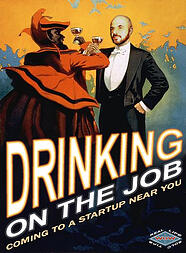
When you, Mr. Owner, hired a bartender or manager, did you include the consumption of beverage alcohol as part of the job?  Of course you didn’t.  So why would you allow it?   If a bartender or manager chooses to consume a bever age alcohol product for their personal consumption while working, they’re stealing from you!  It’s grounds for immediate termination.  It’s no different than working at Wal-Mart and helping yourself to a few DVDs or a pack of gum and not paying for it.  It’s called “shoplifting” and people go to jail for stealing company property. I have too many bartender friends who got into the habit of having a couple of drinks while working.  The customer buys the bartender a drink, and the bartender gladly accepts.  Now the bartender is up to “quite a few” every day.  Then the bar tender nds himself “having to have a few” on their days off.  Then they have to have several drinks a day just to “balance out.”  

This is called addiction. It’s called alcoholism, and they’ve got a problem they’re going to have to battle the rest of their life.  As the owner or general manager, are you encouraging these people to have drinks at work?  If so, you may be the one responsible for this person’s alcoholism.Alcohol is for the customer to consume, not the bartender or other staff members.  Bartenders simply prepare it and serve it—that’s it!  Why can’t bartenders or servers simply accept a non-alcoholic beverage, like a Red Bull, Frappuccino, cup of coffee, bottle of water, Coke, etc.?  Why does it have to be a drink containing beverage alcohol? Police don’t drink alcohol while working, bankers don’t drink alcohol while working, retail clerks don’t drink alcohol while working, emergency room personnel don’t drink alcohol while working, sports teams don’t drink alcoholwhile working, so why do bartenders and managers feel they’re entitled to consumealcohol while they’re working? It’s stupid, it’s unprofessional, it’s self-serving and in many states, it’s illegal (and  it should be illegal in all states).

Topics: Bar staff, Bar drinks, Bar Management, bar control

Get your “Rocks ” off! Tom Collins and Bloody Mary Bar Drinks

Posted by Nick Kaoukis on Thu, Mar, 31, 2011 @ 10:03 AM
e-mail: "bjbarhop@aol.com, web page 
www.BobTheBarGuy.com
phone number: (800) 447-4384

Tom CollinsVodka/Tom Collins 

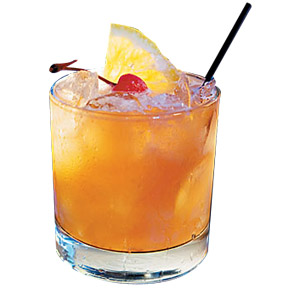
Anything can be a Collins, but “Vodka” and “Tom” (using Gin) are the two called for the most.  Make this drink directly in the Collins glass.  Fill it with ice.  Put in one shot of vodka/gin.  Add sweet and sour mix to 3/4 of the glass.  Shake.  Add club soda to the top and garnish with a cherry/orange ( ag).  Many bartenders do not shake a Collins, nor do they put in the club soda.  There are no laws that say you have to do either, but traditional mixology should prevail for this kind of classic drink. The original recipe calls for club soda, and you must always shake any drink that contains sweet and sour mix.


Bloody Mary

The Collins glass is the traditional favorite for this fading but still popular bar drink, always in the top 10 in popularity.  Make the drink directly in the glass if you’re making them one at a time, step by step. First, a shot of Vodka, then fill the glass with tomato juice. Then put in a dash of salt, pepper, Worcestershire sauce and Tabasco.  Add a lime wheel for the garnish. Customer preference could dictate adding anyone, or all, of the following additional ingredients: celery salt, cocktail onions, A-1 sauce, cubes of cheese, beef bouillon, pepperoni, horseradish, shrimp, Angostura bitters, pepper rings, celery stalk, onion rings, lime wheel, pepperoncini, etc.

When a customer appears to be “picky” about how spicy he wants the drink, give him the tabasco sauce “on the side.”  Let him put in his own. In my opinion, don’t waste your time making a Bloody Mary from scratch using tomato juice and all the condiments. 

It takes too much time and you don’t know your customer ’s personal taste preferences.  Instead, go with a Bloody Mary pre-mix. Or, make your own house pre-mix.  Here are a couple of batch recipes for one gallon of premade Bloody Mary mix:

Two 46 oz. cans of tomato juice           
1 3/4 oz Worcestershire sauce   
1 3/4 oz. A-1 sauce              
1 oz. celery salt            
1 oz. celery salt
1/2 - 1 oz. tabasco sauce    
2 oz. lime juice
6 oz. beef bouillon          
1/2 - 1 oz. tabasco sauce
6-8 dashes of pepper         
Stir thoroughly                          
 
Horseradish or Angostura bitters could be added to the above ingredients.  Or use a can of Picante Sauce in place of the same amount of tomato juice. Consider putting a kosher salt rim around the glass, like the original Bloody Mary. For a garnish, consider a couple of medium, boiled shrimp along with the lime wheel.

Maybe a couple pieces of pepperoni, Swiss cheese, green pepper, a spicy asparagus stick, a beef jerky and a cocktail onion or two.  How imaginative do you want to get?

Whatever variations you decide, make sure all the bartenders make the drink the same way, using the same pre-mix and garnishes. If pre-mixing Bloody Mary mix by the gallon is not pro table for you because you don’t sell enough of them, here are
some interesting options:
 
(1) Sacramento makes a Bloody Mary mix in a six-ounce can.  It’s excellent and there is no waste because of the six-ounce can portion. Refrigeration is not required.   The can sits on the shelf until it’s used.
 
(2) Use Spicy Hot V-8 juice, also available in six-ounce cans.  This makes an outstanding Bloody Mary mix. Don’t let the customer see you putting V-8 in his drink.  Add it underneath the bar.  Many a bartender will tell you that the most compliments received for Bloody Mary mix was not from tomato juice, but from Spicy Hot V-8 juice. If you store opened Bloody Mary mix overnight, make sure it is checked and tasted before opening the next day.  Bloody Marys are popular at lunch-time.  Make sure the mix is good before you get somebody sick!  If the mix tastes “marginal,” throw it out!  This is why the six ounce cans of tomato juice are cost effective and convenient—no spoilage!

Three very good Bloody Mary Mixes I recommend are Whiskey Willy’s, Zing Zang and Kelly and Gonzalez.  Purchase through your local distributor.

Topics: Bar drinks, Bloddy Mary, Tom Collins

Get your “Rocks " Off!! Drink Recipes

Posted by Nick Kaoukis on Tue, Mar, 29, 2011 @ 12:03 PM
e-mail: "bjbarhop@aol.com, web page  
www.BobTheBarGuy.com
phone number: (800) 447-4384

Get your “Rocks ” off with  the Black Russian, Old FashioLongIslandIceTeaned & Daiquiri 

In this part of our series on contemporary drink making, bar management expert Bob Johnson examines  some of the most popular “Collins”  glass drinks  including the Long Island Ice Tea,  the Tom Collins and everybody’s favourite hangover cure, the Bloody Mary. 

Collins” glasses are usually 12-16 ounces, and these glasses can be used for a variety of drinks.  Here are some of the more popular drinks served in a Collins glass.

Long Island Ice Tea

This drink has been a consistent big seller in the 19 to 35 age group.  It’s a “quick” drunk. 

Customers who order Long Islands need to be carefully watched.  How fast are they drinking the Ice Tea?  How long between re-orders? The traditional recipe for the Long Island Ice Tea is: 

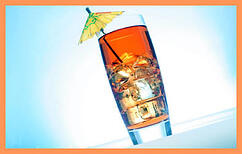
Collins glass  filled with ice; 1/2 shot of Vodka,Gin, Rum, and Triple Sec; Sweet and Sour mix to 4/5 of the glass; add coke to the top; shake; garnish with a lemon wedge/straw.

There are many variations, including:

(1)  Use Tequila in the recipe.  Many Midwestern bartenders will tell you that a Long Island Tea with Tequila is a “Texas Tea.”

(2)  Consider using non-alcoholic Triple Sec. 

It’s cheaper ($3-4 per bottle) as compared to the Triple Sec that contains alcohol ($7-9 per bottle).  Triple Sec is nothing more than a  flavouring agent. When mixed with other liquors and ingredients, the presence of alcohol in Triple Sec is meaningless.  All we care about as mixologists is the orange flavour we get from using Triple Sec.  Triple Sec is the domestic substitute for Cointreau. 

(3)  Make an Ice Tea using Blue Curacao instead of Triple Sec; it’s now a “Blue Tea.”

(4)  Use 7-Up (not Sprite) and cranberry juice instead of Coke and it’s now a “Long Beach Tea.” Also, if you’re measuring 1/2 ounce shots, use the small side of the jigger (3/4 oz.) and pour below the top of the jigger.  Put in 1/2 shots of Vodka, Gin, Rum, Triple Sec into small side of the jigger.  Or simply have your bartenders “free pour” 1/2 ounce of liquor one at a time directly into the glass. Bartenders who pick up and pour the four bottles at the same time make the drink wrong. Usually more of one liquor comes out. Great “show,” but a lousy drink. Instead, consider premixing the four liquors into a separate container along with the sweet and sour mix if you get a lot of calls for this drink.  If you’re high volume, your bartenders could save valuable time by-passing the steps of picking up each of the four liquor bottles.  De nightly pre-mix the liquor for the service bartenders.

Next Up Vodka Collins…..

Topics: Bar drinks, Classic drinks, Drink Recipes