
Expert Advice on Hospitality Topics

Why Bar Stock Rotation Matters for Quality and Profit

Posted by Nick Kaoukis on Fri, Apr, 24, 2026 @ 09:04 AM

Proper bar stock rotation can be the difference between pouring profits down the drain and maximizing every dollar invested in your beverage inventory.Bar Stockroom Inventory Management
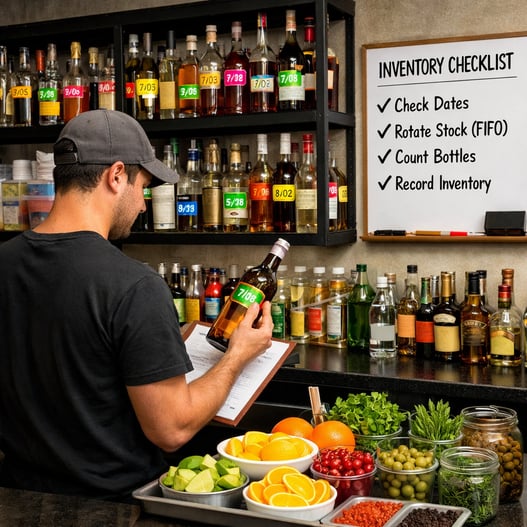
The Hidden Costs of Poor Inventory Management

As a bar owner for over a decade, I've learned that what happens behind the scenes directly impacts what ends up in your customers' glasses—and your bottom line. Poor inventory management isn't just about a few bottles going bad; it's a silent profit killer that can bleed your business dry without you even realizing it. Every expired mixer, oxidized bottle of wine, or stale garnish represents dollars literally thrown in the trash. When you multiply these losses across weeks and months, you're looking at thousands of dollars in wasted inventory annually.

Beyond the direct product loss, there are cascading effects that compound the problem. Staff waste time searching for products in a disorganized stockroom, pulling older items from the back while newer stock sits up front. This inefficiency slows down service during peak hours, leading to longer wait times and frustrated customers. Additionally, inconsistent drink quality from using degraded ingredients damages your reputation—something far more costly than any single bottle. Insurance claims, health code violations from expired products, and the opportunity cost of capital tied up in dead stock all add layers of financial strain that most bar owners don't account for until it's too late.

The real eye-opener came when I conducted my first thorough inventory audit. I discovered nearly 15% of my stock was either expired, oxidized, or so close to its expiration date that it would never sell. That percentage represented a five-figure loss for the year. The worst part? This wasn't due to slow business—it was purely a management failure. Since implementing proper rotation systems, I've reduced waste by over 80%, and those savings have gone straight to our profit margin. The hidden costs of poor inventory management are only hidden until you decide to look for them.

First In, First Out: Mastering the FIFO Method Behind the Bar

The FIFO (First In, First Out) method is the gold standard for inventory management in the bar industry, and for good reason—it's simple, effective, and ensures that your oldest stock gets used before it deteriorates. The concept is straightforward: when new inventory arrives, it goes to the back or bottom of storage, while older stock moves to the front or top where it's most accessible. This ensures that bartenders naturally grab the products that have been sitting longest, preventing items from languishing in the back until they're unusable. While it sounds basic, proper FIFO implementation requires systematic organization and consistent execution from your entire team.

Implementing FIFO behind your bar starts with smart storage solutions. Invest in shelving that allows for front-to-back rotation, and use clear labeling systems that include receive dates on every product. For bottles, I use a simple color-coded sticker system—different colors for different months—so staff can instantly identify which products are oldest at a glance. For perishables like fresh juices, mixers, and garnishes, date everything immediately upon receipt and organization by date is non-negotiable. Create designated zones in your walk-in cooler and dry storage where specific product categories live, and establish a one-way flow pattern so new stock has a clear path to the back.

The key to FIFO success is making it so intuitive that your team follows it automatically, even during a busy Saturday night rush. Train every staff member on the system during onboarding, and build rotation checks into your opening and closing procedures. I've found that weekly rotation audits, where a manager physically checks that stock is properly ordered, catch any lapses before they become problems. When your team understands that FIFO isn't just about following rules—it's about protecting product quality, ensuring customer satisfaction, and ultimately protecting their jobs through better profitability—compliance becomes second nature. The FIFO method isn't complicated, but it does require commitment and consistency to master.

How Fresh Ingredients and Properly Stored Spirits Elevate Guest Experience

Your customers might not be able to articulate why a cocktail tastes better at your bar than your competitor's, but they can definitely sense the difference. Fresh ingredients and properly rotated spirits create a noticeable quality gap that keeps guests coming back and recommending your establishment. Consider the difference between a margarita made with fresh lime juice squeezed that day versus one made with juice that's been oxidizing in the cooler for a week. The fresh version has bright, vibrant citrus notes that dance on the palate, while the old juice tastes flat, slightly bitter, and dull. These subtle distinctions accumulate across every drink you serve, building either a reputation for excellence or mediocrity.

Spirits require proper rotation too, even though many bartenders assume liquor lasts forever. While distilled spirits don't spoil like fresh ingredients, they do oxidize once opened, particularly vermouths, liqueurs, and anything with lower alcohol content. An oxidized bottle of Campari or sweet vermouth can turn your Negroni from balanced and aromatic to harsh and discordant. Similarly, cream liqueurs absolutely require rotation and proper storage, as they can separate or even curdle past their prime. By maintaining fresh, properly stored spirits and rotating stock religiously, every cocktail that leaves your bar represents your establishment at its absolute best.

The guest experience extends beyond taste to visual presentation and aromatics. Fresh garnishes—crisp herbs, vibrant citrus peels, and firm fruit—make drinks visually appealing and release essential oils that enhance the drinking experience. Wilted mint or dried-out orange peels signal neglect and diminish perceived value, even if the liquid itself is perfect. I've watched customers photograph and share drinks made with pristine, fresh garnishes on social media, generating free marketing worth far more than the cost of the ingredients. When you commit to freshness through proper stock rotation, you're not just maintaining quality—you're creating memorable experiences that turn first-time visitors into regulars and regulars into ambassadors for your brand.

Building a Stock Rotation System That Your Team Will Actually Follow

The best inventory system in the world is worthless if your team doesn't follow it, and that's where most bar owners fail. I've learned that successful systems aren't built on complexity or rigid rules—they're built on simplicity, clear communication, and making the right behavior the easiest behavior. Start by involving your team in system design. When bartenders and barbacks have input on how rotation should work, they develop ownership and are far more likely to comply. Hold a team meeting to discuss current pain points, demonstrate the financial impact of waste, and brainstorm practical solutions together. This collaborative approach transforms rotation from a mandate imposed from above into a shared commitment to excellence.

Next, integrate rotation into your existing workflows rather than treating it as separate extra work. Make stock rotation part of the opening checklist: before the bar opens, someone conducts a quick rotation check on key items. Build it into your receiving process: when deliveries arrive, the staff member checking in products also handles immediate rotation and dating. Create visual management tools that make compliance effortless—checklists posted in the stockroom, rotation maps showing where each product category lives, and clear signage indicating 'new stock' versus 'use first' areas. The goal is to eliminate decision-making and ambiguity so that even a new hire or a bartender in the weeds during rush hour knows exactly what to do.

Finally, support your system with accountability and positive reinforcement. Conduct weekly spot checks, but frame them as quality assurance rather than policing. When you find excellent rotation practices, praise that staff member publicly and consider implementing an incentive program tied to waste reduction. Conversely, when you find violations, address them immediately through retraining rather than punishment—often, mistakes stem from misunderstanding rather than negligence. I track waste percentages monthly and share results with the team, celebrating improvements and discussing opportunities. When everyone sees their efforts translating into reduced waste and better profitability, the system sustains itself through collective pride in running a tight, professional operation.

Tracking ROI: Measuring the Impact of Better Inventory Practices

You can't improve what you don't measure, and tracking the return on investment from better inventory practices is essential for justifying the time and effort required. Start by establishing baseline metrics before implementing your new rotation system. Calculate your current waste percentage by dividing the value of discarded or expired inventory by your total inventory purchases over a given period—monthly tracking works well for most bars. Also measure your inventory turnover ratio, which shows how many times you sell through your entire inventory in a period. These baseline numbers give you concrete starting points for comparison and help identify your biggest problem areas.

Once your rotation system is in place, monitor the same metrics monthly to track improvement. In my experience, bars typically see waste reduction of 50-80% within the first three months of implementing proper FIFO practices and staff training. That translates directly to profit—if you were previously wasting $2,000 monthly in spoiled inventory and you reduce that by 70%, you've just added $16,800 annually to your bottom line. But the benefits extend beyond waste reduction. Better inventory practices also improve your pour cost percentage, as you're using products at peak quality rather than compensating for degraded ingredients. Track your overall beverage cost percentage and watch it decrease as efficiency improves.

Don't overlook the intangible ROI that's harder to quantify but equally valuable. Monitor customer feedback and online reviews for comments about drink quality and consistency—you should see improvements as your rotation practices ensure every cocktail meets your standards. Track staff efficiency by measuring how long it takes to locate products and complete opening/closing duties; proper organization cuts this time significantly. Finally, consider the reduced stress and improved morale that comes from running an organized, professional operation. When I review our numbers quarterly with my management team, the data consistently confirms what I see on the floor: better inventory practices create a compound return that touches every aspect of the business, from profit margins to customer satisfaction to staff retention. The ROI of proper stock rotation isn't just measurable—it's transformative.
Topics: Bar inventory, Food Costs, Bar drinks, Bar Management, Bar products, Food Storage, Beer stock, Bar Promotion, Food control, Best Bar Inventory app, Best Liquor Inventory app

Top Cocktail Bars to Experience in Miami This Weekend

Posted by Nick Kaoukis on Wed, Apr, 22, 2026 @ 09:04 AM

Discover Miami's most electrifying cocktail scene where world-class mixologists craft unforgettable drinks against stunning backdrops of ocean views, art deco architecture, and vibrant nightlife.

Miami's Craft Cocktail Renaissance: Where Innovation Meets Tradition

Miami's bar scene has undergone a remarkable transformation over the past decade, evolving from flashy nightclubs into sophisticated cocktail destinations that rival New York and Los Angeles. The Magic City has become a hotbed for creative mixologists who blend Latin influences with classic cocktail traditions, creating drinks that are as visually stunning as they are delicious. From molecular gastronomy techniques to farm-to-glass ingredients, Miami's bartenders are pushing boundaries while honoring time-tested recipes.

The city's unique cultural melting pot plays a crucial role in this renaissance. Cuban rum heritage merges seamlessly with contemporary craft spirits, while tropical fruits native to South Florida add distinctive flavors you won't find anywhere else. Neighborhoods like Wynwood, Brickell, and South Beach have become epicenters of this movement, each offering its own distinct flavor profile and atmosphere.

What sets Miami apart is the perfect marriage of environment and expertise. Bartenders here understand that a great cocktail experience isn't just about what's in the glass—it's about the ocean breeze, the art deco surroundings, and the electric energy that makes Miami unlike any other city in the world.

Waterfront Watering Holes That Redefine Coastal Sipping

There's nothing quite like sipping a perfectly crafted mojito while watching the sun set over Biscayne Bay. Miami's waterfront bars capitalize on the city's greatest asset—its stunning coastline—by offering experiences that combine world-class mixology with breathtaking water views. The Wharf Miami in Downtown provides an industrial-chic atmosphere right on the Miami River, where you can enjoy craft cocktails while boats drift by and the city skyline glows in the background.

For a more upscale experience, head to Baia Beach Club at the Confidante Miami Beach, where Mediterranean-inspired cocktails complement the sophisticated beachfront ambiance. Their signature drinks incorporate fresh herbs and premium spirits, served against a backdrop of pristine white sand and turquoise waters. The bar seamlessly transitions from lazy afternoon sipping to evening cocktail hour, making it perfect for an all-day visit.

Don't overlook Monty's Raw Bar in Coconut Grove, a local institution that's been serving waterfront cocktails for decades. While it might not have the polish of newer establishments, its authentic Florida Keys vibe and stone crab claws paired with ice-cold margaritas offer an experience that's quintessentially Miami. The tiki-style thatched roof and sailboats bobbing in the marina create an atmosphere that reminds you why people fall in love with this city.

Hidden Speakeasies and Secret Bars Worth Finding

Miami's speakeasy scene adds an element of adventure to your bar-hopping weekend. Broken Shaker at the Freehand Hotel in Miami Beach consistently ranks among the best bars in North America, yet maintains an intimate, hidden-garden feel that makes discovering it feel like finding buried treasure. Located in the hotel's backyard, this award-winning bar features inventive cocktails with house-made ingredients, tropical plants, and mismatched vintage furniture that creates a bohemian paradise.

The Anderson in downtown Miami takes the speakeasy concept seriously with its unmarked entrance and intimate Art Deco interior. This 1920s-inspired lounge requires a bit of detective work to find, but once inside, you'll be transported to the Prohibition era with expertly crafted classic cocktails, live jazz music, and an atmosphere that demands you dress to impress. Their bartenders are true craftsmen who take pride in recreating forgotten recipes and inventing new ones.

For something completely unexpected, seek out Sweet Liberty Drinks & Supply Company in South Beach. While not technically hidden, this bar flies under the radar of tourists while remaining a favorite among locals and industry professionals. The team here has won countless awards for their innovative approach to cocktails, using cutting-edge techniques and unexpected ingredients. Their emphasis on hospitality makes every guest feel like a regular, even on their first visit.

Rooftop Revelry: Sky-High Cocktails with Unforgettable Views

Miami's skyline deserves to be admired from above, and the city's rooftop bars provide the perfect vantage point along with exceptional cocktails. Sugar at East Miami sits 40 stories above Brickell, offering 360-degree views of the city, Biscayne Bay, and the Atlantic Ocean. The Asian-inspired cocktail menu features innovative drinks that match the sophisticated atmosphere, while three distinct levels provide different experiences—from intimate indoor lounging to open-air revelry.

Juvia in South Beach combines three culinary traditions—French, Japanese, and Peruvian—with a rooftop setting that showcases both the ocean and the city. The penthouse location provides unobstructed views while the creative cocktail program incorporates fresh juices, exotic fruits, and premium spirits. Sunset here is particularly magical, as the sky transforms into brilliant oranges and pinks reflecting off the Art Deco buildings below.

For a more laid-back rooftop experience, visit Mister O1 Extraordinary Pizza's rooftop in Wynwood. While known for their pizza, their craft cocktail menu and panoramic views of the neighborhood's famous street art make it a must-visit. The casual atmosphere welcomes both couples on date night and groups of friends, and the ability to pair creative cocktails with some of Miami's best pizza makes it perfect for a longer stay. Watch the sun set behind the colorful murals that have made Wynwood an international art destination.

Expert Tips for Planning Your Ultimate Miami Bar Crawl

Timing is everything when planning your Miami bar adventure. Start your evening early—around 6 PM—to catch happy hour specials and beat the crowds. Many of Miami's best bars get packed by 10 PM, especially on weekends, so arriving earlier ensures you get seats and quality time with bartenders who can recommend drinks based on your preferences. The golden hour also provides the best lighting for those waterfront and rooftop views.

Geographic clustering is your friend in Miami's sprawling landscape. Plan your bar crawl by neighborhood rather than trying to hit spots across the entire city. Wynwood offers a concentration of trendy bars within walking distance, while South Beach provides beachfront and Art Deco options all close together. Brickell is perfect for upscale cocktail lounges and rooftop bars. This approach minimizes Uber costs and travel time while letting you explore each neighborhood's unique character.

Dress codes matter more in Miami than in many other cities. While some bars embrace casual beach vibes, upscale establishments like The Anderson and Sugar enforce dress codes—no shorts, flip-flops, or athletic wear. Pack versatile outfits that can transition from beachside to sophisticated lounge. Also, always make reservations when possible, especially for rooftop bars and speakeasies. Finally, pace yourself and stay hydrated—Miami's heat and humidity intensify alcohol's effects, so alternate cocktails with water to ensure you can enjoy the entire weekend without burning out on the first night.

Topics: Bar inventory, Bar staff, Bar trends, Bar drinks, Bar products, Bar Promotion, Best Bar Inventory app, Miami

5 Top Bars with Innovative Design That Redefine Nightlife

Posted by Nick Kaoukis on Fri, Apr, 17, 2026 @ 09:04 AM

Discover how cutting-edge architecture, immersive atmospheres, and boundary-pushing design concepts are transforming the modern bar experience into unforgettable destinations.

Where Architecture Meets Mixology

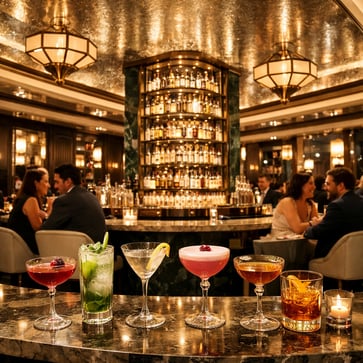
The world's most exceptional bars have transcended their traditional role as mere drinking establishments, evolving into architectural masterpieces that rival art galleries and museums. At The Connaught Bar in London, designed by David Collins Studio, every element from the platinum-leaf ceiling to the bespoke Irish linen upholstery demonstrates how meticulous architectural vision can elevate the cocktail experience. The bar's geometric lines and Art Deco influences create an atmosphere where the space itself becomes as integral to the experience as the world-class martinis served within it.

Similarly, Bar High Five in Tokyo proves that architectural innovation doesn't always mean grandiosity. Hidden in the Ginza district, this intimate space designed by Hidetsugu Ueno showcases minimalist Japanese aesthetics where clean lines, natural wood, and carefully considered lighting create a sanctuary of calm. The bar's architectural restraint allows the craftsmanship of both the space and the cocktails to shine, demonstrating that sometimes less truly is more.Luxury Bar with Platinum Leaf Ceiling and Vintage Cocktails-1

Atlas Bar in Singapore takes architectural ambition to new heights with its stunning 15-meter gin tower serving as the centerpiece. The tower, housing over 1,300 gin labels, isn't just functional—it's a towering sculpture that draws the eye upward through the Art Deco-inspired space. Bronze fixtures, marble surfaces, and intricate detailing throughout the venue prove that when architecture and mixology converge with vision and investment, the result is nothing short of spectacular.

Immersive Themes That Transport You to Another World

The most memorable bars in the world understand that atmosphere is everything. Dante in New York City has perfected the art of transporting patrons to 1920s Italy through its vintage-inspired design, checkered floors, and carefully curated European aesthetic. Winner of the World's Best Bar award, Dante proves that a well-executed theme creates emotional connections that keep guests returning year after year. The space feels less like a themed restaurant and more like stepping through a portal to a Greenwich Village interpretation of old-world Italy.

Taking immersion to an entirely different level, Scout in London operates as a speakeasy-style bar hidden behind an unmarked door in a Hackney barbershop. This commitment to the prohibition-era concept extends beyond mere decoration—the entire guest experience, from discovery to departure, maintains the illusion of an exclusive, secret society. The intimate space, complete with vintage furnishings and low lighting, demonstrates how total thematic commitment can transform a simple night out into an adventure.

Perhaps no bar exemplifies immersive theming quite like The Red Phone Booth in Atlanta, where guests must enter through an actual phone booth to access the hidden speakeasy. Once inside, the 1920s prohibition atmosphere is maintained through period-appropriate decor, jazz music, and craft cocktails served in vintage glassware. These immersive environments succeed because they don't just decorate a space—they create an alternate reality where guests can escape the mundane and embrace the extraordinary.

Sustainable Design Elements Shaping Modern Bar Culture

As environmental consciousness reshapes industries worldwide, forward-thinking bars are incorporating sustainable design principles that don't compromise on luxury or experience. Coupette in London has become a beacon for eco-conscious design, utilizing reclaimed materials, energy-efficient lighting, and locally sourced furnishings throughout their space. Their design philosophy proves that sustainability and sophistication are not mutually exclusive but rather complementary forces that can enhance a venue's appeal to increasingly environmentally aware clientele.

White Lyan (now Lyan's bar concepts) pioneered the zero-waste cocktail movement, but its sustainable ethos extended deeply into its design philosophy. By eliminating ice, citrus, and perishable garnishes, the bar's entire infrastructure could be simplified—smaller refrigeration units, reduced energy consumption, and minimal waste storage. This operational sustainability influenced the clean, minimalist aesthetic of the space, demonstrating how environmental considerations can drive innovative design decisions.

The Vault Bar in Dublin takes sustainability in an entirely different direction by repurposing a historic bank vault into a stunning cocktail venue. Adaptive reuse of existing structures represents one of the most impactful sustainable design practices, preserving architectural heritage while reducing the environmental impact of new construction. The bar's retention of original vault doors, safety deposit boxes, and period features not only creates a unique atmosphere but also tells a story of responsible redevelopment that respects both history and the environment.

Technology-Enhanced Experiences Behind the Bar

Technology is revolutionizing bar design in ways that would have seemed impossible just a decade ago. At Robot Bar in Ilmenau, Germany, automated bartenders prepare drinks with mechanical precision, turning the bar itself into a performance space where technology becomes entertainment. While fully automated bars remain novelty experiences, elements of this technological innovation are filtering into mainstream bar design—from automated inventory systems to precision pour technology that ensures consistency while reducing waste.

The team behind Employees Only in New York and worldwide locations has embraced technology more subtly but no less effectively. Their proprietary cocktail management systems, integrated point-of-sale technology, and kitchen display systems are hidden from guests but fundamentally transform operational efficiency. This behind-the-scenes technology allows bartenders to focus on hospitality and craft rather than administrative tasks, improving both the guest experience and staff satisfaction.

Perhaps most exciting are the augmented reality experiences being pioneered by bars like House of Absolute in Tokyo. Using smartphone apps and AR technology, guests can point their devices at cocktails to see ingredient visualizations, watch preparation techniques, or access curated content about spirits. Interactive LED bars, projection mapping on surfaces, and app-based ordering systems are transforming bars from static environments into dynamic, responsive spaces that adapt to guest interaction and preferences in real-time.

Creating Instagram-Worthy Spaces That Drive Business

In the age of social media, visual appeal has become a critical business driver, and the world's top bars have mastered the art of creating shareable moments. Pink Mamma in Paris exemplifies this approach with its jungle-like hanging garden, pink-hued dining rooms, and dramatic skylight that photographers dream about. Every corner of the space offers a new photo opportunity, turning guests into brand ambassadors who eagerly share their experiences with thousands of followers. This organic marketing reach is invaluable and demonstrates how thoughtful design can generate ongoing publicity long after opening night.

The Broken Shaker in Miami has built its reputation partly on its eclectic, vintage aesthetic that begs to be photographed. Mismatched furniture, tropical plants, colorful murals, and quirky decor create a bohemian paradise that looks stunning in photographs while remaining genuinely comfortable and inviting in person. The bar's success reveals the secret to Instagram-worthy design—it must be authentic and experiential, not merely decorative. Spaces designed solely for photographs feel hollow and fail to generate the genuine enthusiasm that drives social sharing.

At Dandelyan (now Lyaness) in London, every design element from the custom glassware to the riverside views was considered for both in-person impact and photographic appeal. The bar's neutral palette with dramatic pops of color, statement lighting fixtures, and carefully curated artwork created a sophisticated backdrop that photographed beautifully while maintaining the elegance expected of a luxury hotel bar. Smart bars now employ lighting designers specifically to ensure spaces look as good in smartphone photos as they do to the naked eye, understanding that every guest is a potential content creator whose posts can reach thousands of prospective customers.

Topics: Bar inventory, Bar staff, Bar trends, Bar drinks, Bar Management, Bar Promotion, mixology, Best Bar Inventory app

Exploring the Classic Dive Bar Atmosphere Across America

Posted by Nick Kaoukis on Mon, Apr, 13, 2026 @ 09:04 AM

Discover the authentic charm and unpretentious allure of America's beloved dive bars, where cold drinks, friendly faces, and timeless character create unforgettable experiences.

What Makes a Dive Bar Truly Authentic

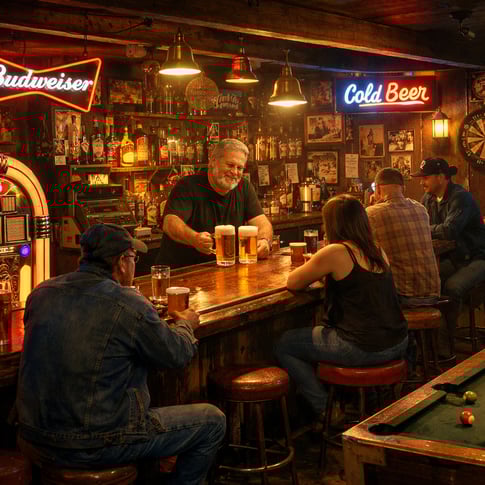
A true dive bar isn't defined by a carefully curated aesthetic or Instagram-worthy decor—it's built on decades of character that money can't buy. The walls might be a bit dingy, the furniture mismatched, and the lighting dim, but these imperfections tell stories of countless nights, celebrations, and commiserations. Authentic dive bars feature worn pool tables with felt that's seen better days, jukeboxes loaded with classic rock and country hits, and bartenders who know their regulars by name and drink order. The beer is cold, the prices are fair, and there's never a velvet rope or pretentious door policy.Classic Dive Bar Neon Glow and Worn Wood Bar-1

What truly separates an authentic dive from a manufactured imitation is the absence of self-awareness. Real dives don't try to be dive bars—they simply are. You'll find neon beer signs that have been glowing since the Reagan administration, dartboards with holes surrounding the bullseye, and bathrooms that range from questionable to surprisingly clean. The clientele is diverse, spanning blue-collar workers fresh off their shifts, neighborhood regulars who've been coming for thirty years, and adventurous newcomers seeking something real in an increasingly polished world.

The soul of an authentic dive bar lies in its democratic spirit. CEOs sit next to construction workers, artists chat with accountants, and everyone is judged solely by how they treat their fellow patrons and the bartender. There's no VIP section, no bottle service, and no reservation system. The drink menu is straightforward—beer, whiskey, and maybe a few basic mixed drinks. If you ask for a craft cocktail with house-made bitters and organic herbs, you might get laughed out the door. This unpretentious approach creates a leveling effect where status and wealth matter less than being a good person who tips well.

Regional Dive Bar Cultures From Coast to Coast

The American dive bar experience varies dramatically depending on where you plant your barstool. In the Pacific Northwest, particularly Portland and Seattle, dive bars embrace a laid-back grunge aesthetic with strong coffee culture influences—yes, some Portland dives serve decent coffee alongside their whiskey. These establishments often feature local microbrews on tap despite their divey credentials, and you'll find flannel-clad patrons discussing everything from tech startups to environmental activism. The vibe is unpretentious yet socially conscious, with many dive bars doubling as music venues for local punk and indie bands.

Head to the Midwest, and dive bars become community living rooms. In cities like Milwaukee, Chicago, and Detroit, these establishments are generational gathering spots where the same families have been drinking for decades. Wisconsin dive bars are particularly notable for their Friday fish fries, generous brandy old fashioneds, and an almost religious dedication to the Green Bay Packers. The Midwest dive embraces practicality over style, with hearty comfort food, affordable domestic beers, and an atmosphere that makes strangers feel like old friends within minutes. Many of these bars have survived economic downturns and neighborhood changes, standing as testaments to resilience.

Southern dive bars bring their own flavor to the equation, often featuring pool tables, country music on the jukebox, and a more relaxed attitude toward closing time. From honky-tonks in Texas to beachside dives in Florida, the Southern dive bar culture emphasizes hospitality and storytelling. You'll find bartenders who remember your name after one visit and regulars who'll strike up conversations about anything from local politics to the best BBQ joints in town. Meanwhile, East Coast dives, particularly in cities like Boston, Philadelphia, and the boroughs of New York, tend toward the gritty and authentic, with neighborhood loyalty running deep and each bar serving as a defacto community center.

West Coast dive bars, especially in California, blend beach culture with working-class roots. San Diego and Los Angeles boast dive bars where surfers grab beers after dawn patrol sessions, while San Francisco's dives reflect the city's maritime history and blue-collar neighborhoods that refuse to be gentrified out of existence. Desert dives in Nevada and Arizona offer air-conditioned refuges from brutal heat, often featuring video poker machines and a clientele of locals, bikers, and road-trippers seeking authentic experiences off the beaten tourist path.

The Unwritten Rules of Dive Bar Etiquette

Walking into a dive bar for the first time requires understanding certain unspoken protocols. First and foremost: respect the regulars and their seats. That empty barstool might look available, but if you see a jacket, keys, or even just a particular worn spot on the vinyl, it likely belongs to someone who's been sitting there for the past fifteen years. Ask before sitting, and if a regular politely suggests you move, do so without complaint. The bartender's attention should be earned through patience and eye contact—never snap your fingers, wave money, or shout demands. Wait your turn, and when you finally order, know what you want and order decisively.

Tipping is not optional in dive bars—it's essential. Even though drinks are cheaper than in upscale establishments, your bartender is working just as hard, often juggling roles as therapist, mediator, and entertainer. The standard dollar per drink or 20% of your tab applies here, and if you're nursing a single beer for two hours while occupying premium real estate at the bar, tip generously to compensate. If you can't afford to tip properly, you can't afford to be there. Additionally, never criticize the establishment's condition or make jokes about needing a tetanus shot—the people drinking there love this place, and insulting it insults them.

Conversation in dive bars follows its own code. It's perfectly acceptable to chat with strangers, but read the room and respect personal space. If someone's clearly drinking alone by choice, staring into their glass or watching the game with focused attention, leave them be. Avoid controversial topics unless you're prepared for passionate debate, and never, ever lecture regulars about health, lifestyle choices, or their drinking habits. The dive bar is a judgment-free zone. Keep your phone usage minimal—scrolling through social media or taking constant photos marks you as an outsider who doesn't understand the culture.

Finally, understand that the jukebox is sacred ground. Don't play the same song repeatedly, avoid choosing excessively long tracks when the bar is busy, and never—under any circumstances—unplug the jukebox if you don't like someone else's selection. If there's a pool table, put your quarters up to claim the next game and respect the established rotation. Win or lose graciously, and if you break house rules or equipment, own up to it and offer to make it right. These simple gestures of respect will transform you from a tourist into a welcomed guest, and eventually, if you keep coming back, into a regular yourself.

Why Dive Bars Remain Essential to Local Communities

In an era of corporate chains and algorithm-driven experiences, dive bars serve as crucial third spaces where genuine human connection still flourishes. They're neither home nor work, but somewhere in between—neutral ground where people from all walks of life can gather without pretense or expectation. These establishments foster community bonds that social media can never replicate, providing face-to-face interaction in an increasingly digital world. For many regulars, their local dive bar represents consistency and belonging in lives that may otherwise feel chaotic or isolating. The bartender who asks about your mother's health, the regular who saved your seat, the stranger who bought you a drink when you were down—these moments of human kindness happen daily in dive bars across America.

Dive bars also serve economic functions that extend beyond simple commerce. They're often among the last affordable gathering places in gentrifying neighborhoods, providing working-class residents a social outlet that doesn't require a second mortgage. Many dive bars employ locals, support community causes, and serve as informal job networks where opportunities are shared over beers. When disasters strike—whether personal tragedies or community crises—dive bars frequently become fundraising centers and emotional support hubs. The tip jar might say it's for the bartender, but it's just as likely collecting money for a regular's medical bills or a local family who lost their home.

These establishments preserve cultural history in ways that museums cannot. The photographs on the walls, the stories told by longtime regulars, the traditions passed down through generations—dive bars are living archives of neighborhood evolution. They remember when the factory was still operating, when the old church stood on the corner, when housing was affordable and the neighborhood was different. This institutional memory creates continuity and identity, reminding communities of where they came from even as they change. Many dive bars have survived for fifty, seventy, even a hundred years, weathering Prohibition, economic depressions, urban renewal, and gentrification.

Perhaps most importantly, dive bars provide non-judgmental spaces for people who might not fit elsewhere. The lonely, the eccentric, the heartbroken, the celebrating—everyone is welcome at the dive bar as long as they follow the basic rules of respect and decency. In a society increasingly divided by politics, economics, and social media algorithms, dive bars remain stubbornly democratic spaces where differences are either discussed civilly over drinks or set aside entirely in favor of shared humanity. This social function—creating community across divides—may be the dive bar's greatest contribution to American life.

Finding Your Perfect Neighborhood Watering Hole

Discovering your ideal dive bar requires more than a quick Google search or following trendy recommendations. The best approach is old-fashioned exploration—walk your neighborhood and notice which bars have locals streaming in on weekday evenings, which establishments have been around for decades, and which places just feel right when you peer through the window. Your perfect dive bar probably won't have a polished online presence or a social media manager crafting witty posts. It might not even have a website. Look for neon signs, simple names like Joe's Bar or The Corner Tap, and the kind of worn exterior that suggests the place has been serving drinks since before you were born.

When you've identified a potential spot, visit at different times to get a sense of the atmosphere and clientele. A dive bar might be perfect for quiet afternoon drinks but overwhelming on Friday nights, or vice versa. Pay attention to how the bartender treats regulars—this will eventually be how they treat you if you become one. Notice whether conversations flow naturally, whether people seem genuinely comfortable, and whether the overall vibe matches what you're seeking. Some dives are sports-focused with games always on TV, others are music-centered with jukeboxes or live bands, and some are conversation bars where the television stays off and patrons actually talk to each other.

Don't be discouraged if your first few visits feel awkward. Breaking into an established dive bar community takes time and consistency. Show up regularly, tip well, be friendly but not intrusive, and let relationships develop naturally. Learn the bartender's name and use it respectfully. Engage in small talk when appropriate but don't force connections. Over time, faces will become familiar, nods will turn into greetings, and greetings will evolve into conversations. One day you'll walk in and realize your usual drink is already being poured, your favorite stool is available, and you've become part of the family.

Remember that your perfect dive bar might not match anyone else's ideal, and that's entirely the point. The beauty of dive bar culture is its diversity—what matters isn't finding the coolest or most Instagram-worthy spot, but discovering a place where you genuinely feel comfortable and welcome. Maybe it's the bar with the best jukebox, or the one with shuffleboard, or simply the place closest to your apartment where the bartender has a great laugh. Trust your instincts, give places a fair chance, and when you find your spot, become the kind of regular that makes it special for the next newcomer who walks through the door. The best dive bars aren't just found—they're chosen, nurtured, and loved into becoming home.

Topics: Bar inventory, Bar staff, Bar trends, Bar drinks, Bar Management, Bar products, Bar Promotion, dive bar

The Ultimate Agave Spirits Guide: Tequila and Beyond

Posted by Nick Kaoukis on Wed, Mar, 04, 2026 @ 09:03 AM

Discover the rich world of agave spirits, from premium tequila to artisanal mezcal, and elevate your bar program with authentic Mexican flavors that keep guests coming back for more.

Understanding the Agave Plant: The Heart of Mexico's Spirit Heritage

The image depicts an elegant bar setting illuminated by soft warm lighting Behind the bar shelves are lined with an impressive array of bottles featur-1The agave plant stands as a symbol of Mexican culture and craftsmanship, serving as the foundation for some of the world's most beloved spirits. This succulent, often mistaken for a cactus, thrives in Mexico's diverse climates and has been cultivated for centuries. With over 200 species of agave growing throughout the region, only specific varieties are used to produce the spirits we know and love today. The blue agave (Agave tequilana Weber) is exclusively used for tequila production, while mezcal can be crafted from over 30 different agave species, each imparting unique flavor characteristics.
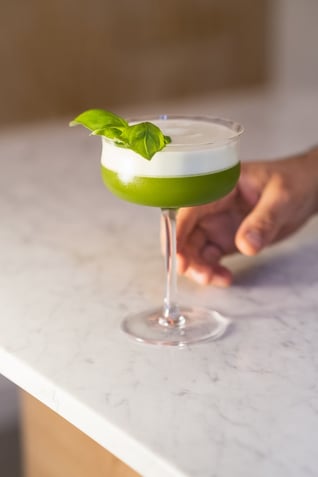

The lifecycle of an agave plant is a testament to patience and dedication. Most agave plants require between 7 to 10 years to reach maturity, with some varieties taking up to 25 years before they're ready for harvest. This extended growing period allows the plant to develop complex sugars in its core, or piña, which can weigh anywhere from 40 to 200 pounds when fully matured. The timing of harvest is crucial—too early and the sugars haven't fully developed, too late and the plant may begin to flower, diverting energy away from the piña.

Understanding the terroir of agave is essential for appreciating the nuances in your glass. The soil composition, elevation, rainfall, and temperature all influence the flavor profile of the final spirit. Highland agave, grown at higher elevations, tends to produce spirits with sweeter, more floral notes, while lowland agave often yields earthier, more mineral-driven flavors. This geographical diversity is what makes agave spirits so fascinating and varied, offering endless exploration opportunities for both bartenders and enthusiasts alike.

Tequila Essentials: From Blanco to Extra Añejo

Tequila must be produced in specific regions of Mexico, primarily in the state of Jalisco, and must contain at least 51% blue agave sugars (though premium tequilas are 100% agave). The classification system for tequila is based primarily on aging time, with each category offering distinct characteristics. Blanco, or silver tequila, is unaged or rested for less than two months, showcasing the pure, crisp agave flavors with notes of citrus, pepper, and herbs. This is the most versatile category for cocktails and allows you to taste the true essence of the agave plant.

Reposado tequila, meaning 'rested,' is aged in oak barrels for two months to one year, developing a golden hue and mellower flavor profile. The oak aging introduces vanilla, caramel, and light spice notes while maintaining the agave character. Añejo, or 'aged' tequila, spends one to three years in oak barrels, resulting in a darker amber color and more complex flavors reminiscent of fine cognac or whiskey. Extra Añejo, the newest official category established in 2006, requires a minimum of three years aging and produces ultra-premium expressions with deep, rich flavors of dried fruit, chocolate, and tobacco.

When selecting a premium tequila, always look for '100% Agave' on the label—this guarantees that no other sugars were used in fermentation. Premium tequilas are typically produced using traditional methods, including slow-roasting the piñas in brick ovens or autoclaves, and may employ tahona wheels (large stone wheels) for crushing. Look for bottles with NOM numbers, which identify the distillery, allowing you to trace the tequila's origins. Avoid tequilas labeled as 'mixto,' which contain only the minimum 51% agave and often have added sugars, colorings, and flavorings that result in inferior quality and harsher hangovers.

Mezcal and the Smoky Revolution in Craft Cocktails

Mezcal is tequila's older, more artisanal cousin, and while all tequila is technically mezcal, not all mezcal is tequila. The key distinction lies in production methods and regional designation. Mezcal can be produced in nine Mexican states, with Oaxaca accounting for approximately 85% of production. The defining characteristic of mezcal is its distinctive smoky flavor, which comes from roasting agave piñas in underground pit ovens lined with volcanic rocks and covered with earth. This ancient technique, passed down through generations, imparts complex smoky, earthy notes that have captivated the craft cocktail scene.

The diversity of mezcal is staggering, with each agave variety (called maguey in mezcal production) offering unique flavor profiles. Espadín is the most common variety, accounting for about 90% of mezcal production, offering a balanced flavor with notes of smoke, fruit, and herbs. More adventurous options include Tobalá, a small wild agave with delicate, floral notes; Tepeztate, which takes up to 25 years to mature and offers intense mineral and vegetal flavors; and Arroqueño, known for its rich, complex character with hints of tropical fruit and chocolate. These rare expressions command premium prices but offer unparalleled tasting experiences.

The craft cocktail revolution has embraced mezcal for its ability to add depth and complexity to classic recipes. A mezcal Negroni introduces smoky intrigue to the bitter-sweet balance, while a mezcal Old Fashioned offers an earthier alternative to whiskey-based versions. For selecting premium mezcal, look for bottles labeled 'Mezcal Artesanal' or 'Mezcal Ancestral,' which indicate traditional production methods. Check for single-village or single-maestro mezcalero bottlings, as these often represent the most authentic expressions. The ABV can vary widely, from 40% to over 50%, with higher-proof mezcals offering more concentrated flavors. Remember that cloudiness is not a defect—it indicates the presence of natural oils and fats from the agave, a sign of quality production.

Beyond the Basics: Exploring Raicilla, Sotol, and Bacanora

The agave spirits category extends far beyond tequila and mezcal, encompassing regional specialties that are finally gaining international recognition. Raicilla, produced in the mountainous regions of Jalisco, was historically made clandestinely to avoid Spanish colonial taxes. This spirit can be made from various agave species and comes in two main styles: Raicilla de la Costa (coastal) and Raicilla de la Sierra (mountain). Coastal versions tend to be lighter and more vegetal, while mountain raicillas offer more robust, mineral-forward profiles. The production methods are similar to mezcal, with roasting in underground ovens, but raicilla often exhibits less pronounced smoke and more herbal, grassy notes.

Sotol, technically not an agave spirit but often grouped with them, is made from the Desert Spoon plant (Dasylirion) found in the Chihuahuan Desert. This spirit has been produced for over 800 years in the northern states of Chihuahua, Durango, and Coahuila. Sotol plants take 15 to 20 years to mature and can only be harvested once, making sustainable production crucial. The flavor profile is distinctly different from agave spirits, offering fresh, herbaceous notes with hints of pine, citrus, and earth, along with a characteristic mineral quality that reflects its desert terroir. Sotol works beautifully in cocktails where you want a lighter, more refreshing agave-adjacent spirit.

Bacanora, hailing from the state of Sonora, received its own denomination of origin in 2000 after spending decades as an underground spirit. Made exclusively from Agave pacifica (also called Agave yaquiana), bacanora offers a unique flavor profile that bridges tequila and mezcal—it's typically lighter than mezcal but more complex than tequila, with delicate smoke, floral notes, and a distinctive minerality. Production is small-scale and artisanal, making bacanora relatively rare outside Mexico. When selecting these alternative agave spirits, seek out bottles with clear provenance information, traditional production methods, and sustainable harvesting practices. These spirits represent the cutting edge of the agave category and offer exciting opportunities to differentiate your bar program.

Curating Your Agave Spirits Menu for Maximum Guest Satisfaction

Building a comprehensive agave spirits program requires strategic selection across price points and flavor profiles. Start with a solid foundation of 100% agave tequilas covering all major categories: a crisp blanco for margaritas and fresh cocktails, a versatile reposado for sipping or mixing, and at least one añejo for guests seeking sophisticated, spirit-forward experiences. Include both highland and lowland expressions to showcase terroir differences. For mezcal, begin with a reliable espadín-based option for cocktails, then add one or two premium single-agave expressions for enthusiasts. Consider featuring a weekly or monthly rotating special mezcal to keep regulars engaged and exploring.

Education is key to driving agave spirits sales and enhancing guest experiences. Train your staff to articulate the differences between categories and guide guests through selections based on their preferences. Create tasting flights that compare blanco, reposado, and añejo tequilas, or contrast tequila with mezcal to highlight production differences. Develop signature cocktails that showcase each spirit's unique characteristics—a cucumber-jalapeño margarita with blanco tequila, a spiced añejo old fashioned, or a smoky mezcal mule. Print menu descriptions that tell the story behind each bottle, mentioning the producer, region, and production methods to create emotional connections with your offerings.

Pricing strategy should balance accessibility with premium options. Offer well-made, affordable tequilas and mezcals for cocktails and casual sipping, ensuring guests can explore the category without significant investment. Position mid-tier selections as your 'house favorites,' highlighting their quality-to-value ratio. Reserve your ultra-premium bottles for special occasions and serious enthusiasts, presenting them as experience-driven purchases rather than just drinks. Consider offering half-pours or tasting portions of expensive bottles to make them more accessible. Regularly assess your inventory turnover and guest feedback—if a particular bottle isn't moving, use it in a featured cocktail or offer it in a tasting flight. The goal is to create an agave program that educates, excites, and ultimately keeps guests returning to explore Mexico's rich spirits heritage.

Topics: Bar trends, Bar drinks, Beer stock, Tequila brands, mezcal, Tequila

Seasonal Cocktail Inspiration from the Winter Olympics

Posted by Nick Kaoukis on Fri, Feb, 13, 2026 @ 10:02 AM

Elevate your winter bar menu with Olympic-inspired cocktails that capture the spirit of competition, celebration, and global flavors from the world's most prestigious winter sporting event.

Crafting Gold Medal-Worthy Signature Drinks

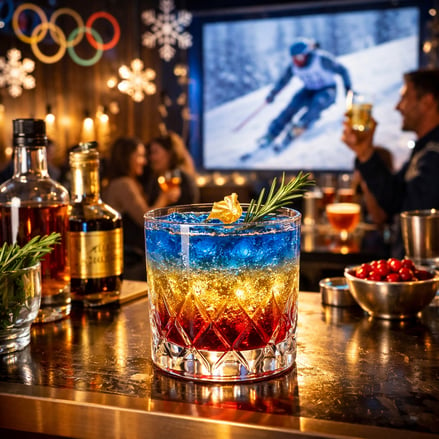
Creating Olympic-inspired signature cocktails requires the same precision and artistry that athletes bring to their performances. Start by building drinks around the iconic colors of the Olympic rings—blue, yellow, black, green, and red. A layered cocktail featuring blue curaçao, golden champagne, and red berry liqueur can visually represent the medal podium while delivering complex flavors that impress even the most discerning palates.The image showcases an elegantly designed cocktail menu inspired by the Winter Olympics At the center a striking layered cocktail the Downhill Dash fe-1

Consider naming your cocktails after famous Winter Olympic events or memorable moments. The 'Downhill Dash' could feature a bold combination of whiskey and ginger beer with a splash of citrus, representing the speed and excitement of alpine skiing. The 'Triple Axel' might incorporate three distinct spirits that blend seamlessly, just like the perfect figure skating jump. These thematic names not only spark conversation but also create a memorable experience that ties your menu to the Olympic spirit.

Quality ingredients are essential for medal-worthy cocktails. Use premium spirits as your base, incorporate fresh herbs like rosemary and thyme for winter aromatics, and don't shy away from unique elements like edible gold leaf or shimmering liqueurs. The goal is to create drinks that look spectacular and taste even better, embodying the excellence that defines Olympic competition.

International Flavors from Host Countries Past and Present

The Winter Olympics have graced numerous countries, each bringing unique culinary traditions that can inspire extraordinary cocktails. From the sake and yuzu of Japan (Nagano 1998, Sapporo 1972) to the aquavit and cloudberry of Norway (Lillehammer 1994), host countries offer a treasure trove of flavors. Create a 'Norwegian Northern Lights' using aquavit, elderflower liqueur, and a splash of blue curaçao, topped with prosecco for a shimmering effect that mimics the aurora borealis.

Italian host cities like Turin (2006) and Cortina d'Ampezzo (1956) inspire aperitivo-style cocktails. Mix up a 'Dolomite Sunset' featuring Aperol, prosecco, and blood orange juice, garnished with a sprig of fresh basil. For a nod to the French Alps (Chamonix 1924, Grenoble 1968, Albertville 1992), craft a sophisticated cocktail using Chartreuse, champagne, and a hint of lavender—a refined tribute to French elegance and alpine beauty.

Don't forget the North American hosts. Canadian venues (Calgary 1988, Vancouver 2010) inspire cocktails featuring maple syrup and Canadian whisky, while American locations (Lake Placid 1932 and 1980, Squaw Valley 1960, Salt Lake City 2002) call for bold bourbon-based drinks with apple cider and cinnamon. A 'Rocky Mountain Mule' combining bourbon, ginger beer, lime, and a maple syrup rim perfectly captures the spirit of winter sports in the American West.

Winter Warming Spirits That Score Perfect Tens

Cold-weather spirits form the foundation of any successful Winter Olympic cocktail menu. Dark spirits like bourbon, rye whiskey, aged rum, and cognac provide warmth and depth that complement winter's chill. These base spirits pair beautifully with seasonal spices like cinnamon, nutmeg, clove, and star anise. A hot toddy variation using spiced rum, honey, lemon, and a cinnamon stick makes for a perfect après-ski beverage that warms from the inside out.

Herbal liqueurs and amari add complexity and sophistication to winter cocktails. Fernet-Branca, Chartreuse, and Bénédictine bring botanical notes that evoke snowy forests and mountain meadows. Create a 'Biathlon Bracer' combining rye whiskey, yellow Chartreuse, sweet vermouth, and aromatic bitters—a complex drink that represents the dual nature of skiing and shooting in this challenging sport. The herbal qualities provide depth while the whiskey delivers the necessary warmth.

Don't overlook the power of fortified wines and liqueurs. Port, sherry, and vermouth can be featured in lower-ABV cocktails that still deliver robust flavor. A 'Curling Stone' cocktail made with tawny port, bourbon, demerara syrup, and chocolate bitters offers richness without overwhelming heat. For guests who prefer something lighter, mulled wine cocktails infused with orange, cloves, and brandy provide festive warmth while maintaining approachability. These versatile options ensure every guest finds their perfect winter warmer.

Presentation Techniques Worthy of the Podium

Visual presentation can transform a good cocktail into an unforgettable experience. Embrace the Olympic theme with gold, silver, and bronze elements. Rim glasses with edible metallic dust or sugar crystals in these colors. Use gold leaf garnishes sparingly but effectively—a single flake floating atop a clear cocktail creates an elegant, championship-worthy appearance. Serve drinks in crystal-cut glassware or vintage coupe glasses that evoke the elegance and tradition of the Olympic Games.

Ice presentation offers another opportunity to impress. Create large, crystal-clear ice spheres or cubes that melt slowly and maintain drink integrity. For a dramatic effect, freeze edible flowers, herbs, or citrus wheels inside ice blocks, then chip away to reveal the frozen treasures. Consider creating an 'ice luge' for special occasions—a nod to the luge event—where cocktails slide down a carved ice sculpture before reaching the glass. This interactive element adds entertainment value and creates Instagram-worthy moments.

Garnishes should be thoughtful and thematic. Use rosemary sprigs torched tableside to release aromatic oils while creating a visual spectacle. Citrus twists can be expressed over a flame to caramelize the oils, adding both aroma and theater. Create 'Olympic torch' garnishes using sugarcane swizzle sticks with a small piece of flammable citrus peel that can be briefly ignited. Smoke elements under cloches for a mysterious reveal, or use dry ice carefully for a frosty, mountain-mist effect. Each presentation technique should enhance the drinking experience while honoring the spectacle of Olympic competition.

Creating an Olympic-Themed Cocktail Experience for Guests

Transform your venue into an Olympic celebration by creating an immersive cocktail experience. Design a special menu that tells a story, with each cocktail representing different events, countries, or Olympic values. Organize the menu like an Olympic program, with 'Opening Ceremony' welcome drinks, 'Competition' signature cocktails, and 'Closing Ceremony' dessert drinks. Include brief descriptions that connect each cocktail to its Olympic inspiration, educating guests while entertaining them.

Consider hosting Olympic-themed cocktail events or competitions. Invite guests to vote on their favorite drinks, awarding gold, silver, and bronze medals to the top three. Create flight options where guests can sample smaller portions of multiple cocktails, similar to judging different athletic performances. Offer a 'mixology pentathlon' where guests rotate through five different cocktail styles, each paired with small bites inspired by host countries. This interactive approach engages guests and creates memorable experiences that extend beyond simply serving drinks.

Enhance the atmosphere with thoughtful details. Display Olympic memorabilia, play footage of iconic Winter Olympic moments on screens, and use a playlist featuring national anthems and music from various host countries. Train staff to share stories about the cocktails' inspirations and the Olympic events they represent. Create specialty glassware or cocktail napkins featuring Olympic rings or winter sports imagery. Consider partnering with local athletes or Olympic alumni for special appearances, adding authenticity and excitement to your Olympic cocktail celebration. These comprehensive touches create a cohesive experience that honors the Olympic spirit while showcasing exceptional cocktail craftsmanship.

Topics: Bar inventory, nightclubs, Bar drinks, Classic drinks, Bar products, restaurant trends, drink recipe, pricing drinks, Bar Promotion, mixology, craft cocktails

Exploring the Best Liquor Brands Through 5 New Cocktail Creations

Posted by Nick Kaoukis on Fri, Jul, 12, 2024 @ 16:07 PM

Discover how top-shelf brands are shaking up the cocktail scene with innovative mixes that promise to elevate your spirits.

The Art of Selecting the Right Liquor for Your Cocktail

When it comes to creating the perfect cocktail, selecting the right liquor is crucial. The type of liquor you choose will greatly impact the flavor and overall experience of the drink. Whether you're looking to create a refreshing summer cocktail or a rich and flavorful winter drink, understanding the qualities of different liquors will help you make the best choice.

One important factor to consider when selecting liquor for your cocktail is the base spirit. Vodka, rum, gin, tequila, and whiskey are all popular choices for creating a wide range of cocktails. Each spirit has its own unique characteristics that can enhance the taste and aroma of your drink.Liquor Drink Mixology

Another aspect to consider is the flavor profile of the liquor. Some liquors have a smooth and mellow taste, while others are bold and intense. Depending on the flavor you want to achieve, you can choose a liquor that complements or contrasts with the other ingredients in your cocktail.

Lastly, don't forget to take into account the quality of the liquor. Premium brands often use high-quality ingredients and employ precise distilling techniques, resulting in a smoother and more refined taste. Investing in top-shelf liquor will elevate the quality of your cocktails and impress your guests.

By understanding the art of selecting the right liquor for your cocktail, you can create drinks that are perfectly balanced and bursting with flavor. Experiment with different spirits and brands to discover your favorite combinations and elevate your mixology skills.

Signature Mixes: Crafting Cocktails with Premium Brands

Crafting cocktails with premium brands is a surefire way to impress your guests and elevate your home bartending game. By using top-shelf liquors, you can create signature mixes that are both sophisticated and delicious.

One popular signature mix is the classic Martini, made with premium vodka or gin. The smoothness of the high-quality liquor is enhanced by a touch of vermouth, resulting in a timeless and elegant cocktail. Another signature mix is the Old Fashioned, which features premium bourbon or rye whiskey, a hint of sugar, and a few dashes of bitters. This cocktail is a true testament to the rich flavors of top-shelf liquors.

For those who prefer tropical flavors, a signature mix like the Mai Tai is a must-try. Made with premium rum, lime juice, orange liqueur, and a splash of grenadine, this cocktail is refreshing and exotic. Another tropical signature mix is the Piña Colada, which combines premium rum, pineapple juice, coconut cream, and crushed ice for a taste of paradise.

By crafting cocktails with premium brands, you can indulge in the finest flavors and elevate your cocktail experience. Experiment with different ingredients and techniques to create your own signature mixes that showcase the best liquor brands.

Tropical Temptations: Exotic Cocktails to Try This Season

If you're looking to transport yourself to a tropical paradise, exotic cocktails are the way to go. These tantalizing drinks are packed with flavors that will make you feel like you're lounging on a sandy beach with a gentle breeze.

One exotic cocktail to try this season is the Mojito. Made with rum, fresh mint leaves, lime juice, sugar, and soda water, this refreshing drink is perfect for hot summer days. Another tropical temptation is the Margarita, a classic cocktail made with tequila, lime juice, and triple sec. The combination of tangy citrus and tequila's unique flavor creates a drink that is both sweet and tart.

For those who prefer fruity flavors, the Bahama Mama is a must-try. This cocktail combines rum, pineapple juice, orange juice, grenadine, and coconut rum for a tropical explosion of flavors. Another fruity temptation is the Sex on the Beach, made with vodka, peach schnapps, orange juice, and cranberry juice. This cocktail is as vibrant and colorful as a tropical sunset.

Indulge in these exotic cocktails to satisfy your wanderlust and bring a taste of the tropics to your home bar. With their vibrant colors and refreshing flavors, they are sure to transport you to a paradise of your own.

Classic Cocktails Reimagined with Top Liquor Labels

Classic cocktails are timeless for a reason. They have stood the test of time and continue to be beloved by cocktail enthusiasts around the world. However, that doesn't mean they can't be reinvented with the help of top liquor labels.

Take the Negroni, for example. This classic cocktail traditionally consists of equal parts gin, Campari, and sweet vermouth. By using premium gin and vermouth, you can elevate the flavors and create a Negroni that is even more sophisticated and refined.

Another classic cocktail that can be reimagined with top liquor labels is the Moscow Mule. Traditionally made with vodka, ginger beer, and lime juice, this cocktail can be taken to new heights by using premium vodka. The smoothness and quality of the liquor will shine through, enhancing the overall taste of the drink.

By reimagining classic cocktails with top liquor labels, you can bring a modern twist to beloved recipes and elevate your cocktail game. Experiment with different brands and flavors to find the perfect combination that suits your taste and preferences.

Tips for Building Your Home Bar with the Best Brands

Building a home bar is an exciting endeavor, and selecting the best brands is key to creating a well-stocked and impressive collection. Here are some tips to help you build your home bar with the best liquor brands.

First, assess your preferences and the types of cocktails you enjoy. This will guide you in selecting the essential spirits for your home bar. Whether you prefer vodka-based drinks, whiskey cocktails, or tropical mixes, make sure to have a variety of liquors that cater to your taste.

Next, do your research on popular liquor brands. Look for brands that are known for their quality and have a wide range of offerings. Read reviews, ask for recommendations, and consider trying out different brands to find your favorites.

When stocking your home bar, it's important to strike a balance between premium brands and more affordable options. While premium brands are great for crafting signature cocktails and impressing guests, having some mid-range and budget-friendly options will allow you to experiment and mix up a variety of drinks without breaking the bank.

Lastly, don't forget about mixers and garnishes. Stock up on a selection of mixers like tonic water, soda water, and various fruit juices to complement your liquors. And don't forget to have a variety of garnishes on hand, such as citrus wedges, fresh herbs, and cocktail cherries.

By following these tips, you can build a home bar that showcases the best liquor brands and allows you to create a wide range of cocktails. Cheers to becoming your own home bartender!

Topics: Bar trends, Bar drinks, Bar Management, Bar products, Drink Recipes, liquor products, liquor inventory app, mixology, Best Bar Inventory app

Maximizing Your Bar's Profits

Posted by Nick Kaoukis on Wed, Nov, 14, 2012 @ 10:11 AM
By Douglas Robert Brown
Atlantic Publishing
 Maximizing Bar Profits

Once your bar is open, it will start making profits on each drink sold. However, in today's competitive marketplace, a profit is not always enough to keep a bar in business. In many cases, you need to focus on getting more per drink in order to make your bar a success. There are several ways that the bar can help ensure a larger profit:

  • Offer your bar staff incentives to make sure that you are getting the business you need. Your staff can help customers find a venue (your bar) for functions or can promote a drink that is a known profit maker if they know that they will get more money for it. If a staff member books an event that brings in $500, a $50 incentive for the staff member is well-spent money indeed.
  • Know which drinks make the most profit and advertise them. Knowing which drinks can help bring in the money is key. Once you have figured out which items bring in the most money, make sure that you advertise them. Have staff mention these drinks by name, and make these drinks more visible and more visually appealing. In many cases, suppliers will help by providing you with coasters, posters, or other items that advertise certain brands.
  • Make sure your customers get value. Too many business owners (and bar managers) cut corners, thinking that spending less means more profit. Studies have shown that the opposite is true—if the customer thinks they are getting more than they can expect, they will often respond in kind by patronizing the bar and bringing their friends. 
  • Make it easy to linger. Have interesting television on in the background. Have your staff ask "How about a round of coffee?" rather than "Would you like the bill?" The longer people linger at your pub or bar, the more they will buy. Also, if your bar has some people in it, it will be more appealing and lively to other customers. Customers are valuable—never rush them out.
  • Stay flexible. Keep eyeing the crowd, and if you notice shifts in the crowd, be flexible enough to change to suit the crowd. Did a bachelor party just come in? Adjust by running a one-off special on beer or by turning on dance lights. Is there a more sedate crowd tonight? Bring things down a notch with softer music and lights. Your customers will appreciate the extra touch and will be more likely to stay if your place is just what they're are looking for.
  • Make sure that there is always someone on staff who can make executive decisions. If there is a profit to be made and a customer to be satisfied by veering from the ordinary (by preparing special drinks or booking special functions), be sure that someone on staff can make the right decision for the bar, fast.
  • Cut down on how often you say no. There is no way to satisfy each customer, but do try to keep a variety of things on hand so that you can make the drinks and snacks customers demand. Don't spend lots of time or money trying to buy every item, but do stock up on items that can be used in the near future (sodas, non-perishables). Make sure your staff know what is on hand and have them suggest an alternative when the customer asks for something that is not available. Whenever someone at your bar says no, they are giving a patron an excuse not to return.
  • Consider merchandise. A great logo on T-shirts, pens, golf shirts, baseball caps, key chains, lighters, and glasses takes up little room but can bring in as much money (or even more) than your beverage items.
  • Consider vending machines. Vending machines are easy places for customers to get anything from antacids, breath mints, phone cards, bottled water, condoms, feminine products, snacks, to cigarettes. Vending machines allow you to make a profit without taking much effort. Your local Yellow Pages can easily put you in touch with vending suppliers near you. You can even place your snack vending machines outside the bar proper so that you keep earning money while the bar is closed.
 

This article is an excerpt from the The Professional Bar & Beverage Managers Handbook: How to Open and Operate a Financially Successful Bar, Tavern and Nightclub, authored by Douglas Robert Brown, published by Atlantic Publishing Group. This excerpt has been reprinted with permission of the publisher. To purchase this book go to:

Atlantic Publishing Company
Amazon.com

Topics: Bar staff, bar profitability, NightClub Management, bar business, Bar drinks, Bar Management, Nightclub Consulting, bar design

Myths About Managing a Bar That Could Hurt Your Business

Posted by Nick Kaoukis on Thu, Aug, 02, 2012 @ 16:08 PM
By Douglas Robert Brown
Atlantic Publishing
 

Myth: Bartending School Is Vital for a Bartender

FalseMany of the best bartenders learn most of their useful trade while at work. This is because bartending schools vary widely in quality. Some emphasize the preparation of rarely requested drinks without stressing useful skills such as bar management, customer satisfaction, and customer safety. If you are hiring a bartender, you should consider the school he or she has attended, but testing practical skills will give the best clue of how many useful skills the person has for waiting on your bar. If you are considering attending a bartending school, investigate the school to make sure that you will be taught skills such as organization and techniques of serving. A good bartending school or course will emphasize dealing with customers. Be wary of a bartending school that is more of a "drink mix" school, stressing mixing many types of drinks without teaching anything besides drink preparation. There are many of these sorts of schools out there, which claim that a bartender's greatest asset is knowing how to mix an endless variety of drinks. Learning to mix the latest drink is relatively simple once one looks up the recipe, and most patrons will order the most popular drink of the moment rather than some obscure mix. A bartender with a good grasp of people and basic bartending techniques is usually more useful than the bartender who only knows how to mix hundreds of drinks from memory but has few skills besides. In some cases, an employee with a hospitality degree is better able to handle the bar job than someone who has attended a bartender school.
 

Myth: If You Hire Experienced Employees, There Is No Need to Train Them

 You still need to train your employees to ensure that they understand what you want them to do. In cases where an employee has worked at another establishment for a while, you may actually need to provide additional training to allow the employee to get used to the way you want things done versus how they did things at their previous job.


Myth: Hiring Younger Serving Staff Is Best

Many bar managers mistakenly believe that hiring young female servers will help ensure a high customer loyalty. This is based on the belief that middle-aged men are the main patrons of bars, which is no longer the case. When hiring servers or other staff, you should consider experience and skill over age or physical appearance. In most states, hiring based on age or appearance is discriminatory and can lead to lawsuits.


Myth: The Customer Is Always Right

Bar managers want the customer to be happy enough to return and satisfied enough to recommend the establishment to others. It is never wise to argue with a customer, and if the difference of opinion is something quite small, it is better to humor the customer in order to avoid making him or her feel embarrassed. On the other hand, if the customer insists that he or she is not intoxicated and can drink more, for example, then they should be refused further drinks.


Myth: Security Staff Is Vital in Today's Bar

Security does add a certain peace of mind, but at many establishments, it is still the bartender who acts primarily as the security force of the bar. Where your security comes from depends on your location and bar. If you decide you do not need a separate security staff, however, make sure that the bartender or some other personnel are willing to help customers in case of an incident.


Myth: To Run a Successful Bar, Just Serve Great Drinks

While quality drinks are a key to bar success, many people go to bars to spend time with others. If you serve good drinks but offer exceptional atmosphere and service, you are likely to do well. In today's competitive world, great drinks alone are not enough. Bar managers need to have good financial planning and careful advertising and marketing and offer great customer service in order to be a success.


Myth: You Can Cut Corners to Increase Profits

Reducing costs or cutting corners (reducing the size of drinks or firing staff) is unlikely to help. Customers expect more from bars than ever before. Offering them less is unlikely to bring you the results you want. If you are just starting out, it may take months to see a profit. If you have been in business for a while, increasing customers and getting more from each customer by encouraging spending and lingering are far better strategies than downsizing in order to make a profit.


Myth: You Must Keep Expanding in Order to Make a Profit

Many bar managers think that in order to make a large profit, they need to dabble in everything. For this reason, many bars spend large amounts of money setting up dance floors, live acts, larger establishments, and restaurants. When you are just starting out, though, it is often best to keep things simple. Do not expand randomly, assuming that spending more money will bring in more money. Only expand after careful research and weighing the potential risks and benefits. You do not want to get into debt for a venture that is unlikely to work for your bar.


This article is an excerpt from the The Professional Bar & Beverage Managers Handbook: How to Open and Operate a Financially Successful Bar, Tavern and Nightclub, authored by Douglas Robert Brown, published by Atlantic Publishing Group. This excerpt has been reprinted with permission of the publisher. To purchase this book go to:

Atlantic Publishing Company
Amazon.com

Topics: Bar staff, bar profitability, NightClub Management, bartenders you can trust, bar business, Bar drinks, Liquor cost, Bar products, drink recipe, liquor products

BAR MANAGEMENT: TRENDS TO LOOK FOR AND EXPLOIT

Posted by John Cammalleri on Thu, Apr, 26, 2012 @ 13:04 PM

The nightclub business can be a rough. With a plentitude of competing venues, and with customer tastes in constant flux, the average half-life of a bar or nightclub is all too brief. Survival can depend on your ability to stay ahead of the curve and be in tune with your customers’ ever-changing demands. In short, you need to be constantly aware of what’s in  and what’s not in order to remain vital. Here is a brief compendium, in three parts, of some of the emerging and continuing trends in the industry, just a few things to look out for in 2012 and beyond:

Part 3 of 3: STORE CONCEPTS

mixologistSimplicity over pretention. While bars that employ top-notch mixologists offering creative drinks will continue to attract more and more customers, you can also expect a trend towards simplicity. As David Wondrich put it in Nation’s Restaurant News, “The biggest trend I see is bringing mixology down to the fun/dive-bar level.” Expect to find well-made, “sophisticated” drinks in friendlier, “less sophisticated” surroundings.
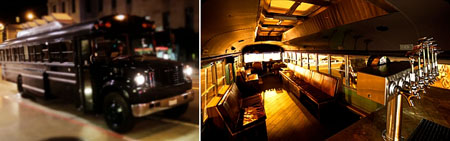


Live music and entertainment. Live acts are in. More and more bar patrons are looking to be entertained while they enjoy a drink or a bite. While live entertainment has always been a good  way to drive traffic to your store, drinkers and diners—particularly the over thirty crowd—are starting to look for it more and more. Thanks to the Internet, booking these acts—whether a local band, a jazz singer or comedian--is easier than ever before. What’s more, social media sites like Facebook and Myspace allow you to gauge the kind of following these acts have, giving you some idea of the level of traffic you might expect.

Bottle Service. With economic recovery on the horizon, expect bottle service to once again gain popularity. While it never really went away—at least not in the VIP lounges of the latest hotspots—bottle-service popularity did wane a bit during the recent economic meltdown. Look for a comeback.

“Daylife”. Daylife has begun to rival nightlife in bars and clubs across the country, especially during summertime. Rooftop bars and hotel pool areas are natural “hotspots” on sunny days. But patrons’ willingness to partake in daytime drinking shouldn’t be ignored, even if your store lacks a rooftop, pool or courtyard area. A weekend brunch bash or an early happy hour on weekdays can be just as profitable. Expect more and more bars to begin taking advantage of customers’ gameness for early revelry.

Larger Nightclubs. Expect to see larger—20,000+ square-foot—venues opening up in major cities. Also expect some of these new mega clubs to be segmented into distinct areas within. Instead of roped off VIP areas, you’ll begin to see entirely separate enclaves, or mini-clubs, within the larger store.

Multi-use spaces. Hand in hand with the (re-)emergence of larger nightclubs is the trend toward multi-use venues. Instead of putting all their eggs in one basket, drinking establishments will increasingly employ versatile-design  elements (such as colored glass walls that can be turned into projection TV’s) to start to cater to different clienteles. Expect to see multi-use spaces  that can be turned into dance clubs, live-music venues and sports bars.

brewtruc

Cocktail trucks. Where not prohibited by law, expect to see cocktail trucks peddling alcoholic concoctions. You may have noticed food trucks on street corners of major U.S. cities. Often run by talented chefs and would-be restaurateurs (who may lack the requisite capital to establish a more permanent store), these trucks offer a various, often high-quality, fare. This trend is now being extended to potables. In San Francisco, BrewTrucs can be seen  roving the streets hawking coctails and beer to thirsty pedestrians. Moreover, cocktail trucks have become a tool for liquor manufacturers nation-wide to build brand recognition. While legal issues will limit the growth of these bars on wheels, you may well see more and more of these trucks at parties and campus events.

Topics: Bar trends, NightClub Management, bar business, Bar drinks, Bar Management, Bar products, Nightclub trends, opening a bar, bar design, Bar Promotion