
Discover the most mouthwatering spring destinations where culinary excellence meets sunshine, vibrant festivals, and unforgettable seasonal flavors.
Why Spring Is the Ultimate Season for Culinary Travel Adventures
Spring awakens more than just flowers and warm weather—it signals the arrival of some of the world's most exciting culinary experiences. As winter's dormancy gives way to renewed energy, destinations across the globe burst into life with fresh produce, outdoor dining, and food festivals that celebrate the season's bounty. The mild temperatures create perfect conditions for exploring farmers markets, enjoying alfresco meals, and discovering local flavors without the sweltering heat of summer or the unpredictable chill of winter.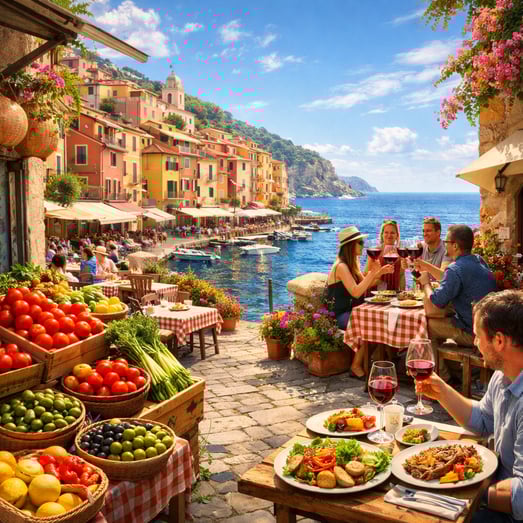
For food lovers, spring represents a unique window when ingredients are at their peak freshness and variety. Asparagus, artichokes, peas, strawberries, and countless other seasonal delicacies make their debut on restaurant menus, giving chefs the opportunity to showcase their creativity with vibrant, flavorful dishes. Many culinary destinations also host their signature food and wine festivals during spring months, taking advantage of pleasant weather to bring communities together in celebration of regional cuisines.
Beyond the food itself, spring travel offers practical advantages that enhance any foodie getaway. Crowds are typically smaller than peak summer months, meaning shorter waits at popular restaurants and more intimate experiences at local eateries. Prices for accommodations often remain reasonable, and the combination of sunshine and comfortable temperatures makes it easy to walk off those indulgent meals while exploring charming neighborhoods and coastal promenades. Whether you're seeking Mediterranean freshness, Asian street food excitement, or New World innovation, spring creates the ideal backdrop for unforgettable culinary adventures.
Sun-Kissed Mediterranean Escapes Where Fresh Ingredients Shine
The Mediterranean region truly comes alive in spring, offering food enthusiasts an unparalleled combination of sunshine, sea breezes, and ingredient-driven cuisine. In Sicily, Italy, the almond blossoms create a stunning backdrop as local trattorias begin serving dishes featuring wild fennel, fava beans, and the season's first tomatoes. The coastal town of Taormina provides breathtaking views alongside fresh pasta with sea urchin, grilled swordfish, and cannoli filled with sweet ricotta. Spring temperatures hover in the comfortable 60s and 70s Fahrenheit, perfect for exploring ancient ruins between meals and sipping Nero d'Avola wine on sun-drenched terraces.
Greece's island destinations offer another irresistible Mediterranean option for spring travelers. Crete, with its remarkable biodiversity and centuries-old culinary traditions, showcases dishes made with just-harvested greens, local cheeses, and olive oil from the previous fall's harvest. The island's tavernas serve grilled octopus, dakos salad with ripe tomatoes and mizithra cheese, and lamb dishes perfected over generations. Meanwhile, the mainland's Peloponnese region invites visitors to discover family-run wineries, sample kalamata olives at their source, and enjoy moussaka made according to grandmother's recipes.
Spain's coastal regions provide yet another dimension to Mediterranean spring dining. The Costa Brava, stretching north from Barcelona, combines Catalan culinary excellence with pristine beaches and hidden coves. Small fishing villages serve suquet de peix (fisherman's stew), grilled calcots with romesco sauce, and paella made with seasonal vegetables and seafood caught that morning. The region's cava producers open their cellars for tastings, while markets overflow with spring peas, artichokes, and strawberries. With average temperatures in the low 70s and plenty of sunshine, it's the ideal time to explore this gastronomic paradise before summer crowds arrive.
Festival-Fueled Destinations That Celebrate Spring Through Food
New Orleans, Louisiana transforms into a food lover's paradise each spring, hosting festivals that celebrate the city's unique Creole and Cajun heritage. The New Orleans Jazz & Heritage Festival, typically held in late April and early May, features not just world-class music but also an astounding array of local specialties from cochon de lait po'boys to crawfish Monica, alligator sausage, and mango freeze. The French Quarter Festival in mid-April offers free admission and showcases more than 60 food booths serving everything from classic beignets to innovative fusion dishes. Spring weather in NOLA is ideal—warm days around 75-80°F with lower humidity than summer months—making it comfortable to stroll through the French Quarter while sampling pralines and sipping Sazeracs.
Charleston, South Carolina's spring food scene rivals any destination in the country, particularly during the Charleston Wine + Food Festival held each March. This five-day celebration brings together renowned chefs, winemakers, and food artisans for cooking demonstrations, tastings, and special dinners throughout the historic city. Beyond the festival, Charleston's restaurant scene shines with Lowcountry classics like shrimp and grits, she-crab soup, and fresh oysters from local waters. The mild spring temperatures and blooming azaleas create a romantic atmosphere for dining on historic piazzas and exploring the city's culinary heritage that spans centuries.
Across the Pacific, Tokyo's spring season centers around hanami (cherry blossom viewing), which coincides with exceptional seasonal eating experiences. Food stalls pop up in parks during cherry blossom season, serving special hanami bento boxes, sakura-flavored treats, and seasonal sake. The city's depachika (department store food halls) overflow with spring delicacies including bamboo shoots, mountain vegetables, and the prized sakura shrimp. Spring also marks the beginning of warmer weather dining at Tokyo's countless outdoor food markets and street food vendors, where you can sample everything from takoyaki to seasonal tempura. With temperatures ranging from the mid-50s to low 70s, it's the perfect time to explore Tokyo's diverse neighborhoods and their distinct culinary offerings.
Hidden Gem Coastal Towns Serving Seasonal Seafood Perfection
Essaouira, Morocco offers an enchanting blend of Atlantic breezes, vibrant culture, and some of North Africa's freshest seafood. This whitewashed coastal town, less crowded than Marrakech but equally captivating, features a working fishing port where boats arrive each morning with the day's catch. Visitors can select fish, sardines, or shellfish directly from the port's market stalls, then have them grilled on the spot with Moroccan spices, olive oil, and lemon. The town's restaurants serve incredible seafood tagines, grilled prawns with chermoula sauce, and fish couscous that showcases the region's culinary fusion of Berber, Arab, and French influences. Spring temperatures hover in the comfortable 60s to low 70s, with coastal winds keeping everything fresh and pleasant.
Polperro, Cornwall in England provides a quintessentially charming fishing village experience with outstanding seafood and traditional British hospitality. This tiny harbor town, accessible only by foot through narrow streets, has maintained its authentic character while developing a reputation for excellent restaurants serving locally caught crab, lobster, mackerel, and monkfish. Spring in Cornwall means fewer tourists, wildflowers covering the coastal paths, and comfortable temperatures for hiking the dramatic cliffs before settling into a cozy pub for fish and chips or a sophisticated seafood tasting menu. The local waters produce exceptional oysters, and many establishments pair their seafood with wines from Cornwall's emerging viticulture scene.
Comporta, Portugal remains relatively undiscovered compared to the Algarve, making it an ideal destination for travelers seeking authentic Portuguese coastal cuisine without the crowds. Located south of Lisbon, this laid-back beach town offers miles of pristine coastline, rice paddies, and pine forests, along with restaurants specializing in arroz de marisco (seafood rice), grilled sea bass, clams with garlic and coriander, and percebes (goose barnacles) harvested from nearby rocks. Spring brings perfect beach weather—warm enough for swimming but not scorching—and the chance to enjoy outdoor dining at beachfront chiringuitos while watching spectacular sunsets. The region's wines, particularly from the nearby Setúbal Peninsula, complement the seafood perfectly, making every meal a celebration of Portuguese coastal living.
Planning Your Perfect Spring Foodie Getaway Experience
Successful culinary travel requires thoughtful planning to maximize your gastronomic experiences while maintaining flexibility for spontaneous discoveries. Start by researching your destination's seasonal specialties and signature dishes—spring menus often feature limited-time ingredients that won't be available during other seasons. Make reservations at highly-rated restaurants well in advance, particularly for destinations hosting popular food festivals or events. However, leave room in your itinerary for unplanned meals at local recommendations, market discoveries, and casual eateries that capture authentic regional flavors. Consider booking accommodations in neighborhoods known for food scenes rather than tourist-heavy areas, giving you immediate access to where locals actually eat.
Timing your trip strategically can dramatically enhance your experience and value. Shoulder season travel during early spring (March-April) or late spring (May) often provides the best combination of pleasant weather, fewer crowds, and reasonable prices. Check local event calendars for food festivals, farmers markets, and culinary events that align with your travel dates. Many destinations offer food tours, cooking classes, and market visits that provide insider knowledge and hands-on experiences—these activities work especially well early in your trip, giving you context and recommendations for the rest of your stay. Don't forget to research any seasonal closures, as some restaurants in tourist areas may have limited hours during shoulder seasons.
Packing and preparation considerations for a foodie getaway differ from standard travel planning. Bring comfortable walking shoes suitable for exploring food markets and neighborhoods on foot—you'll likely walk much more than anticipated between meals and attractions. Consider packing elastic-waist clothing or looser fits to stay comfortable during multi-course meals and frequent tastings. Download translation apps, research dietary restrictions or allergies in the local language, and familiarize yourself with tipping customs and dining etiquette. Finally, embrace the mindset of culinary adventure: be willing to try unfamiliar ingredients, eat where locals eat, and understand that the best food experiences often happen in unexpected places. Your spring foodie getaway should balance planned experiences with spontaneous discoveries, creating memories that engage all your senses.




 The Hidden Costs of Bar Waste in Tropical Resorts

 As a food and beverage manager, I’ve seen firsthand how waste management directly affects a hotel’s profitability. Unchecked waste doesn’t just impact the environment—it eats into margins through higher disposal fees, unnecessary purchasing, and labor inefficiencies. By prioritizing waste reduction, we not only decrease costs but also improve our sustainability credentials, which increasingly matters to guests and stakeholders.