
Transform your home into the ultimate entertainment spot with a dream home bar. Discover inspiring ideas and tips to create the perfect atmosphere for hosting friends and family.
Choosing the Perfect Location for Your Home Bar
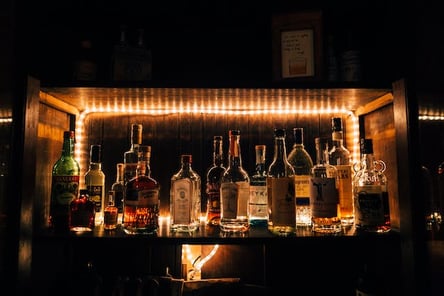 When setting up your home bar, one of the first things to consider is the perfect location. Look for an area in your home that is easily accessible and allows for comfortable seating. It could be a corner of your living room, a dedicated space in your basement, or even a converted closet. Make sure there is enough space to move around and socialize.
Another important factor is proximity to water and electricity. You'll need access to a sink for washing glassware and utensils, as well as power outlets for your appliances. Consider the layout of your home and choose a location that makes it convenient to connect to these essential utilities.
Lastly, think about the overall ambiance of the area. Is it a space that you and your guests will enjoy spending time in? Consider factors such as lighting, decor, and seating options to create a welcoming and comfortable atmosphere for your home bar.
Designing Your Home Bar to Reflect Your Style
Designing your home bar is an opportunity to let your personal style shine. Start by choosing a theme or aesthetic that speaks to you. Whether you prefer a sleek modern look or a cozy rustic vibe, make sure to incorporate elements that reflect your taste.
Consider the materials you want to use for your bar. Wood is a popular choice for a classic and timeless look, while metal and glass can add a contemporary touch. Don't forget to pay attention to the details, such as bar stools, lighting fixtures, and shelving units. These small touches can make a big difference in the overall design.
Another important aspect of designing your home bar is organization. Make sure to plan for storage space for your liquor bottles, glassware, and other bar essentials. Utilize shelves, cabinets, and drawers to keep everything neat and easily accessible.
Remember, the design of your home bar should not only be visually appealing but also functional. Keep in mind the flow of the space and ensure that everything is within reach for efficient bartending.
Essential Equipment and Tools for Your Home Bar
To create delicious cocktails and drinks at home, you'll need the right equipment and tools. Here are some essential items to consider for your home bar:
1. Cocktail shaker: A must-have for mixing and shaking drinks.
2. Jigger: A measuring tool to ensure precise proportions.
3. Mixing glass: Ideal for stirring cocktails with a long-handled spoon.
4. Strainer: Used to separate the liquid from ice or other solids.
5. Muddler: Essential for crushing herbs, fruits, and spices to release their flavors.
6. Bar spoon: A long, slender spoon used for stirring and layering drinks.
7. Citrus juicer: For fresh-squeezed juice in your cocktails.
8. Ice bucket and tongs: Keep your ice cubes handy and hygienic.
9. Glassware: Stock up on a variety of glasses, including highball, rocks, and martini glasses.
10. Cutting board and knife: For garnishing and slicing ingredients.
Investing in these essential tools will allow you to mix up your favorite cocktails like a pro.
Stocking Your Home Bar with a Variety of Spirits
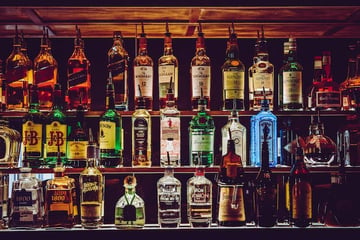
When it comes to stocking your home bar, having a variety of spirits is key. Here are some popular options to consider:
1. Bourbon: A classic choice for whiskey lovers, perfect for sipping or mixing in cocktails.
2. Vodka: A versatile spirit that can be used in a wide range of cocktails.
3. Gin: Ideal for refreshing cocktails like the classic gin and tonic or martini.
4. Rum: Whether light or dark, rum is essential for tropical cocktails.
5. Tequila: Perfect for margaritas and other tequila-based drinks.
6. Scotch: A sophisticated choice for whiskey connoisseurs.
7. Brandy: Great for after-dinner drinks and classic cocktails like the Sidecar.
8. Liqueurs: Consider stocking a few liqueurs like amaretto, triple sec, and coffee liqueur for added flavor in cocktails.
9. Bitters: A few different types of bitters can elevate the taste of your cocktails.
10. Vermouth: Essential for classic cocktails like the Manhattan and Martini.
Remember to choose spirits that you enjoy and that can be used in a variety of cocktails. It's also a good idea to have some non-alcoholic options available for guests who prefer not to drink.
Creating a Unique and Personalized Drink Menu
Now that you have your home bar set up and stocked with spirits, it's time to create a unique and personalized drink menu. Consider the following tips:
1. Signature cocktails: Come up with a few special cocktails that reflect your taste and style. Experiment with different flavor combinations and garnishes to make them stand out.
2. Classic cocktails with a twist: Put your own spin on classic cocktails by adding unique ingredients or presentation styles.
3. Seasonal specials: Change up your drink menu with the seasons. Offer refreshing cocktails in the summer and warm, cozy drinks in the winter.
4. Mocktails: Don't forget about guests who prefer non-alcoholic options. Create a selection of mocktails that are just as delicious and visually appealing as your alcoholic drinks.
5. Customizable options: Give your guests the opportunity to customize their drinks. Offer a variety of mixers, garnishes, and flavor options to cater to different preferences.
Remember to have fun with your drink menu and don't be afraid to get creative. Consider incorporating local or seasonal ingredients for a unique touch.
 Mixing Business and Pleasure: How the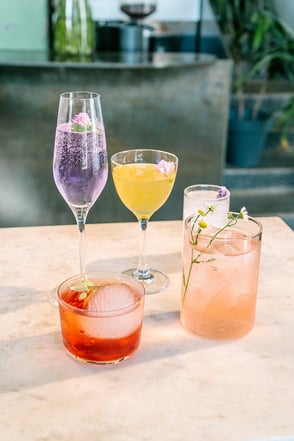
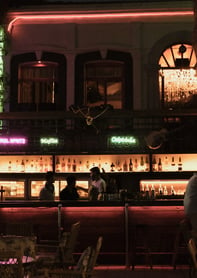 The traditional methods of liquor control and bar management have given way to a new era, one that revolves around digital innovation. As bars and nightclubs strive for efficiency and profitability, Liquor Inventory Apps and Bar Inventory Apps are taking center stage. In this article, we'll explore how these apps are redefining bar control and liquor management.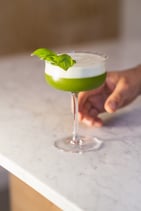
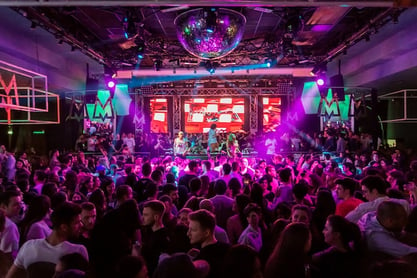
 Liquor Inventory for Country Clubs and Golf Courses: Enhancing Efficiency with Bar Inventory Apps and Software
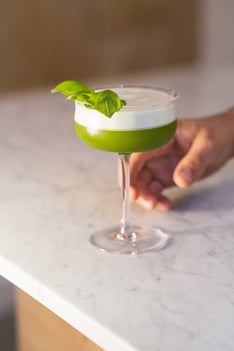 Chapter 7: The Art of Mixology