Liquor Inventory Experts

Tracking and Managing Liquor Inventory


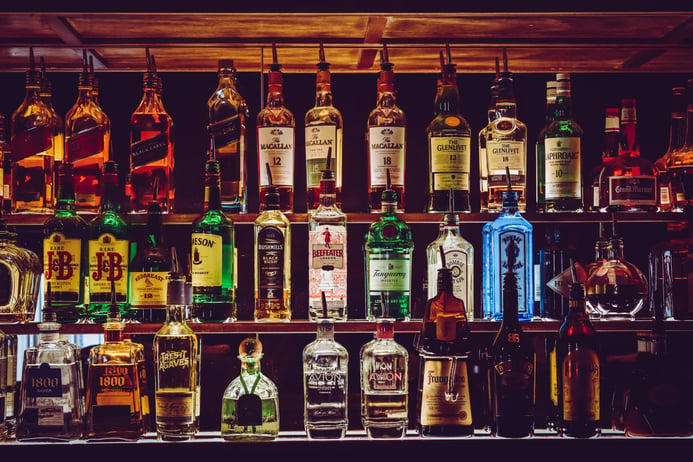
Liquor-InventoryTracking and managing liquor inventory is a critical aspect of running a successful bar. Effective management ensures accurate stock levels, reduces costs, prevents theft, and optimizes profitability. Let's explore some essential strategies for tracking and managing liquor inventory within a bar inventory system and liquor inventory system.

  1. Accurate Measurement: Begin by measuring and recording the initial stock levels of all liquor bottles. Use precise measuring tools such as scales or liquor meters to determine the exact quantities.

  2. Regular Inventory Counts: Conduct regular inventory counts to track the consumption of liquor. This can be done on a weekly, bi-weekly, or monthly basis. Compare the recorded quantities with the actual stock levels to identify any discrepancies.

  3. Categorization and Organization: Categorize liquor inventory by type, brand, and size. Organize the bottles in a systematic manner, making it easier to locate and count them during inventory checks.

  4. Standardized Pouring Methods: Implement standardized pouring methods and train bartenders to follow them consistently. This reduces wastage and ensures accurate portion control.

  5. Bar Inventory System: Utilize a reliable bar inventory system or inventory management software to streamline tracking and management processes. These systems can track sales, generate reports, and help with forecasting and ordering.

  6. Loss Prevention Measures: Implement measures to prevent liquor theft or unauthorized consumption. This includes securing storage areas, limiting access to authorized personnel, and monitoring inventory closely for any irregularities.

  7. Reordering and Stock Control: Analyze liquor consumption patterns and set par levels for each type of liquor. Establish a reordering system based on these par levels to prevent stockouts and ensure a continuous supply.

  8. Supplier Relationships: Cultivate strong relationships with liquor suppliers. Maintain open communication and negotiate favorable terms to ensure timely deliveries and competitive pricing.

  9. Training and Education: Provide training to staff members on the importance of accurate liquor inventory management. Educate them on proper handling, pouring techniques, and the significance of minimizing waste.

  10. Ongoing Analysis and Adjustment: Continuously analyze liquor inventory data, sales trends, and customer preferences. Make adjustments to your inventory management strategies based on this analysis to optimize stock levels and increase profitability.

In conclusion, tracking and managing liquor inventory is crucial within a bar inventory system and liquor inventory system. By implementing accurate measurement techniques, conducting regular inventory counts, utilizing technology, preventing losses, maintaining supplier relationships, and analyzing data, bars can efficiently track and manage their liquor inventory. This results in better cost control, enhanced customer service, and improved profitability for the establishment.

Topics: liquor inventory, Bar inventory, liquor theft, inventory control

Essential Bar Inventory Items and Supplies


Bar Inventory SystemWhen it comes to running a successful bar, having the right inventory items and supplies is crucial. A well-stocked bar ensures smooth operations, customer satisfaction, and profitability. Let's explore some essential items and supplies that play a vital role in bar inventory systems and liquor inventory systems.

  1. Liquor: The backbone of any bar, a wide selection of liquors is essential. This includes popular spirits like vodka, rum, gin, tequila, whiskey, and liqueurs. Bars should stock a variety of brands to cater to different preferences.

  2. Beer and Wine: A diverse beer and wine selection is important to meet the preferences of customers. Stock popular beers, both domestic and craft, as well as a range of red, white, and sparkling wines.

  3. Mixers and Garnishes: Mixers such as soda, tonic water, fruit juices, and bitters are essential for creating cocktails. Garnishes like citrus fruits, olives, cherries, and cocktail onions add the finishing touch to drinks and elevate the overall presentation.

  4. Glassware: Proper glassware is vital for serving various beverages. Stock a variety of glass types, including pint glasses, wine glasses, highball glasses, martini glasses, and shot glasses. This ensures the appropriate vessel for different drinks and enhances the drinking experience.

  5. Bar Tools: Equip the bar with essential tools such as shakers, jiggers, strainers, muddlers, bottle openers, bar spoons, and knives. These tools facilitate efficient drink preparation and enable bartenders to showcase their skills.

  6. Cleaning Supplies: A clean bar is essential for maintaining hygiene and meeting health standards. Stock cleaning supplies like disinfectants, bar towels, sponges, brushes, and sanitizers to ensure a tidy and safe environment.

  7. Inventory Management Software: To streamline bar inventory systems and liquor inventory systems, invest in inventory management software. These systems enable accurate tracking, recording, and analysis of inventory levels, helping with stock control, reordering, and preventing shortages.

  8. Security Measures: Implementing security measures like surveillance cameras, liquor bottle locks, and employee training on inventory control can help prevent theft and unauthorized consumption.

  9. POS System: A point-of-sale (POS) system is essential for efficient transactions and inventory management. It tracks sales, deducts items from inventory, and generates reports for better analysis and decision-making.

  10. Backup Supplies: Always have backup supplies on hand for emergencies or unexpected demand spikes. This includes extra bottles of popular liquors, spare glassware, and additional stock of frequently used mixers.

In conclusion, a well-stocked bar requires essential items and supplies for effective bar inventory systems and liquor inventory systems. By carefully managing these inventory components, bars can ensure smooth operations, meet customer demands, and maximize profitability. Implementing a bar inventory system, utilizing technology like inventory management software and POS systems, and maintaining security measures all contribute to efficient inventory control and a successful bar operation.

 
 Regenerate response

Topics: liquor inventory, Bar inventory, Scannabar Inventory system

Methods for Conducting Bar Inventory

Bar InventoryWhen it comes to conducting bar inventory, there are several effective methods that establishments can employ to ensure accurate tracking and control of their inventory, particularly in terms of "bar inventory" and "liquor inventory." Let's explore some of these methods in detail:

  1. Manual Counting: This traditional method involves physically counting each item in the bar inventory. Bar staff or managers manually record the quantities of liquor bottles, beer kegs, wine bottles, mixers, and other bar supplies. While time-consuming, manual counting provides a hands-on approach to verify inventory levels accurately.

  2. Barcode Scanning: Utilizing barcode scanning technology streamlines the inventory process. Each item is assigned a unique barcode, and a barcode scanner is used to scan items during the inventory count. This method enables quick and accurate recording of quantities, reducing human errors and saving time.

  3. Digital Inventory Management Systems: Bar owners can leverage digital inventory management software specifically designed for bar operations. These systems provide user-friendly interfaces to record and track inventory, generate reports, and analyze consumption patterns. Digital systems can also integrate with point-of-sale (POS) systems to automate inventory updates based on sales transactions.

  4. Weighing Systems: For liquid inventory like liquor, weighing systems offer an efficient method. Liquor bottles are placed on scales that are calibrated to measure the weight accurately. By subtracting the tare weight of the bottle, the system calculates the liquor content remaining. This method is particularly useful for tracking high-value liquor inventory.

  5. Periodic Spot Checks: In addition to regular inventory counts, periodic spot checks can help identify any discrepancies or potential issues. Bar managers randomly select specific items from the inventory and verify their quantities. This method provides an extra layer of control and helps ensure the accuracy of the overall inventory count.

  6. Integration with POS Systems: Integrating bar inventory management with POS systems offers real-time tracking of sales and inventory. As sales are made, the POS system deducts the corresponding items from the inventory automatically. This integration minimizes manual effort and provides accurate, up-to-date inventory information.

In conclusion, employing effective methods for conducting bar inventory is essential for accurate tracking and control, particularly regarding "bar inventory" and "liquor inventory." Whether through manual counting, barcode scanning, digital inventory management systems, weighing systems, periodic spot checks, or integration with POS systems, bars can optimize their inventory management processes and ensure the accuracy of their stock levels, leading to improved profitability and customer satisfaction.

Topics: liquor inventory, Bar inventory, bar inventory levels, Hotel Inventory

Importance of Accurate Bar Inventory Management

Liquor Inventory

Accurate management of bar inventory holds immense importance for the prosperity and profitability of any establishment in the vibrant hospitality industry. It entails the meticulous monitoring, recording, and control of all items within the bar, including liquors, beers, wines, mixers, garnishes, and other essential supplies. Understanding the significance of precise bar inventory management is crucial, especially when it comes to keywords like "liquor inventory," "bar inventory," and "liquor control." Let's delve into the reasons why accurate management in these areas is critical:

  1. Effective Liquor Inventory Control: A well-executed liquor inventory management system enables bars to exercise better control over their stock of alcoholic beverages. By accurately tracking liquor inventory levels and consumption patterns, bars can minimize losses due to theft, over-pouring, or wastage. This enhances the overall efficiency of liquor inventory control.

  2. Optimized Bar Inventory Management: Accurate bar inventory management extends beyond just liquor. It encompasses a comprehensive understanding and control of all items within the bar. By implementing efficient inventory tracking systems, bars can optimize their stock levels, reduce waste, and prevent stockouts. This approach enhances the overall profitability of the establishment.

  3. Cost Optimization in Bar Operations: Liquor is often a significant cost component for bars. Accurate liquor inventory management allows bars to control costs effectively. By identifying areas of excessive waste or unauthorized consumption, bars can take corrective measures to reduce costs and maximize profits. This ensures that the bar operates efficiently and remains financially viable.

  4. Preventing Liquor Theft and Pilferage: Bars are susceptible to liquor theft, which can have a substantial impact on profitability. Accurate liquor inventory management helps identify discrepancies between recorded sales and actual inventory levels. By promptly detecting and addressing potential issues like employee theft or unauthorized usage, bars can safeguard their inventory and minimize losses.

  5. Streamlined Ordering and Replenishment: Accurate bar inventory management facilitates efficient ordering and replenishment processes. By analyzing liquor consumption patterns and turnover rates, bars can make informed decisions about when and how much liquor to order. This prevents stockouts, ensures a constant supply of popular liquor items, and enhances customer satisfaction.

In summary, accurate management of liquor inventory and overall bar inventory is vital for optimizing costs, preventing theft, streamlining operations, and ensuring profitability. By implementing effective inventory tracking systems and employing strategies that focus on "liquor inventory," "bar inventory," and "liquor control," bars can operate efficiently, deliver exceptional customer experiences, and maximize their success in the competitive hospitality industry.

Topics: Bar Management, Liquor Inventory savings, Reducing Costs

25 ways to Prevent shrinkage at your bar

Man stealing money

Every week we are asked what are the ways bar owners could be losing money. We have come up with the 25 most common ways that your bar could be losing money.

1. Short Ring - Under-ring the correct price of item and pocket the
difference.

2. Phantom Register - Extra register put in bar and items not rung
in on main register.

3. Serve and collect while register is reading between shift
changes.

4. Claim a phony walk-out. Keep money received from
customer.

5. Phantom Bottle - Bartender brings in his own bottle and
pockets cash from the sale.

To get the rest of the list click here

To learn more how Scannabar's alcohol inventory software can start helping you save money today visit use at our website www.scannabar.com

Topics: inventory managers, Bar inventory, bartending schools, wine inventory, free pour, beer inventory, profit

4 Reasons Why You Need To Be Taking Inventory Of Your Liquor

Liquor inventory controlThere are countless reasons why one should be on top of their liquor inventory. Being in the business now for over 10 years here are the 4 most prominent points I have seen during that time.
  1. Get an actual inventory number. By taking inventory and updating your values you will go to sleep better at night knowing all your ducks are in a row. Along with having up to date inventory you should always have up to date inventory costs. This way you have a monetary value to your stock and you see that its not just stuff taking up space but actually the life blood of your business. Treat it like a stock you invest X and if you sell X for its full value you will receive Y. Which is a much better return then any Stock.
  2. Knowingwhat you have in inventory will allow you to know what your should be ordering to replenishingyour liquor products. This will allow you to accurately stock your shelves and not have overstock sitting on the shelf tying up money that you could be using for other things in your business like promotion and advertising.
  3. Negotiatingbetter buying prices. By knowing what you are using and what you normally order you can speak to your distributor and negotiate price deals allowing you to lower you bottom line and increase your profit.
  4. Taking inventory can allow you to see what shrinkage you are experiencingat your bar. If you have an opening inventory + all you purchases during the period - you closing inventory you can be 100% sure what your actual losses are. No more guess work allowing you to tackle the problem head on and get your business running at optimal profit.

These are just 4 reasons why you should be taking regular inventory. With all the technology out there today there are many tools that can and will simplify the process. Do your homework and find which works best for you. I guarantee you will sleep much better knowing your liquor inventory is being managed properly.

Topics: liquor inventory, liquor purchasing, managing liquor inventory cost, Liquor Inventory savings

Social Media and the Bar Industry

Bar Social MediaSocial Media is not a fad and will be the way people get messages across now, and even more so in the future.
The question is it right for everyone and every Bar. Maintaining a page is much more time consuming than one might think. If a page is not updated regularly it can harm your business more than help.

The questions you should ask yourself if you intend on opening up a Facebook or Twitter page is Why? Who? and how?

Why: Why are you starting a page. Your answer should not be because everyone else is doing it. You should take your time and figure out why you actually want a page and why will your page and business is different than all the others that are out there.

Who: Who will your page target. Is it existing clients, potential new clients. Your local neighborhood, the city at large. This will give you an idea of the type of content you should be posting on a weekly, daily basis.

How: How will you reach your taget market? Is it with promotions, weekly specials, open mic night, live bands. Its important that your page lets people inside your business and is the place where one will go to get information on what is happing there at any given time.

In the end jumping into social media is something one should embrace and treat as a new way to reach a larger scale of people for free or for minimal costs. Although do not just jump in blindly. Get yourself a plan and go from there I know you may just want to rush into it, but take your time try different things till you get it right. Once you do, and if you have a unique strategy you will be shocked at how people will respond. 

Topics: social media, nightclubs, bar, facebook, twitter

New Alcohol To Hit The Shelf January 2011

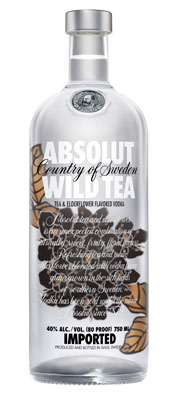
Absolute Vodka Wild TeaWith all the new Brands and flavors of alcohol and liquor coming out every day. We share with you The Shelf brought to you by our friends at Nightclub & Bar.

We will continue to bring you the latest in new Spirit releases in our industry.

Take a look at what is new on The Shelf in January 2011

Click Below

For more hospitality information checkout

Topics: spirits, bar, alcohol, liquor

4 Ways to Stay on top of the latest bar and nightclub trends

bar trendsIn any business you always need to manage your day to day properly, but one thing you always need to consider and always work on is staying current with the latest and upcoming trends.

Do your research on the latest food and beverage trends in the hospitality industry and you will find valuable information you can use in your business.


  1. You can pick up great additions to your food and drink menu. Going to larger markets and watching what they are serving as new cocktails can be a great help.
  2. Consider adding new categories of food on your menu. If you’re a standard fair restaurant maybe adding some tapas true to your current menu might help clients stop by for a drink and a small bite.
  3. Stay true to your core concept but add flavour from the new trends that are out there. Is there a Hot fruit on the market, incorporate it into your core drink lists. Example Pomegranate martinis or Daiquiris.
  4. Look at what popular marketing ideas are going on in bigger markets and different places and be the first to bring them into your local market.

In the end you are always competing with the other bars and nightclubs around you. If they come up with the idea first you will always be a step behind. The important thing with all trends you incorporate is you stay true to your core image. Trends come and pass you do not want to alter to much from something that is working you just need to tweak it now and then.

Topics: Bar trends, Nightclub trends, restaurant trends

Maslow’s hierarchy of human needs and the hospitality industry

Maslow's HierarchyIn the field of psychology there is a well known theory formulated by A.H Maslow called Maslow’s hierarchy which deals with human needs. Since as all hospitality operators, we deal with human beings, it is important we understand their psychological needs so they can better appreciate their experience at your place of business and we can assure ourselves of a satisfied customer that may return and also speak well to others about their enjoyable dining/drinking experience.


Maslow cites five basic psychological needs an average person should posses

A need for: physiological, safety, love & belonging, esteem and self actualization.

The first for needs are referred to as dependent needs because they are obtained from other people. Self-actualization comes from oneself. Hospitality operators should know and understand how these needs affect their guests and their experience in your hospitality environment.

A hospitality operator should realize that 2 of the needs, the physiological and the need for love most often have been met before the guest enters your place of business.

The physiological need means that if we do not have enough money to provide food for ourselves or our family, we will spend the greatest portion of our time trying to earn enough money or obtain food to satisfy this need.

The need for safety can play an important part in the success or failure of a hospitality business. Guests typically have satisfied the need for safety because they live in a community that makes them feel comfortable and fearless. However, some hospitality environments are located in areas which maybe considered a bit more dangerous thus this need may not be satisfied.

The need for love and belonging refers to being accepted by other people and groups. Most guests have made friends and formed associations with their peers. At times this need benefits the hospitality environment because our guests belong to groups that patronize restaurants, bars and hotels.

The key need all hospitality operators must satisfy is the fourth need: the esteem need. This need centers on self respect and can be also called the “ego” need. It means that you as a hospitality operator make the guest feel important by way of the respect you bring to them. An easy way to fill this need is by addressing the guest by their first name or even inquiring about their friends or family members.

The fifth need is the need for self actualization which comes from within the person. This is achieved when the person develops their maximum potential. As hospitality operators, we indirectly contribute to the development of this need because we have helped satisfy the need for self esteem

All hospitality must understand Maslow’s hierarchy to better understand their customers and add to the success of their business.

Topics: Maslow's Hierrarchy, Hospitality, Hospitality show