
Chapter 10: Nurturing Customer Relationships
In the final chapter of this bar journey, we explore the vital importance of nurturing strong customer relationships. Building loyal patrons who keep coming back for more is the key to sustaining the success of your bar in the long run. By focusing on excellent customer experiences and open communication, you can create a thriving community of enthusiasts who become your brand ambassadors.
First and foremost, create a warm and welcoming atmosphere that encourages guests to feel at home. Train your staff to greet every customer with a genuine smile and provide attentive service throughout their visit. Make it a point to remember regulars' names and their favorite drinks, showing that you value their patronage.
Engaging with your customers beyond their visits is equally essential. Leverage your bar's website and social media platforms to keep them informed about upcoming events, new menu additions, and promotions. Regularly respond to customer comments and messages, demonstrating that you value their feedback and opinions.
Now, let's discuss how bar inventory and bar inventory software play a role in nurturing customer relationships. Consistency is key to building trust with your patrons. Bar inventory software helps you maintain inventory levels, ensuring that your customers can enjoy their favorite drinks each time they visit.
Additionally, the software's data insights can offer valuable information on customer preferences. By analyzing sales trends, you can identify popular items and tailor promotions or special offers accordingly. Personalization goes a long way in making customers feel appreciated and valued.
Customer feedback is a goldmine of information. Encourage your patrons to share their thoughts about your bar and its offerings. Consider implementing customer satisfaction surveys or comment cards to gather feedback on their experiences. Take the time to review this feedback and make necessary improvements to address any concerns.
In conclusion, nurturing customer relationships is the cornerstone of a successful and thriving bar. Focus on creating a warm and welcoming environment, engage with your customers both in-person and online, and show them that their satisfaction matters. Utilize bar inventory software to maintain consistency and offer personalized experiences based on customer preferences. By fostering strong connections with your patrons, you'll build a loyal community that will continue to support and elevate your bar for years to come. Cheers to a bright future of lasting customer relationships and continued success!
Recent Posts
Topics: Bar inventory, Scannabar Inventory system, managing liquor inventory cost, Bar Management, Liquor Inventory savings, Bar Promotion
Chapter 9: Managing Finances and Operations In this crucial chapter, we delve into the financial and operational aspects of running a successful bar. Managing your finances efficiently and streamlining operations are key to maximizing profits and providing top-notch service to your valued customers.
Let's begin with financial management. Keeping a close eye on your bar's budget is essential for long-term success. Track your revenue and expenses diligently, including inventory costs, staff wages, rent, and marketing expenses. Utilize bar inventory software to gain real-time insights into your inventory expenditure, helping you make informed decisions on pricing and menu offerings.
Bar inventory software plays a pivotal role in optimizing your bar's finances. By accurately tracking ingredient usage and inventory levels, you can minimize waste and reduce overstocking, directly impacting your bottom line. The software's automated features make inventory management more efficient, freeing up time for your staff to focus on customer service.
In addition to financial management, operational efficiency is equally critical for a successful bar. Smooth operations ensure that your bar runs seamlessly during busy hours and special events, leading to a positive customer experience.
Bar inventory software facilitates better operations by providing comprehensive reports on your bar's performance. With this data, you can identify peak hours, predict busy periods, and adjust staffing levels accordingly. Streamlining operations helps prevent bottlenecks, enhances customer service, and increases your bar's overall productivity.
Furthermore, the software's ordering and restocking features enable you to maintain sufficient stock levels without excess inventory, ensuring you're prepared for busy nights without tying up unnecessary capital in inventory.
Regularly assess your bar's operations, seeking opportunities for improvement. Encourage open communication with your team to identify pain points and implement strategies for more effective workflows. A well-organized and motivated team contributes to smoother operations and an improved overall customer experience.
In conclusion, managing finances and operations are the backbone of a successful bar. Use bar inventory software to optimize inventory management, reduce costs, and improve efficiency. Pair it with meticulous financial tracking to ensure your bar's profitability and sustainability. By prioritizing financial responsibility and operational excellence, you'll create a bar that thrives, delights customers, and stands the test of time. Here's to your bar's continued success and prosperity!
Topics: bar profitability, managing liquor inventory cost, Bar Management, liquor control, liquor management, bar inventory app, bar operations
Chapter 8: Marketing and Promotion for your bar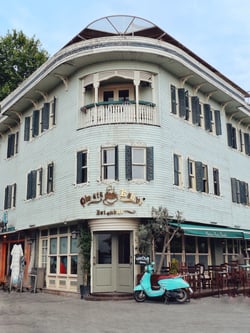
In this chapter, we explore the exciting realm of marketing and promotion for your bar. Effective marketing strategies are essential for attracting new customers, increasing foot traffic, and building a loyal clientele. Whether you're a new bar looking to make a splash or an established one seeking to reinvigorate your brand, a well-crafted marketing plan can make all the difference.
One of the first steps in marketing your bar is to establish a strong online presence. In today's digital age, potential customers often turn to the internet to discover new places to visit. Create a visually appealing and user-friendly website that showcases your bar's unique ambiance, menu offerings, and upcoming events. Optimize your website with relevant keywords related to bar inventory and bar inventory software to improve your online visibility.
Embrace the power of social media to connect with your audience and build a community around your bar. Share enticing images and videos of your signature cocktails, mouthwatering dishes, and vibrant atmosphere. Engage with your followers by responding to comments, running contests, and offering exclusive promotions.
Partnering with local influencers, bloggers, and media outlets can also amplify your bar's reach. Invite them to experience your bar and share their honest reviews with their audience. Positive reviews and word-of-mouth recommendations can significantly impact your bar's reputation.
Now, let's talk about how bar inventory and bar inventory software can play a role in marketing and promotion. Efficient inventory management can lead to cost savings, allowing you to invest in marketing initiatives and promotions. With bar inventory software, you can identify top-selling items and plan targeted promotions around them.
Promote unique events, such as themed nights, live performances, or happy hour specials, to draw in a diverse crowd and create buzz around your bar. Leveraging your bar inventory software's data insights, you can tailor promotions to specific customer preferences and interests.
Finally, consider partnering with local businesses and organizations to cross-promote each other's offerings. Collaborating with nearby restaurants, hotels, or event venues can expand your bar's visibility within the community and attract new customers.
In conclusion, marketing and promotion are crucial for the success of your bar. Establish a strong online presence, leverage social media, and engage with influencers to boost your bar's visibility. Embrace bar inventory software to optimize inventory management and invest in targeted promotions. With a well-executed marketing plan, your bar will thrive and become a go-to destination for patrons seeking exceptional experiences. Cheers to successful marketing that raises a glass to your bar's success!
Topics: liquor theft, managing liquor inventory cost, Bar Management, bar control, Bar Promotion, liquor control
 Chapter 7: The Art of Mixology
In this chapter, we dive into the fascinating world of mixology, where creativity, craftsmanship, and innovation blend to create delightful concoctions that tantalize the taste buds of your bar's patrons. From classic cocktails with a twist to signature drinks that define your bar's identity, mastering the art of mixology is a key ingredient in crafting an unforgettable bar experience.
The foundation of mixology lies in understanding the balance of flavors and the art of pairing various spirits, liqueurs, and fresh ingredients. Your bartenders will play a pivotal role in creating these masterpieces, so invest in their training and encourage experimentation. A well-trained mixologist can elevate the status of your bar, attracting cocktail enthusiasts and connoisseurs seeking unique libations.
To ensure the success of your mixology endeavors, maintaining a well-stocked bar inventory is paramount. This chapter emphasizes the significance of using bar inventory software to streamline the management of your ingredients. With a vast array of spirits, syrups, bitters, and fresh produce in your arsenal, bar inventory software allows your team to stay organized and efficient.
The software provides real-time updates on inventory levels, ensuring that essential ingredients are always available. As your bartenders craft cocktails, they can easily access information about the availability of ingredients and make data-driven decisions on substitutions when necessary.
Additionally, bar inventory software aids in the creation of a curated and cost-effective cocktail menu. By analyzing sales data and ingredient usage, you can identify the most popular cocktails and focus on promoting those. Moreover, it helps you pinpoint items that may have low demand, allowing you to adjust your menu and reduce waste.
As a bar owner or manager, embracing the art of mixology and integrating bar inventory software can revolutionize your cocktail program. Investing in the tools and training required to excel in mixology will enhance your bar's reputation and elevate the overall customer experience. So, shake, stir, and savor the creativity that mixology brings, while ensuring that your bar inventory is efficiently managed with the help of reliable software. Cheers to an extraordinary cocktail journey for your patrons!
Topics: Drink Recipes, liquor inventory system, bar inventory software, bar inventory app, liquor inventory app, mixology
 Chapter 6: Building a Stellar Team
Behind every successful bar is a team of dedicated and skilled individuals who contribute to its vibrant atmosphere and exceptional service. In this chapter, we'll explore the art of building a stellar team that shares your passion for the industry and is committed to creating memorable experiences for your customers.
The first step in assembling your dream team is defining the roles and responsibilities required to run your bar smoothly. Consider positions such as bartenders, servers, hosts, barbacks, and kitchen staff, depending on the size and scope of your establishment. Each role plays a vital part in delivering top-notch service to your patrons.
When hiring, look for individuals with a genuine love for the hospitality industry and a friendly, positive attitude. Experience is valuable, but an enthusiastic and eager-to-learn mindset can often be more essential. Your team's attitude and demeanor significantly influence the atmosphere of your bar, so prioritize hiring individuals who can create a welcoming and inviting environment.
Once you've assembled your team, invest time in training and development. Provide comprehensive onboarding that covers your bar's values, culture, and service standards. Ongoing training sessions, workshops, and team-building activities can enhance skills, foster camaraderie, and boost morale.
Now, let's discuss how bar inventory and bar inventory software play a role in supporting your team. Efficient inventory management is essential for a well-functioning bar, and it directly impacts your team's ability to serve customers seamlessly. Bar inventory software simplifies this process, allowing your team to focus on delivering exceptional service rather than worrying about inventory-related tasks.
With bar inventory software, your bartenders can access real-time stock levels and ingredient availability, which helps them create drinks efficiently. The software's automated tracking and reordering capabilities ensure that your team always has the necessary supplies on hand, reducing downtime and preventing customer disappointment.
Furthermore, bar inventory software can empower your team to contribute to cost-saving efforts. With accurate data on usage and wastage, they can identify opportunities for improvement, such as portion control and mindful ingredient usage, which ultimately impacts the bar's profitability.
In conclusion, building a stellar team is a crucial aspect of running a successful bar. Hiring passionate individuals, providing comprehensive training, and fostering a positive work environment contribute to exceptional service and a welcoming atmosphere. Combined with bar inventory software for efficient inventory management, your team can focus on what they do best: creating delightful experiences for your valued customers. Cheers to a united and skilled team that takes your bar to new heights!
Topics: Bar inventory, Bar Management, Liquor Inventory savings, bar inventory system, liquor control, bar inventory app
Chapter 5: Designing Your Bar's Atmosphere
Creating the perfect atmosphere in your bar is an art that can make or break the overall experience for your customers. This chapter delves into the essential elements of designing an inviting and unique ambiance that leaves a lasting impression on anyone who walks through your doors.
Lighting sets the mood in any space, and your bar is no exception. Consider the type of atmosphere you want to create – whether it's cozy and intimate or lively and energetic. Dimmable lights and strategically placed fixtures can help you achieve the desired ambiance, allowing you to adjust the lighting as the evening progresses.
Furniture and decor play a vital role in shaping the aesthetics of your bar. From sleek and modern to rustic and vintage, choose a style that complements your bar's concept. Comfortable seating arrangements encourage customers to relax and stay longer, while eye-catching decor pieces can add personality and character to the space.
Music selection is another significant aspect of creating the right atmosphere. The music should complement the vibe of your bar and cater to your target audience. Whether it's a live band, curated playlists, or a mix of both, the right music can elevate the overall experience and encourage patrons to return.
Now, let's discuss how bar inventory and bar inventory software play a role in maintaining your bar's atmosphere. A well-designed bar atmosphere goes hand in hand with efficient operations, and that includes keeping your inventory well-stocked and organized. Bar inventory software streamlines this process, ensuring you always have the right ingredients and supplies on hand to serve your customers promptly.
By using bar inventory software, you can set par levels for each item, automatically generate purchase orders, and receive real-time alerts when stock levels are low. This level of control helps prevent inventory shortages and minimizes downtime, allowing your bartenders to focus on creating exceptional drinks and providing top-notch service.
Additionally, efficient inventory management translates to cost savings. By optimizing your inventory, you can reduce waste, prevent overstocking, and make informed decisions about menu pricing. The financial benefits of using bar inventory software contribute to the overall success of your establishment.
In conclusion, designing your bar's atmosphere is an art that involves careful consideration of lighting, furniture, decor, and music. A well-thought-out ambiance enhances the customer experience and encourages repeat visits. When combined with bar inventory software for efficient inventory management, you ensure a seamless operation that keeps your bar running smoothly, ultimately leading to satisfied customers and increased profitability. Cheers to a thriving bar with an ambiance that leaves a lasting impression!
Topics: Bar inventory, Scannabar Inventory system, bartenders you can trust, Bar Management, bar location, bar inventory app
Chapter 4: Crafting the Perfect Bar Menu
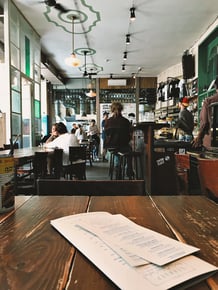
The bar menu is the heart and soul of your establishment. In this chapter, we'll explore the art of crafting a compelling bar menu that delights your customers and keeps them coming back for more. From signature cocktails to a well-curated selection of beers and wines, your menu plays a pivotal role in defining the experience you offer.
When creating your bar menu, it's essential to strike a balance between innovation and familiarity. While unique, handcrafted cocktails can be a major draw, don't underestimate the allure of classic favorites that customers know and love. A diverse menu that caters to various tastes and preferences will ensure that there's something for everyone.
Seasonality can also play a significant role in shaping your bar menu. Consider incorporating fresh, local ingredients that align with the changing seasons. Not only does this add an element of excitement and anticipation for your regulars, but it also showcases your bar's commitment to quality and sustainability.
Now, let's talk about bar inventory and bar inventory software concerning your menu. Maintaining a well-organized and up-to-date inventory is essential to serving your menu items consistently and efficiently. Bar inventory software comes into play by streamlining this process, enabling you to track ingredient usage, monitor stock levels, and forecast future needs.
With bar inventory software, you can easily identify top-selling items, understand which cocktails or drinks are driving the most revenue, and make data-driven decisions on pricing and promotions. This valuable insight allows you to optimize your menu, focusing on the most profitable items while still catering to your customers' preferences.
Moreover, bar inventory software can help you stay on top of inventory counts, reducing the risk of overstocking or running out of essential ingredients. By minimizing wastage and ensuring a steady supply of ingredients, you maintain a cost-effective operation that positively impacts your bottom line.
In conclusion, crafting the perfect bar menu involves a delicate balance of creativity, familiarity, and seasonal touches. By offering a diverse range of options and staying attuned to customer preferences, you'll create a menu that entices and satisfies. Coupled with efficient bar inventory software, you'll have the tools to manage your inventory seamlessly, optimize your offerings, and boost your bar's profitability. Cheers to a menu that leaves a lasting impression on your patrons!
Topics: Bar inventory, managing liquor inventory cost, profit, opening a bar, pricing drinks, managing liquor costs, bar inventory software, bar inventory app
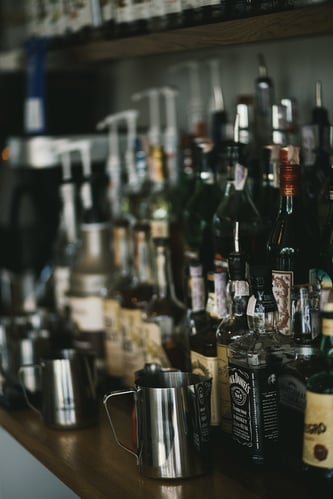 Chapter 3: Location, Location, Location
When it comes to opening a bar, choosing the right location can make all the difference. This chapter explores the importance of finding the perfect spot for your bar and how it can contribute to your success in the competitive hospitality industry.
The first factor to consider when selecting a location for your bar is foot traffic. Look for areas with high pedestrian activity, such as bustling downtown areas, popular shopping districts, or vibrant neighborhoods. A steady flow of potential customers passing by your bar increases the chances of attracting new patrons and generating consistent business.
Competition is another crucial aspect to evaluate. While some level of competition can indicate a thriving market, it's important to find a location where you can stand out and offer something unique. Research existing bars in the area and assess their target audience, concept, and atmosphere. Identify gaps in the market that you can fill or consider differentiating yourself through a specialized theme, signature cocktails, or exceptional service.
The overall vibe of the neighborhood plays a significant role in the success of your bar. Consider the demographic of the area and whether it aligns with your target audience. For instance, a trendy, up-and-coming neighborhood might attract a younger crowd interested in craft cocktails and live music, while a more established residential area might cater to a more relaxed, family-oriented clientele. Understanding the local culture and preferences will help you create a bar that resonates with the community.
Now, let's talk about bar inventory and bar inventory software. Once you've secured a location, effective inventory management becomes crucial to your bar's profitability. Bar inventory software can simplify this process by providing real-time tracking of stock levels, helping you optimize purchasing decisions and reduce waste.
With bar inventory software, you can easily monitor the usage of ingredients, track sales trends, and generate detailed reports. This data-driven approach allows you to make informed decisions about menu offerings, pricing, and reordering. By efficiently managing your inventory, you can minimize costs and maximize profits.
In conclusion, choosing the right location is key to the success of your bar. Consider factors such as foot traffic, competition, and the neighborhood's vibe when making your decision. Additionally, implementing bar inventory software ensures efficient inventory management, leading to better cost control and profitability. By optimizing both your physical location and inventory processes, you'll set a solid foundation for a thriving bar business.
Topics: Bar inventory, bar inventory levels, bar profitability, managing liquor inventory cost, opening a bar, bar location, bar inventory system, bar inventory software, bar inventory app
Chapter 2: Navigating Licenses and Permits When it comes to opening a bar, one of the most important aspects to consider is obtaining the necessary licenses and permits. This chapter will guide you through the complex world of legal requirements, ensuring that you have all the paperwork in order to operate your establishment smoothly and legally.
Obtaining licenses and permits can vary depending on your location, so it's crucial to research the specific regulations in your area. From liquor licenses to health permits, you'll need to understand the specific requirements and processes involved.
One critical aspect of running a bar is managing your inventory effectively. Keeping track of the stock levels, tracking usage, and ensuring timely restocking are vital for smooth operations. This is where bar inventory management software can be a game-changer.
Bar inventory software is designed to streamline the inventory management process, making it more efficient and accurate. With advanced features like barcode scanning, real-time updates, and comprehensive reporting, it enables you to monitor your stock levels with ease. This software also helps in identifying trends, minimizing waste, and optimizing purchasing decisions.
Implementing bar inventory software can save you time, reduce errors, and ultimately improve profitability. It provides a centralized system for inventory control, eliminating the need for manual spreadsheets or guesswork. By automating tasks such as order generation and tracking, it allows you to focus more on providing exceptional customer experiences.
When selecting bar inventory software, consider factors such as user-friendliness, compatibility with your POS system, and scalability as your business grows. It's worth exploring different options and reading customer reviews to find a solution that aligns with your specific needs.
In conclusion, obtaining the necessary licenses and permits is a crucial step in opening a bar. Additionally, implementing bar inventory software can revolutionize the way you manage your inventory, providing efficiency, accuracy, and improved profitability. By staying informed on legal requirements and embracing technology, you'll navigate through this chapter successfully, setting a strong foundation for your bar's operations.
Topics: Bar inventory, bar inventory levels, bar inventory system, liquor control, bar inventory software
Chapter 1: Dreaming of a Bar
Ah, the dream of opening a bar! It all begins with a flicker of inspiration, a desire to create a space where people can come together, unwind, and indulge in their favorite libations. This chapter is all about embracing that initial spark, nurturing your passion, and laying the foundation for your bar venture.
Picture it: the laughter, the clinking of glasses, the vibrant energy in the air. The dream of a bar is often fueled by a love for socializing and a deep appreciation for the art of mixology. You imagine a place where friends, old and new, gather to share stories, celebrate milestones, or simply enjoy a momentary escape from the everyday grind.
But dreams alone aren't enough. This chapter reminds you that turning your vision into reality requires careful planning and research. It's about recognizing the challenges and opportunities that lie ahead, and taking the necessary steps to bring your dream to life.
You'll start by exploring your motivations and goals for opening a bar. Is it about creating a cozy neighborhood pub or an upscale cocktail lounge? Are you driven by a passion for craft beer or a love for inventive cocktails? Clarifying your vision will serve as a guiding light throughout the entire process.
Next, you'll delve into market research. Understanding your target audience, local competition, and industry trends will help you carve out a unique space in the market. You'll assess the demand for your concept and identify potential gaps to fill.
Of course, financial considerations come into play as well. This chapter prompts you to conduct a preliminary assessment of costs involved in opening a bar, from securing a location to purchasing equipment and obtaining licenses. It's essential to develop a realistic budget and explore potential funding options early on.
Lastly, this chapter encourages you to surround yourself with a network of support. Seek advice from experienced bar owners, connect with industry professionals, and consider partnering with individuals who share your passion and complement your skill set.
In the end, this chapter reminds you that dreaming of a bar is just the beginning. It's about embracing that initial spark and channeling it into action. So, put pen to paper, visualize your dream, and let the adventure unfold as you embark on the path towards opening your own bar. Cheers to your dreams becoming a reality!
Topics: Bar inventory, Bar trends, NightClub Management, Lineup control, Bar Management, Nightclub Consulting, Control