Liquor Inventory Experts

Real-Time Stock Monitoring: Cut Costs with Scannabar Inventory

Discover how real-time inventory tracking can slash your bar and restaurant costs by up to 30% while eliminating waste and preventing theft.

The Hidden Money Drains in Your Bar Inventory

Running a bar or restaurant during times of high inflation presents unprecedented challenges. While most owners focus on menu pricing and labor costs, a silent profit killer lurks in plain sight: poor inventory management. Every day, bars lose thousands of dollars through over-pouring, theft, spoilage, and ordering inefficiencies that go unnoticed until they've already devastated your profit margins.The image depicts a sleek modern bar in a luxurious hotel illuminated by soft ambient lighting that highlights a wide array of premium spirits display-1

The typical bar loses between 20-25% of its inventory to various forms of shrinkage. That means for every $100,000 in liquor purchases, up to $25,000 simply vanishes. During inflationary periods when supplier costs are rising 10-15% annually, these losses compound exponentially. A bottle that cost $30 last year now costs $35, making each lost ounce even more painful to your bottom line.

Traditional manual inventory counts, performed weekly or monthly, create massive blind spots in your operations. By the time you discover discrepancies, it's too late to identify the cause or prevent future losses. Staff members may be inadvertently over-pouring during busy shifts, or worse, intentionally giving away free drinks. Products may be expiring on shelves while you continue ordering duplicates. Without real-time visibility, you're essentially operating in the dark while your profits leak away drop by drop.

How Real-Time Monitoring Transforms Your Bottom Line

Real-time inventory monitoring fundamentally changes the economics of bar operations by providing instant visibility into every bottle, keg, and ingredient. Instead of discovering problems weeks after they occur, you can identify and address issues immediately—often within the same shift. This immediacy transforms inventory management from a reactive accounting exercise into a proactive profit protection system.

When you know exactly what's being poured, sold, and remaining at any given moment, you gain unprecedented control over your cost of goods sold (COGS). Smart inventory systems automatically compare pour data against POS sales, instantly flagging discrepancies that might indicate theft, over-pouring, or unrecorded sales. This level of oversight doesn't require micromanaging staff; the system does the monitoring automatically, freeing managers to focus on customer service and business growth.

The financial impact is substantial and measurable. Establishments implementing real-time inventory monitoring typically reduce their liquor costs by 3-5 percentage points within the first few months. For a bar generating $500,000 in annual revenue with 25% liquor costs, that represents $15,000-$25,000 in recovered profit annually. During high inflation, these savings don't just improve profitability—they often mean the difference between staying competitive and going out of business.

Beyond theft prevention, real-time monitoring optimizes purchasing decisions. You'll never over-order slow-moving products or run out of popular items during peak periods. The system tracks consumption patterns and predicts needs based on historical data and upcoming events. This precision eliminates emergency orders at premium prices and reduces capital tied up in excess inventory, improving cash flow when it matters most.

Scannabar Technology: Your Digital Inventory Assistant

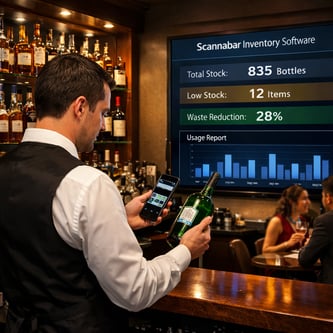
Scannabar represents the next generation of inventory management, combining mobile technology, barcode scanning, and cloud-based analytics to create a comprehensive solution specifically designed for bars and restaurants. Unlike generic inventory systems, Scannabar understands the unique challenges of beverage management—from tracking partial bottles to managing complex cocktail recipes with multiple ingredients.

The system works through an intuitive mobile app that turns any smartphone or tablet into a powerful inventory tool. Staff simply scan bottle barcodes to record inventory levels, receiving counts, and usage. The process that once took hours with clipboard and pen now takes minutes with pinpoint accuracy. Scannabar's database includes over 100,000 beverage products, automatically populating product information, pricing, and supplier details with each scan.

What sets Scannabar apart is its intelligent analytics engine. The platform doesn't just record numbers—it identifies patterns, predicts problems, and recommends actions. You'll receive alerts when inventory levels fall below optimal thresholds, when variance between usage and sales exceeds acceptable ranges, or when products are approaching expiration dates. These proactive notifications enable you to address issues before they become costly problems.

Integration capabilities make Scannabar even more powerful. The system connects with your existing POS system, accounting software, and supplier ordering platforms, creating a unified ecosystem that eliminates data entry redundancy and ensures accuracy across all systems. Recipe management features automatically calculate theoretical usage based on sales, providing the baseline against which actual usage is measured to identify discrepancies instantly.

From Chaos to Control: Implementing Smart Inventory Systems

Transitioning from manual inventory processes to a smart system like Scannabar requires planning, but the implementation is far simpler than most owners anticipate. The key to success lies in approaching the change systematically, starting with a complete baseline inventory count. This initial audit establishes your starting point and often reveals surprising insights about slow-moving stock, duplicate products, and organizational inefficiencies.

Staff training is critical but straightforward. Most team members become proficient with Scannabar within a single shift because the interface mirrors familiar smartphone apps they use daily. The scanning process is intuitive: point, scan, confirm. Start by training managers and lead bartenders who can champion the system and assist other staff members during the transition period. Create a culture where accurate inventory is viewed as a team responsibility rather than management oversight.

Establish clear protocols for when and how inventory is conducted. Many successful bars perform quick spot checks at shift changes, taking just 2-3 minutes to scan high-value items and verify counts match expectations. Comprehensive full inventories might occur weekly or bi-weekly, depending on volume and complexity. The real-time nature of Scannabar means you're always working with current data, not waiting for scheduled count days to understand your inventory position.

Resistance to change is natural, especially from long-tenured staff comfortable with existing processes. Address concerns directly by emphasizing how the system makes their jobs easier—no more manual counting, no more spreadsheet errors, no more guessing about par levels. Share success metrics early and often, celebrating improvements in accuracy, reduced waste, and recovered profits. When staff see tangible results, they become advocates for the system rather than skeptics.

Measuring Success: ROI and Performance Metrics That Matter

The return on investment for Scannabar inventory systems is both rapid and substantial. Most establishments achieve full ROI within 3-6 months through reduced shrinkage, optimized ordering, and labor savings. A mid-sized bar investing $200-300 monthly in Scannabar typically recovers $1,000-2,000 monthly through eliminated waste and theft alone—a 400-600% return that continues month after month, year after year.

Track specific key performance indicators to quantify your success. Your liquor cost percentage should decrease by 2-5 points as accuracy improves and losses decline. Inventory turnover ratios should increase as you optimize par levels and eliminate slow-moving stock. Variance between theoretical and actual usage—the gold standard metric for inventory control—should consistently remain below 3% once the system is fully implemented and staff are trained.

Labor efficiency provides another measurable benefit. Manual inventory counts that previously consumed 4-8 hours weekly now take 30-60 minutes with Scannabar's scanning technology. That's 15-30 hours monthly redirected toward revenue-generating activities like customer service, event planning, or staff development. At an average management labor cost of $25-35 per hour, that represents $375-1,050 in monthly labor savings alone.

Perhaps most importantly during inflationary periods, measure your gross profit per square foot and per labor hour. These efficiency metrics reveal whether you're truly becoming more profitable or simply maintaining margins while costs rise. Establishments using Scannabar typically see gross profit improvements of 15-30% within the first year—not from raising prices, but from eliminating the hidden drains that were silently eroding profitability all along. In an economic environment where every dollar counts, that kind of operational excellence isn't just nice to have—it's essential for survival and growth.

Topics: Bar inventory, Scannabar Inventory system, Best Bar Inventory app, Best Liquor Inventory app, Cruise ship bar inventory, Country Club Liquor Inventory, Scannabar inventory app, Scannabar Inventory Software

Top Aged Rum Recommendations for Sipping and Enjoyment

Discover the world's finest aged rums that transform every sip into a luxurious experience, perfect for elevating your hospitality offerings and delighting discerning guests.

Understanding What Makes Aged Rum Exceptional

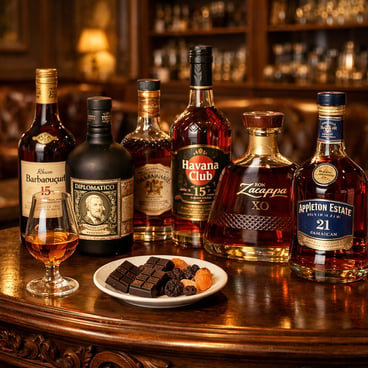
Aged rum stands apart from its younger counterparts through a complex maturation process that transforms raw spirit into liquid gold. The aging process, which takes place in oak barrels, allows the rum to develop deep, nuanced flavors that simply cannot be rushed. During this time, the spirit interacts with the wood, drawing out vanilla, caramel, and spice notes while mellowing harsh alcohol edges. Climate plays a crucial role—rums aged in tropical environments mature faster due to higher temperatures and humidity, experiencing what's known as the 'angel's share' at accelerated rates.The image features an elegant wooden bar intricately carved and polished to a warm sheen showcasing an array of premium aged rums Each bottle is disti-1

The quality of aged rum depends on several critical factors beyond just time in barrel. The type of still used (pot still versus column still), the base material (molasses versus fresh sugarcane juice), and the barrel's previous contents all contribute to the final flavor profile. Premium aged rums often employ a solera system or carefully selected single barrels to ensure consistency and exceptional quality. Understanding these foundational elements helps you distinguish between a rum meant for sipping neat and one better suited for cocktails—sipping rums showcase complexity and refinement, while mixing rums provide robust flavors that can stand up to other ingredients.

When selecting an aged rum for sipping, look for expressions aged at least 8-12 years, though some exceptional bottles may be younger if aged in tropical climates. The best sipping rums display balance, complexity, and a smooth finish without harsh burn. For cocktails, aged rums in the 3-7 year range often provide the best value and flavor contribution without overwhelming mixed drinks. These bottles deliver character and depth to classics like Old Fashioneds and Mai Tais while remaining economically viable for high-volume bar service.

Premium Aged Rums That Belong in Every Bar Collection

For sipping, certain aged rums have earned legendary status among connoisseurs and hospitality professionals. Zacapa 23 from Guatemala offers a sophisticated solera-aged blend with notes of honeyed butterscotch, spiced oak, and dried fruit—a crowd-pleaser that introduces guests to premium rum. Diplomatico Reserva Exclusiva from Venezuela delivers rich caramel, toffee, and orange peel flavors in a velvety package. For those seeking Caribbean heritage, Mount Gay XO from Barbados provides a drier, more complex profile with tropical fruit, vanilla, and toasted almond notes that appeal to whiskey drinkers.

El Dorado 15 Year from Guyana represents exceptional value in the sipping category, offering deep molasses richness balanced with brown sugar, toffee, and subtle smoke from the Demerara stills. Appleton Estate 21 Year from Jamaica showcases the island's distinctive style with pronounced fruit esters, warm spices, and coffee undertones. For special occasions, consider Ron Centenario 25 Year from Costa Rica or Havana Club Selección de Maestros from Cuba—both deliver unforgettable experiences that justify their premium price points.

When building a cocktail rum collection, different priorities emerge. Plantation 5 Year and Plantation Original Dark provide excellent mixing bases with sufficient age and character at reasonable price points. El Dorado 8 Year offers robust Demerara flavor that enhances tiki drinks without breaking the budget. Appleton Estate Signature Blend and Mount Gay Eclipse deliver authentic Caribbean character perfect for daiquiris and mojitos. For dark and stormy cocktails or rum punches, Gosling's Black Seal—while not heavily aged—provides the bold molasses backbone these drinks require. Having both aged sipping rums and quality mixing rums ensures you can meet diverse guest preferences and cocktail menu requirements.

Tasting Notes and Flavor Profiles to Enhance Guest Experiences

Educating your staff and guests about rum flavor profiles transforms simple service into memorable experiences. Spanish-style rums (from Venezuela, Guatemala, Panama) typically present lighter, sweeter profiles with prominent vanilla, caramel, and butterscotch notes—ideal for guests transitioning from cognac or bourbon. English-style rums (Jamaica, Barbados, Guyana) offer fuller bodies with more pronounced molasses, tropical fruit, and spice characteristics. French rhum agricole (Martinique, Guadeloupe) made from fresh cane juice rather than molasses provides grassy, vegetal notes with bright complexity that surprises wine enthusiasts.

When guiding guests through tasting experiences, highlight the aromatic journey first. Aged rums release layers of scent—start with fresh oak and vanilla, then discover dried fruits, baking spices, chocolate, coffee, or tobacco leaf notes. On the palate, premium aged rums should feel smooth and coating, with flavors that build and evolve rather than hitting all at once. The finish—how long pleasant flavors linger after swallowing—separates exceptional bottles from merely good ones. A well-aged rum continues revealing new dimensions minutes after the last sip.

For cocktail service, understanding flavor profiles helps with strategic pairing. Lighter Spanish-style rums work beautifully in stirred cocktails like rum Old Fashioneds or rum Manhattans, where subtle complexity shines through. Fuller-bodied English-style rums stand up to citrus in daiquiris and punch-style drinks, their robust character cutting through sweetness and acidity. When guests ask for recommendations, match rum styles to their existing preferences—bourbon lovers often gravitate toward full-bodied Jamaican or Guyanese rums, while vodka drinkers may prefer cleaner Spanish-style expressions. This personalized approach builds trust and encourages exploration of your rum collection.

Proper Serving Techniques for Maximum Appreciation

Serving aged rum properly honors the craftsmanship behind each bottle and ensures guests experience the full flavor potential. For sipping rums, temperature matters significantly—serve neat at room temperature (65-70°F) in a tulip-shaped glass or Glencairn-style nosing glass that concentrates aromas. Avoid serving premium aged rums ice cold, as this numbs the palate and masks delicate flavors. If guests prefer their rum slightly chilled, a single large ice cube or sphere melts slowly and provides gentle cooling without excessive dilution.

The ritual of presenting and serving aged rum creates theater that justifies premium pricing. Pour a standard 1.5-2 ounce serving, allowing guests to appreciate the color and viscosity—legs running down the glass indicate body and potential sweetness. Encourage guests to nose the rum first, identifying aromas before tasting. Suggest they take a small initial sip to acclimate their palate, then a second, larger sip to fully experience the flavor development. Provide water on the side—a few drops can open up the spirit and reveal hidden notes, similar to whiskey service.

For cocktails featuring aged rum, adjust your mixing techniques to showcase the spirit. Use the 'throw' method for drinks like daiquiris to achieve proper dilution and temperature without over-aerating. When stirring rum Old Fashioneds, use larger ice cubes and stir just until properly chilled—about 30 seconds—to maintain the rum's viscosity and mouthfeel. Express citrus oils over the finished drink rather than muddling them into the shaker, which can create bitter notes that clash with aged rum's sweetness. Garnish thoughtfully with ingredients that complement rather than compete—orange peel, amarena cherries, or fresh grated nutmeg enhance rather than overwhelm aged rum cocktails.

Pairing Aged Rum with Food and Occasions

Aged rum's versatility makes it exceptional for food pairing across diverse dining occasions. The caramel and vanilla notes in Spanish-style aged rums create natural affinity with desserts—try pairing with crème brûlée, flan, chocolate torte, or bread pudding for harmonious sweetness that doesn't overwhelm. Fuller-bodied rums complement rich, savory dishes like slow-roasted pork, jerk chicken, or grilled beef, where the spirit's complexity matches the food's intensity. Blue cheese, aged Gouda, and dark chocolate provide classic pairings that sophisticated guests appreciate during after-dinner service or private events.

Consider seasonal and cultural contexts when featuring aged rum. Winter holidays call for fuller, spicier expressions served alongside roasted nuts, fruitcake, or mince pies—the warming qualities suit cold-weather gatherings. Summer occasions benefit from lighter Spanish-style rums paired with tropical fruits, coconut-based desserts, or grilled seafood. For cigar service, offer robust Jamaican or Guyanese rums aged 12 years or more—their bold flavors stand up to premium tobacco without competition. Private tastings and educational events work beautifully with flight presentations, pairing three to five rums with complementary small bites that illustrate flavor progression.

Creating signature experiences around aged rum elevates your venue's reputation and builds guest loyalty. Consider monthly rum tastings featuring different production regions or aging techniques. Develop cocktail menus that showcase aged rums in both classic preparations and innovative creations—this demonstrates range and expertise. Train bartenders to tell each rum's story, from distillery heritage to unique production methods, transforming every pour into an engaging narrative. By positioning aged rum as a premium spirit worthy of the same respect as fine whiskey or cognac, you tap into growing consumer interest while differentiating your beverage program from competitors who overlook this remarkable category.

Topics: mixology, craft cocktails, aged rum, rum, rum inventory, sipping rum

How to Choose Your First Single Malt Whisky

Discover the art of selecting your first single malt whisky with expert guidance that transforms beginners into confident connoisseurs at your favorite hospitality destination.

Understanding the Essence of Single Malt Whisky

Single malt whisky represents one of the most refined and celebrated spirits in the world, distinguished by its production process and heritage. Unlike blended whiskies that combine spirits from multiple distilleries, a single malt comes from one distillery and is made exclusively from malted barley, water, and yeast. This singular focus allows the distillery's unique character, craftsmanship, and terroir to shine through in every bottle.

A dimly lit bar with polished wooden surfaces and shelves lined with an array of whisky bottles each reflecting the soft glow of ambient lighting A baThe term 'single malt' doesn't mean the whisky comes from a single barrel or batch—it simply means all the whisky in the bottle was produced at one distillery. The spirit must be distilled in pot stills and aged in oak casks for a minimum of three years in Scotland, though many single malts mature for much longer. This aging process in wooden barrels is where much of the whisky's complexity, color, and flavor develops, as the spirit interacts with the wood and the surrounding environment.


For beginners, understanding this foundation helps demystify the category and sets realistic expectations. Single malt whisky is a journey of discovery, with each distillery offering its own signature style shaped by ingredients, production methods, barrel types, and aging conditions. Starting with this knowledge empowers you to appreciate the craftsmanship behind each dram and approach your first selection with informed curiosity rather than intimidation.

Regional Flavor Profiles That Shape Your Experience

Scotland's whisky-producing regions each offer distinctive flavor profiles that can guide your first purchase. The Highlands, Scotland's largest region, produces diverse whiskies ranging from light and floral to rich and full-bodied. Speyside, technically part of the Highlands but recognized separately due to its concentration of distilleries, is famous for elegant, fruity, and often sweet whiskies—making it an excellent starting point for beginners. Islay whiskies are known for their bold, smoky, peaty character that can be polarizing but deeply rewarding for those who enjoy intense flavors.

The Lowlands traditionally produce lighter, gentler whiskies with grassy and floral notes that appeal to those seeking a more delicate introduction. Campbeltown, once the whisky capital of the world, now has only a handful of distilleries producing whiskies with maritime influences and a distinctive oily, briny character. The Islands, which include distilleries on Orkney, Skye, Mull, and Jura, offer varied profiles often featuring coastal and smoky elements, though generally less intense than Islay.

When choosing your first bottle, consider what flavors you already enjoy in other beverages or foods. If you appreciate fruity wines or desserts, a Speyside malt might be your gateway. Those who enjoy smoky barbecue or peaty Scotch lovers should explore Islay. Coffee and dark chocolate enthusiasts often gravitate toward richer Highland malts. Understanding these regional characteristics provides a roadmap for your exploration and helps narrow down the vast world of single malt whisky into manageable starting points.

Decoding Age Statements and What They Mean for Taste

Age statements on whisky bottles indicate the minimum number of years the youngest whisky in that bottle has spent maturing in casks. A 12-year-old single malt means every drop has aged for at least 12 years, though some of the whisky may be older. Contrary to popular belief, older doesn't automatically mean better—it simply means different. Age affects whisky by allowing more interaction between the spirit and the wood, generally resulting in smoother, more complex flavors with reduced alcoholic harshness.

For beginners, a 10 to 12-year-old single malt typically offers an excellent balance of character and approachability. These expressions have had sufficient time to develop complexity while maintaining the distillery's core character and vibrant flavors. Younger whiskies, including those without age statements (often called NAS or 'no age statement'), can be exceptional and more affordable, showcasing the distiller's skill in selecting and blending casks to achieve a consistent flavor profile. They're often specifically designed to be accessible entry points.

Older expressions—18 years and beyond—tend to be more expensive and showcase deeper, more nuanced flavors with increased smoothness and oakiness. However, they may also have subtler characteristics that can be harder for beginners to fully appreciate. Don't feel pressured to start with expensive, older bottles. Many whisky experts recommend beginning with younger, more affordable expressions to develop your palate before investing in premium aged bottles. This approach allows you to learn what you enjoy without the pressure of expensive purchases influencing your genuine preferences.

Matching Your Palate Preferences to the Perfect Bottle

Your existing taste preferences offer valuable clues for selecting your first single malt whisky. Consider what you already enjoy drinking—if you prefer lighter beverages like white wine, gin, or vodka, look for gentle, floral single malts from the Lowlands or lighter Speyside expressions. Bourbon drinkers often transition well to Highland or Speyside malts aged in ex-bourbon casks, which share similar vanilla, caramel, and oak characteristics. Red wine enthusiasts might appreciate sherried whiskies with rich, dried fruit flavors.

Flavor descriptors on bottles and in reviews can help guide your choice, though they may seem overwhelming at first. Look for terms that appeal to you: 'honey,' 'vanilla,' and 'citrus' indicate approachable sweetness; 'spice' and 'pepper' suggest warming, complex characteristics; 'smoke' and 'peat' signal bold, acquired tastes best approached after trying gentler styles. Many beginners find success starting with fruit-forward, slightly sweet profiles before exploring more challenging smoky or heavily sherried expressions.

Don't hesitate to start with entry-level expressions from respected distilleries. Core ranges like Glenlivet 12, Glenfiddich 12, or Highland Park 12 exist precisely to introduce newcomers to quality single malt whisky. These bottles are crafted to be accessible, consistent, and representative of their distillery's style. Once you identify what you enjoy, you can explore similar profiles from other distilleries or move to more complex expressions from the same producer. Building your whisky knowledge is a personal journey—trust your own palate over ratings or others' opinions.

Making Your Selection with Confidence at the Bar

Ordering your first single malt at a bar or restaurant provides a lower-risk opportunity to explore before committing to a full bottle. Approach the bartender or server with honesty—let them know you're beginning your whisky journey and ask for recommendations. Quality establishments with good whisky programs will have knowledgeable staff who enjoy guiding newcomers. They can offer tasting notes, suggest appropriate starting points based on your preferences, and may even provide small samples to help you decide.

When exploring at a bar, consider ordering a flight if available—a selection of small pours that allow you to compare different styles side by side. This comparative tasting approach accelerates your learning and helps identify patterns in what you enjoy. Start with two or three contrasting styles rather than similar ones: perhaps a light Speyside, a medium-bodied Highland, and if you're feeling adventurous, a gently peated whisky. Take your time with each pour, adding a few drops of water to open up the flavors, and make notes (mental or written) about what you like or dislike.

Remember that tasting whisky properly involves more than just drinking—nosing the spirit (smelling it) reveals much of its character. Swirl the whisky gently in your glass, bring it to your nose, and breathe in with your mouth slightly open. Take small sips, letting the liquid coat your palate before swallowing. Don't be discouraged if you don't immediately pick up all the flavors others describe—developing your palate takes time and experience. The goal of your first selections is simply to identify broad preferences: do you prefer lighter or heavier? Sweeter or drier? Smooth or more robust? These answers will guide all your future whisky adventures and help you build a collection that truly reflects your personal taste.

Topics: spirits, bourbon, whiskey, Single malt whisky, blends, scotch, bouron inventory