Expert Advice on Hospitality Topics

Why Bar Stock Rotation Matters for Quality and Profit

Posted by Nick Kaoukis on Fri, Apr, 24, 2026 @ 09:04 AM

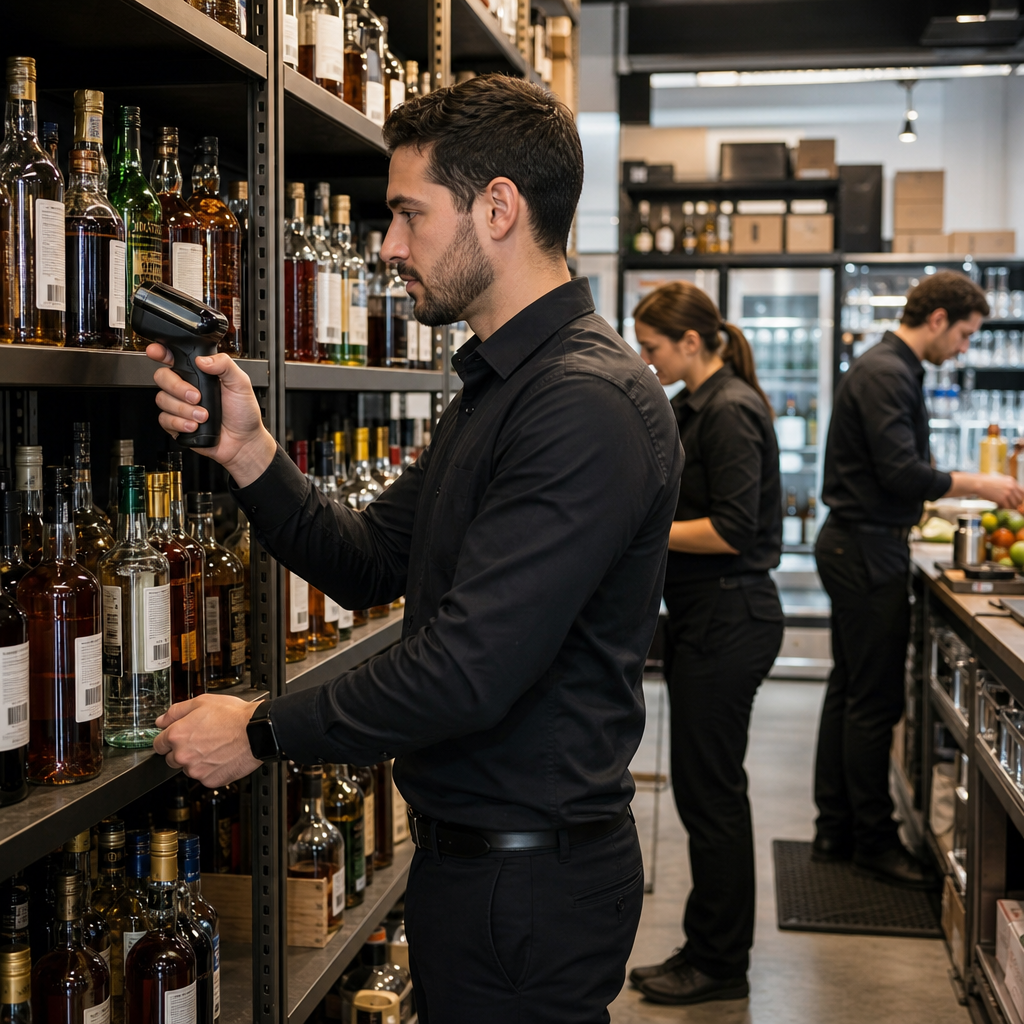
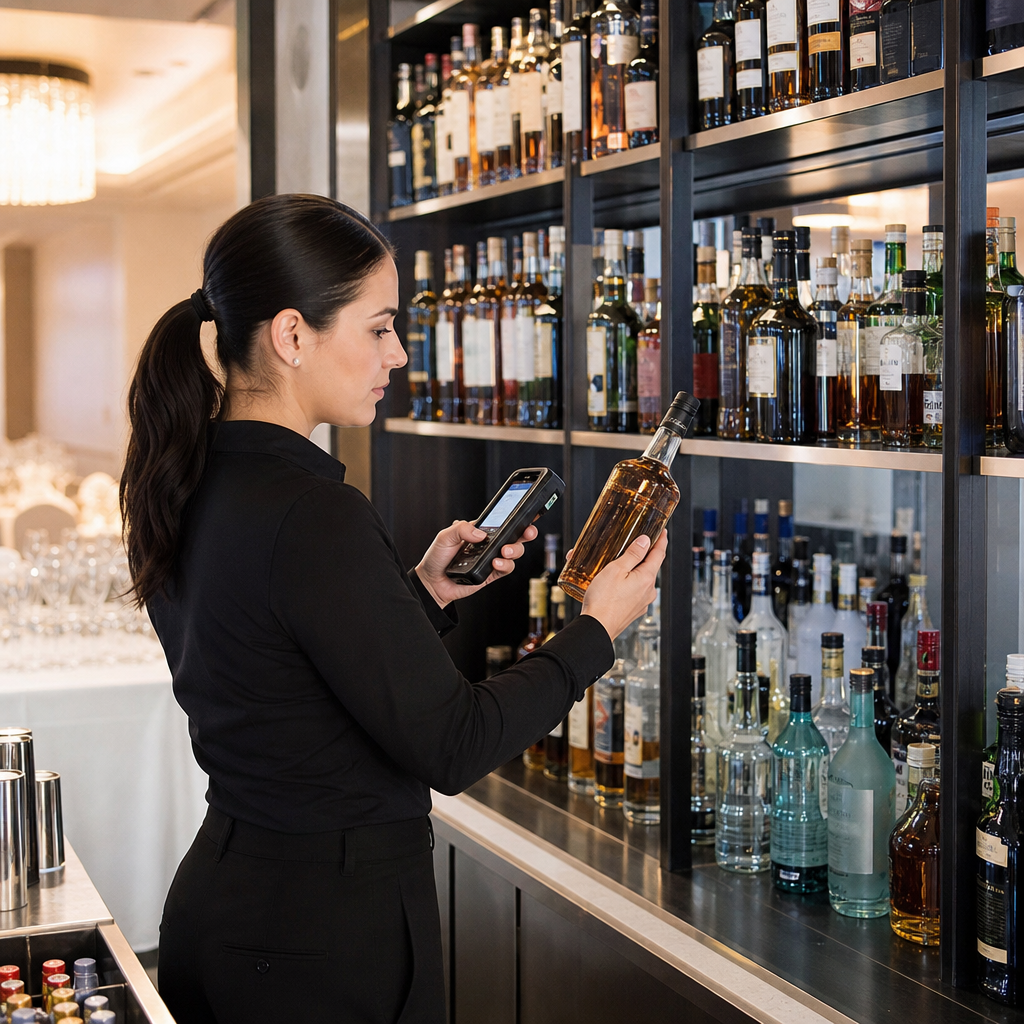
Proper bar stock rotation can be the difference between pouring profits down the drain and maximizing every dollar invested in your beverage inventory.Bar Stockroom Inventory Management

The Hidden Costs of Poor Inventory Management

As a bar owner for over a decade, I've learned that what happens behind the scenes directly impacts what ends up in your customers' glasses—and your bottom line. Poor inventory management isn't just about a few bottles going bad; it's a silent profit killer that can bleed your business dry without you even realizing it. Every expired mixer, oxidized bottle of wine, or stale garnish represents dollars literally thrown in the trash. When you multiply these losses across weeks and months, you're looking at thousands of dollars in wasted inventory annually.

Beyond the direct product loss, there are cascading effects that compound the problem. Staff waste time searching for products in a disorganized stockroom, pulling older items from the back while newer stock sits up front. This inefficiency slows down service during peak hours, leading to longer wait times and frustrated customers. Additionally, inconsistent drink quality from using degraded ingredients damages your reputation—something far more costly than any single bottle. Insurance claims, health code violations from expired products, and the opportunity cost of capital tied up in dead stock all add layers of financial strain that most bar owners don't account for until it's too late.

The real eye-opener came when I conducted my first thorough inventory audit. I discovered nearly 15% of my stock was either expired, oxidized, or so close to its expiration date that it would never sell. That percentage represented a five-figure loss for the year. The worst part? This wasn't due to slow business—it was purely a management failure. Since implementing proper rotation systems, I've reduced waste by over 80%, and those savings have gone straight to our profit margin. The hidden costs of poor inventory management are only hidden until you decide to look for them.

First In, First Out: Mastering the FIFO Method Behind the Bar

The FIFO (First In, First Out) method is the gold standard for inventory management in the bar industry, and for good reason—it's simple, effective, and ensures that your oldest stock gets used before it deteriorates. The concept is straightforward: when new inventory arrives, it goes to the back or bottom of storage, while older stock moves to the front or top where it's most accessible. This ensures that bartenders naturally grab the products that have been sitting longest, preventing items from languishing in the back until they're unusable. While it sounds basic, proper FIFO implementation requires systematic organization and consistent execution from your entire team.

Implementing FIFO behind your bar starts with smart storage solutions. Invest in shelving that allows for front-to-back rotation, and use clear labeling systems that include receive dates on every product. For bottles, I use a simple color-coded sticker system—different colors for different months—so staff can instantly identify which products are oldest at a glance. For perishables like fresh juices, mixers, and garnishes, date everything immediately upon receipt and organization by date is non-negotiable. Create designated zones in your walk-in cooler and dry storage where specific product categories live, and establish a one-way flow pattern so new stock has a clear path to the back.

The key to FIFO success is making it so intuitive that your team follows it automatically, even during a busy Saturday night rush. Train every staff member on the system during onboarding, and build rotation checks into your opening and closing procedures. I've found that weekly rotation audits, where a manager physically checks that stock is properly ordered, catch any lapses before they become problems. When your team understands that FIFO isn't just about following rules—it's about protecting product quality, ensuring customer satisfaction, and ultimately protecting their jobs through better profitability—compliance becomes second nature. The FIFO method isn't complicated, but it does require commitment and consistency to master.

How Fresh Ingredients and Properly Stored Spirits Elevate Guest Experience

Your customers might not be able to articulate why a cocktail tastes better at your bar than your competitor's, but they can definitely sense the difference. Fresh ingredients and properly rotated spirits create a noticeable quality gap that keeps guests coming back and recommending your establishment. Consider the difference between a margarita made with fresh lime juice squeezed that day versus one made with juice that's been oxidizing in the cooler for a week. The fresh version has bright, vibrant citrus notes that dance on the palate, while the old juice tastes flat, slightly bitter, and dull. These subtle distinctions accumulate across every drink you serve, building either a reputation for excellence or mediocrity.

Spirits require proper rotation too, even though many bartenders assume liquor lasts forever. While distilled spirits don't spoil like fresh ingredients, they do oxidize once opened, particularly vermouths, liqueurs, and anything with lower alcohol content. An oxidized bottle of Campari or sweet vermouth can turn your Negroni from balanced and aromatic to harsh and discordant. Similarly, cream liqueurs absolutely require rotation and proper storage, as they can separate or even curdle past their prime. By maintaining fresh, properly stored spirits and rotating stock religiously, every cocktail that leaves your bar represents your establishment at its absolute best.

The guest experience extends beyond taste to visual presentation and aromatics. Fresh garnishes—crisp herbs, vibrant citrus peels, and firm fruit—make drinks visually appealing and release essential oils that enhance the drinking experience. Wilted mint or dried-out orange peels signal neglect and diminish perceived value, even if the liquid itself is perfect. I've watched customers photograph and share drinks made with pristine, fresh garnishes on social media, generating free marketing worth far more than the cost of the ingredients. When you commit to freshness through proper stock rotation, you're not just maintaining quality—you're creating memorable experiences that turn first-time visitors into regulars and regulars into ambassadors for your brand.

Building a Stock Rotation System That Your Team Will Actually Follow

The best inventory system in the world is worthless if your team doesn't follow it, and that's where most bar owners fail. I've learned that successful systems aren't built on complexity or rigid rules—they're built on simplicity, clear communication, and making the right behavior the easiest behavior. Start by involving your team in system design. When bartenders and barbacks have input on how rotation should work, they develop ownership and are far more likely to comply. Hold a team meeting to discuss current pain points, demonstrate the financial impact of waste, and brainstorm practical solutions together. This collaborative approach transforms rotation from a mandate imposed from above into a shared commitment to excellence.

Next, integrate rotation into your existing workflows rather than treating it as separate extra work. Make stock rotation part of the opening checklist: before the bar opens, someone conducts a quick rotation check on key items. Build it into your receiving process: when deliveries arrive, the staff member checking in products also handles immediate rotation and dating. Create visual management tools that make compliance effortless—checklists posted in the stockroom, rotation maps showing where each product category lives, and clear signage indicating 'new stock' versus 'use first' areas. The goal is to eliminate decision-making and ambiguity so that even a new hire or a bartender in the weeds during rush hour knows exactly what to do.

Finally, support your system with accountability and positive reinforcement. Conduct weekly spot checks, but frame them as quality assurance rather than policing. When you find excellent rotation practices, praise that staff member publicly and consider implementing an incentive program tied to waste reduction. Conversely, when you find violations, address them immediately through retraining rather than punishment—often, mistakes stem from misunderstanding rather than negligence. I track waste percentages monthly and share results with the team, celebrating improvements and discussing opportunities. When everyone sees their efforts translating into reduced waste and better profitability, the system sustains itself through collective pride in running a tight, professional operation.

Tracking ROI: Measuring the Impact of Better Inventory Practices

You can't improve what you don't measure, and tracking the return on investment from better inventory practices is essential for justifying the time and effort required. Start by establishing baseline metrics before implementing your new rotation system. Calculate your current waste percentage by dividing the value of discarded or expired inventory by your total inventory purchases over a given period—monthly tracking works well for most bars. Also measure your inventory turnover ratio, which shows how many times you sell through your entire inventory in a period. These baseline numbers give you concrete starting points for comparison and help identify your biggest problem areas.

Once your rotation system is in place, monitor the same metrics monthly to track improvement. In my experience, bars typically see waste reduction of 50-80% within the first three months of implementing proper FIFO practices and staff training. That translates directly to profit—if you were previously wasting $2,000 monthly in spoiled inventory and you reduce that by 70%, you've just added $16,800 annually to your bottom line. But the benefits extend beyond waste reduction. Better inventory practices also improve your pour cost percentage, as you're using products at peak quality rather than compensating for degraded ingredients. Track your overall beverage cost percentage and watch it decrease as efficiency improves.

Don't overlook the intangible ROI that's harder to quantify but equally valuable. Monitor customer feedback and online reviews for comments about drink quality and consistency—you should see improvements as your rotation practices ensure every cocktail meets your standards. Track staff efficiency by measuring how long it takes to locate products and complete opening/closing duties; proper organization cuts this time significantly. Finally, consider the reduced stress and improved morale that comes from running an organized, professional operation. When I review our numbers quarterly with my management team, the data consistently confirms what I see on the floor: better inventory practices create a compound return that touches every aspect of the business, from profit margins to customer satisfaction to staff retention. The ROI of proper stock rotation isn't just measurable—it's transformative.

Topics: Bar inventory, Food Costs, Bar drinks, Bar Management, Bar products, Food Storage, Beer stock, Bar Promotion, Food control, Best Bar Inventory app, Best Liquor Inventory app

Top Cocktail Bars to Experience in Miami This Weekend

Posted by Nick Kaoukis on Wed, Apr, 22, 2026 @ 09:04 AM

Discover Miami's most electrifying cocktail scene where world-class mixologists craft unforgettable drinks against stunning backdrops of ocean views, art deco architecture, and vibrant nightlife.

Miami's Craft Cocktail Renaissance: Where Innovation Meets Tradition

Miami's bar scene has undergone a remarkable transformation over the past decade, evolving from flashy nightclubs into sophisticated cocktail destinations that rival New York and Los Angeles. The Magic City has become a hotbed for creative mixologists who blend Latin influences with classic cocktail traditions, creating drinks that are as visually stunning as they are delicious. From molecular gastronomy techniques to farm-to-glass ingredients, Miami's bartenders are pushing boundaries while honoring time-tested recipes.

The city's unique cultural melting pot plays a crucial role in this renaissance. Cuban rum heritage merges seamlessly with contemporary craft spirits, while tropical fruits native to South Florida add distinctive flavors you won't find anywhere else. Neighborhoods like Wynwood, Brickell, and South Beach have become epicenters of this movement, each offering its own distinct flavor profile and atmosphere.

What sets Miami apart is the perfect marriage of environment and expertise. Bartenders here understand that a great cocktail experience isn't just about what's in the glass—it's about the ocean breeze, the art deco surroundings, and the electric energy that makes Miami unlike any other city in the world.

Waterfront Watering Holes That Redefine Coastal Sipping

There's nothing quite like sipping a perfectly crafted mojito while watching the sun set over Biscayne Bay. Miami's waterfront bars capitalize on the city's greatest asset—its stunning coastline—by offering experiences that combine world-class mixology with breathtaking water views. The Wharf Miami in Downtown provides an industrial-chic atmosphere right on the Miami River, where you can enjoy craft cocktails while boats drift by and the city skyline glows in the background.

For a more upscale experience, head to Baia Beach Club at the Confidante Miami Beach, where Mediterranean-inspired cocktails complement the sophisticated beachfront ambiance. Their signature drinks incorporate fresh herbs and premium spirits, served against a backdrop of pristine white sand and turquoise waters. The bar seamlessly transitions from lazy afternoon sipping to evening cocktail hour, making it perfect for an all-day visit.

Don't overlook Monty's Raw Bar in Coconut Grove, a local institution that's been serving waterfront cocktails for decades. While it might not have the polish of newer establishments, its authentic Florida Keys vibe and stone crab claws paired with ice-cold margaritas offer an experience that's quintessentially Miami. The tiki-style thatched roof and sailboats bobbing in the marina create an atmosphere that reminds you why people fall in love with this city.

Hidden Speakeasies and Secret Bars Worth Finding

Miami's speakeasy scene adds an element of adventure to your bar-hopping weekend. Broken Shaker at the Freehand Hotel in Miami Beach consistently ranks among the best bars in North America, yet maintains an intimate, hidden-garden feel that makes discovering it feel like finding buried treasure. Located in the hotel's backyard, this award-winning bar features inventive cocktails with house-made ingredients, tropical plants, and mismatched vintage furniture that creates a bohemian paradise.

The Anderson in downtown Miami takes the speakeasy concept seriously with its unmarked entrance and intimate Art Deco interior. This 1920s-inspired lounge requires a bit of detective work to find, but once inside, you'll be transported to the Prohibition era with expertly crafted classic cocktails, live jazz music, and an atmosphere that demands you dress to impress. Their bartenders are true craftsmen who take pride in recreating forgotten recipes and inventing new ones.

For something completely unexpected, seek out Sweet Liberty Drinks & Supply Company in South Beach. While not technically hidden, this bar flies under the radar of tourists while remaining a favorite among locals and industry professionals. The team here has won countless awards for their innovative approach to cocktails, using cutting-edge techniques and unexpected ingredients. Their emphasis on hospitality makes every guest feel like a regular, even on their first visit.

Rooftop Revelry: Sky-High Cocktails with Unforgettable Views

Miami's skyline deserves to be admired from above, and the city's rooftop bars provide the perfect vantage point along with exceptional cocktails. Sugar at East Miami sits 40 stories above Brickell, offering 360-degree views of the city, Biscayne Bay, and the Atlantic Ocean. The Asian-inspired cocktail menu features innovative drinks that match the sophisticated atmosphere, while three distinct levels provide different experiences—from intimate indoor lounging to open-air revelry.

Juvia in South Beach combines three culinary traditions—French, Japanese, and Peruvian—with a rooftop setting that showcases both the ocean and the city. The penthouse location provides unobstructed views while the creative cocktail program incorporates fresh juices, exotic fruits, and premium spirits. Sunset here is particularly magical, as the sky transforms into brilliant oranges and pinks reflecting off the Art Deco buildings below.

For a more laid-back rooftop experience, visit Mister O1 Extraordinary Pizza's rooftop in Wynwood. While known for their pizza, their craft cocktail menu and panoramic views of the neighborhood's famous street art make it a must-visit. The casual atmosphere welcomes both couples on date night and groups of friends, and the ability to pair creative cocktails with some of Miami's best pizza makes it perfect for a longer stay. Watch the sun set behind the colorful murals that have made Wynwood an international art destination.

Expert Tips for Planning Your Ultimate Miami Bar Crawl

Timing is everything when planning your Miami bar adventure. Start your evening early—around 6 PM—to catch happy hour specials and beat the crowds. Many of Miami's best bars get packed by 10 PM, especially on weekends, so arriving earlier ensures you get seats and quality time with bartenders who can recommend drinks based on your preferences. The golden hour also provides the best lighting for those waterfront and rooftop views.

Geographic clustering is your friend in Miami's sprawling landscape. Plan your bar crawl by neighborhood rather than trying to hit spots across the entire city. Wynwood offers a concentration of trendy bars within walking distance, while South Beach provides beachfront and Art Deco options all close together. Brickell is perfect for upscale cocktail lounges and rooftop bars. This approach minimizes Uber costs and travel time while letting you explore each neighborhood's unique character.

Dress codes matter more in Miami than in many other cities. While some bars embrace casual beach vibes, upscale establishments like The Anderson and Sugar enforce dress codes—no shorts, flip-flops, or athletic wear. Pack versatile outfits that can transition from beachside to sophisticated lounge. Also, always make reservations when possible, especially for rooftop bars and speakeasies. Finally, pace yourself and stay hydrated—Miami's heat and humidity intensify alcohol's effects, so alternate cocktails with water to ensure you can enjoy the entire weekend without burning out on the first night.

Topics: Bar inventory, Bar staff, Bar trends, Bar drinks, Bar products, Bar Promotion, Best Bar Inventory app, Miami

Mezcal Cocktail Trends to Watch for Spring 2026

Posted by Nick Kaoukis on Mon, Apr, 20, 2026 @ 10:04 AM

Discover the smoky, sophisticated mezcal cocktail innovations that will define Spring 2026 and elevate your bar program to new heights.

Sustainable Agave Sourcing Takes Center Stage

As mezcal continues its meteoric rise in popularity, the spirits industry is confronting a critical reality: sustainable agave sourcing is no longer optional—it's essential. Spring 2026 will see leading bars and distilleries proudly showcasing their commitment to Mezcal Cocktail on Rustic Bar with QR Code and Botanical Garnish-1ethical agave cultivation practices. This shift comes as wild agave populations face unprecedented pressure, with some varieties taking up to 30 years to reach maturity. Forward-thinking mezcaleros are partnering with conservation organizations to implement regenerative farming techniques that protect biodiversity while ensuring long-term supply.

Consumers are increasingly demanding transparency about where their spirits come from, and mezcal brands are responding with detailed provenance stories. Expect to see cocktail menus featuring QR codes that trace each bottle back to specific villages, family producers, and individual agave fields. Bars that prioritize certified sustainable mezcal brands will gain competitive advantage as environmentally conscious drinkers vote with their wallets. This spring, the most innovative establishments will host mezcal tastings that educate patrons about the seven-year journey from agave plant to pour, creating deeper appreciation for this complex spirit.

The sustainability movement is also driving innovation in agave cultivation itself. Producers are experimenting with intercropping techniques that plant agave alongside native species, creating healthier ecosystems and more flavorful spirits. Some distilleries are even returning to ancestral methods that work in harmony with natural growing cycles rather than forcing accelerated production. For bartenders and beverage directors, partnering with these progressive producers isn't just good ethics—it's a compelling story that resonates with today's conscious consumers and positions your program as a leader in responsible hospitality.

Floral and Botanical Infusions Transform Classic Mezcal Recipes

Spring 2026 will bloom with a new generation of mezcal cocktails that embrace the season's delicate floral notes and fresh botanicals. Mixologists are moving beyond the traditional citrus and chili pairings to explore how mezcal's smoky complexity harmonizes with ingredients like hibiscus, elderflower, lavender, and chamomile. These ethereal flavors don't mask mezcal's distinctive character—they enhance it, creating multi-dimensional drinks that surprise and delight. The most exciting innovation comes from bartenders who are house-infusing mezcals with seasonal botanicals, allowing the spirit to slowly absorb subtle aromatic compounds over weeks of careful steeping.

Garden-to-glass programs are flourishing as bars cultivate their own herbs, edible flowers, and botanicals specifically for mezcal cocktail applications. Imagine a Mezcal Negroni variation featuring house-grown rosemary and rose petals, or a smoked Paloma elevated with fresh jasmine and pink peppercorn. These aren't gimmicks—they're thoughtful flavor combinations that showcase both the bartender's creativity and mezcal's remarkable versatility. The trend extends to house-made syrups and cordials infused with spring botanicals like violet, lilac, and honeysuckle, which add complexity without overwhelming the spirit's natural terroir.

What makes this trend particularly exciting is how it bridges traditional Mexican ingredients with global botanical traditions. Progressive bartenders are incorporating Mexican marigold (tagetes), Mexican oregano, and epazote alongside European and Asian flowers, creating truly cross-cultural flavor experiences. The result is a new category of mezcal cocktails that feel both fresh and timeless, perfectly suited for spring's renewal energy. Expect to see these botanical-forward creations dominating Instagram feeds and competition circuits throughout the season, establishing new benchmarks for sophisticated mezcal mixology.

Low-ABV Mezcal Cocktails Capture Health-Conscious Consumers

The low-ABV revolution is transforming mezcal cocktails this spring as consumers increasingly seek sophisticated drinking experiences without the high alcohol content. Bartenders are crafting sessionable mezcal drinks that clock in between 3-8% ABV, allowing patrons to enjoy multiple rounds while maintaining clarity and control. This trend aligns perfectly with the broader wellness movement and the growing popularity of mindful drinking. Rather than diluting mezcal's distinctive character, skilled mixologists are stretching the spirit with sparkling wine, kombucha, tea, and floral tonics that complement its smoky notes while reducing overall alcohol content.

The key to successful low-ABV mezcal cocktails lies in maintaining flavor intensity despite reduced spirit content. Bartenders are achieving this through concentrated house-made ingredients: shrubs with bold fruit and vinegar profiles, intensely flavored syrups reduced to maximize impact, and umami-rich additions like miso or seaweed that add depth and complexity. A half-ounce of quality mezcal, when properly supported by these carefully crafted components, delivers remarkable presence in a cocktail. Spritz-style serves are particularly popular, combining mezcal with bitter liqueurs, fresh citrus, and sparkling water for refreshing afternoon cocktails that won't derail productivity.

This category is also attracting entirely new consumers to mezcal—people who might have been intimidated by spirit-forward cocktails or full-strength margaritas. Lower alcohol content makes mezcal more approachable while still delivering the distinctive flavor profile that makes it special. Bars are capitalizing on this by creating dedicated low-ABV sections on their cocktail menus, often featuring three or four mezcal-based options alongside other lighter serves. As spring brings longer days and outdoor gatherings, these sessionable mezcal cocktails are perfectly positioned to become the season's signature drinks, proving that less alcohol doesn't mean less flavor or sophistication.

Regional Mezcal Varieties Create Unique Tasting Experiences

Spring 2026 marks a pivotal moment in mezcal appreciation as bars move beyond generic offerings to celebrate the spirit's incredible regional diversity. Just as wine enthusiasts distinguish between Burgundy and Bordeaux, educated mezcal drinkers now seek specific agave varieties from particular Mexican states. Oaxaca may still dominate production, but this season will shine a spotlight on distinctive mezcals from Durango, Guerrero, Michoacán, and Puebla—each region contributing unique terroir, production methods, and flavor profiles. Forward-thinking bars are building mezcal programs organized by region and agave variety rather than simply listing products by brand.

The most exciting development is how bartenders are tailoring cocktail recipes to highlight specific regional characteristics. A mezcal from Durango, made from wild Cenizo agave at high altitude, brings minerality and herbaceous notes that work beautifully in variations on classic gin cocktails like the Martini or Aviation. Meanwhile, tropical-influenced coastal mezcals from Guerrero, with their fruit-forward profiles, excel in tiki-style preparations. Mezcals made from rare agave varieties like Tobalá, Tepeztate, and Arroqueño are being featured in minimal-ingredient cocktails that showcase their distinctive qualities rather than masking them with excessive modifiers.

This regional focus is educating consumers while elevating the entire category. Progressive bars are hosting mezcal flights organized by state of origin or agave variety, often paired with small bites that reflect regional Mexican cuisine. Staff training has become crucial, with bartenders learning to pronounce agave names correctly and explain production differences between states. Some establishments are partnering with single-producer brands to offer exclusive bottlings that tell compelling geographic stories. As consumers develop more sophisticated palates, they're willing to pay premium prices for rare regional mezcals and the cocktails that honor them, creating new revenue opportunities for beverage programs that invest in education and curation.

Zero-Waste Garnishing and Presentation Techniques Redefine Craft Cocktails

Sustainability extends beyond the bottle this spring as zero-waste garnishing and presentation become essential elements of mezcal cocktail culture. The days of disposable plastic straws and single-use citrus wheels are definitively over, replaced by ingenious techniques that transform would-be waste products into stunning, functional garnishes. Bartenders are dehydrating citrus peels, pickling vegetable scraps, and creating dramatic smoking presentations using spent agave fibers. These practices align perfectly with mezcal's artisanal, earth-connected identity while reducing environmental impact and cutting costs—a rare triple win for bars, consumers, and the planet.

The most visually striking innovations involve repurposing every part of ingredients that enter the bar. Pineapple fronds become dramatic tropical garnishes for mezcal tiki drinks. Herb stems that would typically be discarded are infused into syrups or grilled for aromatic smoke. Citrus husks are transformed into vessels for serving frozen mezcal cocktails or candied into intensely flavored accompaniments. Some bars are collaborating with local farms to compost organic waste that can't be repurposed, closing the loop entirely. These zero-waste practices aren't just environmentally responsible—they're visually compelling and story-rich, giving servers compelling talking points when presenting drinks.

Presentation innovation is pushing creative boundaries while honoring mezcal's rustic roots. Expect to see cocktails served on reclaimed wood platforms, in hand-thrown ceramic vessels from Mexican artisans, and with garnishes secured using natural materials like agave fiber twine rather than plastic picks. Smoke presentations—a natural pairing with mezcal—increasingly use sustainable heat sources and captured smoke rather than wasteful single-use methods. The most progressive bars are documenting their waste reduction metrics and sharing them with customers, demonstrating that beautiful, Instagram-worthy cocktails can also be environmentally responsible. This spring, zero-waste isn't a compromise—it's the new standard for craft cocktail excellence, and mezcal programs are leading the charge.

Topics: Bar trends, Nightclub trends, restaurant trends, mixology, craft cocktails, mezcal, spring

5 Top Bars with Innovative Design That Redefine Nightlife

Posted by Nick Kaoukis on Fri, Apr, 17, 2026 @ 09:04 AM

Discover how cutting-edge architecture, immersive atmospheres, and boundary-pushing design concepts are transforming the modern bar experience into unforgettable destinations.

Where Architecture Meets Mixology

The world's most exceptional bars have transcended their traditional role as mere drinking establishments, evolving into architectural masterpieces that rival art galleries and museums. At The Connaught Bar in London, designed by David Collins Studio, every element from the platinum-leaf ceiling to the bespoke Irish linen upholstery demonstrates how meticulous architectural vision can elevate the cocktail experience. The bar's geometric lines and Art Deco influences create an atmosphere where the space itself becomes as integral to the experience as the world-class martinis served within it.

Similarly, Bar High Five in Tokyo proves that architectural innovation doesn't always mean grandiosity. Hidden in the Ginza district, this intimate space designed by Hidetsugu Ueno showcases minimalist Japanese aesthetics where clean lines, natural wood, and carefully considered lighting create a sanctuary of calm. The bar's architectural restraint allows the craftsmanship of both the space and the cocktails to shine, demonstrating that sometimes less truly is more.Luxury Bar with Platinum Leaf Ceiling and Vintage Cocktails-1

Atlas Bar in Singapore takes architectural ambition to new heights with its stunning 15-meter gin tower serving as the centerpiece. The tower, housing over 1,300 gin labels, isn't just functional—it's a towering sculpture that draws the eye upward through the Art Deco-inspired space. Bronze fixtures, marble surfaces, and intricate detailing throughout the venue prove that when architecture and mixology converge with vision and investment, the result is nothing short of spectacular.

Immersive Themes That Transport You to Another World

The most memorable bars in the world understand that atmosphere is everything. Dante in New York City has perfected the art of transporting patrons to 1920s Italy through its vintage-inspired design, checkered floors, and carefully curated European aesthetic. Winner of the World's Best Bar award, Dante proves that a well-executed theme creates emotional connections that keep guests returning year after year. The space feels less like a themed restaurant and more like stepping through a portal to a Greenwich Village interpretation of old-world Italy.

Taking immersion to an entirely different level, Scout in London operates as a speakeasy-style bar hidden behind an unmarked door in a Hackney barbershop. This commitment to the prohibition-era concept extends beyond mere decoration—the entire guest experience, from discovery to departure, maintains the illusion of an exclusive, secret society. The intimate space, complete with vintage furnishings and low lighting, demonstrates how total thematic commitment can transform a simple night out into an adventure.

Perhaps no bar exemplifies immersive theming quite like The Red Phone Booth in Atlanta, where guests must enter through an actual phone booth to access the hidden speakeasy. Once inside, the 1920s prohibition atmosphere is maintained through period-appropriate decor, jazz music, and craft cocktails served in vintage glassware. These immersive environments succeed because they don't just decorate a space—they create an alternate reality where guests can escape the mundane and embrace the extraordinary.

Sustainable Design Elements Shaping Modern Bar Culture

As environmental consciousness reshapes industries worldwide, forward-thinking bars are incorporating sustainable design principles that don't compromise on luxury or experience. Coupette in London has become a beacon for eco-conscious design, utilizing reclaimed materials, energy-efficient lighting, and locally sourced furnishings throughout their space. Their design philosophy proves that sustainability and sophistication are not mutually exclusive but rather complementary forces that can enhance a venue's appeal to increasingly environmentally aware clientele.

White Lyan (now Lyan's bar concepts) pioneered the zero-waste cocktail movement, but its sustainable ethos extended deeply into its design philosophy. By eliminating ice, citrus, and perishable garnishes, the bar's entire infrastructure could be simplified—smaller refrigeration units, reduced energy consumption, and minimal waste storage. This operational sustainability influenced the clean, minimalist aesthetic of the space, demonstrating how environmental considerations can drive innovative design decisions.

The Vault Bar in Dublin takes sustainability in an entirely different direction by repurposing a historic bank vault into a stunning cocktail venue. Adaptive reuse of existing structures represents one of the most impactful sustainable design practices, preserving architectural heritage while reducing the environmental impact of new construction. The bar's retention of original vault doors, safety deposit boxes, and period features not only creates a unique atmosphere but also tells a story of responsible redevelopment that respects both history and the environment.

Technology-Enhanced Experiences Behind the Bar

Technology is revolutionizing bar design in ways that would have seemed impossible just a decade ago. At Robot Bar in Ilmenau, Germany, automated bartenders prepare drinks with mechanical precision, turning the bar itself into a performance space where technology becomes entertainment. While fully automated bars remain novelty experiences, elements of this technological innovation are filtering into mainstream bar design—from automated inventory systems to precision pour technology that ensures consistency while reducing waste.

The team behind Employees Only in New York and worldwide locations has embraced technology more subtly but no less effectively. Their proprietary cocktail management systems, integrated point-of-sale technology, and kitchen display systems are hidden from guests but fundamentally transform operational efficiency. This behind-the-scenes technology allows bartenders to focus on hospitality and craft rather than administrative tasks, improving both the guest experience and staff satisfaction.

Perhaps most exciting are the augmented reality experiences being pioneered by bars like House of Absolute in Tokyo. Using smartphone apps and AR technology, guests can point their devices at cocktails to see ingredient visualizations, watch preparation techniques, or access curated content about spirits. Interactive LED bars, projection mapping on surfaces, and app-based ordering systems are transforming bars from static environments into dynamic, responsive spaces that adapt to guest interaction and preferences in real-time.

Creating Instagram-Worthy Spaces That Drive Business

In the age of social media, visual appeal has become a critical business driver, and the world's top bars have mastered the art of creating shareable moments. Pink Mamma in Paris exemplifies this approach with its jungle-like hanging garden, pink-hued dining rooms, and dramatic skylight that photographers dream about. Every corner of the space offers a new photo opportunity, turning guests into brand ambassadors who eagerly share their experiences with thousands of followers. This organic marketing reach is invaluable and demonstrates how thoughtful design can generate ongoing publicity long after opening night.

The Broken Shaker in Miami has built its reputation partly on its eclectic, vintage aesthetic that begs to be photographed. Mismatched furniture, tropical plants, colorful murals, and quirky decor create a bohemian paradise that looks stunning in photographs while remaining genuinely comfortable and inviting in person. The bar's success reveals the secret to Instagram-worthy design—it must be authentic and experiential, not merely decorative. Spaces designed solely for photographs feel hollow and fail to generate the genuine enthusiasm that drives social sharing.

At Dandelyan (now Lyaness) in London, every design element from the custom glassware to the riverside views was considered for both in-person impact and photographic appeal. The bar's neutral palette with dramatic pops of color, statement lighting fixtures, and carefully curated artwork created a sophisticated backdrop that photographed beautifully while maintaining the elegance expected of a luxury hotel bar. Smart bars now employ lighting designers specifically to ensure spaces look as good in smartphone photos as they do to the naked eye, understanding that every guest is a potential content creator whose posts can reach thousands of prospective customers.

Topics: Bar inventory, Bar staff, Bar trends, Bar drinks, Bar Management, Bar Promotion, mixology, Best Bar Inventory app

Mastering Hotel Bar Inventory for Optimal Profitability

Posted by Nick Kaoukis on Wed, Apr, 15, 2026 @ 09:04 AM

Discover how strategic bar inventory management can transform your hotel's bottom line by reducing waste, preventing theft, and maximizing every pour.

Why Hotel Bar Inventory Management Makes or Breaks Your Revenue

In the competitive hospitality industry, hotel bars represent a significant revenue stream that can dramatically impact your property's profitability. However, without proper inventory management, what should be a lucrative operation can quickly become a financial drain. Studies show that bars with poor inventory practices experience profit losses of 20-25% annually due to waste, over-pouring, theft, and inefficient ordering. When you consider that beverage costs typically represent 18-24% of total sales, even small improvements in inventory control can translate to substantial bottom-line gains.

Effective bar inventory management goes beyond simply counting bottles. It provides critical visibility into consumption patterns, identifies your best-selling and slowest-moving products, and reveals discrepancies that may indicate operational issues or theft. Hotel food and beverage managers who implement robust inventory systems gain the data-driven insights needed to make informed purchasing decisions, optimize menu offerings, and set pricing strategies that maximize profitability while maintaining guest satisfaction.Elegant Hotel Bar with Chalkboard Menu and Bartender

The financial impact of poor inventory management extends beyond lost revenue. Overstocking ties up valuable capital in products that may expire or become obsolete, while understocking leads to disappointed guests and missed sales opportunities. Additionally, inconsistent inventory practices create accountability gaps that enable shrinkage and make it nearly impossible to accurately forecast demand or negotiate favorable terms with suppliers. For hotel bars operating on tight margins, mastering inventory management isn't just a best practice—it's an essential survival skill.

Essential Inventory Control Systems Every Hotel Bar Needs

The foundation of effective bar inventory management begins with establishing a perpetual inventory system that tracks every bottle from delivery to final pour. This system should include a detailed receiving process where all incoming shipments are verified against purchase orders, inspected for quality and accuracy, and immediately logged into your inventory records. Implement a standardized storage system that organizes products by category, with clear labeling and designated locations that make physical counts efficient and minimize the risk of items being overlooked or misplaced.

A comprehensive par level system is another critical component that ensures you maintain optimal stock levels without over-investing in inventory. Par levels represent the minimum quantity of each product you should have on hand to meet expected demand until the next order arrives. These benchmarks should be established based on historical sales data, seasonal trends, and lead times from suppliers. By setting appropriate par levels for each spirit, wine, beer, and mixer, you create automatic reorder triggers that prevent stockouts while avoiding the cash flow problems associated with excessive inventory.

Physical inventory counts form the third pillar of an effective control system. While many operations conduct full counts monthly, high-volume hotel bars benefit from more frequent cycle counts of high-value or fast-moving items. Implement a rotation schedule where different sections of your bar are counted weekly, ensuring continuous monitoring without overwhelming your staff. These counts should be conducted by at least two people to maintain accuracy and accountability, with results immediately reconciled against your perpetual inventory records to identify variances that require investigation.

Finally, establish a standardized requisition and transfer system for internal movement of inventory between your main storage areas and the bar itself. Each transfer should be documented with a requisition form that specifies quantities, product names, and the signature of both the person issuing and receiving the items. This creates a clear audit trail that helps you understand exactly where inventory is located at any given time and ensures that products are properly accounted for as they move through your operation.

Calculating Pour Costs and Setting Profitable Pricing Strategies

Understanding and managing your pour cost—the ratio of beverage cost to beverage revenue—is fundamental to bar profitability. To calculate pour cost, divide your total cost of beverages sold by your total beverage sales, then multiply by 100 to get a percentage. For example, if you spent $5,000 on inventory and generated $20,000 in sales, your pour cost is 25%. While ideal pour costs vary by establishment type, most hotel bars target a range of 18-24%. Consistently monitoring this metric allows you to quickly identify when costs are trending unfavorably and take corrective action before profits erode significantly.

To establish profitable pricing, start by determining your target pour cost percentage based on your overall financial goals and operational costs. Then work backwards to set individual drink prices. If your target pour cost is 20% and a cocktail costs $2.50 in ingredients to make, divide $2.50 by 0.20 to arrive at a menu price of $12.50. Don't forget to factor in garnishes, mixers, and the cost of ice in your calculations—these seemingly minor expenses add up quickly and are often overlooked in pricing decisions. Also consider your market position and competitor pricing to ensure your rates align with guest expectations for your property's category.

Beyond basic pour cost calculations, sophisticated hotel bars implement recipe costing that breaks down the exact cost of every ingredient in each cocktail. This granular approach reveals which menu items deliver the best margins and which may need repricing or reformulation. Create standardized recipes with precise measurements for every drink on your menu, and train bartenders to follow these specifications consistently. When everyone pours the same amount every time, you eliminate the variance that makes accurate cost management impossible.

Regular variance analysis between theoretical and actual pour costs provides powerful insights into operational efficiency. Your theoretical pour cost represents what you should have spent based on the drinks you sold, while actual pour cost reflects what you really spent. A significant gap between these figures—typically more than 2-3%—indicates problems such as over-pouring, spillage, incorrect pricing, theft, or failure to ring up sales. By calculating and investigating these variances monthly, you can pinpoint specific issues and implement targeted corrective measures that protect your profitability.

Preventing Shrinkage and Theft Through Smart Tracking Methods

Shrinkage—the loss of inventory through theft, spillage, breakage, or administrative errors—represents one of the most significant threats to bar profitability, with industry estimates suggesting that shrinkage accounts for 20-25% of inventory losses in operations without proper controls. Preventing these losses begins with creating a culture of accountability where every team member understands that inventory management is everyone's responsibility. Implement clear policies regarding proper handling procedures, consequences for policy violations, and the expectation that all discrepancies will be thoroughly investigated.

Bottle tracking systems provide a powerful deterrent against both employee theft and honest mistakes. The most basic approach involves marking bottles with unique identifiers upon receipt and recording these numbers whenever bottles are transferred, opened, or depleted. More sophisticated operations use bottle security tags or pour spouts with built-in measurement devices that precisely track how much is dispensed from each container. When bartenders know that every ounce is being monitored and that any unexplained shortages will be noticed, the temptation to pour unauthorized drinks or give away free beverages diminishes dramatically.

Point-of-sale integration represents another critical defense against shrinkage. By connecting your inventory management system directly to your POS, you create an electronic record of every transaction that should correspond to actual inventory usage. This integration enables you to automatically compare what was sold (according to POS data) against what should have been used (based on standardized recipes) and what actually disappeared from inventory (according to physical counts). Discrepancies that emerge from these comparisons warrant immediate investigation and often reveal patterns that point to specific problems or individuals.

Regular audit procedures, including surprise inventory counts and cash register reconciliations, send a strong message that management is actively monitoring for theft and irregularities. Rotate which staff members conduct counts and avoid predictable patterns that could be exploited. Additionally, implement strict cash handling procedures with multiple checkpoints throughout each shift. Consider installing security cameras with clear views of cash registers, bottle storage areas, and the bar itself—often the presence of cameras alone significantly reduces both theft and careless behavior that leads to shrinkage.

Leveraging Technology to Automate Your Bar Inventory Process

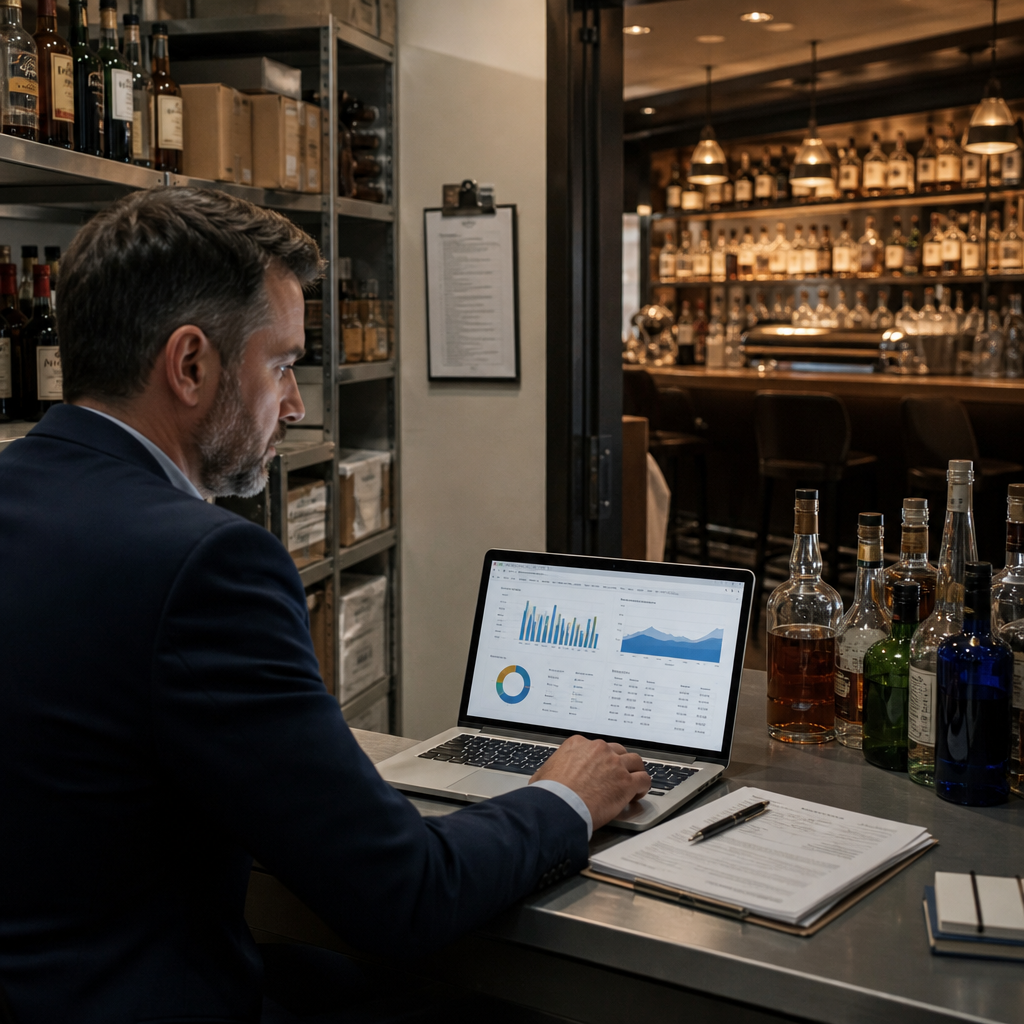
Modern inventory management technology has revolutionized how hotel bars track, analyze, and optimize their beverage programs. Cloud-based inventory management systems eliminate the tedious manual calculations that once consumed hours of management time, replacing spreadsheets with intuitive interfaces that provide real-time visibility into stock levels, usage patterns, and financial performance. These platforms typically feature mobile apps that allow staff to conduct inventory counts using smartphones or tablets, scanning barcodes or QR codes to instantly record quantities and automatically sync data to central databases accessible from anywhere.

Automated reordering capabilities represent one of the most valuable features of modern inventory systems. Once you've established par levels and supplier relationships within the software, the system can automatically generate purchase orders when stock falls below predetermined thresholds. Some advanced platforms even analyze historical sales data and upcoming reservations or events to adjust ordering recommendations based on anticipated demand. This automation not only saves time but also reduces the human error that leads to stockouts or overordering, while ensuring you consistently capture early-pay discounts or volume pricing from suppliers.

Integration capabilities multiply the value of inventory technology by connecting your bar operations with other hotel systems. When your inventory platform communicates with your property management system, you can analyze beverage consumption patterns relative to occupancy rates and guest demographics. Integration with your accounting software streamlines financial reporting and eliminates duplicate data entry, while connections to supplier systems can provide real-time pricing updates and streamline the ordering process. The result is a comprehensive ecosystem where data flows seamlessly between systems, providing a complete picture of your bar's performance.

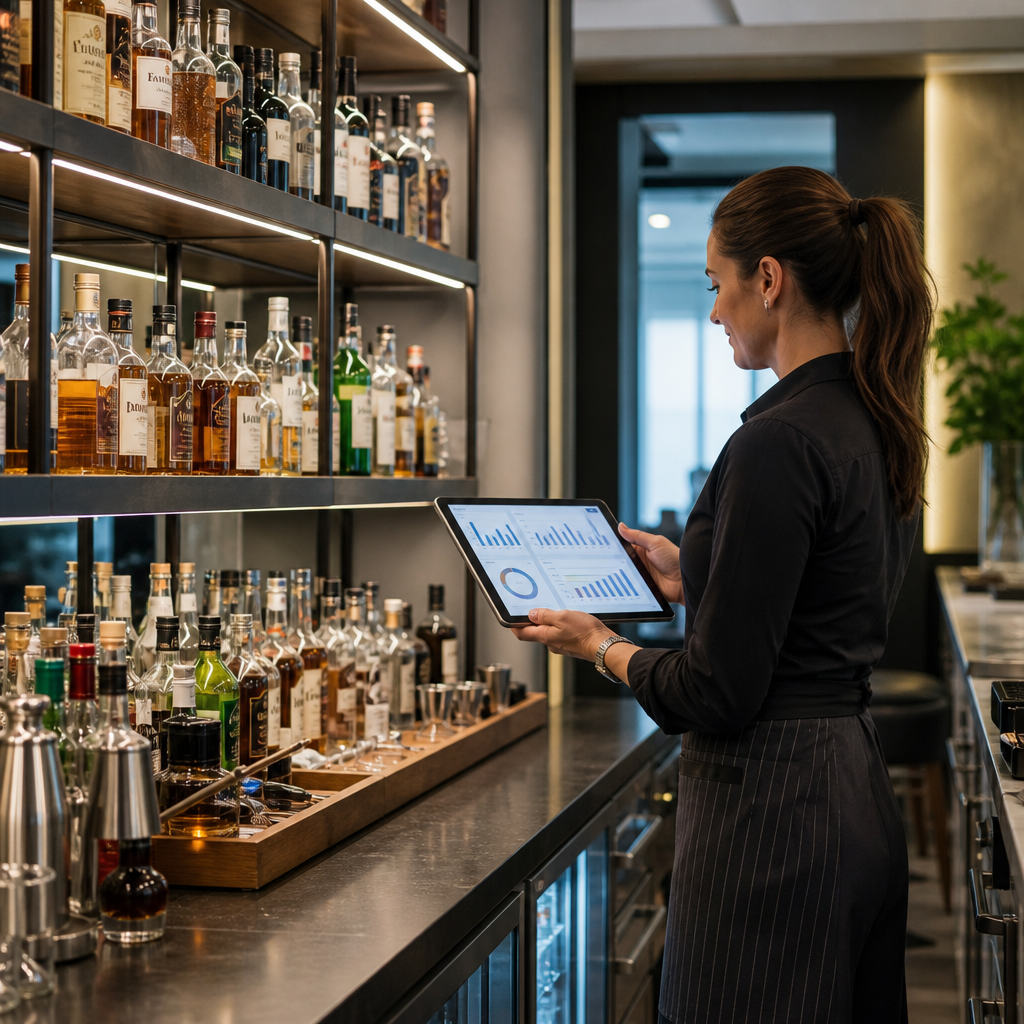
Advanced analytics and reporting tools transform raw inventory data into actionable insights that drive profitability. Modern platforms generate customizable dashboards that highlight key performance indicators such as pour costs, turnover rates, and profit margins by category or individual product. Predictive analytics can forecast future demand based on historical patterns, seasonal trends, and upcoming events, enabling proactive decision-making rather than reactive firefighting. Some systems even provide benchmarking data that allows you to compare your performance against industry standards or similar properties, identifying opportunities for improvement that might otherwise go unnoticed.

While technology offers tremendous benefits, successful implementation requires proper training and change management. Invest time in thoroughly training all staff members who will interact with the system, and designate a technology champion who can troubleshoot issues and serve as an ongoing resource. Start with core functionality before gradually adopting more advanced features, allowing your team to build confidence and competence. Remember that technology is a tool that enhances human decision-making rather than replacing it—the most successful hotel bars combine sophisticated systems with experienced managers who know how to interpret data and translate insights into effective operational strategies.

Topics: liquor inventory, Hotel Inventory, Lineup control, managing liquor inventory cost, inventory control, liquor inventory system, liquor inventory app, Hotel Bar Inventory

Exploring the Classic Dive Bar Atmosphere Across America

Posted by Nick Kaoukis on Mon, Apr, 13, 2026 @ 09:04 AM

Discover the authentic charm and unpretentious allure of America's beloved dive bars, where cold drinks, friendly faces, and timeless character create unforgettable experiences.

What Makes a Dive Bar Truly Authentic

A true dive bar isn't defined by a carefully curated aesthetic or Instagram-worthy decor—it's built on decades of character that money can't buy. The walls might be a bit dingy, the furniture mismatched, and the lighting dim, but these imperfections tell stories of countless nights, celebrations, and commiserations. Authentic dive bars feature worn pool tables with felt that's seen better days, jukeboxes loaded with classic rock and country hits, and bartenders who know their regulars by name and drink order. The beer is cold, the prices are fair, and there's never a velvet rope or pretentious door policy.Classic Dive Bar Neon Glow and Worn Wood Bar-1

What truly separates an authentic dive from a manufactured imitation is the absence of self-awareness. Real dives don't try to be dive bars—they simply are. You'll find neon beer signs that have been glowing since the Reagan administration, dartboards with holes surrounding the bullseye, and bathrooms that range from questionable to surprisingly clean. The clientele is diverse, spanning blue-collar workers fresh off their shifts, neighborhood regulars who've been coming for thirty years, and adventurous newcomers seeking something real in an increasingly polished world.

The soul of an authentic dive bar lies in its democratic spirit. CEOs sit next to construction workers, artists chat with accountants, and everyone is judged solely by how they treat their fellow patrons and the bartender. There's no VIP section, no bottle service, and no reservation system. The drink menu is straightforward—beer, whiskey, and maybe a few basic mixed drinks. If you ask for a craft cocktail with house-made bitters and organic herbs, you might get laughed out the door. This unpretentious approach creates a leveling effect where status and wealth matter less than being a good person who tips well.

Regional Dive Bar Cultures From Coast to Coast

The American dive bar experience varies dramatically depending on where you plant your barstool. In the Pacific Northwest, particularly Portland and Seattle, dive bars embrace a laid-back grunge aesthetic with strong coffee culture influences—yes, some Portland dives serve decent coffee alongside their whiskey. These establishments often feature local microbrews on tap despite their divey credentials, and you'll find flannel-clad patrons discussing everything from tech startups to environmental activism. The vibe is unpretentious yet socially conscious, with many dive bars doubling as music venues for local punk and indie bands.

Head to the Midwest, and dive bars become community living rooms. In cities like Milwaukee, Chicago, and Detroit, these establishments are generational gathering spots where the same families have been drinking for decades. Wisconsin dive bars are particularly notable for their Friday fish fries, generous brandy old fashioneds, and an almost religious dedication to the Green Bay Packers. The Midwest dive embraces practicality over style, with hearty comfort food, affordable domestic beers, and an atmosphere that makes strangers feel like old friends within minutes. Many of these bars have survived economic downturns and neighborhood changes, standing as testaments to resilience.

Southern dive bars bring their own flavor to the equation, often featuring pool tables, country music on the jukebox, and a more relaxed attitude toward closing time. From honky-tonks in Texas to beachside dives in Florida, the Southern dive bar culture emphasizes hospitality and storytelling. You'll find bartenders who remember your name after one visit and regulars who'll strike up conversations about anything from local politics to the best BBQ joints in town. Meanwhile, East Coast dives, particularly in cities like Boston, Philadelphia, and the boroughs of New York, tend toward the gritty and authentic, with neighborhood loyalty running deep and each bar serving as a defacto community center.

West Coast dive bars, especially in California, blend beach culture with working-class roots. San Diego and Los Angeles boast dive bars where surfers grab beers after dawn patrol sessions, while San Francisco's dives reflect the city's maritime history and blue-collar neighborhoods that refuse to be gentrified out of existence. Desert dives in Nevada and Arizona offer air-conditioned refuges from brutal heat, often featuring video poker machines and a clientele of locals, bikers, and road-trippers seeking authentic experiences off the beaten tourist path.

The Unwritten Rules of Dive Bar Etiquette

Walking into a dive bar for the first time requires understanding certain unspoken protocols. First and foremost: respect the regulars and their seats. That empty barstool might look available, but if you see a jacket, keys, or even just a particular worn spot on the vinyl, it likely belongs to someone who's been sitting there for the past fifteen years. Ask before sitting, and if a regular politely suggests you move, do so without complaint. The bartender's attention should be earned through patience and eye contact—never snap your fingers, wave money, or shout demands. Wait your turn, and when you finally order, know what you want and order decisively.

Tipping is not optional in dive bars—it's essential. Even though drinks are cheaper than in upscale establishments, your bartender is working just as hard, often juggling roles as therapist, mediator, and entertainer. The standard dollar per drink or 20% of your tab applies here, and if you're nursing a single beer for two hours while occupying premium real estate at the bar, tip generously to compensate. If you can't afford to tip properly, you can't afford to be there. Additionally, never criticize the establishment's condition or make jokes about needing a tetanus shot—the people drinking there love this place, and insulting it insults them.

Conversation in dive bars follows its own code. It's perfectly acceptable to chat with strangers, but read the room and respect personal space. If someone's clearly drinking alone by choice, staring into their glass or watching the game with focused attention, leave them be. Avoid controversial topics unless you're prepared for passionate debate, and never, ever lecture regulars about health, lifestyle choices, or their drinking habits. The dive bar is a judgment-free zone. Keep your phone usage minimal—scrolling through social media or taking constant photos marks you as an outsider who doesn't understand the culture.

Finally, understand that the jukebox is sacred ground. Don't play the same song repeatedly, avoid choosing excessively long tracks when the bar is busy, and never—under any circumstances—unplug the jukebox if you don't like someone else's selection. If there's a pool table, put your quarters up to claim the next game and respect the established rotation. Win or lose graciously, and if you break house rules or equipment, own up to it and offer to make it right. These simple gestures of respect will transform you from a tourist into a welcomed guest, and eventually, if you keep coming back, into a regular yourself.

Why Dive Bars Remain Essential to Local Communities

In an era of corporate chains and algorithm-driven experiences, dive bars serve as crucial third spaces where genuine human connection still flourishes. They're neither home nor work, but somewhere in between—neutral ground where people from all walks of life can gather without pretense or expectation. These establishments foster community bonds that social media can never replicate, providing face-to-face interaction in an increasingly digital world. For many regulars, their local dive bar represents consistency and belonging in lives that may otherwise feel chaotic or isolating. The bartender who asks about your mother's health, the regular who saved your seat, the stranger who bought you a drink when you were down—these moments of human kindness happen daily in dive bars across America.

Dive bars also serve economic functions that extend beyond simple commerce. They're often among the last affordable gathering places in gentrifying neighborhoods, providing working-class residents a social outlet that doesn't require a second mortgage. Many dive bars employ locals, support community causes, and serve as informal job networks where opportunities are shared over beers. When disasters strike—whether personal tragedies or community crises—dive bars frequently become fundraising centers and emotional support hubs. The tip jar might say it's for the bartender, but it's just as likely collecting money for a regular's medical bills or a local family who lost their home.

These establishments preserve cultural history in ways that museums cannot. The photographs on the walls, the stories told by longtime regulars, the traditions passed down through generations—dive bars are living archives of neighborhood evolution. They remember when the factory was still operating, when the old church stood on the corner, when housing was affordable and the neighborhood was different. This institutional memory creates continuity and identity, reminding communities of where they came from even as they change. Many dive bars have survived for fifty, seventy, even a hundred years, weathering Prohibition, economic depressions, urban renewal, and gentrification.

Perhaps most importantly, dive bars provide non-judgmental spaces for people who might not fit elsewhere. The lonely, the eccentric, the heartbroken, the celebrating—everyone is welcome at the dive bar as long as they follow the basic rules of respect and decency. In a society increasingly divided by politics, economics, and social media algorithms, dive bars remain stubbornly democratic spaces where differences are either discussed civilly over drinks or set aside entirely in favor of shared humanity. This social function—creating community across divides—may be the dive bar's greatest contribution to American life.

Finding Your Perfect Neighborhood Watering Hole

Discovering your ideal dive bar requires more than a quick Google search or following trendy recommendations. The best approach is old-fashioned exploration—walk your neighborhood and notice which bars have locals streaming in on weekday evenings, which establishments have been around for decades, and which places just feel right when you peer through the window. Your perfect dive bar probably won't have a polished online presence or a social media manager crafting witty posts. It might not even have a website. Look for neon signs, simple names like Joe's Bar or The Corner Tap, and the kind of worn exterior that suggests the place has been serving drinks since before you were born.

When you've identified a potential spot, visit at different times to get a sense of the atmosphere and clientele. A dive bar might be perfect for quiet afternoon drinks but overwhelming on Friday nights, or vice versa. Pay attention to how the bartender treats regulars—this will eventually be how they treat you if you become one. Notice whether conversations flow naturally, whether people seem genuinely comfortable, and whether the overall vibe matches what you're seeking. Some dives are sports-focused with games always on TV, others are music-centered with jukeboxes or live bands, and some are conversation bars where the television stays off and patrons actually talk to each other.

Don't be discouraged if your first few visits feel awkward. Breaking into an established dive bar community takes time and consistency. Show up regularly, tip well, be friendly but not intrusive, and let relationships develop naturally. Learn the bartender's name and use it respectfully. Engage in small talk when appropriate but don't force connections. Over time, faces will become familiar, nods will turn into greetings, and greetings will evolve into conversations. One day you'll walk in and realize your usual drink is already being poured, your favorite stool is available, and you've become part of the family.

Remember that your perfect dive bar might not match anyone else's ideal, and that's entirely the point. The beauty of dive bar culture is its diversity—what matters isn't finding the coolest or most Instagram-worthy spot, but discovering a place where you genuinely feel comfortable and welcome. Maybe it's the bar with the best jukebox, or the one with shuffleboard, or simply the place closest to your apartment where the bartender has a great laugh. Trust your instincts, give places a fair chance, and when you find your spot, become the kind of regular that makes it special for the next newcomer who walks through the door. The best dive bars aren't just found—they're chosen, nurtured, and loved into becoming home.

Topics: Bar inventory, Bar staff, Bar trends, Bar drinks, Bar Management, Bar products, Bar Promotion, dive bar

Hotel Lobby Cocktails: Classic Drinks in Nashville's Historic Hotels

Posted by Nick Kaoukis on Fri, Apr, 10, 2026 @ 09:04 AM

Discover the timeless elegance of Nashville's most iconic hotel bars, where legendary cocktails and Southern hospitality create unforgettable experiences in historic lobbies.

Where History Meets Mixology in Music City

Nashville's historic hotel lobby bars represent a fascinating intersection of Southern charm, musical heritage, and sophisticated cocktail culture. These elegant spaces have served as gathering places for country music legends, business titans, and travelers seeking authentic Nashville experiences for generations. The grand lobbies of Music City's most storied hotels offer more than just a place to drink—they provide a portal to the golden age of Southern hospitality, where every cocktail tells a story and every conversation echoes with history.

Walking into these historic establishments feels like stepping back in time. Original architectural details, from ornate crown molding to crystal chandeliers, create an atmosphere of refined elegance that modern establishments struggle to replicate. The bartenders in these spaces aren't just mixologists; they're custodians of Nashville's cocktail heritage, preserving recipes and techniques passed down through decades while honoring the traditions that made these venues legendary.

What sets Nashville's historic hotel bars apart is their authentic connection to the city's past. These aren't theme bars attempting to recreate history—they are history. The same mahogany bars that served drinks to early country music pioneers still stand today, polished by generations of hands and steeped in the stories of countless memorable evenings. This genuine connection to old Nashville creates an atmosphere that simply cannot be manufactured or replicated.

Signature Cocktails That Define Nashville's Golden Age

The cocktail menus at Nashville's historic hotel bars read like a greatest hits collection of American mixology, with Southern twists that pay homage to the region's distinctive flavors. Classic Old Fashioneds are elevated with locally-sourced Tennessee whiskey, while Mint Juleps showcase the state's bourbon heritage with fresh mint from nearby farms. These aren't trendy craft cocktails chasing the latest fad—they're time-tested recipes that have satisfied discerning drinkers for generations.

Many of these establishments feature signature drinks that have become synonymous with Nashville itself. The Hermitage Hotel's famous whiskey cocktails, for instance, have been perfected over decades of service, with each ingredient carefully selected to complement the bold flavors of Tennessee spirits. These signature creations often incorporate regional ingredients like sorghum syrup, local honey, and Tennessee peaches, creating cocktails that taste distinctly of place and time.

What makes these classic cocktails special isn't complexity—it's consistency and quality. The bartenders at these historic venues understand that a perfectly executed Manhattan or a flawlessly balanced Negroni requires exceptional ingredients, precise technique, and unwavering attention to detail. They use premium spirits, fresh juices, and house-made bitters to create drinks that honor traditional recipes while showcasing the finest ingredients available. Each cocktail is a liquid tribute to Nashville's commitment to excellence and hospitality.

The Art of Craft Cocktails in Grand Lobby Settings

The presentation and atmosphere of cocktail service in Nashville's historic hotel lobbies elevates drinking to an art form. These spaces were designed during an era when grandeur mattered, and the soaring ceilings, marble columns, and carefully curated art collections create a sense of occasion that makes every visit feel special. The bartenders work in full view, their movements deliberate and practiced as they muddle, shake, and strain with the confidence that comes from years of experience.

The lobby bar experience is as much about ambiance as it is about alcohol. Leather wingback chairs invite guests to settle in for extended conversations, while soft lighting and live piano music create a soundtrack that enhances rather than overwhelms. The service style reflects old Nashville's commitment to genuine hospitality—attentive without being intrusive, knowledgeable without being pretentious, and always delivered with a warm Southern smile.Nashville Hotel Bar with Crystal Chandeliers and Plush Chairs-1

These grand settings demand a certain level of craftsmanship behind the bar. The bartenders understand they're not just making drinks; they're creating experiences that guests will remember long after they've returned home. From the way a cocktail is garnished to the glassware it's served in, every detail is considered. Ice is hand-cut to the perfect size, garnishes are fresh and artfully arranged, and each drink is presented with pride. This dedication to craft ensures that every cocktail served in these historic spaces lives up to the grandeur of its surroundings.

Hidden Gems and Must-Visit Hotel Bars for Cocktail Enthusiasts

The Hermitage Hotel's lobby bar stands as perhaps the most iconic of Nashville's historic hotel drinking establishments. Operating since 1910, this Beaux-Arts masterpiece has served everyone from early Grand Ole Opry stars to modern music industry executives. The bar itself is a work of art, with its original marble and woodwork preserved to perfection. Their cocktail program honors tradition while incorporating subtle modern touches, making it essential destination for anyone seeking authentic old Nashville elegance.

The Union Station Hotel, housed in a magnificently restored 1900 train station, offers a lobby bar experience unlike any other in the city. The soaring barrel-vaulted ceiling and original stained glass create a cathedral-like atmosphere where cocktails feel almost ceremonial. This former railway hotel served as a gateway to Nashville for countless travelers during the city's golden age, and that sense of arrival and celebration still permeates every drink served beneath its historic arches.

For those seeking a more intimate historic experience, the Capitol Grille at the Hermitage Hotel provides a refined setting where classic cocktails are prepared with museum-quality attention to detail. Meanwhile, the Bobby Hotel, while more recently renovated, occupies a historic building and has thoughtfully incorporated elements of old Nashville into its modern lobby bar, creating a bridge between past and present that appeals to both traditionalists and contemporary cocktail enthusiasts.

Each of these establishments offers something unique, but they all share a commitment to preserving Nashville's cocktail heritage. Whether you're sipping a pre-prohibition era cocktail surrounded by original Art Deco fixtures or enjoying a Tennessee whiskey in a space where country music legends once gathered, these hotel lobby bars provide authentic connections to the Nashville that existed long before the city became today's booming tourist destination.

Planning Your Perfect Evening of Lobby Bar Hopping

Creating an evening itinerary around Nashville's historic hotel lobby bars requires some strategic planning to maximize your experience. Start earlier in the evening, around 5 or 6 PM, when these elegant spaces are less crowded and you can fully appreciate the architecture and ambiance. Many of these hotels are located within walking distance of each other in downtown Nashville, making it entirely feasible to visit two or three in a single evening without needing transportation between stops.

Consider beginning your journey at the Hermitage Hotel for an early evening cocktail, then making your way to Union Station for a drink under the magnificent ceiling before finishing at a third location for dinner and a nightcap. Dress appropriately for these refined establishments—while not all require formal attire, smart casual dress shows respect for the historic setting and ensures you feel comfortable in these elegant surroundings. Making reservations when possible can guarantee you the best seating, especially during peak times and weekends.

Budget accordingly for your evening, as drinks at these prestigious establishments typically reflect their quality and historic significance. However, the experience—the expert service, premium ingredients, historic ambiance, and connection to Nashville's past—justifies the investment for cocktail enthusiasts and history lovers alike. Many of these bars offer small plates or appetizers that pair beautifully with their cocktail menus, allowing you to create a full evening experience.

The best time to experience these historic spaces is during the week, when locals and business travelers outnumber tourists and the atmosphere feels more authentic. However, weekend evenings offer their own appeal, with live music often enhancing the ambiance. Whichever you choose, arrive with curiosity and an appreciation for tradition—these aren't just bars, they're living museums of Nashville's cocktail culture, and approaching them with that mindset will enrich your entire experience. Take your time, engage with the bartenders about the history and their craft, and savor the rare opportunity to drink where Nashville's legends once gathered.

Topics: Hotel Inventory, hotel supplies, drink recipe, hospitality jobs, Hospitality show, hotel parties, Hotel Bar Inventory, warehouse inventory, hotel staff

How to Set Up Liquor Inventory for Your Hospitality Venture

Posted by Nick Kaoukis on Wed, Apr, 08, 2026 @ 09:04 AM

Master the art of liquor inventory management to reduce costs, prevent theft, and maximize profits in your bar, restaurant, or hotel.

Why Effective Liquor Inventory Management Makes or Breaks Your Bottom Line

In the hospitality industry, liquor inventory represents one of your most valuable and vulnerable assets. With profit margins for alcoholic beverages ranging from 70% to 80%, effective liquor inventory management directly impacts your bottom line. Poor inventory practices can lead to significant losses through over-ordering, spoilage, theft, and inaccurate pricing—all of which can turn a potentially profitable venture into a financial drain.

The numbers tell a compelling story: the average bar loses approximately 25% of its profits due to theft, over-pouring, and spillage. This translates to thousands of dollars annually for a small establishment and potentially hundreds of thousands for larger operations. When you consider that liquor costs typically account for 18-24% of total beverage sales, even a small percentage of waste or shrinkage can dramatically affect your profitability.Chalkboard Bar with Bartenders and Lively Patrons

Beyond preventing losses, effective liquor inventory management provides critical business intelligence. By tracking what sells and what doesn't, you can optimize your product mix, negotiate better terms with suppliers, maintain appropriate stock levels, and make data-driven decisions about pricing and promotions. A well-managed inventory system also ensures you never run out of popular items during peak service times—a situation that frustrates customers and leaves money on the table.

Essential Tools and Technology for Tracking Your Spirits

Modern liquor inventory management has evolved far beyond clipboards and spreadsheets. Today's technology solutions range from simple smartphone apps to sophisticated point-of-sale (POS) integrated systems that automate much of the tracking process. For new hospitality ventures, selecting the right tools depends on your operation's size, budget, and complexity. At minimum, you'll need a digital solution that allows you to record bottle counts, track usage patterns, and generate reports that highlight discrepancies.

Bar inventory software like BinWise, Partender, or Bevager offers specialized features designed for hospitality operations. These platforms typically include barcode scanning capabilities, recipe costing modules, and automated variance reports that compare theoretical usage (based on sales) against actual usage (based on physical counts). Many integrate seamlessly with popular POS systems like Toast, Square, or Clover, eliminating double-entry and reducing human error. For establishments with multiple locations, cloud-based solutions provide real-time visibility across your entire operation.

Don't overlook the importance of physical tools as well. Invest in quality measuring devices such as digital scales for partial bottle measurements, speed pourers with measured outputs, and color-coded bottle tags or labels for easy identification during counts. A reliable tablet or smartphone dedicated to inventory tasks keeps your process streamlined and professional. Finally, ensure you have proper storage equipment—locked liquor cages, organized shelving with clear labeling, and adequate lighting—to facilitate accurate and efficient counting.

Building Your Initial Par Levels and Reorder Points

Establishing appropriate par levels—the standard quantities you aim to keep in stock—is both an art and a science. Start by analyzing your projected sales volume, menu offerings, and storage capacity. For a new venture, you'll need to make educated estimates based on industry benchmarks and your business plan, then refine these numbers as actual sales data becomes available. A good rule of thumb is to maintain par levels that cover 1.5 to 2 weeks of expected usage for most items, with higher pars for best-sellers and lower pars for specialty items.

Different products require different approaches. Your well liquors and house wines—the high-volume, everyday selections—should have higher par levels with weekly reorder points. Premium and super-premium spirits that sell more slowly can maintain lower pars with bi-weekly or monthly reordering. Seasonal items and specialty cocktail ingredients require flexible par levels that adjust based on your current menu and promotional calendar. Create an ABC classification system: 'A' items are your top 20% of products that generate 80% of revenue, 'B' items are moderate sellers, and 'C' items are slow-movers or specialty products.

Set reorder points by calculating lead time from your suppliers and adding a safety buffer. If your distributor delivers twice weekly and you use three bottles of vodka per day, your reorder point should be set at 10-12 bottles (3-4 days' supply plus buffer). Factor in storage constraints, cash flow considerations, and any minimum order requirements from suppliers. Document your par levels and reorder points in a master inventory guide that's accessible to all relevant staff members, and schedule a quarterly review to adjust these numbers based on seasonal trends and evolving customer preferences.

Creating a Foolproof Counting and Auditing System

Consistency is the cornerstone of reliable liquor inventory management. Establish a regular counting schedule and stick to it religiously—most successful operations conduct physical inventories weekly, with some high-volume establishments counting daily or even by shift. Designate specific team members as inventory counters and provide thorough training on your methodology. Whether you count bottles by weight, visual estimation with tenths markings, or digital scanning, everyone must use the same method to ensure consistency and comparability across time periods.

Create a standardized counting route that follows the same path through your storage areas and bars every time. This might mean starting with the main bar well spirits, moving to back bar premium selections, then proceeding to the liquor storage room organized alphabetically or by spirit category. Use a systematic approach: count from left to right, top to bottom, recording each item in your inventory software as you go. For partial bottles, establish clear guidelines—some operations measure in tenths (full, 9/10, 8/10, etc.), while others use more precise measurements like ounces or milliliters captured by digital scales.

The audit process goes beyond counting—it involves variance analysis and investigation. After each inventory count, your system should generate reports showing theoretical versus actual usage for each product. Investigate any variance exceeding your predetermined threshold (typically 5-10%). Small variances might result from spillage, sampling, or comp drinks, but consistent or large discrepancies signal problems requiring immediate attention. Conduct surprise spot-checks between regular inventories, implement blind counts where one staff member counts without seeing previous numbers, and perform occasional shift-level inventories to pinpoint when discrepancies occur.

Preventing Shrinkage and Optimizing Your Liquor Costs

Shrinkage—the mysterious disappearance of inventory—is the silent profit killer in hospitality operations. Combating it requires a multi-layered approach combining technology, policy, and culture. Start with physical security: install cameras with clear views of storage areas and bars, implement lock-and-key systems with limited access, and ensure only authorized personnel can handle liquor. Use measured pour spouts or automated dispensing systems that regulate serving sizes and create an electronic record of each pour. These tools pay for themselves quickly by eliminating over-pouring, whether intentional or accidental.

Implement standard operating procedures that minimize opportunities for theft and waste. Require manager approval for all comps and discounts, with clear documentation in your POS system. Establish a bottle-for-bottle exchange policy where bartenders must turn in empty bottles before receiving replacements. Monitor your bar's liquor cost percentage weekly—calculated as cost of goods sold divided by liquor sales—and investigate immediately when this metric trends upward. Industry standards vary by establishment type, but most bars target a liquor cost percentage between 18-24%.

Build a culture of accountability where staff understands that inventory management affects everyone's success. Share relevant metrics with your team and celebrate improvements in shrinkage reduction and cost optimization. Consider implementing responsible service incentive programs that reward accuracy and efficiency. Regularly train staff on proper portioning, the financial impact of waste, and company policies regarding theft. When discrepancies occur, address them promptly and consistently according to your disciplinary procedures. Remember that most shrinkage results from poor systems and lack of oversight rather than intentional theft—fix the system first, then address individual accountability issues as needed.

Topics: Scannabar Inventory system, bar inventory system, Best Bar Inventory app, Best Liquor Inventory app, Cruise ship bar inventory, Country Club Liquor Inventory, Scannabar inventory app, Scannabar Inventory Software

Reduce Bar Shrinkage with Scannabar Liquor Inventory App

Posted by Nick Kaoukis on Fri, Mar, 27, 2026 @ 09:03 AM

Discover how smart liquor inventory management can stop profit losses and transform your bar's bottom line with real-time tracking technology.

Understanding Bar Shrinkage and Its Impact on Your Profits

Bar shrinkage is one of the most significant yet often overlooked challenges facing bar and restaurant owners today. Industry studies reveal that the average bar experiences shrinkage rates between 20-25% of total inventory, which translates to thousands of dollars in lost revenue each month. This silent profit killer encompasses theft by staff or customers, over-pouring by bartenders, spillage, improper recording of comped drinks, and unauthorized consumption. When you consider that liquor typically carries some of the highest profit margins in the hospitality industry, even a modest reduction in shrinkage can dramatically improve your bottom line.The image depicts a modern bar setting featuring a sleek and polished wooden bar counter filled with an array of colorful liquor bottles each illumina

The financial impact of bar shrinkage extends beyond just the cost of the missing alcohol. When inventory goes unaccounted for, it creates a ripple effect throughout your entire operation. Your pour costs become inflated, making it difficult to accurately price menu items and maintain healthy profit margins. You lose the ability to make informed purchasing decisions, often leading to over-ordering some products while running out of others. Perhaps most concerning is that without visibility into where your inventory is going, you cannot identify problem areas or hold staff accountable for their performance.

Many bar owners accept shrinkage as an inevitable cost of doing business, but this mindset leaves money on the table. The reality is that with modern technology and proper inventory management systems, the majority of shrinkage is preventable. Understanding the true cost of shrinkage to your business is the first step toward taking control of your inventory and protecting your profits. By implementing a comprehensive tracking solution, bars can typically reduce shrinkage to 5% or less, representing a substantial increase in profitability without increasing sales volume.

How Scannabar's Technology Tracks Every Pour and Prevents Loss

Scannabar leverages cutting-edge technology to bring unprecedented accuracy and accountability to liquor inventory management. At its core, the system uses barcode scanning and sophisticated algorithms to track every bottle from the moment it enters your establishment until the last drop is poured. Unlike traditional manual counting methods that are time-consuming and prone to human error, Scannabar creates a digital record of each transaction, providing a clear audit trail that makes discrepancies immediately visible. The app's intuitive interface allows bartenders and managers to quickly scan bottles using a smartphone or tablet, recording additions, depletions, and transfers in real-time.

What sets Scannabar apart is its ability to measure inventory at a granular level. The system can track bottles down to the ounce, comparing actual consumption against point-of-sale data to identify variances. When a bartender rings up a vodka soda, Scannabar knows exactly how much vodka should have been used. If the physical inventory shows more depletion than the sales data supports, the system flags this discrepancy for investigation. This level of precision transforms inventory management from guesswork into an exact science, making it virtually impossible for losses to go unnoticed.

The technology also includes features specifically designed to prevent the most common sources of shrinkage. Customizable pour standards ensure consistency across all bartenders, while alerts notify managers when bottles are accessed outside of normal business hours or when depletion patterns seem unusual. The system integrates seamlessly with existing POS systems, creating a closed-loop tracking environment where every bottle is accounted for from delivery to disposal. This comprehensive approach doesn't just identify where shrinkage is occurring—it actively prevents it from happening in the first place.

Real-Time Inventory Visibility That Stops Theft and Over-Pouring

One of Scannabar's most powerful features is its real-time inventory visibility, which gives managers immediate insight into what's happening with their liquor stock at any moment. Gone are the days of waiting until the end of the week or month to discover that inventory is missing. With Scannabar's dashboard, you can check current stock levels, monitor consumption patterns, and identify anomalies as they occur. This immediate visibility acts as a powerful deterrent to theft because staff members know that inventory is being closely monitored and that discrepancies will be quickly detected and traced back to specific shifts or individuals.

Over-pouring is another major contributor to bar shrinkage, often accounting for 10-15% of total losses. While sometimes done unintentionally due to lack of training or poor measuring techniques, over-pouring can also be a deliberate strategy by bartenders to increase tips or favor certain customers. Scannabar combats this by establishing baseline consumption rates for each drink on your menu and comparing actual usage against these standards. When a bartender consistently uses more liquor than the recipes call for, the system identifies this pattern and alerts management. This data-driven approach removes the guesswork from performance evaluation and provides concrete evidence for coaching conversations.

The real-time aspect of Scannabar also enables proactive management rather than reactive problem-solving. If you notice that a particular bottle or brand is depleting faster than sales data suggests it should, you can investigate immediately rather than discovering the issue weeks later when memories have faded and evidence has disappeared. You can also use the visibility to optimize your operations in other ways, such as identifying slow-moving products that tie up capital, recognizing trending items that deserve more prominent placement, and ensuring that high-value bottles are properly secured and monitored.

Streamlining Your Bar Operations with Automated Inventory Counts

Traditional manual inventory counting is one of the most dreaded tasks in bar management. It typically requires closing the bar or having staff arrive hours before opening to painstakingly measure and record each bottle. The process is tedious, time-consuming, and highly susceptible to errors. Bartenders often rush through counts to get back to more lucrative activities, leading to inaccurate data that undermines the entire purpose of tracking inventory. Scannabar revolutionizes this process by automating and simplifying inventory counts to the point where they can be completed in a fraction of the time with exponentially greater accuracy.

With Scannabar's mobile app, conducting an inventory count is as simple as walking through your bar and scanning bottle barcodes. The system automatically records the bottle identification and prompts the user to quickly weigh or estimate the remaining contents. Advanced features like weight-based measurement tools can provide precision down to the tenth of an ounce. What once took 2-3 hours can now be completed in 20-30 minutes, and the data is immediately available for analysis rather than requiring manual entry into spreadsheets. This efficiency means you can count inventory more frequently—daily or even multiple times per shift—providing much more granular data for decision-making.

The automation extends beyond just the counting process. Scannabar generates comprehensive reports that analyze your inventory data, calculate pour costs, identify variance trends, and provide actionable insights without requiring manual calculations. The system can automatically reorder products when stock falls below predetermined levels, ensuring you never run out of popular items while avoiding overstock situations. By eliminating the administrative burden of inventory management, Scannabar frees up your management team to focus on customer service, staff development, and other activities that directly impact the guest experience and drive revenue. The time savings alone often justify the investment in the system, with the shrinkage reduction providing additional return on investment.

Proven ROI: Success Stories from Bars Using Scannabar

The true measure of any business tool is the return on investment it delivers, and Scannabar has compiled an impressive track record of helping bars dramatically improve their profitability. Consider the case of a mid-sized restaurant and bar that was experiencing shrinkage rates of approximately 22% before implementing Scannabar. Within the first three months of using the system, they reduced shrinkage to 8%, and after six months, they maintained a consistent 5% shrinkage rate. For this establishment with monthly liquor sales of $40,000, the reduction represented approximately $6,800 in recovered profit every month—over $81,000 annually. The system paid for itself within the first month, and everything beyond that was pure profit improvement.

Beyond the direct financial impact, many Scannabar users report significant operational improvements that contribute to overall business success. A high-volume nightclub in a major metropolitan area noted that inventory counts that previously took their management team four hours every Monday morning now take just 45 minutes. This time savings allowed the manager to focus on staff training and customer service initiatives that further improved the business. Additionally, the accountability created by the system led to improved staff behavior across the board. Bartenders became more conscious of their pouring practices, and the few employees who were contributing to shrinkage through theft either corrected their behavior or were identified and terminated.

Perhaps most compelling are the stories from bar owners who were struggling with profitability and considering closing their businesses. One family-owned tavern had been operating at break-even for nearly two years, with the owners unable to identify why their profit margins were so much lower than industry standards despite healthy sales volumes. After implementing Scannabar, they discovered that a combination of over-pouring, poor inventory practices, and employee theft was costing them over $4,000 per month. Within six months of addressing these issues with the help of the system, the bar returned to profitability, and the owners were able to invest in facility improvements and marketing that further grew their business. These success stories demonstrate that Scannabar isn't just an expense—it's an investment that pays dividends through reduced losses, improved efficiency, and better decision-making capabilities.

Topics: Restaurant Inventory, Scannabar Inventory system, Best Bar Inventory app, Best Liquor Inventory app, Scannabar inventory app, Resaurant Inventory app, Restaurant Inventory app, Scannabar Inventory Software

Caribbean Rum Origins: Birthplace of a Global Spirit

Posted by Nick Kaoukis on Fri, Mar, 20, 2026 @ 09:03 AM

Discover how the sun-soaked Caribbean islands transformed sugarcane byproducts into the world's most beloved spirit, creating a legacy that spans centuries and continents.

From Sugarcane Fields to Liquid Gold: The Colonial Caribbean Connection

The story of Caribbean rum begins in the 17th century, when European colonizers recognized the Caribbean's perfect climate for cultivating sugarcane. Portuguese explorers had brought sugarcane from Southeast Asia to the Atlantic islands, and Spanish conquistadors subsequently introduced it to the Caribbean. By the 1640s, Barbados and other islands had become sugar production powerhouses, with vast plantations dominating the landscape and economy. The sugar industry created immense wealth for colonial powers, but it also generated a problematic byproduct: molasses.

Plantation owners initially viewed molasses as waste—a sticky, dark residue left over after extracting crystallized sugar from sugarcane juice. Disposing of this substance became a logistical challenge until enslaved workers and plantation managers discovered that molasses could ferment when mixed with water. This accidental discovery would change Caribbean history forever. The fermented molasses, when distilled, produced a potent alcoholic beverage that workers called "kill-devil" or "rumbullion," terms that eventually evolved into the word "rum."A sundrenched Caribbean landscape unfolds showcasing vast sugarcane fields stretching towards the horizon their green stalks swaying gently in the war

The connection between Caribbean rum and the brutal institution of slavery cannot be ignored. Enslaved Africans who worked the sugarcane fields were often the first to experiment with fermenting and distilling molasses, drawing on traditional African brewing knowledge. Their labor not only produced the sugar that enriched colonial powers but also inadvertently created the foundation for an entirely new industry. Rum quickly became intertwined with the Triangular Trade, serving as currency, commodity, and cruel compensation in a system that trafficked human beings across the Atlantic.

The Alchemy of Molasses: How Caribbean Distillers Perfected Their Craft

Early Caribbean rum production was rudimentary and often dangerous. The first distillers used crude pot stills made from copper or even clay, heating the fermented molasses mixture over open flames. The resulting spirit was harsh, unrefined, and sometimes toxic due to improper distillation techniques that failed to separate methanol and other harmful compounds. These early rums bore little resemblance to the smooth, complex spirits we know today, often requiring immediate consumption or heavy dilution to be palatable.

As the 18th century progressed, Caribbean distillers began refining their methods through experimentation and knowledge exchange. Pot stills evolved to become more sophisticated, with better temperature control and improved condensation systems. Distillers discovered that the quality of fermentation dramatically affected the final product, leading them to cultivate specific yeast strains and control fermentation times more carefully. Some producers began adding dunder—the acidic residue from previous distillations—back into new fermentation batches, creating distinctive funky flavors that became hallmarks of traditional Jamaican rum.

The 19th century brought revolutionary changes with the introduction of the column still, invented by Irishman Aeneas Coffey in 1830. This continuous distillation apparatus allowed for more efficient production and created lighter, cleaner spirits compared to pot still rums. Caribbean distilleries quickly adopted this technology, with some islands specializing in column-distilled rums while others maintained pot still traditions. This technological divide created the foundation for different regional styles that persist today. Additionally, distillers began aging rum in oak barrels—often recycled bourbon casks from America—discovering that tropical aging accelerated maturation and added remarkable complexity, with the angel's share evaporating at rates three to four times faster than in temperate climates.

Island by Island: Regional Rum Styles That Define the Caribbean

Each Caribbean island developed distinctive rum-making traditions influenced by colonial heritage, available resources, and local preferences. Jamaica emerged as the home of heavy, funky pot still rums characterized by high ester content and intense flavors. Jamaican distillers perfected the use of dunder and long fermentation periods, sometimes lasting weeks, to create rums with bold, almost overripe fruit flavors. Brands like Appleton Estate and Hampden have become synonymous with this robust style, prized by rum connoisseurs and mixologists for their complexity and ability to shine through in cocktails.

Barbados, often called the birthplace of rum, developed a more balanced approach that combines pot and column distillation. Bajan rums like Mount Gay—which stakes a claim as the world's oldest rum brand, dating to 1703—showcase elegance and smoothness while maintaining character. The island's coral-filtered water and specific fermentation techniques contribute to a style that bridges the gap between light and heavy rums. Meanwhile, Cuba perfected the light, clean rum style before the revolution, with distillers like the Bacardí family pioneering charcoal filtration methods that removed color and congeners, creating mixable spirits ideal for cocktails like the Mojito and Daiquiri.

Trinidad, Martinique, and other islands each contributed unique variations. Trinidad's Angostura became famous not only for rum but also for aromatic bitters, while the distillery produces exceptional aged rums using a blend of column and pot still spirits. Martinique stands apart by producing rhum agricole—made from fresh sugarcane juice rather than molasses—under strict Appellation d'Origine Contrôlée regulations similar to French wine. This grassier, more vegetal style represents a different branch of rum's family tree. Puerto Rico developed a Spanish-style tradition of light, smooth rums, while the U.S. Virgin Islands and other territories added their own interpretations, creating a diverse Caribbean rum landscape where each island's spirit tells a distinct story.

Pirates, Trade Routes, and the Spirit That Sailed the Seven Seas

Rum's association with pirates and sailors is rooted in historical reality rather than mere legend. The British Royal Navy officially adopted rum as the daily ration for sailors in 1655 after capturing Jamaica from the Spanish. The practicality was undeniable: rum didn't spoil during long voyages like beer, took up less space than water barrels, and provided a morale boost to crews facing harsh conditions. The famous "tot" of rum—a half pint daily ration—became a naval tradition that lasted until 1970, when Black Tot Day marked the end of this centuries-old practice. Sailors received their rum diluted with water, a mixture called "grog" after Admiral Edward Vernon, nicknamed "Old Grog" for his grogram cloak.

Pirates and privateers who plagued Caribbean waters in the 17th and 18th centuries developed an infamous reputation for rum consumption, though historical accounts suggest the stereotype was somewhat exaggerated. Nevertheless, rum served practical purposes for these seafarers: it was valuable plunder, tradeable currency, and liquid courage before battles. Port Royal in Jamaica, once called the "wickedest city on Earth," was awash with rum taverns serving pirates, merchants, and naval officers alike until an earthquake destroyed much of the city in 1692. The romanticized image of rum-swilling pirates has persisted through literature like "Treasure Island," where Robert Louis Stevenson immortalized the connection between buccaneers and their favorite spirit.

Rum played a crucial economic role in Atlantic trade networks, particularly the infamous Triangular Trade. Ships carried rum from the Caribbean or New England distilleries to Africa, where it was traded for enslaved people. These captives were transported to the Caribbean in horrific conditions, then sold to plantation owners who produced sugar and molasses. The molasses returned to distilleries to make more rum, completing a cycle of commerce and human suffering. New England became a significant rum producer, with colonial distilleries in Massachusetts and Rhode Island processing Caribbean molasses. Rum even influenced American independence—the Molasses Act of 1733 and subsequent Sugar Act of 1764 taxed imported molasses, infuriating colonists and contributing to revolutionary sentiment.

Caribbean Rum's Lasting Impact on Global Drinking Culture and Economy

Caribbean rum fundamentally shaped global cocktail culture in ways that remain evident today. The late 19th and early 20th centuries saw rum travel beyond naval vessels and Caribbean taverns into sophisticated hotel bars and speakeasies. Cuban bartenders created iconic drinks that showcased rum's versatility: the Mojito, Daiquiri, and Cuba Libre became international sensations. During American Prohibition, thirsty Americans traveled to Havana, where rum cocktails flowed freely, establishing Cuba as a glamorous drinking destination. After World War II, tiki culture exploded in the United States, with establishments like Trader Vic's and Don the Beachcomber serving elaborate rum drinks in exotic settings, introducing Americans to aged and blended Caribbean rums.

The economic impact of rum on Caribbean nations cannot be overstated. For many islands, rum production remains a vital industry providing employment, tax revenue, and cultural identity. Major international brands like Bacardí, Captain Morgan, and Appleton Estate generate billions in annual sales, while smaller craft distilleries have proliferated in recent decades, catering to premium spirits markets. Tourism heavily incorporates rum heritage, with distillery tours, rum museums, and tasting experiences drawing visitors who contribute significantly to island economies. Events like the Caribbean Rum and Beer Festival and Barbados's Crop Over festival celebrate rum's cultural importance beyond mere commerce.

The 21st century has witnessed a rum renaissance, with connoisseurs and collectors approaching aged Caribbean rums with the same reverence previously reserved for whisky or cognac. Premium and ultra-premium rums have achieved critical acclaim, with vintage Jamaican rums, well-aged Barbadian expressions, and rare rhum agricole from Martinique commanding impressive prices at auction. The craft spirits movement has inspired Caribbean distillers to experiment with terroir, heritage cane varieties, and innovative aging techniques including finishing in wine, port, or sherry casks. Simultaneously, there's been increased attention to sustainability and the darker aspects of rum's history, with some distilleries acknowledging the enslaved people who created the industry and working toward more equitable futures. As global spirits consumption evolves, Caribbean rum remains not just a drink but a living link to history—bitter and sweet, complex and enduring, shaped by sun-drenched islands that transformed sugarcane into liquid gold that conquered the world.

Topics: spirits, free pour, drink recipe, mixology, cruise ship inventory, craft cocktails, rum, rum inventory