Expert Advice on Hospitality Topics

Waste Reduction Strategies to Boost Your Bar's Profit Margins

Posted by Nick Kaoukis on Mon, May, 11, 2026 @ 09:05 AM

Discover how cutting waste in your bar operation can transform spillage and spoilage into serious profits while creating a more sustainable business.

The Hidden Costs Draining Your Bar's Bottom Line

Every bar owner knows that profit margins can be razor-thin in the hospitality industry, but many don't realize just how much waste is silently eating away at their bottom line. From over-pouring and spillage to expired inventory and theft, the hidden costs of poor liquor inventory control can cost bars 20-25% of their total beverage revenue annually. These losses often go unnoticed because they happen in small increments throughout each shift, making them difficult to track without proper systems in place.

The most significant culprits include over-pouring by bartenders who eyeball measurements, spillage during busy service periods, spoilage from ingredients that expire before use, and unaccounted-for drinks that disappear through theft or unauthorized giveaways. When you consider that the average bar pours hundreds of drinks per week, even a quarter-ounce of excess per cocktail adds up to thousands of dollars in lost revenue over a year. Understanding these hidden costs is the first step toward implementing effective liquor inventory control and improving your bar profit margins.Modern Bar with TechIntegrated Cocktails and Vibrant Atmosphere
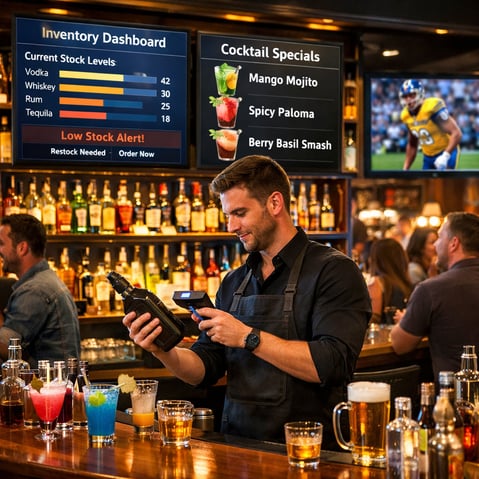
Beyond the direct financial impact, waste also affects your cost of goods sold (COGS), making it harder to accurately price your menu items and forecast purchasing needs. Many bar owners operate with beverage cost percentages that are 5-10% higher than they should be simply because they're not accounting for all the waste in their system. By identifying and quantifying these hidden costs, you can establish a baseline for improvement and set realistic targets for beverage cost reduction.

Smart Inventory Management Systems That Stop Money From Pouring Down the Drain

Implementing robust liquor inventory control through modern bar inventory software has become essential for bars serious about protecting their profit margins. These digital solutions replace outdated manual counting methods with streamlined systems that track every bottle from delivery to the last pour. Bar inventory software allows you to conduct regular inventory counts in a fraction of the time, compare actual usage against sales data, and quickly identify discrepancies that signal potential problems like theft, over-pouring, or recording errors.

The key to effective inventory management is consistency and frequency. Leading bars now conduct inventory counts at least weekly, with many high-volume establishments doing spot checks on premium bottles daily. Modern bar inventory software makes this practical by using barcode scanning or bottle weighing technology that reduces counting time by up to 75%. These systems automatically calculate variance reports, showing you exactly where your liquor is going and highlighting products with unusual depletion rates that deserve closer attention.

Beyond tracking, smart inventory systems help optimize your purchasing decisions and reduce over-ordering that leads to spoilage. By analyzing historical sales patterns and current stock levels, bar inventory software can generate suggested order lists that ensure you have enough inventory to meet demand without tying up excessive capital in bottles that sit on shelves. This targeted approach to purchasing is a powerful beverage cost reduction strategy that prevents both stockouts and waste from expired perishables.

Integration capabilities make modern inventory systems even more powerful. When your bar inventory software connects with your point-of-sale system, it creates an automatic feedback loop that tracks theoretical usage based on recipes against actual depletion. This variance analysis quickly reveals whether your staff is following standard recipes, whether theft is occurring, or whether your recipes need adjustment. The data-driven insights these systems provide transform liquor inventory control from guesswork into a precise science that directly improves bar profit margins.

Portion Control Techniques That Maintain Quality While Maximizing Profits

Consistent portion control is one of the most effective beverage cost reduction strategies available to bar owners, yet it's frequently overlooked or inconsistently applied. The difference between a 1.5-ounce pour and a 2-ounce pour might seem negligible on a single drink, but across hundreds of cocktails per week, that extra half-ounce represents significant profit loss. Implementing strict portion control measures ensures that every drink meets your cost targets while maintaining the consistency that keeps customers coming back.

Measured pourers and jiggers are the foundation of effective portion control. Free-pouring might look impressive, but even experienced bartenders can vary by 0.25 to 0.5 ounces per drink, especially during high-volume periods. Installing measured pourers on your liquor bottles guarantees that every shot is exactly the size you've designed your recipes around. For establishments that prefer the aesthetics of free-pouring, training bartenders to use jiggers consistently is essential. Regular pour tests, where managers check bartender accuracy with marked shot glasses, help maintain standards and identify team members who need additional training.

Recipe standardization goes hand-in-hand with portion control. Every cocktail on your menu should have a documented recipe with exact measurements for each ingredient. These standardized recipes become the foundation of your liquor inventory control system, allowing you to calculate theoretical usage and identify variances. When everyone follows the same recipe, you ensure consistent quality, accurate costing, and better inventory tracking. Many successful bars post laminated recipe cards at each station or use tablets with recipe apps to make it easy for bartenders to follow specifications exactly.

Portion control tools extend beyond pourers to include garnishes and mixers, which can also impact your bar profit margins. A heavy hand with expensive garnishes like fresh herbs or specialty bitters adds up quickly. Similarly, over-pouring mixers dilutes your cocktails and increases costs. By establishing clear standards for every element of your drinks and providing your team with the tools to execute consistently, you create a culture of precision that protects your margins while ensuring every guest receives the same high-quality experience.

Turning Food and Beverage Waste Into Creative Menu Opportunities

Progressive bar operators are discovering that effective liquor inventory control isn't just about preventing waste—it's also about creatively repurposing ingredients that might otherwise be discarded. This approach to beverage cost reduction transforms potential losses into profitable menu items while demonstrating environmental responsibility that resonates with modern consumers. By viewing surplus or aging inventory as an opportunity rather than a problem, you can create unique offerings that differentiate your bar from competitors.

Fruit and herb garnishes that are approaching the end of their freshness can be repurposed into house-made syrups, shrubs, and infusions that add complexity to your cocktail program. Citrus peels become oleo saccharum or dehydrated garnishes, while slightly wilted herbs can be muddled into specialty drinks or steeped into simple syrups. These value-added preparations not only reduce waste but also allow you to create signature ingredients that can't be easily replicated elsewhere, giving your bar a unique identity and justifying premium pricing.

Slow-moving spirits present another opportunity for creative menu development. Rather than watching premium bottles gather dust, feature them in limited-time cocktails or create a rotating "bartender's choice" program that highlights underutilized inventory. Many bars successfully use flight programs or tasting menus to introduce customers to slow-moving products, often discovering that certain items just need better promotion rather than being poor performers. This proactive approach to liquor inventory control prevents the write-offs that occur when bottles expire or become unsellable.

Consider implementing a zero-waste cocktail program that makes creative use of every ingredient. Juice pulp becomes ingredients in house-made sodas or is incorporated into food menu items. Coffee grounds from espresso martinis can be repurposed into coffee liqueur infusions. Even egg whites left over from yolk-forward dishes can be used in sours and fizzes. By systematically identifying waste streams and brainstorming creative applications, you engage your team in improving bar profit margins while building a reputation for innovation and sustainability that attracts environmentally conscious customers.

Training Your Team to Become Waste Reduction Champions

Even the most sophisticated bar inventory software and waste reduction systems will fail without buy-in from your team. The bartenders, barbacks, and servers who handle your inventory daily are your frontline defense against waste, and their habits directly impact your bar profit margins. Creating a culture where every team member understands the financial impact of waste and takes ownership of inventory control transforms your entire operation from reactive to proactive.

Start by making the business case transparent. Many bartenders don't realize that over-pouring a half-ounce on each drink in a busy Saturday night shift can cost the bar hundreds of dollars. Share the numbers with your team—show them how waste impacts profitability and, ultimately, their job security and tip potential. When staff understand that better liquor inventory control means a healthier business that can afford competitive wages and stay open long-term, they become invested in the outcome. Consider implementing incentive programs that reward teams for hitting variance targets or reducing beverage costs, creating positive motivation for careful inventory practices.

Comprehensive training programs should cover all aspects of beverage cost reduction, from proper pouring techniques and recipe adherence to inventory handling and storage procedures. Hands-on practice with jiggers and pourers helps bartenders develop muscle memory for accurate measurements. Role-playing scenarios where staff identify potential waste situations and discuss solutions builds problem-solving skills. Regular refresher training ensures that standards don't slip over time and gives you opportunities to introduce new techniques or address emerging issues. Documentation of all procedures creates a training resource for new hires and a reference for experienced staff.

Empowerment is the final piece of effective team training. Encourage staff to identify waste sources and suggest improvements—they often spot inefficiencies that management overlooks. Create a system where team members can easily report problems like leaking bottles, malfunctioning equipment, or recipe issues that lead to waste. Regular team meetings focused on inventory results foster accountability and allow for collaborative problem-solving. When bartenders feel like partners in the business rather than just employees, they naturally take more care with inventory and become genuine champions of waste reduction.

Tracking individual performance through your bar inventory software can also support training efforts. When you can show a bartender that their station has higher variance than others, it creates a concrete learning opportunity. Similarly, recognizing team members who consistently maintain tight inventory control reinforces positive behavior. By combining education, accountability, and recognition, you build a team culture where liquor inventory control becomes second nature, protecting your bar profit margins while elevating the professionalism of your entire operation.

Topics: Bar inventory, Hotel Inventory, wine inventory, managing liquor inventory cost, Liquor cost, Liquor Inventory savings, wine inventory app, wine inventory solution, wine inventory system, warehouse inventory

How Real-Time Stock Monitoring Optimizes Banquet Inventory Management

Posted by Nick Kaoukis on Mon, Feb, 09, 2026 @ 09:02 AM

Discover how real-time stock monitoring transforms banquet operations by eliminating waste, preventing stockouts, and maximizing profitability in your hospitality venue.

The Hidden Costs of Manual Inventory Tracking in Banquet Operations

Manual inventory tracking in banquet operations comes with significant hidden costs that extend far beyond the obvious time investment. Every hour your staff spends counting bottles, tallying supplies, and recording data on clipboards or spreadsheets is an hour taken away from guest service and revenue-generating activities. These labor costs compound quickly, especially in busy banquet facilities where multiple events may occur simultaneously, requiring frequent inventory checks across various storage locations.

Beyond labor inefficiencies, manual tracking introduces substantial margin for human error. Miscounts, missed items, and transcription mistakes lead to inaccurate stock levels that cascade into poor purchasing decisions. You might over-order items that are already adequately stocked, tying up capital in excess inventory, or worse, run out of critical supplies mid-event, forcing last-minute emergency purchases at premium prices. These errors also make it nearly impossible to accurately track pour costs and identify potential theft or over-pouring issues.

The lack of real-time visibility in manual systems means you're always operating with outdated information. By the time you've completed a full inventory count and entered the data, stock levels have already changed. This delay prevents proactive decision-making and leaves you constantly reacting to problems rather than preventing them. For banquet operations where timing and precision are everything, this reactive approach can seriously damage your reputation and bottom line.

What Real-Time Stock Monitoring Means for Your Banquet Business

The image depicts a modern banquet hall bustling with activity during a highprofile event Elegant round tables are adorned with pristine white tableclReal-time stock monitoring revolutionizes how banquet facilities manage their inventory by providing instant, accurate visibility into stock levels at any moment. This technology eliminates the guesswork and delays inherent in traditional inventory methods, allowing managers to access up-to-the-minute data on every item in their inventory from any device, anywhere. Whether you're on the banquet floor, in a planning meeting, or reviewing operations from home, you have complete transparency into what's in stock, what's running low, and what needs to be ordered.

The Scannabar inventory app exemplifies this modern approach to banquet inventory management. Using simple barcode scanning technology, staff can quickly update inventory levels in seconds rather than spending hours with pen and paper. The app automatically calculates stock values, tracks usage patterns, and generates detailed reports that give you actionable insights into your banquet operations. This seamless integration of technology means your inventory data is always current, always accurate, and always accessible.

Real-time monitoring also enables dynamic inventory management that adapts to your banquet schedule. You can track inventory consumption by event type, identify which items are used most frequently during specific seasons or occasions, and adjust your purchasing accordingly. This level of granular insight was simply impossible with manual tracking methods and empowers you to make data-driven decisions that optimize both service quality and profitability.

Preventing Stockouts During High-Volume Events and Peak Seasons

Stockouts during major banquet events represent one of the most damaging failures in hospitality operations. When you run out of a signature cocktail ingredient, premium wine selection, or essential food item during a wedding reception or corporate gala, you're not just losing immediate revenue—you're potentially losing future bookings and damaging your venue's reputation. Real-time stock monitoring provides the early warning system you need to prevent these catastrophic scenarios before they occur.

With live inventory data, you can set customized alerts that notify you when stock levels drop below predetermined thresholds. This proactive approach means you receive notifications well before items run out, giving you adequate time to reorder and restock. The Scannabar app takes this further by analyzing your historical usage patterns and upcoming event schedule to predict when you'll need to reorder specific items, accounting for lead times and ensuring supplies arrive exactly when needed.

Peak seasons like wedding season, holiday parties, and conference periods put extraordinary pressure on banquet inventory systems. Real-time monitoring allows you to scale your inventory management to meet these demands without over-investing in stock during slower periods. You can track consumption rates across multiple simultaneous events, identify which bars or service areas are depleting fastest, and redistribute inventory as needed to ensure no event suffers from shortages. This agility is impossible to achieve with manual systems that only provide periodic snapshots of inventory levels.

The integration of real-time data with your event calendar creates a powerful planning tool. You can review upcoming banquet bookings, assess the menu and beverage requirements for each event, and verify that you have sufficient inventory to fulfill all commitments. This forward-looking capability eliminates the panic and scrambling that often accompanies high-volume periods and allows your team to deliver consistently excellent service regardless of how busy your schedule becomes.

Reducing Food Waste and Controlling Costs with Live Inventory Data

Food and beverage waste represents one of the largest controllable expenses in banquet operations, yet many venues lack the visibility needed to effectively address it. Real-time inventory monitoring shines a spotlight on waste by tracking exactly what's being used, what's expiring, and where losses are occurring. This transparency allows you to identify patterns and implement targeted strategies to reduce waste and protect your profit margins.

Live inventory data reveals critical insights about product shelf life and turnover rates. You can identify slow-moving items before they expire and take corrective action—whether that means featuring them in special promotions, adjusting portion sizes, or simply ordering less in the future. The Scannabar app's reporting features highlight these opportunities by showing you which items have been sitting in inventory longest and calculating the financial impact of potential waste, enabling you to make informed decisions about product mix and ordering quantities.

Accurate, real-time tracking also helps you identify and address theft, over-pouring, and unauthorized consumption—all significant sources of inventory shrinkage in banquet operations. When you can compare actual usage against expected consumption based on event orders and guest counts, discrepancies become immediately apparent. This accountability naturally reduces losses and ensures that your inventory is being used efficiently and appropriately.

Cost control extends beyond waste reduction to encompass smarter purchasing decisions. With comprehensive data on usage patterns, seasonal variations, and price trends, you can optimize your ordering to take advantage of bulk discounts and favorable pricing while avoiding over-investment in slow-moving stock. Real-time monitoring also facilitates better vendor management by providing concrete data about delivery accuracy, product quality issues, and pricing consistency, strengthening your negotiating position and ensuring you're getting the best value for your inventory investment.

Implementing Smart Inventory Systems for Seamless Banquet Management

Implementing a smart inventory system like Scannabar in your banquet operation doesn't require a complete overhaul of your existing processes or extensive technical expertise. The key to successful implementation is starting with a clear understanding of your current inventory challenges and specific goals for improvement. Begin by conducting a comprehensive baseline inventory count to establish accurate starting data, then introduce the system gradually, starting with your highest-value or most frequently used items before expanding to your full inventory.

Training your staff is critical to successful adoption of any new technology. The beauty of modern inventory apps like Scannabar is their intuitive design—most staff members can learn the basic scanning and counting functions in just minutes. Focus your training on consistency and accuracy, emphasizing how the system benefits both the operation and individual employees by reducing tedious manual counting and eliminating the confusion that comes from outdated inventory information. When your team understands that the technology makes their jobs easier rather than more complicated, adoption becomes natural and enthusiastic.

Integration with your existing systems amplifies the value of real-time inventory monitoring. Connect your inventory data with your point-of-sale system, event management software, and purchasing workflows to create a seamless flow of information across your entire operation. This integration eliminates duplicate data entry, reduces errors, and provides a holistic view of your banquet business. The Scannabar app offers integration capabilities that allow it to work harmoniously with other hospitality management tools, creating a unified ecosystem that supports efficient operations.

Continuous improvement should be built into your inventory management approach. Use the detailed analytics and reports generated by your smart inventory system to regularly review performance, identify trends, and refine your processes. Schedule monthly or quarterly reviews to assess key metrics like inventory turnover, waste percentages, stockout incidents, and carrying costs. These reviews provide opportunities to celebrate successes, address persistent challenges, and adjust your inventory strategies to align with evolving business needs. The real-time data you've been collecting becomes the foundation for ongoing optimization that keeps your banquet operation competitive and profitable.

The return on investment from implementing smart inventory systems typically manifests quickly through reduced waste, improved purchasing efficiency, and decreased labor costs. Most banquet operations find that the system pays for itself within months through these tangible savings, while also delivering intangible benefits like improved staff morale, better guest experiences, and greater operational confidence. By embracing real-time stock monitoring technology, you're not just modernizing your inventory management—you're positioning your banquet business for sustained success in an increasingly competitive hospitality landscape.

Topics: Bar inventory, Hotel Inventory, Scannabar Inventory system, Liquor Inventory savings, Hotel Bar Inventory, Best Bar Inventory app, Best Liquor Inventory app, Cruise ship bar inventory, Country Club Liquor Inventory, Scannabar inventory app, Scannabar Inventory Software

Effective Strategies for Beverage Waste Reduction at Sea

Posted by Nick Kaoukis on Wed, Jan, 21, 2026 @ 09:01 AM

Discover innovative and practical methods to minimize beverage waste on cruise ships and marine hospitality venues while boosting sustainability and profits.

Understanding the Impact of Beverage Waste in Marine Hospitality

The image depicts a modern cruise ship bar bustling with activity The bar is elegantly designed featuring polished wooden surfaces and chrome fixturesBeverage waste is a significant challenge for cruise ships and marine hospitality operations, impacting both profitability and the environment. Wasted beverages translate directly into lost revenue and increased operational costs, as every unused or discarded drink represents not only a sunk cost in ingredients, but also in storage, transportation, and disposal.

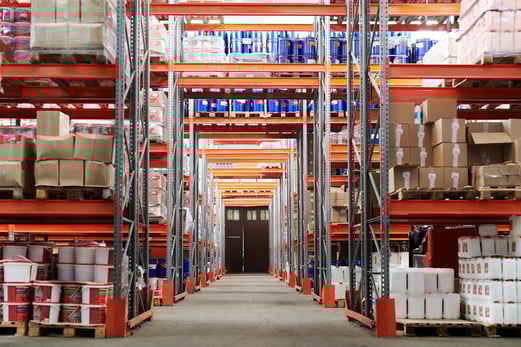

Additionally, beverage waste contributes to the overall environmental footprint of a cruise ship. Improperly managed waste can lead to pollution, strain waste management systems, and affect the sustainability goals of the hospitality industry at sea. Understanding the magnitude and sources of beverage waste is the first step toward crafting effective solutions.

Implementing Smart Inventory Management for Beverage Service

Smart inventory management is crucial to minimizing beverage waste on cruise ships. By accurately tracking inventory levels, usage patterns, and expiration dates, staff can avoid over-ordering and reduce the risk of spoilage. Using data-driven forecasting tools allows beverage managers to align supply with actual guest demand, ensuring products are consumed at their freshest.

Routine audits and implementing a first-in, first-out (FIFO) system further decrease waste by ensuring older stock is used before new arrivals. The right inventory process also helps in identifying slow-moving items, enabling menu adjustments and promotions to boost their consumption and avoid waste.

Staff Training and Engagement for Waste Reduction Success

A successful waste reduction strategy hinges on the buy-in and awareness of the entire crew. Comprehensive training programs should educate staff about the financial and environmental costs of beverage waste and empower them with practical steps to minimize it, such as precise pouring, responsible portioning, and timely restocking.

Engaging staff through incentives, recognition programs, and ongoing feedback fosters a culture of accountability and innovation. When crew members are invested in waste reduction, they are more likely to identify inefficiencies and suggest improvements that directly impact the operation’s sustainability and bottom line.

Innovative Technologies and Solutions for Onboard Waste Minimization

Emerging technologies are revolutionizing how cruise ships manage beverage waste. Automated inventory systems, smart dispensers, and connected point-of-sale (POS) solutions provide real-time data on consumption, helping to pinpoint waste hotspots and streamline ordering processes.

Other innovations include beverage recycling systems, on-demand mixing machines that minimize leftovers, and digital tracking tools that monitor waste trends. Investing in these technologies not only reduces waste but also enhances operational efficiency and guest satisfaction by ensuring popular items are always available and fresh.

Promoting Guest Participation in Sustainable Beverage Practices

Guests play a vital role in supporting beverage waste reduction initiatives. Cruise lines can engage their guests through educational campaigns, visible signage, and interactive programs that highlight the importance of sustainability and responsible consumption at sea.

Offering incentives for guests to finish their drinks, choose refillable options, or participate in green initiatives fosters a sense of shared responsibility. By involving passengers in waste reduction efforts, cruise ships not only minimize waste but also strengthen their brand reputation as champions of environmental stewardship.

Topics: Bar inventory, Restaurant Inventory, Scannabar Inventory system, Liquor Inventory savings, Loss prevention, Hotel Bar Inventory, Cruise ship bar inventory, Scannabar inventory app, Speakeasy

Shrinkage Reduction Tools: Boosting Warehouse Efficiency

Posted by Nick Kaoukis on Thu, Oct, 30, 2025 @ 09:10 AM

Discover how innovative shrinkage reduction tools can transform warehouse operations, minimize losses, and maximize profitability in the retail sector.

Understanding Shrinkage: The Hidden Threat to Retail Warehouseswarehouse inventory

As CEO, I recognize that shrinkage—loss of inventory due to theft, administrative errors, or mismanagement—remains a persistent and costly challenge for retail warehouses. Often, these losses go unnoticed until they significantly impact the bottom line, eroding profitability and undermining operational efficiency.

Addressing shrinkage is not just about plugging leaks in inventory; it’s about gaining visibility and control over every product that moves through the warehouse. Effective shrinkage management is crucial for maintaining customer trust, ensuring product availability, and sustaining healthy margins in a highly competitive industry.

Key Shrinkage Reduction Tools Revolutionizing the Industry

The evolution of inventory management tools has empowered warehouses to proactively combat shrinkage. Solutions like the Scannabar inventory app are revolutionizing how businesses track, audit, and secure their stock. With real-time data capture, barcode scanning, and automated reporting, these tools significantly reduce manual errors and provide actionable insights into inventory movements.

By integrating advanced analytics and digital inventory logs, these tools allow us to identify patterns of loss and quickly address vulnerabilities. This industry shift toward smarter, data-driven tools marks a new era for loss prevention strategies.

Implementing Technology-Driven Solutions for Loss Prevention

Implementing technology such as the Scannabar inventory app offers a robust layer of protection against shrinkage. The app’s intuitive interface enables staff to conduct rapid and accurate inventory counts, reducing opportunities for theft and misplacement. Automated alerts and discrepancy reports ensure immediate action when anomalies are detected.

Moreover, cloud-based systems enable centralized oversight, allowing managers to monitor multiple warehouses and locations from a single platform. This connected approach not only streamlines operations but also creates a transparent audit trail that reinforces accountability across the organization.

Best Practices for Training Warehouse Staff on Shrinkage Tools

A crucial aspect of leveraging shrinkage reduction tools is ensuring staff are well-trained and comfortable with the technology. We recommend comprehensive onboarding sessions, regular refresher courses, and hands-on demonstrations to build confidence and proficiency in using inventory apps like Scannabar.

Fostering a culture of accountability and technological literacy not only enhances efficiency, but also empowers employees to actively participate in loss prevention. Clear communication of protocols and expectations ensures that everyone understands the importance of accurate inventory management.

Maximizing ROI Through Efficient Shrinkage Reduction Strategies

Investing in shrinkage reduction tools like Scannabar yields measurable returns. By minimizing losses, optimizing stock levels, and automating labor-intensive processes, businesses can realize significant cost savings and profitability gains. The real-time data provided by these tools supports data-driven decision-making, further enhancing operational agility.

Ultimately, adopting innovative shrinkage reduction strategies positions warehouses to thrive in an ever-evolving retail landscape. The combined effect of reduced losses, improved inventory accuracy, and empowered staff translates directly into maximized ROI and a stronger competitive edge.

Topics: Bar inventory, Liquor Inventory savings, bar inventory system, bar inventory software, Best Bar Inventory app, Best Liquor Inventory app, Cruise ship bar inventory, Country Club Liquor Inventory

How Scannabar Helps Reduce Inventory Shrinkage in Warehouses

Posted by Nick Kaoukis on Mon, Aug, 04, 2025 @ 13:08 PM

Inventory shrinkage is a costly issue for warehouses, but Scannabar offers a cutting-edge solution that helps businesses maintain accurate stock levels and minimize losses.

The Hidden Costs of Inventory Shrinkage

Inventory shrinkage, which includes losses due to theft, damage, misplacement, and administrative errors, can significantly impact a warehouse's bottom line. Often, these losses are not immediately apparent but accumulate over time, eroding profits and affecting operational efficiency.Warehouse Inventory

The financial impact extends beyond just the cost of the lost items. It includes the cost of labor to manage discrepancies, the potential loss of customer trust due to stockouts, and the administrative burden of reconciling inventory records. Addressing shrinkage is crucial for maintaining healthy profit margins and operational integrity.

Why Real-Time Inventory Tracking Matters

In a fast-paced warehouse environment, having real-time visibility into inventory levels is essential. It allows businesses to respond quickly to low stock levels, adjust orders, and avoid overstocking or stockouts. Real-time tracking helps maintain a balance between supply and demand, ensuring that the right products are available when needed.

Moreover, real-time data enables better decision-making. Managers can analyze trends, forecast demand more accurately, and optimize storage space. This proactive approach reduces inefficiencies and enhances overall productivity.

How Scannabar Enhances Stock Accuracy

Scannabar leverages advanced barcoding and scanning technology to ensure precise inventory tracking. Each item in the warehouse is tagged with a unique barcode, which is scanned upon arrival, movement, and dispatch. This process minimizes human errors and provides an accurate, up-to-date record of stock levels.

Additionally, Scannabar integrates seamlessly with existing warehouse management systems, allowing for real-time updates and synchronization across all platforms. This integration ensures that inventory data is consistent and reliable, facilitating efficient stock management and reducing discrepancies.

Minimizing Theft with Scannabar's Advanced Features

Theft, both internal and external, is a significant contributor to inventory shrinkage. Scannabar addresses this issue with robust security features. The app tracks every movement of inventory, from receiving to shipping, creating a detailed audit trail. This transparency acts as a deterrent to potential thieves and helps identify and address suspicious activities promptly.

Furthermore, Scannabar's user access controls ensure that only authorized personnel can access certain areas of the inventory system. This layered security approach reduces the risk of unauthorized access and potential theft.

Case Studies: Success Stories with Scannabar

Many businesses have successfully implemented Scannabar to combat inventory shrinkage. For example, a leading consumer goods warehouse reported a 30% reduction in shrinkage within the first six months of using Scannabar. The real-time tracking and detailed audit trails helped identify problem areas and streamline inventory management processes.

Another case involved a mid-sized distribution center that faced frequent stock discrepancies. After adopting Scannabar, they experienced improved stock accuracy and reduced labor costs associated with manual inventory checks. These success stories highlight the tangible benefits of using Scannabar for inventory management.

Topics: Hotel Inventory, Liquor Inventory savings, Food Storage, Best Bar Inventory app, Best Liquor Inventory app, Cruise ship bar inventory, Country Club Liquor Inventory

Boost Hotel Inventory Efficiency with Scannabar

Posted by Nick Kaoukis on Thu, Oct, 31, 2024 @ 20:10 PM

Maximize your hotel's operational efficiency and reduce costs with Scannabar's advanced inventory management system.

Revolutionize Liquor Inventory ManagementHotel Bar Invetory

Managing liquor inventory is a critical aspect of hotel operations, and Scannabar offers a revolutionary solution. With its advanced features, Scannabar helps you keep track of every bottle and beverage with precision. This means no more manual counting, reduced errors, and a streamlined process that saves time and effort.

Implementing Scannabar's liquor inventory system ensures that you have a clear view of your stock levels at all times. This not only aids in maintaining optimal inventory but also helps in making informed purchasing decisions, thus avoiding overstocking or stockouts.

Streamline Bar Inventory Processes

A well-managed bar inventory is essential for providing excellent service and maximizing profits. Scannabar simplifies the entire bar inventory process. From tracking sales and usage to monitoring stock levels, this system covers all aspects efficiently.

With Scannabar, you can easily manage your bar inventory by integrating it with your point-of-sale systems. This seamless integration ensures that all inventory data is updated in real-time, making it easier to track and manage your bar supplies accurately.

Enhance Overall Hotel Inventory Efficiency

Scannabar is not just limited to liquor and bar inventory; it enhances overall hotel inventory efficiency. By providing a centralized system to manage all inventory types, Scannabar helps in maintaining consistency and accuracy across the board.

The system's user-friendly interface and robust features allow hotel staff to manage inventory seamlessly, leading to improved productivity and operational efficiency. This comprehensive approach ensures that all inventory-related tasks are handled efficiently, reducing the workload on your staff.

Reduce Operational Costs Significantly

One of the most significant benefits of using Scannabar is the reduction in operational costs. By automating inventory management processes, Scannabar minimizes the need for manual labor, thus cutting down on labor costs.

Additionally, the system's accuracy in tracking inventory levels helps in reducing wastage and pilferage. This ensures that your resources are utilized optimally, leading to significant cost savings in the long run.

Ensure Accurate and Real-Time Inventory Data

Accurate and real-time inventory data is crucial for making informed business decisions. Scannabar provides real-time updates on inventory levels, sales, and usage, ensuring that you always have the most current information at your fingertips.

This real-time data helps in identifying trends, forecasting demand, and managing supply chains more effectively. With Scannabar, you can ensure that your inventory data is always accurate, enabling you to run your hotel operations smoothly and efficiently.

Topics: Bar inventory, Hotel Inventory, Liquor Inventory savings, Hotel Bar Inventory, Best Bar Inventory app, Best Liquor Inventory app

The Secrets of Being a Successful Bar Manager

Posted by Nick Kaoukis on Tue, Mar, 05, 2024 @ 14:03 PM

Discover the key strategies and skills needed to excel as a bar manager and ensure the success of your establishment.

Bar ManagerBuilding a Strong Team

Building a strong team is crucial for the success of any bar business. A cohesive and efficient team can greatly contribute to the overall atmosphere and customer experience. As a bar manager, it is important to hire the right individuals who not only possess the necessary skills but also have a passion for the industry. Conduct thorough interviews and carefully select candidates who align with the values and goals of your establishment.

Once you have assembled your team, it is essential to provide them with proper training and ongoing support. This includes teaching them about your bar's unique offerings, such as signature cocktails or craft beers, and ensuring they have the knowledge to provide exceptional customer service. Foster a positive work environment where teamwork is encouraged, and recognize and reward your employees for their hard work and dedication.

Effective Inventory Management

Effective inventory management is vital for running a profitable bar business. It involves keeping track of all the products and supplies you have on hand, as well as monitoring their usage and ordering more when necessary. Implementing a reliable inventory management system can help you streamline the process and minimize waste.

Start by conducting regular inventory counts to accurately assess your stock levels. This will help you identify any discrepancies and prevent theft or loss. Additionally, categorize your inventory based on type and popularity to prioritize reordering. Consider using technology, such as bar management software, to automate the inventory tracking process and generate reports that provide valuable insights into your bar's performance.

By effectively managing your inventory, you can reduce costs, minimize stockouts, and ensure you always have the necessary ingredients and supplies to meet customer demand.

Creating a Unique Bar Experience

In order to stand out in a competitive industry, it is crucial to create a unique bar experience that sets your establishment apart from others. Start by defining your bar's concept and theme. This could be based on a specific cuisine, a particular type of drink, or a certain atmosphere. Consider what makes your bar special and find ways to highlight those features.

Pay attention to the ambiance of your bar by carefully selecting the decor, lighting, and music. Create a welcoming and comfortable environment that appeals to your target audience. Additionally, focus on providing exceptional customer service by training your staff to be knowledgeable, friendly, and attentive.

Offering a variety of innovative and creative drink options can also contribute to a unique bar experience. Consider crafting signature cocktails or partnering with local breweries to offer a selection of unique and exclusive beers. Regularly update your menu to keep things fresh and exciting for your customers.

Marketing and Promotions

Effective marketing and promotions are essential for attracting new customers and keeping your current patrons engaged. Develop a comprehensive marketing strategy that utilizes various channels, such as social media, email marketing, and local advertising.

Create a strong online presence by maintaining active social media accounts and regularly posting engaging content. This can include sharing updates about new drink specials, hosting events, or featuring customer testimonials. Consider partnering with influencers or local businesses to expand your reach and attract a wider audience.

In addition to digital marketing, explore opportunities for offline promotions. This can include hosting themed nights, offering happy hour specials, or partnering with local charities or organizations for fundraising events. Make sure to track the effectiveness of your marketing efforts by analyzing data and adjusting your strategies accordingly.

Adapting to Industry Trends

Staying up-to-date with industry trends is crucial for the success of your bar business. The preferences and expectations of customers are constantly evolving, and it is important to adapt and stay relevant. Keep an eye on emerging drink trends, such as craft cocktails or low-alcohol options, and incorporate them into your menu.

Additionally, consider the growing demand for sustainable practices and make efforts to reduce your bar's environmental impact. This can include using eco-friendly materials, implementing recycling programs, or sourcing ingredients from local and sustainable suppliers.

Stay informed about industry events and conferences to learn from industry experts and network with other bar managers. Join industry associations or online forums where you can exchange ideas and stay updated on the latest trends and best practices.

By continuously adapting to industry trends, you can ensure that your bar remains competitive and appealing to your target audience.

Topics: Bar inventory, Lineup control, Bar Management, Liquor Inventory savings, Best Bar Inventory app, Best Liquor Inventory app, Cruise ship bar inventory

Loss Prevention: The Bar Manager's Key to Quick Profit Growth

Posted by Nick Kaoukis on Thu, Aug, 16, 2012 @ 13:08 PM

How Keeping Close Tabs On Your Liquor Supply Can Both Cut Costs & Generate Revenue

Inventory ControlIndustry studies have consistently shown that a full 25% to 30% of a bar's liquor inventory never converts into registered sales. That is the equivalent of about six to eight 1.25 oz portions per bottle (which should yield at least 25 portions.) This loss of liquor volume--due to unauthorized comps, over-pouring, spillage or theft--should be of great concern to any bar manager. 

While losing 25% of a $25 bottle may not seem like a very serious problem--an unavoidable cost of doing business--the true cost is much greater than that $6 or $7 per bottle. The question you need to ask yourself is: Where is this lost liquor going? And how is it affecting sales? For instance, if your bartender is not pouring 1.25 oz portions, but is instead pouring 2 oz portions (say, perhaps, to curry favor with clients and receive a bigger tip), you're not just losing liquor volume, you're also losing potential sales. Where the customer may have been disposed to buy three drinks (3.75 ounces), he may now be content to buy just two 2-ounce drinks. Your bartender's actions, in this case, haven't merely cost you a dollar's worth of liquor, they may well have cost you $6-$8 in lost sales revenue (depending on how you price your drinks). And that's just for one customer buying two drinks. How often is this occurring? What if your bartender also happens to be giving away free drinks without your knowledge or authorization? The point is: "shrinkage" does not only affect supply costs, it can also affect revenues in a big way. 

That's why loss prevention is so important. The profitability of your business depends on whole bunch of variables--the location of your establishment, the overall economy, ever-changing customer tastes.... Achieving profit growth can be difficult and can rarely be accomplished overnight. Increasing the price of your drinks is risky, and can prove more harmful than helpful as far as your bottom line is concerned. And growing your clientele usually takes time. The best way to increase profits in the short-term, therefore, is not to try to fiddle with pricing or to increase your client base. (Of course, this is something you should always be doing. But it is not easy to do in the short-term.) The quickest way to increase revenue is to make the most of the clients you're already serving. And one way to do this is to improve operations by getting tighter grip on your inventory. Loss of liquor supply at double-digit levels is not an "unavoidable cost of doing business". It is "bad business". And it is entirely avoidable. Put simply, loss prevention can pay big dividends. What's more, it can be achieved quite quickly through the implementation of a quality liquor inventory control system.

Topics: liquor inventory, Bar inventory, bar inventory levels, bar efficiency, bar profitability, Bar Management, Liquor cost, Liquor Inventory savings, alcohol cost, Increasing Profits, Reducing Liquor Costs, bar control, inventory control, managing liquor costs

Drink Selection: Optimizing Your Liquor Inventory

Posted by Nick Kaoukis on Mon, Sep, 19, 2011 @ 10:09 AM
By Elizabeth Godsmark
Atlantic PublishingLiquor costs
 

Part 4 of 4: Trim Liquor Costs

Liquor prices don't vary a great deal from one wholesaler to another. Packaging and size also tend to be fairly consistent. So, what can you do about reducing liquor costs in your operation? The answer is quite a lot! It's a misconception in the liquor trade that your options are limited when it comes to selling liquor. Consider the following opportunities:

  • Bulk buys. Purchase staple liquors, such as whiskey, gin, vodka, brandy, rum and other popular spirits (e.g., fruit brandies) in bulk. They have a long shelf life and you know you can sell them within a reasonable period of time.
  • Trends. Stay ahead of consumption trends. Respond quickly. For example, the current trend in the United States is toward "light" spirits such as 80-and 86-proof whiskies, instead of 100-proof (50 percent alcohol) bonded whiskies. Wholesalers, too, are keen to promote these alternatives.
  • Distilled spirits. Their shelf life is exceptionally long. Buy distilled whenever possible, and minimize wastage.
  • Well liquors. Which well liquors you choose can really make a difference in reducing costs. But don't buy at any price and compromise on quality.Your reputation is at stake. Customers often judge an establishment by the quality of its well liquor.
  • Call liquors. Increase margins on call liquors (brand names). Guests who ask for Gordon's gin or Jack Daniel's whiskey, for example, are loyal to the brand and will probably not question the price.


This article is an excerpt from the Food Service Professional Guide to Controlling Liquor Wine & Beverage Costs, authored by Elizabeth Godsmark, published by Atlantic Publishing Company. This excerpt has been reprinted with permission of the publisher. To purchase this book go to:

Atlantic Publishing Company
Amazon.com

Topics: Hotel Inventory, Liquor Inventory savings, alcohol cost

Establishing Effective Purchasing & Receiving Strategies

Posted by Nick Kaoukis on Mon, Feb, 14, 2011 @ 10:02 AM
By Elizabeth Godsmark
Atlantic Publishing

Part 7 of 7: Reduce Purchase Costs

reduce purchase costsThe purchasing department is the linchpin when it comes to reducing costs. It is much easier to control costs in this area than anywhere else in the operation. The bottom line is that astute buying techniques offer the best opportunity for a business to increase its overall profits.


  • Monitor market trends. An upsurge in popularity of a certain beverage can lead to increased competition amongst vendors. Play them off against each other occasionally. Negotiate. You have nothing to lose!
  • Welcome new ideas. Purchasers should always be on the lookout for new ideas and new ways of reducing costs. Don't close your door to sales rep­resentatives. They may genuinely have something of interest to your establishment. Consider their promotional discounts.
  • "Opportunity buys." Don't rule them out. Take a look at items that may soon be discontinued or overstocked merchandise where a supplier has simply miscalculated demand. You could make big savings.
  • Cooperative purchasing. Consider "pool" purchasing with other enterprises. It can give you added purchasing power.
  • Change purchase unit size. Buy drinks in larger volumes. This can trim costs considerably, particu­larly in the case of liquor purchases where sell-by dates tend to be more generous.
  • Place multiple orders. Consider buying your full range of drinks from one wholesaler. It may offer you amazing reductions, especially if it's keen to do business with you on a repeat basis.

Topics: liquor inventory, inventory managers, Bar inventory, liquor purchasing, managing liquor inventory cost, bar business, Bar Management, Liquor Inventory savings, inventory control, managing liquor costs