Discover how strategic bar inventory management can unlock hidden cash, reduce waste by up to 30%, and transform your establishment's financial health.
The Hidden Cash Drain in Your Bar Inventory
Walk into any busy bar's storage area, and you'll likely find thousands of dollars sitting idle on shelves—cash that could be working for your business instead of gathering dust. Many bar owners don't realize that overstocking inventory is one of the most significant yet overlooked drains on their cash flow. Every bottle of premium spirits, case of beer, and specialty mixer represents capital that's tied up and unavailable for other critical business needs like payroll, marketing, or equipment maintenance.
The problem becomes even more pronounced when you consider spoilage, breakage, and product degradation. Wines can oxidize, craft beers have limited shelf lives, and fresh ingredients for craft cocktails can spoil before they're ever used. Industry studies show that bars lose an average of 20-30% of their inventory to waste, theft, and over-pouring. When you combine these losses with the opportunity cost of tied-up capital, the financial impact becomes staggering.
The key to unlocking this hidden cash lies in understanding the difference between being well-stocked and being overstocked. A well-managed bar maintains just enough inventory to meet customer demand without interruption, while an overstocked bar ties up unnecessary capital in products that sit idle. By implementing strategic par levels—the minimum amount of each product you need on hand to operate efficiently—you can dramatically improve your cash flow while ensuring your customers never face an empty glass.
Building Your Foundation with Par Level Systems
Setting ideal par levels begins with understanding your bar's unique sales patterns and customer preferences. Start by conducting a thorough analysis of your sales data over the past three to six months. Identify your fast-moving products—those bottles that fly off the shelf during peak hours—and your slow-moving items that take weeks to sell. This baseline data becomes the foundation for your entire inventory management system. For fast-moving spirits like well vodka or popular whiskeys, you might set a par level of four bottles, knowing you'll sell through them within a week. For specialty liqueurs used only in specific cocktails, one bottle might suffice.
The formula for calculating par levels is straightforward but requires honest assessment: Par Level = (Average Daily Usage × Lead Time) + Safety Stock. Lead time represents how long it takes from ordering to receiving your products, while safety stock is your buffer against unexpected demand spikes or delivery delays. For example, if you sell an average of two bottles of tequila per day, have a three-day lead time, and want one extra bottle as safety stock, your par level would be seven bottles. This ensures you never run out while avoiding excessive inventory.
Remember that par levels aren't set in stone—they should flex with your business cycles. A beach bar might need higher par levels for light beers and white wine during summer months, while a downtown cocktail lounge might stock up on bourbon and craft spirits before the holiday party season. Review and adjust your par levels quarterly, or more frequently if you notice significant changes in customer preferences or sales patterns. Document these levels clearly and make them accessible to your entire team, ensuring everyone understands the targets they're working toward.
Leveraging Technology to Automate Inventory Tracking
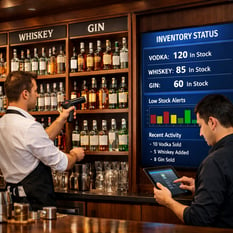
Manual inventory counting is time-consuming, error-prone, and often incomplete—challenges that modern bar management technology can solve. Today's inventory management systems use barcode scanning, mobile apps, and cloud-based platforms to track every bottle from delivery to pour. These systems automatically calculate variance, flag discrepancies, and generate purchase orders when stock levels fall below your established par levels. What once took hours of clipboard work can now be accomplished in minutes with greater accuracy.
The real power of inventory technology lies in its ability to provide real-time visibility into your stock levels and consumption patterns. Advanced systems integrate directly with your point-of-sale (POS) system, automatically deducting inventory as drinks are sold. This creates a perpetual inventory system that shows you exactly what's on hand at any moment, eliminating the need for constant physical counts. When combined with recipe management features, these systems can even predict exactly when you'll need to reorder based on upcoming reservations and historical sales data.
Implementation doesn't have to be overwhelming or expensive. Start by digitizing your most valuable and fast-moving inventory items first—premium spirits and popular brands that represent the bulk of your revenue. As your team becomes comfortable with the technology, expand to include your full inventory. Many modern systems offer mobile apps that allow bartenders to report low stock levels instantly, triggering alerts to managers before items run out completely. This proactive approach prevents stockouts during busy service while keeping your inventory lean and your cash flow healthy.
Turning Data into Dollars with Strategic Purchasing
Once you have accurate par levels and reliable tracking systems in place, you can transform your purchasing strategy from reactive to strategic. Instead of ordering based on gut feelings or supplier recommendations, you'll make data-driven decisions that optimize both inventory levels and cash flow. Analyze your purchase history to identify opportunities for volume discounts on fast-moving items, but only when the savings exceed the cost of holding extra inventory. A 10% discount on a case of vodka you'll sell in three days is valuable; the same discount on a slow-moving amaretto might tie up cash for months.
Develop strong relationships with multiple suppliers to create flexibility in your ordering process. Having backup suppliers ensures you can maintain par levels even when primary vendors face shortages or delays. Negotiate payment terms that favor your cash flow—net 30 or net 45 terms are preferable to COD, as they allow you to sell the product before paying for it. Some suppliers offer early payment discounts; run the numbers to determine if the discount percentage exceeds what you'd earn by keeping that cash working in your business.
Consider implementing a just-in-time (JIT) ordering approach for your fastest-moving products, particularly draft beer and house wines. Work with local distributors who can deliver multiple times per week, allowing you to maintain lower par levels without risking stockouts. This approach requires reliable suppliers and strong communication, but the cash flow benefits are substantial. For specialty and slow-moving items, order less frequently but with greater precision—these products should earn their shelf space by turning over within reasonable timeframes, typically 30-45 days for spirits and even faster for perishables.
Creating a Culture of Accountability Among Your Team
The most sophisticated inventory system in the world won't improve your cash flow if your team doesn't understand or follow it. Creating a culture of accountability starts with education—help your bartenders and servers understand how inventory management directly impacts their livelihoods. When inventory is properly controlled, the business has more resources for competitive wages, better equipment, and growth opportunities. When inventory management is lax, everyone suffers through reduced hours, deferred maintenance, and financial instability.
Establish clear protocols for inventory handling and make them part of your training program. Every team member should know the proper procedures for receiving deliveries, storing products, conducting counts, and reporting shortages. Assign specific inventory responsibilities to individual team members, rotating duties to prevent complacency and reduce theft opportunities. Weekly mini-counts of high-value items, conducted by rotating staff members, catch discrepancies quickly while demonstrating management's commitment to inventory accuracy.
Recognition and incentives can transform inventory management from a dreaded chore into a source of pride. Celebrate teams or shifts that maintain excellent inventory accuracy and minimal waste. Consider implementing a bonus structure tied to inventory performance—when shrinkage stays below 5% or when inventory turnover improves, share the savings with the team. This creates direct alignment between employee behavior and business outcomes. Regular team meetings to review inventory metrics, discuss challenges, and brainstorm solutions keep everyone engaged and invested in the process. Remember, your inventory system is only as strong as the people executing it daily—invest in them, and they'll protect your bottom line.