Expert Advice on Hospitality Topics

Top Cocktail Bars to Experience in Miami This Weekend

Posted by Nick Kaoukis on Wed, Apr, 22, 2026 @ 09:04 AM

Discover Miami's most electrifying cocktail scene where world-class mixologists craft unforgettable drinks against stunning backdrops of ocean views, art deco architecture, and vibrant nightlife.

Miami's Craft Cocktail Renaissance: Where Innovation Meets Tradition

Miami's bar scene has undergone a remarkable transformation over the past decade, evolving from flashy nightclubs into sophisticated cocktail destinations that rival New York and Los Angeles. The Magic City has become a hotbed for creative mixologists who blend Latin influences with classic cocktail traditions, creating drinks that are as visually stunning as they are delicious. From molecular gastronomy techniques to farm-to-glass ingredients, Miami's bartenders are pushing boundaries while honoring time-tested recipes.

The city's unique cultural melting pot plays a crucial role in this renaissance. Cuban rum heritage merges seamlessly with contemporary craft spirits, while tropical fruits native to South Florida add distinctive flavors you won't find anywhere else. Neighborhoods like Wynwood, Brickell, and South Beach have become epicenters of this movement, each offering its own distinct flavor profile and atmosphere.

What sets Miami apart is the perfect marriage of environment and expertise. Bartenders here understand that a great cocktail experience isn't just about what's in the glass—it's about the ocean breeze, the art deco surroundings, and the electric energy that makes Miami unlike any other city in the world.

Waterfront Watering Holes That Redefine Coastal Sipping

There's nothing quite like sipping a perfectly crafted mojito while watching the sun set over Biscayne Bay. Miami's waterfront bars capitalize on the city's greatest asset—its stunning coastline—by offering experiences that combine world-class mixology with breathtaking water views. The Wharf Miami in Downtown provides an industrial-chic atmosphere right on the Miami River, where you can enjoy craft cocktails while boats drift by and the city skyline glows in the background.

For a more upscale experience, head to Baia Beach Club at the Confidante Miami Beach, where Mediterranean-inspired cocktails complement the sophisticated beachfront ambiance. Their signature drinks incorporate fresh herbs and premium spirits, served against a backdrop of pristine white sand and turquoise waters. The bar seamlessly transitions from lazy afternoon sipping to evening cocktail hour, making it perfect for an all-day visit.

Don't overlook Monty's Raw Bar in Coconut Grove, a local institution that's been serving waterfront cocktails for decades. While it might not have the polish of newer establishments, its authentic Florida Keys vibe and stone crab claws paired with ice-cold margaritas offer an experience that's quintessentially Miami. The tiki-style thatched roof and sailboats bobbing in the marina create an atmosphere that reminds you why people fall in love with this city.

Hidden Speakeasies and Secret Bars Worth Finding

Miami's speakeasy scene adds an element of adventure to your bar-hopping weekend. Broken Shaker at the Freehand Hotel in Miami Beach consistently ranks among the best bars in North America, yet maintains an intimate, hidden-garden feel that makes discovering it feel like finding buried treasure. Located in the hotel's backyard, this award-winning bar features inventive cocktails with house-made ingredients, tropical plants, and mismatched vintage furniture that creates a bohemian paradise.

The Anderson in downtown Miami takes the speakeasy concept seriously with its unmarked entrance and intimate Art Deco interior. This 1920s-inspired lounge requires a bit of detective work to find, but once inside, you'll be transported to the Prohibition era with expertly crafted classic cocktails, live jazz music, and an atmosphere that demands you dress to impress. Their bartenders are true craftsmen who take pride in recreating forgotten recipes and inventing new ones.

For something completely unexpected, seek out Sweet Liberty Drinks & Supply Company in South Beach. While not technically hidden, this bar flies under the radar of tourists while remaining a favorite among locals and industry professionals. The team here has won countless awards for their innovative approach to cocktails, using cutting-edge techniques and unexpected ingredients. Their emphasis on hospitality makes every guest feel like a regular, even on their first visit.

Rooftop Revelry: Sky-High Cocktails with Unforgettable Views

Miami's skyline deserves to be admired from above, and the city's rooftop bars provide the perfect vantage point along with exceptional cocktails. Sugar at East Miami sits 40 stories above Brickell, offering 360-degree views of the city, Biscayne Bay, and the Atlantic Ocean. The Asian-inspired cocktail menu features innovative drinks that match the sophisticated atmosphere, while three distinct levels provide different experiences—from intimate indoor lounging to open-air revelry.

Juvia in South Beach combines three culinary traditions—French, Japanese, and Peruvian—with a rooftop setting that showcases both the ocean and the city. The penthouse location provides unobstructed views while the creative cocktail program incorporates fresh juices, exotic fruits, and premium spirits. Sunset here is particularly magical, as the sky transforms into brilliant oranges and pinks reflecting off the Art Deco buildings below.

For a more laid-back rooftop experience, visit Mister O1 Extraordinary Pizza's rooftop in Wynwood. While known for their pizza, their craft cocktail menu and panoramic views of the neighborhood's famous street art make it a must-visit. The casual atmosphere welcomes both couples on date night and groups of friends, and the ability to pair creative cocktails with some of Miami's best pizza makes it perfect for a longer stay. Watch the sun set behind the colorful murals that have made Wynwood an international art destination.

Expert Tips for Planning Your Ultimate Miami Bar Crawl

Timing is everything when planning your Miami bar adventure. Start your evening early—around 6 PM—to catch happy hour specials and beat the crowds. Many of Miami's best bars get packed by 10 PM, especially on weekends, so arriving earlier ensures you get seats and quality time with bartenders who can recommend drinks based on your preferences. The golden hour also provides the best lighting for those waterfront and rooftop views.

Geographic clustering is your friend in Miami's sprawling landscape. Plan your bar crawl by neighborhood rather than trying to hit spots across the entire city. Wynwood offers a concentration of trendy bars within walking distance, while South Beach provides beachfront and Art Deco options all close together. Brickell is perfect for upscale cocktail lounges and rooftop bars. This approach minimizes Uber costs and travel time while letting you explore each neighborhood's unique character.

Dress codes matter more in Miami than in many other cities. While some bars embrace casual beach vibes, upscale establishments like The Anderson and Sugar enforce dress codes—no shorts, flip-flops, or athletic wear. Pack versatile outfits that can transition from beachside to sophisticated lounge. Also, always make reservations when possible, especially for rooftop bars and speakeasies. Finally, pace yourself and stay hydrated—Miami's heat and humidity intensify alcohol's effects, so alternate cocktails with water to ensure you can enjoy the entire weekend without burning out on the first night.

Topics: Bar inventory, Bar staff, Bar trends, Bar drinks, Bar products, Bar Promotion, Best Bar Inventory app, Miami

Exploring the Classic Dive Bar Atmosphere Across America

Posted by Nick Kaoukis on Mon, Apr, 13, 2026 @ 09:04 AM

Discover the authentic charm and unpretentious allure of America's beloved dive bars, where cold drinks, friendly faces, and timeless character create unforgettable experiences.

What Makes a Dive Bar Truly Authentic

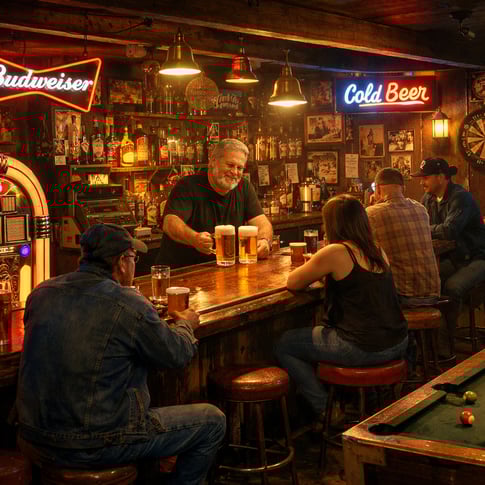
A true dive bar isn't defined by a carefully curated aesthetic or Instagram-worthy decor—it's built on decades of character that money can't buy. The walls might be a bit dingy, the furniture mismatched, and the lighting dim, but these imperfections tell stories of countless nights, celebrations, and commiserations. Authentic dive bars feature worn pool tables with felt that's seen better days, jukeboxes loaded with classic rock and country hits, and bartenders who know their regulars by name and drink order. The beer is cold, the prices are fair, and there's never a velvet rope or pretentious door policy.Classic Dive Bar Neon Glow and Worn Wood Bar-1

What truly separates an authentic dive from a manufactured imitation is the absence of self-awareness. Real dives don't try to be dive bars—they simply are. You'll find neon beer signs that have been glowing since the Reagan administration, dartboards with holes surrounding the bullseye, and bathrooms that range from questionable to surprisingly clean. The clientele is diverse, spanning blue-collar workers fresh off their shifts, neighborhood regulars who've been coming for thirty years, and adventurous newcomers seeking something real in an increasingly polished world.

The soul of an authentic dive bar lies in its democratic spirit. CEOs sit next to construction workers, artists chat with accountants, and everyone is judged solely by how they treat their fellow patrons and the bartender. There's no VIP section, no bottle service, and no reservation system. The drink menu is straightforward—beer, whiskey, and maybe a few basic mixed drinks. If you ask for a craft cocktail with house-made bitters and organic herbs, you might get laughed out the door. This unpretentious approach creates a leveling effect where status and wealth matter less than being a good person who tips well.

Regional Dive Bar Cultures From Coast to Coast

The American dive bar experience varies dramatically depending on where you plant your barstool. In the Pacific Northwest, particularly Portland and Seattle, dive bars embrace a laid-back grunge aesthetic with strong coffee culture influences—yes, some Portland dives serve decent coffee alongside their whiskey. These establishments often feature local microbrews on tap despite their divey credentials, and you'll find flannel-clad patrons discussing everything from tech startups to environmental activism. The vibe is unpretentious yet socially conscious, with many dive bars doubling as music venues for local punk and indie bands.

Head to the Midwest, and dive bars become community living rooms. In cities like Milwaukee, Chicago, and Detroit, these establishments are generational gathering spots where the same families have been drinking for decades. Wisconsin dive bars are particularly notable for their Friday fish fries, generous brandy old fashioneds, and an almost religious dedication to the Green Bay Packers. The Midwest dive embraces practicality over style, with hearty comfort food, affordable domestic beers, and an atmosphere that makes strangers feel like old friends within minutes. Many of these bars have survived economic downturns and neighborhood changes, standing as testaments to resilience.

Southern dive bars bring their own flavor to the equation, often featuring pool tables, country music on the jukebox, and a more relaxed attitude toward closing time. From honky-tonks in Texas to beachside dives in Florida, the Southern dive bar culture emphasizes hospitality and storytelling. You'll find bartenders who remember your name after one visit and regulars who'll strike up conversations about anything from local politics to the best BBQ joints in town. Meanwhile, East Coast dives, particularly in cities like Boston, Philadelphia, and the boroughs of New York, tend toward the gritty and authentic, with neighborhood loyalty running deep and each bar serving as a defacto community center.

West Coast dive bars, especially in California, blend beach culture with working-class roots. San Diego and Los Angeles boast dive bars where surfers grab beers after dawn patrol sessions, while San Francisco's dives reflect the city's maritime history and blue-collar neighborhoods that refuse to be gentrified out of existence. Desert dives in Nevada and Arizona offer air-conditioned refuges from brutal heat, often featuring video poker machines and a clientele of locals, bikers, and road-trippers seeking authentic experiences off the beaten tourist path.

The Unwritten Rules of Dive Bar Etiquette

Walking into a dive bar for the first time requires understanding certain unspoken protocols. First and foremost: respect the regulars and their seats. That empty barstool might look available, but if you see a jacket, keys, or even just a particular worn spot on the vinyl, it likely belongs to someone who's been sitting there for the past fifteen years. Ask before sitting, and if a regular politely suggests you move, do so without complaint. The bartender's attention should be earned through patience and eye contact—never snap your fingers, wave money, or shout demands. Wait your turn, and when you finally order, know what you want and order decisively.

Tipping is not optional in dive bars—it's essential. Even though drinks are cheaper than in upscale establishments, your bartender is working just as hard, often juggling roles as therapist, mediator, and entertainer. The standard dollar per drink or 20% of your tab applies here, and if you're nursing a single beer for two hours while occupying premium real estate at the bar, tip generously to compensate. If you can't afford to tip properly, you can't afford to be there. Additionally, never criticize the establishment's condition or make jokes about needing a tetanus shot—the people drinking there love this place, and insulting it insults them.

Conversation in dive bars follows its own code. It's perfectly acceptable to chat with strangers, but read the room and respect personal space. If someone's clearly drinking alone by choice, staring into their glass or watching the game with focused attention, leave them be. Avoid controversial topics unless you're prepared for passionate debate, and never, ever lecture regulars about health, lifestyle choices, or their drinking habits. The dive bar is a judgment-free zone. Keep your phone usage minimal—scrolling through social media or taking constant photos marks you as an outsider who doesn't understand the culture.

Finally, understand that the jukebox is sacred ground. Don't play the same song repeatedly, avoid choosing excessively long tracks when the bar is busy, and never—under any circumstances—unplug the jukebox if you don't like someone else's selection. If there's a pool table, put your quarters up to claim the next game and respect the established rotation. Win or lose graciously, and if you break house rules or equipment, own up to it and offer to make it right. These simple gestures of respect will transform you from a tourist into a welcomed guest, and eventually, if you keep coming back, into a regular yourself.

Why Dive Bars Remain Essential to Local Communities

In an era of corporate chains and algorithm-driven experiences, dive bars serve as crucial third spaces where genuine human connection still flourishes. They're neither home nor work, but somewhere in between—neutral ground where people from all walks of life can gather without pretense or expectation. These establishments foster community bonds that social media can never replicate, providing face-to-face interaction in an increasingly digital world. For many regulars, their local dive bar represents consistency and belonging in lives that may otherwise feel chaotic or isolating. The bartender who asks about your mother's health, the regular who saved your seat, the stranger who bought you a drink when you were down—these moments of human kindness happen daily in dive bars across America.

Dive bars also serve economic functions that extend beyond simple commerce. They're often among the last affordable gathering places in gentrifying neighborhoods, providing working-class residents a social outlet that doesn't require a second mortgage. Many dive bars employ locals, support community causes, and serve as informal job networks where opportunities are shared over beers. When disasters strike—whether personal tragedies or community crises—dive bars frequently become fundraising centers and emotional support hubs. The tip jar might say it's for the bartender, but it's just as likely collecting money for a regular's medical bills or a local family who lost their home.

These establishments preserve cultural history in ways that museums cannot. The photographs on the walls, the stories told by longtime regulars, the traditions passed down through generations—dive bars are living archives of neighborhood evolution. They remember when the factory was still operating, when the old church stood on the corner, when housing was affordable and the neighborhood was different. This institutional memory creates continuity and identity, reminding communities of where they came from even as they change. Many dive bars have survived for fifty, seventy, even a hundred years, weathering Prohibition, economic depressions, urban renewal, and gentrification.

Perhaps most importantly, dive bars provide non-judgmental spaces for people who might not fit elsewhere. The lonely, the eccentric, the heartbroken, the celebrating—everyone is welcome at the dive bar as long as they follow the basic rules of respect and decency. In a society increasingly divided by politics, economics, and social media algorithms, dive bars remain stubbornly democratic spaces where differences are either discussed civilly over drinks or set aside entirely in favor of shared humanity. This social function—creating community across divides—may be the dive bar's greatest contribution to American life.

Finding Your Perfect Neighborhood Watering Hole

Discovering your ideal dive bar requires more than a quick Google search or following trendy recommendations. The best approach is old-fashioned exploration—walk your neighborhood and notice which bars have locals streaming in on weekday evenings, which establishments have been around for decades, and which places just feel right when you peer through the window. Your perfect dive bar probably won't have a polished online presence or a social media manager crafting witty posts. It might not even have a website. Look for neon signs, simple names like Joe's Bar or The Corner Tap, and the kind of worn exterior that suggests the place has been serving drinks since before you were born.

When you've identified a potential spot, visit at different times to get a sense of the atmosphere and clientele. A dive bar might be perfect for quiet afternoon drinks but overwhelming on Friday nights, or vice versa. Pay attention to how the bartender treats regulars—this will eventually be how they treat you if you become one. Notice whether conversations flow naturally, whether people seem genuinely comfortable, and whether the overall vibe matches what you're seeking. Some dives are sports-focused with games always on TV, others are music-centered with jukeboxes or live bands, and some are conversation bars where the television stays off and patrons actually talk to each other.

Don't be discouraged if your first few visits feel awkward. Breaking into an established dive bar community takes time and consistency. Show up regularly, tip well, be friendly but not intrusive, and let relationships develop naturally. Learn the bartender's name and use it respectfully. Engage in small talk when appropriate but don't force connections. Over time, faces will become familiar, nods will turn into greetings, and greetings will evolve into conversations. One day you'll walk in and realize your usual drink is already being poured, your favorite stool is available, and you've become part of the family.

Remember that your perfect dive bar might not match anyone else's ideal, and that's entirely the point. The beauty of dive bar culture is its diversity—what matters isn't finding the coolest or most Instagram-worthy spot, but discovering a place where you genuinely feel comfortable and welcome. Maybe it's the bar with the best jukebox, or the one with shuffleboard, or simply the place closest to your apartment where the bartender has a great laugh. Trust your instincts, give places a fair chance, and when you find your spot, become the kind of regular that makes it special for the next newcomer who walks through the door. The best dive bars aren't just found—they're chosen, nurtured, and loved into becoming home.

Topics: Bar inventory, Bar staff, Bar trends, Bar drinks, Bar Management, Bar products, Bar Promotion, dive bar

Best March Madness Viewing Venues for Basketball Fans

Posted by Nick Kaoukis on Wed, Mar, 11, 2026 @ 09:03 AM

Discover the ultimate destinations where sports bars, hotels, and entertainment venues transform March Madness into an unforgettable experience with premium viewing setups, exciting atmospheres, and fan-favorite amenities.

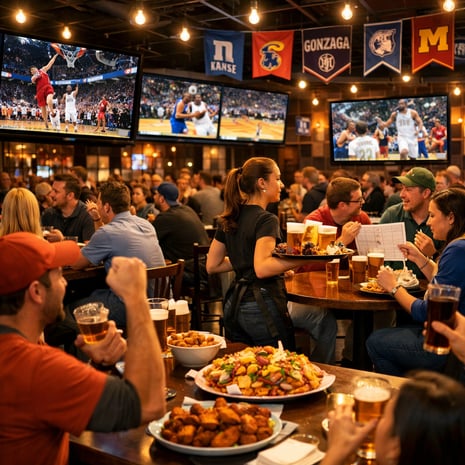
Why the Right Venue Makes All the Difference During March MadnessThe image depicts a lively sports bar bustling with excitement during March Madness Large HD screens hang from the walls showcasing multiple basketbal-1

March Madness is more than just a basketball tournament—it's a cultural phenomenon that brings together millions of fans for three weeks of non-stop excitement, buzzer-beaters, and Cinderella stories. While you could certainly watch the games from your couch, choosing the right venue elevates the entire experience from casual viewing to an unforgettable celebration of college basketball. The energy of a crowd erupting after a game-winning three-pointer, the camaraderie of fellow fans debating bracket picks, and the electric atmosphere that only comes from watching with other passionate supporters—these are the elements that transform March Madness from good to legendary.

The venue you choose sets the tone for your entire tournament experience. A great location offers more than just a screen—it provides the perfect combination of viewing quality, food and drink options, comfortable seating, and that intangible buzz that makes every possession feel more intense. Whether you're a die-hard fan who needs to watch every game or a casual viewer who just wants to catch the biggest matchups, selecting the right headquarters for your March Madness experience ensures you'll have the best seat in the house when those bracket-busting moments happen. From the opening tip-off of the First Four to the final seconds of the championship game, your venue choice can make or break your tournament memories.

Sports Bars That Deliver the Ultimate Game Day Experience

Sports bars remain the gold standard for March Madness viewing, and for good reason. The best establishments dedicate every screen to tournament action, ensuring you won't miss a single upset while you're focused on another game. Look for sports bars that offer wall-to-wall HD screens positioned strategically throughout the venue, so whether you're at the bar, in a booth, or grabbing another round of wings, you'll always have a perfect view. Many top-tier sports bars also provide individual audio controls or have designated sections for different games, allowing you to tune into the broadcast that matters most to your bracket.

The food and drink offerings at sports bars are specifically designed for marathon viewing sessions. Classic game day fare like buffalo wings, loaded nachos, sliders, and pizza provide the perfect fuel for hours of basketball action. Many bars create special March Madness menus with themed items and bucket deals that keep your group satisfied without constant trips to the counter. The beverage selection typically includes a wide variety of craft and domestic beers, creative cocktails, and non-alcoholic options, often with tournament-themed specials and happy hour deals that run during afternoon games.

What truly sets sports bars apart is the atmosphere they cultivate during March Madness. The collective roar when an underdog pulls off an upset, the groans when someone's Final Four pick goes down, and the friendly trash talk between rival fans create an energy that simply can't be replicated at home. Many sports bars host bracket challenges with prizes, organize raffles during timeouts, and create viewing communities that return year after year. The staff at dedicated sports bars understand the tournament's significance and work to enhance the experience, whether that means quickly switching audio between games or ensuring your table is ready before the prime-time matchups begin.

Hotels with Championship-Caliber Viewing Parties and Packages

Major hotels and resorts have recognized March Madness as a prime opportunity to create destination viewing experiences, particularly in cities known for their sports culture or those hosting tournament games. Upscale hotels often transform their ballrooms, poolside areas, or sports lounges into premium viewing venues complete with massive projection screens, superior sound systems, and VIP seating arrangements. These venues combine the excitement of public viewing with elevated amenities that include premium food and beverage service, comfortable lounge seating, and sometimes even dedicated concierge services to ensure your experience is seamless.

Many hotels create complete March Madness packages that bundle accommodations with viewing party access, making them ideal for groups traveling from out of town or locals who want to turn the tournament into a special getaway. These packages often include perks like complimentary breakfast, late checkout to recover from late-night overtime thrillers, welcome amenities with tournament-themed treats, and sometimes even tickets to live games if the hotel is in a host city. The convenience factor is unmatched—you can enjoy the games, indulge in the festivities, and simply take an elevator to your room without worrying about transportation.

Hotel viewing parties often attract a more diverse crowd than traditional sports bars, creating a unique social atmosphere where business travelers, tourists, and local fans mingle. The food and beverage offerings typically skew upscale, with craft cocktail programs, premium beer selections, and menus that go beyond standard bar fare to include items like gourmet flatbreads, artisanal sliders, and elevated appetizer spreads. Some hotels partner with celebrity chefs or local restaurants to provide catering that matches the championship-level experience. For fans who appreciate a more refined environment without sacrificing the excitement of communal viewing, hotel viewing parties offer the best of both worlds.

Entertainment Complexes Offering Immersive Basketball Experiences

Entertainment complexes and lifestyle centers have emerged as exciting alternatives for March Madness viewing, offering experiences that go far beyond simply watching games. These venues—which include bowling alleys with full bars and restaurant service, Dave & Buster's-style arcade bars, Top Golf locations, and large-scale entertainment destinations—allow you to actively participate in games and activities between tournament matchups. You can shoot hoops on arcade basketball games during halftime, bowl a few frames during a blowout, or challenge friends to interactive games while keeping one eye on the screens showing live tournament action.

The multi-screen setup at entertainment complexes rivals or exceeds traditional sports bars, with dozens of large-format displays ensuring the games are visible from virtually anywhere in the venue. The advantage of these locations is that they cater equally well to different engagement levels within your group. While the hardcore fans can post up near a screen to analyze every possession, others can enjoy other activities and still catch the big moments. This makes entertainment complexes particularly popular for corporate outings, large friend groups with varying interest levels, or families who want to keep younger members entertained during the slower games.

Food and drink programs at modern entertainment complexes have evolved significantly, with many offering full-service restaurants, extensive menus with creative options, and craft beverage programs that compete with standalone bars. Special March Madness promotions might include game-day food specials, drink packages, or activity bundles that provide better value for extended stays. The festive, high-energy environment these venues naturally possess amplifies during the tournament, creating a carnival-like atmosphere where the basketball games are the main event but not the only attraction. For groups looking to make March Madness viewing part of a larger entertainment experience, these complexes deliver excitement on multiple levels.

What to Look for When Choosing Your March Madness Headquarters

Selecting the perfect March Madness venue requires considering several key factors that will determine your overall experience. Screen quantity and quality should top your list—you'll want a location with enough screens showing different games simultaneously, positioned so you can track multiple matchups without constantly craning your neck. Screen size matters, but so does display quality; a crisp, properly calibrated HD or 4K display makes a significant difference when you're watching for hours. Audio capability is equally important; can they play sound from multiple games, and do they provide clear audio that cuts through the crowd noise?

Seating arrangements and overall comfort become critical considerations during a tournament that spans several weeks with games running from noon until midnight. Look for venues with a variety of seating options—bar stools for solo viewers or couples, tables for groups, and comfortable lounge areas for settling in during marathon viewing sessions. Check whether reservations are accepted, especially for prime-time games and weekends, and understand the venue's policy on table holding during busy periods. Adequate space between tables and good sightlines to screens from all seating areas prevent frustration when the venue fills up.

Menu variety, food quality, and value for money deserve careful evaluation, especially if you plan to make a venue your regular tournament headquarters. Review the menu in advance to ensure it offers options everyone in your group will enjoy, including vegetarian selections, shareable appetizers, and heartier entrées for dinner games. Drink specials and happy hour timing can significantly impact your overall spend, particularly during afternoon sessions. Consider the service model—full table service provides convenience, while counter service might mean faster access during peak times.

Location and logistics complete the venue selection process. Consider proximity to your home or office, parking availability and costs, and public transportation access if you plan to enjoy alcoholic beverages. Check the venue's March Madness-specific policies—do they offer bracket challenges, require minimums during peak games, or host special events for Final Four weekend? Read recent reviews focusing on how the venue handles major sporting events, as some locations are better equipped and staffed for tournament crowds than others. Taking time to evaluate these factors ensures you'll find the perfect March Madness headquarters that matches your priorities and enhances your tournament experience from the first tip-off to the championship celebration.

Topics: Bar trends, Bar products, Beer stock, Bar Promotion, Best Bar Inventory app, Sports Bar, NCAA Basketball, March Madness

Mastering the Employee Onboarding Process for Successful Bars

Posted by Nick Kaoukis on Fri, Feb, 27, 2026 @ 09:02 AM

Transform your bar's success by implementing a strategic onboarding process that turns new hires into confident, high-performing team members from day one.

Why Employee Onboarding Makes or Breaks Your Bar's Success

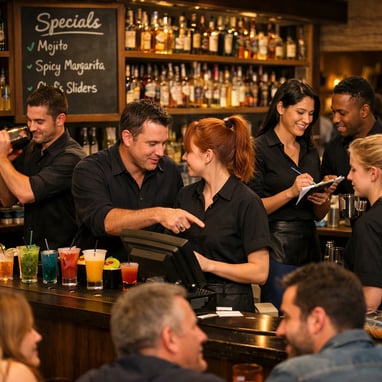
The bar industry operates on razor-thin margins where every team member's performance directly impacts your bottom line. A well-executed onboarding process is the difference between a bartender who fumbles orders during peak hours and one who confidently manages a packed Friday night shift. Research shows that effective onboarding can improve employee retention by 82% and productivity by over 70%, metrics that are particularly critical in an industry notorious for high turnover rates.The image depicts a bustling bar scene with a diverse group of bartenders and servers in action The bar is welllit showcasing a variety of colorful co-1

Your bar's reputation hinges on consistency, and consistency starts with proper training. When new employees receive structured onboarding, they quickly absorb your establishment's culture, service standards, and operational procedures. This creates a seamless customer experience regardless of who's behind the bar. Conversely, poor onboarding leads to costly mistakes, safety violations, customer complaints, and the expense of repeatedly hiring and training replacement staff.

The first impression matters just as much for employees as it does for customers. New hires who feel welcomed, prepared, and valued during their initial weeks are more likely to become engaged, long-term team members. In a competitive labor market, your onboarding process becomes a key differentiator in attracting and retaining top talent who have multiple employment options.

Building Your Bar's Onboarding Framework From the Ground Up

Start by documenting every aspect of your bar's operations before your new hire's first day. Create a comprehensive employee handbook that covers your mission statement, dress code, scheduling policies, and behavioral expectations. This foundational document serves as a reference point throughout the onboarding journey and ensures consistency across all training sessions. Include practical information like emergency procedures, break policies, and how to handle difficult situations.

Develop a structured timeline that spans at least the first 90 days of employment. Week one should focus on administrative tasks, safety training, and basic orientation to your physical space. Week two through four should introduce role-specific skills through shadowing and supervised practice. The remaining weeks should gradually increase responsibility while providing regular feedback checkpoints. This phased approach prevents overwhelming new hires while ensuring they master each competency before advancing.

Assign a dedicated mentor or buddy to each new employee. This experienced team member serves as the go-to resource for questions, demonstrates proper techniques, and helps integrate the newcomer into your bar's social dynamics. The mentor relationship reduces the learning curve and creates accountability on both sides. Choose mentors who exemplify your bar's values and possess strong communication skills, not just technical expertise.

Invest in creating training materials that new hires can reference independently. This might include laminated recipe cards for signature cocktails, video demonstrations of proper glassware handling, or digital checklists for opening and closing procedures. Multi-format materials accommodate different learning styles and allow employees to review information at their own pace, reinforcing what they learn during hands-on training sessions.

Essential Training Components Every Bar Employee Needs

Safety and compliance training must be the absolute foundation of your onboarding program. This includes responsible alcohol service certification, proper identification checking procedures, and how to recognize and handle intoxicated patrons. Train staff on food safety protocols, proper chemical handling for cleaning products, and emergency response procedures. Many of these topics have legal implications, so maintain documentation that each employee completed this training and understands the consequences of violations.

Technical skills training varies by position but should be thorough and systematic. Bartenders need comprehensive instruction on your POS system, cash handling procedures, inventory management, and the preparation of every drink on your menu. Start with your most popular items and signature cocktails, then expand to more specialized requests. Servers require training on menu knowledge, table management systems, upselling techniques, and coordination with kitchen and bar staff. Even barbacks and support staff need clear instruction on their specific responsibilities and how they fit into the overall operation.

Customer service excellence should be woven throughout your entire training program. Teach your team how to greet guests, read the room, handle complaints gracefully, and create memorable experiences that generate repeat business. Role-playing exercises help employees practice difficult scenarios in a low-stakes environment. Emphasize that everyone on your team, regardless of their position, contributes to the customer experience and has the power to turn a mediocre visit into an exceptional one.

Don't overlook the soft skills that distinguish good bars from great ones. Train employees on effective communication with coworkers during high-pressure situations, time management during rushes, and maintaining professionalism when personal conflicts arise. Teach them your bar's specific culture—whether that's high-energy and social or sophisticated and understated—and how to embody those characteristics in their interactions. These intangible qualities often determine whether a technically skilled employee becomes a true asset to your team.

Creating a Culture of Excellence Through Structured Integration

Culture isn't created through mission statements alone; it's built through intentional actions and consistent reinforcement. During onboarding, explicitly discuss your bar's values and provide concrete examples of what those values look like in daily operations. If teamwork is a core value, demonstrate how your staff supports each other during rushes. If innovation matters, show how you encourage employees to suggest new cocktails or service improvements. New hires should see your stated culture reflected in observable behaviors from day one.

Create opportunities for new employees to connect with the broader team beyond their immediate work responsibilities. This might include pre-shift meetings where everyone shares updates, team-building activities outside of work hours, or informal gatherings where newcomers can ask questions in a relaxed setting. These social connections increase job satisfaction and reduce the likelihood that new hires will leave due to feeling isolated or disconnected from their coworkers.

Establish clear pathways for growth and advancement within your organization. During onboarding, discuss how employees can develop their skills, take on additional responsibilities, and move into leadership positions. This future-focused approach helps new hires see beyond their initial role and envision a long-term career rather than just a temporary job. Regular check-ins about professional development goals keep this conversation alive throughout their tenure.

Recognize and celebrate early wins during the onboarding period. When a new bartender nails a complicated cocktail, a server receives compliments from customers, or a barback demonstrates initiative, acknowledge these achievements publicly. This positive reinforcement motivates the individual, sets standards for other team members, and signals what behaviors your bar values. Small celebrations during the vulnerable onboarding phase build confidence and commitment.

Measuring Onboarding Success and Continuous Improvement Strategies

Implement formal evaluation checkpoints at 30, 60, and 90 days to assess both the employee's progress and the effectiveness of your onboarding program. These reviews should include objective metrics like speed of service, accuracy of orders, customer feedback scores, and adherence to procedures. Equally important are subjective assessments of cultural fit, teamwork, problem-solving ability, and growth potential. Document these evaluations to identify patterns across multiple new hires and spot areas where your training may be falling short.

Gather feedback directly from new employees about their onboarding experience. Anonymous surveys allow honest input about what worked well, what was confusing, and what they wish they'd learned sooner. Exit interviews with departing employees who leave during or shortly after onboarding provide particularly valuable insights into gaps in your program. This feedback loop transforms onboarding from a static checklist into a dynamic system that evolves based on real-world results.

Track key performance indicators that reveal the quality of your onboarding process. Monitor retention rates at the 90-day, six-month, and one-year marks to see if your onboarding investments translate into long-term employment. Analyze whether properly onboarded employees generate higher sales, receive better customer reviews, or require fewer disciplinary interventions. Calculate the time it takes for new hires to reach full productivity compared to industry benchmarks. These metrics justify continued investment in onboarding and help you demonstrate ROI to stakeholders.

Commit to regular updates of your onboarding materials and procedures. As your menu changes, new technology is introduced, or regulations are updated, your training program must adapt accordingly. Schedule quarterly reviews of your onboarding framework with input from managers, experienced staff, and recent hires. Stay informed about best practices in the hospitality industry through professional associations, conferences, and peer networks. The most successful bars treat onboarding as a continuous improvement project rather than a one-time program design, ensuring they consistently attract, develop, and retain the talent that drives their success.

Topics: Bar staff, Bar trends, Bar Management, Bar products, Control, Bar Promotion, Best Bar Inventory app, Best Liquor Inventory app

Seasonal Cocktail Inspiration from the Winter Olympics

Posted by Nick Kaoukis on Fri, Feb, 13, 2026 @ 10:02 AM

Elevate your winter bar menu with Olympic-inspired cocktails that capture the spirit of competition, celebration, and global flavors from the world's most prestigious winter sporting event.

Crafting Gold Medal-Worthy Signature Drinks

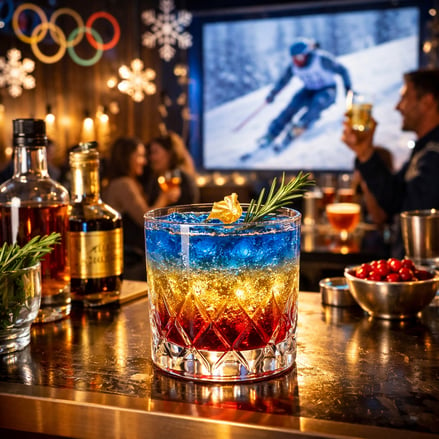
Creating Olympic-inspired signature cocktails requires the same precision and artistry that athletes bring to their performances. Start by building drinks around the iconic colors of the Olympic rings—blue, yellow, black, green, and red. A layered cocktail featuring blue curaçao, golden champagne, and red berry liqueur can visually represent the medal podium while delivering complex flavors that impress even the most discerning palates.The image showcases an elegantly designed cocktail menu inspired by the Winter Olympics At the center a striking layered cocktail the Downhill Dash fe-1

Consider naming your cocktails after famous Winter Olympic events or memorable moments. The 'Downhill Dash' could feature a bold combination of whiskey and ginger beer with a splash of citrus, representing the speed and excitement of alpine skiing. The 'Triple Axel' might incorporate three distinct spirits that blend seamlessly, just like the perfect figure skating jump. These thematic names not only spark conversation but also create a memorable experience that ties your menu to the Olympic spirit.

Quality ingredients are essential for medal-worthy cocktails. Use premium spirits as your base, incorporate fresh herbs like rosemary and thyme for winter aromatics, and don't shy away from unique elements like edible gold leaf or shimmering liqueurs. The goal is to create drinks that look spectacular and taste even better, embodying the excellence that defines Olympic competition.

International Flavors from Host Countries Past and Present

The Winter Olympics have graced numerous countries, each bringing unique culinary traditions that can inspire extraordinary cocktails. From the sake and yuzu of Japan (Nagano 1998, Sapporo 1972) to the aquavit and cloudberry of Norway (Lillehammer 1994), host countries offer a treasure trove of flavors. Create a 'Norwegian Northern Lights' using aquavit, elderflower liqueur, and a splash of blue curaçao, topped with prosecco for a shimmering effect that mimics the aurora borealis.

Italian host cities like Turin (2006) and Cortina d'Ampezzo (1956) inspire aperitivo-style cocktails. Mix up a 'Dolomite Sunset' featuring Aperol, prosecco, and blood orange juice, garnished with a sprig of fresh basil. For a nod to the French Alps (Chamonix 1924, Grenoble 1968, Albertville 1992), craft a sophisticated cocktail using Chartreuse, champagne, and a hint of lavender—a refined tribute to French elegance and alpine beauty.

Don't forget the North American hosts. Canadian venues (Calgary 1988, Vancouver 2010) inspire cocktails featuring maple syrup and Canadian whisky, while American locations (Lake Placid 1932 and 1980, Squaw Valley 1960, Salt Lake City 2002) call for bold bourbon-based drinks with apple cider and cinnamon. A 'Rocky Mountain Mule' combining bourbon, ginger beer, lime, and a maple syrup rim perfectly captures the spirit of winter sports in the American West.

Winter Warming Spirits That Score Perfect Tens

Cold-weather spirits form the foundation of any successful Winter Olympic cocktail menu. Dark spirits like bourbon, rye whiskey, aged rum, and cognac provide warmth and depth that complement winter's chill. These base spirits pair beautifully with seasonal spices like cinnamon, nutmeg, clove, and star anise. A hot toddy variation using spiced rum, honey, lemon, and a cinnamon stick makes for a perfect après-ski beverage that warms from the inside out.

Herbal liqueurs and amari add complexity and sophistication to winter cocktails. Fernet-Branca, Chartreuse, and Bénédictine bring botanical notes that evoke snowy forests and mountain meadows. Create a 'Biathlon Bracer' combining rye whiskey, yellow Chartreuse, sweet vermouth, and aromatic bitters—a complex drink that represents the dual nature of skiing and shooting in this challenging sport. The herbal qualities provide depth while the whiskey delivers the necessary warmth.

Don't overlook the power of fortified wines and liqueurs. Port, sherry, and vermouth can be featured in lower-ABV cocktails that still deliver robust flavor. A 'Curling Stone' cocktail made with tawny port, bourbon, demerara syrup, and chocolate bitters offers richness without overwhelming heat. For guests who prefer something lighter, mulled wine cocktails infused with orange, cloves, and brandy provide festive warmth while maintaining approachability. These versatile options ensure every guest finds their perfect winter warmer.

Presentation Techniques Worthy of the Podium

Visual presentation can transform a good cocktail into an unforgettable experience. Embrace the Olympic theme with gold, silver, and bronze elements. Rim glasses with edible metallic dust or sugar crystals in these colors. Use gold leaf garnishes sparingly but effectively—a single flake floating atop a clear cocktail creates an elegant, championship-worthy appearance. Serve drinks in crystal-cut glassware or vintage coupe glasses that evoke the elegance and tradition of the Olympic Games.

Ice presentation offers another opportunity to impress. Create large, crystal-clear ice spheres or cubes that melt slowly and maintain drink integrity. For a dramatic effect, freeze edible flowers, herbs, or citrus wheels inside ice blocks, then chip away to reveal the frozen treasures. Consider creating an 'ice luge' for special occasions—a nod to the luge event—where cocktails slide down a carved ice sculpture before reaching the glass. This interactive element adds entertainment value and creates Instagram-worthy moments.

Garnishes should be thoughtful and thematic. Use rosemary sprigs torched tableside to release aromatic oils while creating a visual spectacle. Citrus twists can be expressed over a flame to caramelize the oils, adding both aroma and theater. Create 'Olympic torch' garnishes using sugarcane swizzle sticks with a small piece of flammable citrus peel that can be briefly ignited. Smoke elements under cloches for a mysterious reveal, or use dry ice carefully for a frosty, mountain-mist effect. Each presentation technique should enhance the drinking experience while honoring the spectacle of Olympic competition.

Creating an Olympic-Themed Cocktail Experience for Guests

Transform your venue into an Olympic celebration by creating an immersive cocktail experience. Design a special menu that tells a story, with each cocktail representing different events, countries, or Olympic values. Organize the menu like an Olympic program, with 'Opening Ceremony' welcome drinks, 'Competition' signature cocktails, and 'Closing Ceremony' dessert drinks. Include brief descriptions that connect each cocktail to its Olympic inspiration, educating guests while entertaining them.

Consider hosting Olympic-themed cocktail events or competitions. Invite guests to vote on their favorite drinks, awarding gold, silver, and bronze medals to the top three. Create flight options where guests can sample smaller portions of multiple cocktails, similar to judging different athletic performances. Offer a 'mixology pentathlon' where guests rotate through five different cocktail styles, each paired with small bites inspired by host countries. This interactive approach engages guests and creates memorable experiences that extend beyond simply serving drinks.

Enhance the atmosphere with thoughtful details. Display Olympic memorabilia, play footage of iconic Winter Olympic moments on screens, and use a playlist featuring national anthems and music from various host countries. Train staff to share stories about the cocktails' inspirations and the Olympic events they represent. Create specialty glassware or cocktail napkins featuring Olympic rings or winter sports imagery. Consider partnering with local athletes or Olympic alumni for special appearances, adding authenticity and excitement to your Olympic cocktail celebration. These comprehensive touches create a cohesive experience that honors the Olympic spirit while showcasing exceptional cocktail craftsmanship.

Topics: Bar inventory, nightclubs, Bar drinks, Classic drinks, Bar products, restaurant trends, drink recipe, pricing drinks, Bar Promotion, mixology, craft cocktails

5 Most Important Things to Consider When Purchasing Products for a Bar and Restaurant

Posted by Nick Kaoukis on Wed, Aug, 06, 2025 @ 17:08 PM

Running a successful bar and restaurant requires more than just serving great food and drinks; it involves making smart purchasing decisions to ensure quality, efficiency, and customer satisfaction.

Hotel Bar InvetoryQuality and Durability of Products

When running a bar and restaurant, the quality and durability of your products are paramount. High-quality products not only ensure a better customer experience but also reduce the frequency of replacements, saving you money in the long run. For instance, investing in durable kitchen equipment, sturdy glassware, and quality furniture can make a significant difference in the day-to-day operations of your establishment.

It's also essential to consider the materials used in the products. Stainless steel, for example, is known for its durability and ease of cleaning, making it an excellent choice for kitchen appliances. Similarly, high-grade glassware can withstand frequent use and washing without chipping or breaking.

Supplier Reliability and Reputation

The reliability and reputation of your suppliers can greatly impact your business. A dependable supplier ensures that you receive your products on time, which is crucial for maintaining smooth operations. A good reputation typically indicates that the supplier provides high-quality products and excellent customer service.

To assess a supplier's reliability, look for reviews and testimonials from other businesses. It's also a good idea to establish a strong relationship with your suppliers, as this can lead to better prices and priority service. Don’t be afraid to ask for references or visit the supplier’s facilities to get a firsthand look at their operations.

Cost-Effectiveness and Budget Management

Balancing quality with cost is a key consideration when purchasing products for your bar and restaurant. It's important to create a budget and stick to it while ensuring that the products you buy meet your quality standards. Bulk purchasing can often lead to discounts, but be cautious about overstocking items that may have a limited shelf life.

Additionally, consider the total cost of ownership, which includes not just the purchase price but also maintenance and operational costs. For example, energy-efficient appliances might have a higher upfront cost but can save you money on utility bills over time.

Compliance with Health and Safety Regulations

Compliance with health and safety regulations is non-negotiable in the hospitality industry. Ensuring that the products you purchase meet local, state, and federal regulations will help you avoid fines and keep your customers safe. This includes everything from food storage containers to cleaning supplies and kitchen equipment.

It's essential to stay updated on the latest health and safety guidelines, as these can change. Working with suppliers who are knowledgeable about these regulations can help ensure that the products you purchase are compliant.

Customer Preferences and Trends

Understanding and catering to customer preferences and trends can set your bar and restaurant apart from the competition. Stay informed about the latest trends in food and beverage, as well as customer expectations for service and ambiance. This might mean investing in trendy glassware, sustainable products, or even specialty ingredients for your menu.

Gathering feedback from your customers can provide valuable insights into what they like and what they would like to see more of. This information can guide your purchasing decisions and help you stay ahead of the curve.

Topics: Bar inventory, Bar trends, Bar products, Beer stock, Best Bar Inventory app, Best Liquor Inventory app

Exploring the Best Liquor Brands Through 5 New Cocktail Creations

Posted by Nick Kaoukis on Fri, Jul, 12, 2024 @ 16:07 PM

Discover how top-shelf brands are shaking up the cocktail scene with innovative mixes that promise to elevate your spirits.

The Art of Selecting the Right Liquor for Your Cocktail

When it comes to creating the perfect cocktail, selecting the right liquor is crucial. The type of liquor you choose will greatly impact the flavor and overall experience of the drink. Whether you're looking to create a refreshing summer cocktail or a rich and flavorful winter drink, understanding the qualities of different liquors will help you make the best choice.

One important factor to consider when selecting liquor for your cocktail is the base spirit. Vodka, rum, gin, tequila, and whiskey are all popular choices for creating a wide range of cocktails. Each spirit has its own unique characteristics that can enhance the taste and aroma of your drink.Liquor Drink Mixology

Another aspect to consider is the flavor profile of the liquor. Some liquors have a smooth and mellow taste, while others are bold and intense. Depending on the flavor you want to achieve, you can choose a liquor that complements or contrasts with the other ingredients in your cocktail.

Lastly, don't forget to take into account the quality of the liquor. Premium brands often use high-quality ingredients and employ precise distilling techniques, resulting in a smoother and more refined taste. Investing in top-shelf liquor will elevate the quality of your cocktails and impress your guests.

By understanding the art of selecting the right liquor for your cocktail, you can create drinks that are perfectly balanced and bursting with flavor. Experiment with different spirits and brands to discover your favorite combinations and elevate your mixology skills.

Signature Mixes: Crafting Cocktails with Premium Brands

Crafting cocktails with premium brands is a surefire way to impress your guests and elevate your home bartending game. By using top-shelf liquors, you can create signature mixes that are both sophisticated and delicious.

One popular signature mix is the classic Martini, made with premium vodka or gin. The smoothness of the high-quality liquor is enhanced by a touch of vermouth, resulting in a timeless and elegant cocktail. Another signature mix is the Old Fashioned, which features premium bourbon or rye whiskey, a hint of sugar, and a few dashes of bitters. This cocktail is a true testament to the rich flavors of top-shelf liquors.

For those who prefer tropical flavors, a signature mix like the Mai Tai is a must-try. Made with premium rum, lime juice, orange liqueur, and a splash of grenadine, this cocktail is refreshing and exotic. Another tropical signature mix is the Piña Colada, which combines premium rum, pineapple juice, coconut cream, and crushed ice for a taste of paradise.

By crafting cocktails with premium brands, you can indulge in the finest flavors and elevate your cocktail experience. Experiment with different ingredients and techniques to create your own signature mixes that showcase the best liquor brands.

Tropical Temptations: Exotic Cocktails to Try This Season

If you're looking to transport yourself to a tropical paradise, exotic cocktails are the way to go. These tantalizing drinks are packed with flavors that will make you feel like you're lounging on a sandy beach with a gentle breeze.

One exotic cocktail to try this season is the Mojito. Made with rum, fresh mint leaves, lime juice, sugar, and soda water, this refreshing drink is perfect for hot summer days. Another tropical temptation is the Margarita, a classic cocktail made with tequila, lime juice, and triple sec. The combination of tangy citrus and tequila's unique flavor creates a drink that is both sweet and tart.

For those who prefer fruity flavors, the Bahama Mama is a must-try. This cocktail combines rum, pineapple juice, orange juice, grenadine, and coconut rum for a tropical explosion of flavors. Another fruity temptation is the Sex on the Beach, made with vodka, peach schnapps, orange juice, and cranberry juice. This cocktail is as vibrant and colorful as a tropical sunset.

Indulge in these exotic cocktails to satisfy your wanderlust and bring a taste of the tropics to your home bar. With their vibrant colors and refreshing flavors, they are sure to transport you to a paradise of your own.

Classic Cocktails Reimagined with Top Liquor Labels

Classic cocktails are timeless for a reason. They have stood the test of time and continue to be beloved by cocktail enthusiasts around the world. However, that doesn't mean they can't be reinvented with the help of top liquor labels.

Take the Negroni, for example. This classic cocktail traditionally consists of equal parts gin, Campari, and sweet vermouth. By using premium gin and vermouth, you can elevate the flavors and create a Negroni that is even more sophisticated and refined.

Another classic cocktail that can be reimagined with top liquor labels is the Moscow Mule. Traditionally made with vodka, ginger beer, and lime juice, this cocktail can be taken to new heights by using premium vodka. The smoothness and quality of the liquor will shine through, enhancing the overall taste of the drink.

By reimagining classic cocktails with top liquor labels, you can bring a modern twist to beloved recipes and elevate your cocktail game. Experiment with different brands and flavors to find the perfect combination that suits your taste and preferences.

Tips for Building Your Home Bar with the Best Brands

Building a home bar is an exciting endeavor, and selecting the best brands is key to creating a well-stocked and impressive collection. Here are some tips to help you build your home bar with the best liquor brands.

First, assess your preferences and the types of cocktails you enjoy. This will guide you in selecting the essential spirits for your home bar. Whether you prefer vodka-based drinks, whiskey cocktails, or tropical mixes, make sure to have a variety of liquors that cater to your taste.

Next, do your research on popular liquor brands. Look for brands that are known for their quality and have a wide range of offerings. Read reviews, ask for recommendations, and consider trying out different brands to find your favorites.

When stocking your home bar, it's important to strike a balance between premium brands and more affordable options. While premium brands are great for crafting signature cocktails and impressing guests, having some mid-range and budget-friendly options will allow you to experiment and mix up a variety of drinks without breaking the bank.

Lastly, don't forget about mixers and garnishes. Stock up on a selection of mixers like tonic water, soda water, and various fruit juices to complement your liquors. And don't forget to have a variety of garnishes on hand, such as citrus wedges, fresh herbs, and cocktail cherries.

By following these tips, you can build a home bar that showcases the best liquor brands and allows you to create a wide range of cocktails. Cheers to becoming your own home bartender!

Topics: Bar trends, Bar drinks, Bar Management, Bar products, Drink Recipes, liquor products, liquor inventory app, mixology, Best Bar Inventory app

5 Exciting Bar Trends to Look Out for in 2024

Posted by John Cammalleri on Tue, Feb, 13, 2024 @ 09:02 AM

Discover the top 5 bar trends that will shape the industry in 2024 and revolutionize the way we enjoy our drinks.

Sustainable and eco-friendly practices

In 2024, one of the top trends in bars will be the adoption of sustainable and eco-friendly practices. Bars will strive to reduce their carbon footprint by implementing practices such as using biodegradable straws, composting organic waste, and sourcing locally grown produce. Customers will appreciate the efforts of bars to contribute to a healthier planet while enjoying their favorite drinks.

Another aspect of sustainable practices that will gain popularity in 2024 is the use of renewable energy sources. Bars will invest in solar panels and energy-efficient equipment to minimize their reliance on non-renewable resources. This commitment to sustainability will not only attract environmentally conscious customers but also help bars save on energy costs in the long run.

Virtual reality experiences

Another exciting trend that will dominate the bar industry in 2024 is the integration of virtual reality experiences. Bars will offer customers the opportunity to step into immersive virtual worlds while enjoying their drinks. Whether it's exploring exotic locations, participating in virtual cocktail-making classes, or engaging in interactive games, virtual reality will provide a unique and entertaining experience for bar-goers.

Virtual reality experiences will not only enhance the entertainment factor but also allow bars to differentiate themselves from competitors. Customers will be drawn to bars that offer innovative and interactive experiences, making virtual reality a must-have trend for bars in 2024.

Artisanal and locally sourced ingredients

In 2024, bars will focus on elevating the quality of their drinks by using artisanal and locally sourced ingredients. Customers will increasingly appreciate the craftsmanship and unique flavors that come with using artisanal ingredients. From small-batch spirits to handcrafted bitters and syrups, bars will showcase the best of local and regional flavors.

By sourcing ingredients locally, bars will also support local farmers and producers, contributing to the growth of the community. This trend will not only enhance the overall taste and quality of drinks but also create a stronger connection between bars and their local surroundings.

Alcohol-free and low-alcohol options

As the demand for healthier lifestyle choices continues to grow, bars in 2024 will offer a wide range of alcohol-free and low-alcohol options. Customers who prefer to avoid or reduce alcohol consumption will have plenty of choices beyond traditional mocktails. Bars will experiment with creative and sophisticated non-alcoholic beverages that are equally enjoyable and refreshing.

Low-alcohol options, such as spritzers and session beers, will also gain popularity among customers who want to enjoy a drink without the accompanying buzz. Bars will recognize the importance of catering to diverse preferences and will ensure that everyone can find a drink that suits their taste and lifestyle.

Technology integration

The integration of technology will be a key trend in bars in 2024. Bars will leverage technology to enhance the overall customer experience, streamline operations, and provide personalized recommendations. From mobile ordering and payment systems to interactive menus and self-serve stations, technology will play a significant role in transforming the way bars operate.

Customers will be able to use their smartphones to browse the menu, place orders, and even customize their drinks. Bars will also utilize data and analytics to understand customer preferences and offer personalized recommendations based on individual tastes. This seamless integration of technology will not only improve efficiency but also create a more interactive and convenient bar experience for customers.

Topics: Bar inventory, Bar trends, Classic drinks, Bar products, Beer stock, Best Bar Inventory app, Best Liquor Inventory app, Cruise ship bar inventory

Maximizing Bar Profits Without Sacrificing Quality and Integrity

Posted by Nick Kaoukis on Tue, Oct, 09, 2012 @ 14:10 PM
By Douglas Robert Brown
Atlantic Publishing


Making the Most from Sales

Bar PromotionThe savvy bar manager knows how to maximize profits and get the most sales possible without sacrificing ethics or drink quality. You can do the same if you follow a few simple tips. One simple way to maximize profits is by offering promotions or discounts. The small cost factor involved in initiating these promotions make them a good promotional vehicle.
"Happy hour," for example, a period of time when drink prices are generally reduced, can be an effective means of increasing bar sales. However, to be substantiated, it must draw a large volume of customers. "Happy hour" is most often run prior to opening the dining room, usually between 4 and 6 p.m. Drinks are sold at half-price or at a substantial discount. Hors d'oeuvres and salty snacks are often served, which will induce the customer's thirst.

In order to offset the enormous increase in the cost of sales due to the lower drink prices, total liquor sales must be increased substantially. A restaurant that lowers all drink prices by 50 percent during "happy hour" will be simul­taneously doubling its cost of sales. When analyzing the feasibility of a "happy hour," you must also consider the additional cost of labor during a non-operating period; the food cost of hors d'oeuvres and other snacks; and any variable costs, such as the use of additional utilities.

The gross profit margin during any "happy hour" is small, though it can be substantiated with sufficient sales. An increase in revenue, small as it may be, will be created where none had previously existed.

There are other possible benefits from initiating a "happy hour." Lounge customers will be exposed to the restaurant and may wish to return at a later date to try the dining room. Customers may stay past the "happy hour" period and purchase cocktails at the full price or remain for dinner.

Employees will also benefit from a "happy hour" by an increase in income through increased hours and tips. This point is an important consideration, as employees may become discouraged during periods of slow or seasonal business. A "happy hour" that may not provide the restaurant with the desired profit may be deemed worthwhile for increasing employee morale and decreasing job turnover, eliminating the costly expenditure of rehiring and retraining new personnel.

Bar Tabs

Bar TabsAnother way to maximize spending, and your bar's profits, is with bar tabs. Bar tabs make it easier for customers to spend without hassle, encouraging multiple orders of drinks. To allow bar tabs or not is a policy that can be debated from both sides with sound reasoning. Many bars and restaurants have been victimized by customers who walk out and do not pay their tabs. A policy of no bar tabs will alleviate the initial problem, but it will certainly be inconvenient—and possibly insulting—to some customers.


A bar tab should always be run if a customer so desires. The lounge is a place where the customer may relax and enjoy a cocktail before dinner. He should not be inconvenienced by paying for each drink order as he goes along. Drinks should also be automatically added to the dinner bill unless the customer wishes otherwise.


This article is an excerpt from the The Professional Bar & Beverage Managers Handbook: How to Open and Operate a Financially Successful Bar, Tavern and Nightclub, authored by Douglas Robert Brown, published by Atlantic Publishing Group. This excerpt has been reprinted with permission of the publisher. To purchase this book go to:

Atlantic Publishing Company
Amazon.com

Topics: bar profitability, NightClub Management, bar business, Bar Management, Bar products, Increasing Profits, Bar Promotion, liquor products

Bar Management Tips: Fill a Local Need

Posted by Nick Kaoukis on Mon, Aug, 27, 2012 @ 08:08 AM
By Douglas Robert Brown
Atlantic Publishing
 

busy barThere are many bars that go out of business each year. This is because the market for new bars is a challenging one. If you are in an area that has new bars opening all the time and a clientele who is always seeking the latest thrill, you need to work extra hard to ensure that your establishment stays exciting enough. There are many small details that can mean the difference between a bar that is merely surviving and one that is prospering beautifully. In this chapter, you will learn the small details that can push your success higher than ever. Not all of these tips are expensive. Many take only ingenuity and some effort, but the results can be spectacular!

Distinguishing Your Bar from Others

One of the first steps to ensuring that your bar is a success for a long time to come is to look around and make sure that you are offering value in the local area. Most of your business will be from people who can easily drive, walk, take a cab, or ride a bus to your bar. These same patrons will have the choice of many other bars in the area. There are a few ways to make sure that they select your bar:

Research the competition. Take the time to sit in every competing bar. After you order your drink, take notes: Who frequents these bars? Older patrons? Younger patrons? Yuppies? Tradespeople? What sort of bar is it? How much do they charge? What does the bar look like? What are the drinks and food offered? What are the promotions? What kind of entertainment is offered? How busy are they and on which night are they busiest? What are they doing wrong? What are they doing right?

Consider lower prices. If your competitors' prices are high, consider lowering yours. It will often get people to try your establishment for the first time. Your service and the quality of your bar will decide whether
they return.

Service. If your bar is known as the friendliest bar in town while your competitors tend to slack on service, you will make a profit. If your competition is already offering great service, you have to make your service stellar in order to compete.

Focus on what the competition is doing wrong. If you notice something that the competition is doing wrong, make sure that your bar is doing that same thing right. It will encourage patrons to see your bar as the local establishment that offers more.

Set your hours to take advantage of times when your competition is not available. If the competition stops food service early, think about extending your food service hours. Being able to provide something that the competition cannot or is not willing to provide is a great way to make sure that you lure in new regulars.

Do you know what the local patrons want? If you do not ask them and conduct regular market research, you have little hope of knowing the very things that will draw patrons to your bar.

Look at the bars that are succeeding elsewhere. What works in other cities and towns may work in yours. Pay special attention to the types of bars that are doing well in areas similar to your own (in towns or cities with the same demographics). These bars may have hit on an idea that may work well in your area as well.

Special promotions. Avoid using your best ideas and resources trying to compete on someone else's strongest night. Offer special promotions and discounts on nights when other bars are not offering anything. It will help lure in customers looking for something great on a slower night.

Remember, if you can offer something special, you are more likely to get more customers. It pays to make the extra effort to find out what is needed in your area—and then supply that need. Customers will flock to you.


This article is an excerpt from the The Professional Bar & Beverage Managers Handbook: How to Open and Operate a Financially Successful Bar, Tavern and Nightclub, authored by Douglas Robert Brown, published by Atlantic Publishing Group. This excerpt has been reprinted with permission of the publisher. To purchase this book go to:

Atlantic Publishing Company
Amazon.com

Topics: nightclubs, NightClub Management, bar business, Bar Management, Bar products, Nightclub trends, opening a bar, Increasing Profits, bar location, Bar Promotion