Liquor Inventory Experts

Bar Waste Logs: Track Spillage, Spoilage, and Breakage

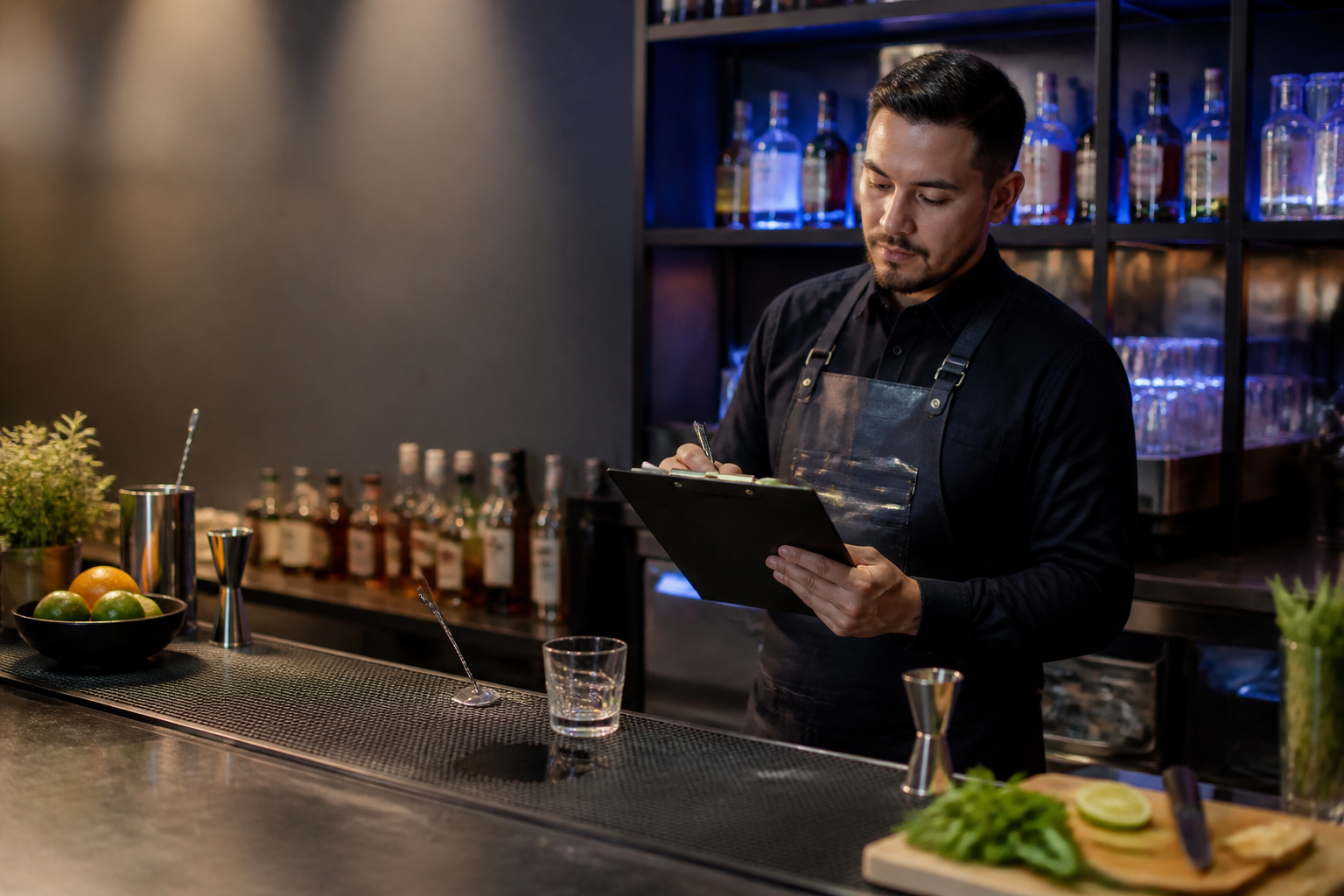
Professional bartender recording a waste log entry at the bar station

The average bar loses 20% to 25% of its beverage inventory to shrinkage, and a significant portion of that loss is legitimate waste: spills during service, bottles that break in storage, kegs that foam out, and product that expires before it can be sold. According to the National Restaurant Association, for every dollar invested in food-waste reduction, restaurants can realize approximately $8 in cost savings. The same principle applies to beverage waste. The problem is not that waste happens. The problem is that unrecorded waste inflates your unexplained variance and makes it impossible to separate ordinary operational loss from theft or over-pouring.

This guide covers the difference between recorded waste and unexplained variance, the fields your waste tracking log needs, how to calculate cost patterns, and how to build staff accountability without creating a blame culture. The examples use hypothetical numbers. Apply your own data before changing procedures.

Key Takeaways: Bar Waste Logs

  • Recorded waste and unexplained variance are two distinct categories: separating them is the foundation of honest inventory management.
  • A useful waste log captures product, quantity, reason, shift, employee, and date for every event.
  • Calculate waste cost patterns by item, shift, and reason code to identify where corrective action will produce the largest savings.
  • Scannabar supports the bottle-level inventory measurement that connects your waste log to accurate variance analysis.
  • Staff accountability works when records protect honest employees from false accusations rather than assigning blame by default.

What Is the Difference Between Recorded Waste and Unexplained Variance?

Recorded waste is product that left your inventory through a documented, legitimate event: a spill, a broken bottle, a spoiled garnish, a drink that was remade for quality reasons, or a complimentary pour approved by a manager. Each of these events is expected in a busy bar. Each one costs money. And each one should be logged the moment it happens.

Unexplained variance is the gap that remains after you account for sales, documented waste, transfers, and returns. It is the difference between what your theoretical usage says you should have consumed and what your physical counts show you actually consumed, minus everything you can explain.

Why the Distinction Matters for Cost Control

When waste goes unrecorded, it gets lumped into unexplained variance. That inflated number triggers one of two responses: either management ignores it because the variance seems too large to investigate, or management assumes the entire gap is theft and creates a hostile environment that damages morale.

Neither response helps. The first lets real losses continue. The second punishes honest staff for a number they did not cause. A disciplined waste log separates what you can explain from what you need to investigate, giving you a realistic target for improvement.

For a bar doing $400,000 in annual beverage sales, a 4% total variance represents $16,000. If half of that variance is documented waste from spills and breakage, your unexplained gap is $8,000. That is a specific, manageable target. Without the waste log, you are staring at $16,000 and guessing where it went.

What Fields Does a Reusable Waste Log Need?

A waste log is only useful if it captures enough context to make the event actionable. A line that reads "1 bottle broken" tells you almost nothing. A line that reads "1 bottle Absolut Vodka 750 mL, breakage, dropped during restock, Friday PM shift, Employee: J. Torres, 2026-01-17" tells you the cost, the cause, the pattern potential, and the person who can explain what happened.

Essential Fields

Your log should include the following fields for every waste event:

FieldWhat It CapturesWhy It Matters
ProductBrand name, bottle size, SKUEnables dollar-cost calculation and links the event to your inventory system
QuantityUnits lost (ounces, bottles, servings)Converts the event into a measurable cost for variance reconciliation
Reason CodeSpill, breakage, spoilage, comp, remake, batch lossSeparates waste causes so corrective action targets the right category
EmployeeName or ID of person involvedSurfaces handling patterns for coaching, not for automatic blame
ShiftDay part (AM, PM, late night)Ties waste events to staffing levels, service pace, and operational conditions
Date and TimeWhen the event occurredAligns the waste event with the count window and POS sales period

Filled Example: A Friday Night Waste Log

The following entries are hypothetical and demonstrate how a completed log looks in practice. The product costs are illustrative.

DateShiftEmployeeProductQtyReasonEst. Cost
2026-01-17PMJ. TorresAbsolut Vodka 750 mL1 bottleBreakage$18.00
2026-01-17PMM. ChenHouse Margarita mix12 ozSpill$1.80
2026-01-17PMK. AdamsHendrick's Gin 1 L2 ozRemake$2.40
2026-01-17LateR. DiazDraft IPA keg32 ozFoam/line issue$4.80
2026-01-17PMJ. TorresLime wedges (prepped)~20 piecesSpoilage$1.50
2026-01-17LateM. ChenMaker's Mark 750 mL1.5 ozComp (mgr approved)$2.10

Total documented waste for the night: $30.60. Each entry ties to a person, a shift, a reason, and a cost. These entries explain $30.60 of your period variance. Without them, $30.60 of legitimate loss would sit in your unexplained column.

How to Calculate Waste Cost Patterns

Individual waste events are small. Their patterns are not. A single $18 broken bottle is an annoyance. Six broken bottles per month across the same restock procedure is a $108 recurring cost that points to a process problem.

Summarize by Item

At the end of each reporting period, total your waste cost by product. Sort the results from highest cost to lowest. The top five products by waste cost are your priority targets for corrective action.

If your house vodka appears at the top of the list every period, investigate the specific causes. Is it breakage during delivery? Spills from a poorly positioned speed rail? Over-pouring that staff are logging as spills? The reason codes in your log separate these causes so your response matches the real problem.

Summarize by Shift

Compare waste totals across shifts. If late-night shifts consistently produce more waste than afternoon shifts, the cause may be staffing levels, fatigue, service pace, or the types of drinks being served. A busy late-night shift pouring more cocktails will naturally produce more spills than a quiet Tuesday afternoon pouring wine.

Normalize the comparison by dividing waste cost by total drinks served per shift. A $40 waste total on a 600-drink shift is a different story than $40 on a 150-drink shift.

Summarize by Reason Code

Reason code analysis reveals whether your waste is dominated by one category. If breakage accounts for 60% of your total waste cost, your storage, restocking, and handling procedures need review. If spoilage dominates, your purchasing quantities or prep batch sizes are too large for your actual demand.

The following hypothetical monthly summary shows how reason codes distribute waste cost for a mid-volume bar:

Reason CodeMonthly CostShare of TotalCorrective Action
Spillage$14538%Review speed rail placement, portion standards
Breakage$9224%Audit restock procedure, storage conditions
Spoilage$6818%Reduce perishable batch sizes, enforce rotation
Comps (approved)$4813%Review comp policy, track approval frequency
Remake/batch loss$277%Check recipe clarity, staff training on builds

Total monthly waste: $380. That figure now has a structure. You know where to focus. Spillage at $145 per month is $1,740 per year. If improved rail placement and portion training reduce spillage by 30%, you recover $522 annually from one corrective action.

How to Build Staff Accountability Without Blame

A waste log that records employee names creates anxiety if the culture treats every logged event as a mark against the person. That anxiety produces the worst possible outcome: staff stop logging waste to avoid being associated with loss, and your unexplained variance climbs right back up.

Frame the Log as Protection, Not Punishment

When you introduce the waste log, explain its purpose to your team clearly. Recorded waste is expected. Every bar produces spills, breaks bottles, and discards product. The log exists to explain those losses so that honest staff are not blamed for a variance number they did not cause.

This framing aligns with how operators should use inventory accountability in general. The goal is a culture of accountability where records protect everyone, not a surveillance system where every logged event becomes a disciplinary action.

Separate Training Conversations From Disciplinary Actions

If one employee's waste log shows a pattern of broken bottles during restock, the first response is a training conversation, not a write-up. Walk through the restocking procedure together. Observe their technique. Identify whether the problem is a skills gap, a workflow design issue, or an equipment problem.

Disciplinary action belongs in a different process and should be triggered by evidence of misconduct, not by normal operational waste. If you punish staff for logging a $2 spill, they will stop logging spills. Then your data goes dark, and your ability to manage waste disappears with it.

Share Aggregate Results With the Team

Post monthly waste summaries where your team can see them, without attaching individual names. Show the total cost, the top reason codes, and the trend over time. Celebrate reductions. Discuss increases. Keep the conversation about process improvement rather than individual performance.

When the team sees that recorded waste is going down and management is responding with process changes rather than punishment, compliance with the logging procedure increases. That compliance improves your data quality, which improves your variance analysis, which gives you better targets for cost reduction. The cycle reinforces itself.

How to Implement a Waste Log Without Slowing Down Service

The most common objection to waste logging is that it takes too long during a busy shift. If your bartender has to leave the service well, find a clipboard, write three lines of detail, and return to the queue, the log will be abandoned by the end of the first Friday night. The format and placement of the log must match the pace of your operation.

Keep the log at the bar station, not in a back office. A single sheet clipped to the speed rail or a tablet mounted at eye level takes under 20 seconds to complete per entry. Pre-populate the product list with your top 30 SKUs so the person logging can circle or tap rather than write from scratch. Reason codes should use a short dropdown: spill, break, spoil, comp, remake.

For high-volume bars, consider logging waste at natural pause points: between ticket batches, during a brief lull, or at handoff between bartenders. The accuracy of a 15-second log entered within a minute of the event is far higher than a memory-based entry at end of shift.

How the Waste Log Connects to Inventory Variance Analysis

Your waste log feeds directly into the variance calculation that determines how well your bar is controlling beverage cost. Understanding this connection is what makes waste logging more than an administrative chore.

The Variance Formula With Waste Included

Total variance is the difference between actual consumption (from inventory counts and movement records) and theoretical consumption (from recipes multiplied by sales counts). Within that total variance, documented waste explains a portion of the gap. The remainder is unexplained variance.

Unexplained variance = Total variance minus documented waste minus documented comps minus other recorded non-sale use.

If your total variance for a product is $500 in a month, and your waste log shows $180 in documented spills, breakage, and spoilage for that product, the unexplained portion drops to $320. That $320 now deserves focused investigation into over-pouring, receiving errors, transfer discrepancies, or unauthorized use.

Why Waste Should Stay in Total Usage Cost

Do not remove documented waste from your actual usage cost calculation. Waste is real consumption. It is product that left your inventory. Removing it from usage cost makes your cost ratio look better than reality.

Instead, keep waste inside total usage cost for your beverage cost calculation. Then use the waste log to explain a portion of the variance between actual and theoretical cost. The log makes the number actionable. It does not make the number smaller.

How Scannabar Supports Waste Tracking and Variance Analysis

Accurate waste tracking depends on accurate inventory measurement. If your bottle counts are estimates, the variance calculation that your waste log feeds into is unreliable. You cannot accurately determine how much waste explains if you do not know how much total product was consumed.

Scannabar provides the bottle-level measurement precision that makes variance analysis trustworthy. Scannabar's barcode-based bottle measurement, combined with per-bottle calibration, reads the liquid level directly rather than relying on visual estimates. The gap between theoretical and actual usage is based on measured numbers, not rounded guesses. Your waste log then explains a specific portion of that verified gap.

For multi-outlet hotel operations, Scannabar's outlet-level reporting lets you compare waste patterns across locations. A pool bar may produce more spillage due to outdoor conditions. A banquet bar may produce more batch loss due to event timing. Outlet-level data lets you apply corrective action where it belongs rather than averaging waste across locations that operate under different conditions.

In Conclusion: Log the Waste to Find the Real Problem

Unrecorded waste does not disappear from your costs. It hides inside your unexplained variance, inflating a number that management either ignores or misinterprets. A disciplined waste log gives you the documented evidence to separate ordinary operational loss from the variance that actually needs investigation.

Build the log with the right fields. Train your staff to record every event the moment it happens. Analyze cost patterns by item, shift, and reason code. Use that analysis to drive process changes, not blame. Then connect the waste data to your variance reports so you can see whether the changes are working.

Every dollar of documented waste is a dollar you can explain. Every dollar of unexplained variance is a dollar that demands investigation. The waste log is what moves dollars from one column to the other, and that distinction is what turns inventory management from guesswork into evidence-based control.

FAQs About Bar Waste Logs

What is the difference between waste and shrinkage?

Waste is documented product loss from legitimate operational events like spills, breakage, and spoilage. Shrinkage is the total gap between what you should have on the shelf and what you actually count. Waste is one component of shrinkage. Theft, over-pouring, and recording errors account for the remainder. A complete waste log helps you quantify the legitimate portion so you can focus investigation on the unexplained portion.

How often should bartenders log waste events?

Log every event the moment it happens. End-of-shift recall is unreliable: staff forget events, misremember quantities, and lose the context that makes the log entry useful. Place the waste log where it is accessible during service and keep the entry process to under 30 seconds. Scannabar's inventory controls complement real-time waste recording by providing the bottle-level data that connects logged events to period-end variance.

Should complimentary drinks be tracked in the waste log?

Yes. Approved comps consume inventory without generating a sale, which creates variance. Log each comp with the manager who approved it, the product, and the quantity. This is not about restricting comps. It is about making sure comps are visible in your variance analysis so they are not mistakenly attributed to theft or over-pouring.

Can a waste log help reduce insurance claims?

A documented breakage record provides evidence for insurance claims involving recurring equipment failures or delivery damage. If your log shows $400 per month in bottles broken during supplier deliveries, you have documented grounds for a claim or a conversation with your distributor about delivery procedures.

What happens if staff refuse to log waste?

Non-compliance with the waste log inflates your unexplained variance and makes it impossible to identify genuine process problems. Address non-compliance as a training issue first. Reinforce that the log protects staff from false accusations. If a specific employee consistently refuses to log waste while their shifts show higher variance, that pattern itself becomes an investigation signal that your variance data can help identify.

How does Scannabar connect waste logs to variance reports?

Scannabar provides the bottle-level inventory counts and product usage data that establish your total variance. Your waste log explains a portion of that variance with documented events. Together, they produce a clear picture: total consumption, documented non-sale use, and the residual unexplained gap that warrants investigation. That combination turns a single number into an actionable diagnostic.

Topics: Bar inventory, Bar staff, Bar trends, Scannabar Inventory system, Bar drinks, Bar products, Liquor Inventory savings, Bar Promotion, Hotel Bar Inventory, Best Bar Inventory app, Best Liquor Inventory app, Cruise ship bar inventory, Country Club Liquor Inventory, Resaurant Inventory app, Restaurant Inventory app, Scannabar Inventory Software

Top Hospitality Staff Incentives to Boost Morale and Loyalty

Discover proven staff incentive strategies that transform hospitality teams into passionate brand ambassadors while reducing turnover and elevating guest experiences.

Why Employee Recognition Makes All the Difference in Hospitality

The image depicts a vibrant bustling restaurant scene filled with enthusiastic hospitality staff engaged in their duties A diverse group of servers ba-1In the fast-paced world of hospitality, where staff members are the face of your establishment, recognition isn't just a nice-to-have—it's essential for survival. Hospitality workers handle demanding customers, work irregular hours, and maintain energy throughout grueling shifts. When these efforts go unnoticed, even your most dedicated team members begin to lose motivation, and that disengagement shows up in every guest interaction.

Research consistently shows that employees who feel valued are significantly more productive, deliver better customer service, and stay with their employers longer. In an industry plagued by turnover rates exceeding 70% annually, recognition programs can be your secret weapon. A simple acknowledgment of exceptional service during a team meeting or a handwritten thank-you note can create emotional connections that bonuses alone cannot replicate.

The hospitality industry is unique because your team's attitude directly impacts the guest experience. When servers, bartenders, and kitchen staff feel appreciated, they naturally extend that positive energy to customers. This creates a virtuous cycle: recognized employees provide better service, which leads to happier guests, better reviews, and increased revenue—all of which creates more opportunities to recognize and reward your team.

Financial Rewards That Actually Motivate Your Team

While passion for hospitality drives many into the industry, financial stability keeps them there. Smart operators understand that strategic financial incentives go beyond simply paying competitive wages—they create performance-driven cultures where exceptional work translates to tangible rewards. Performance bonuses tied to specific metrics like guest satisfaction scores, upselling achievements, or maintaining low waste percentages give staff clear targets and immediate gratification for their efforts.

Tip pooling structures, when implemented fairly and transparently, can foster teamwork and reduce friction between front- and back-of-house staff. Some progressive establishments have moved to profit-sharing models where employees receive quarterly bonuses based on the restaurant or bar's overall performance, creating a sense of ownership and investment in the business's success. This approach transforms staff from hourly workers into stakeholders who care about every aspect of the operation.

Don't overlook the power of immediate rewards. Spot bonuses of $50-$100 for going above and beyond during a shift, handling a difficult situation gracefully, or receiving specific customer praise can be more motivating than larger annual bonuses. Consider implementing a points-based reward system where staff accumulate points for achievements that can be redeemed for cash, gift cards, or experiences. The key is making the connection between exceptional performance and financial reward as direct and immediate as possible.

Non-Monetary Perks That Build Lasting Loyalty

Some of the most effective incentives don't appear on a paycheck but significantly impact quality of life. Flexible scheduling stands at the top of this list—allowing staff to swap shifts easily, accommodating school schedules, or giving priority scheduling to long-term employees demonstrates respect for their lives outside work. In an industry notorious for demanding nights, weekends, and holidays, managers who work with staff on scheduling build tremendous loyalty.

Meal programs represent another high-value, relatively low-cost benefit. Providing quality staff meals before shifts or allowing employees to enjoy menu items at steep discounts accomplishes multiple goals: it ensures your team is energized for their shift, familiarizes them with menu items they'll be selling, and makes them feel like valued members of the establishment rather than just workers. Some venues extend this to include a monthly allowance for bringing family or friends to dine, turning staff into authentic brand ambassadors.

Recognition-based perks can be equally powerful. Employee-of-the-month programs that come with premium parking spots, reserved lockers, or having a signature drink named after them create social recognition that many value more than cash. VIP experiences like attending industry events, representing your establishment at food and beverage festivals, or getting first access to special tastings make staff feel invested in and connected to the broader hospitality community.

Career Development Opportunities Your Staff Actually Want

One of the biggest reasons talented hospitality workers leave is the perception of limited growth opportunities. Combat this by creating clear career pathways with defined skills, responsibilities, and compensation levels for each position—from entry-level server to shift leader to assistant manager. When staff can visualize their progression and understand exactly what they need to do to advance, they're far more likely to invest in their development rather than job-hop.

Invest in training programs that build genuine skills. Partner with local bartending schools, culinary institutes, or wine education programs to offer certifications in mixology, sommelier training, or food safety. Cross-training is particularly valuable—teaching servers about wine service, training bartenders in inventory management, or having kitchen staff learn front-of-house operations creates versatile team members and demonstrates your commitment to their professional growth. Many employees will stay for opportunities to learn skills that enhance their entire career trajectory.

Mentorship programs pair experienced staff with newer team members, creating knowledge transfer and building relationships that strengthen your entire operation. Consider sponsoring ambitious staff members to attend industry conferences, competitions, or workshops. When a bartender returns from a mixology competition or a server completes advanced wine certification, they bring back knowledge, techniques, and enthusiasm that elevates your entire team. These investments signal that you view hospitality as a profession, not just a job, and your best people will respond accordingly.

Creating a Culture Where Your Best People Stay

All the incentives in the world won't matter if your workplace culture is toxic. The foundation of retention is creating an environment where people actually want to spend their time. This starts with management that leads by example—jumping in to help during rushes, treating all positions with equal respect, and maintaining consistent, fair policies. When staff see managers working alongside them rather than simply directing from afar, it builds camaraderie and mutual respect that no incentive program can replicate.

Communication channels matter enormously. Implement regular team meetings where staff can voice concerns, suggest improvements, and feel heard. Many successful establishments hold pre-shift meetings that go beyond reviewing specials to include shout-outs for recent wins, addressing any issues openly, and reinforcing the team's shared mission. Create anonymous feedback mechanisms so staff can raise concerns without fear, and crucially, demonstrate that you act on feedback received. Nothing kills morale faster than soliciting input and then ignoring it.

Finally, celebrate together. Host staff appreciation events, team outings, or post-service gatherings that allow your team to bond outside the high-pressure service environment. Recognize milestones like work anniversaries, birthdays, and personal achievements. When your team feels like a family—one that supports each other through the chaos of service and celebrates successes together—you create something far more valuable than a workplace. You create a community where people stay not just for the money or benefits, but because they genuinely want to be part of something special. That's when you've truly built a hospitality team that will carry your establishment to long-term success.

Topics: Bar staff, Bar Management, staff retention, bartenders, servers, associates, hire staff, hotel staff

5 Best Halloween Ideas For Your Cocktail Bar

Transform your cocktail bar into a spine-chilling destination this Halloween with these unforgettable ideas that will thrill your guests and boost your business.

Spooktacular Decor That Sets the Scene

Spooky Cocktail barTransform your bar into a haunted haven with spooky decorations that create an eerie atmosphere. Think cobwebs, skeletons, and dim lighting. Add some fog machines and flickering candles to set the mood.

Incorporate themed decor like jack-o'-lanterns, creepy wall art, and ghostly figures. Don't forget to decorate the outside of your bar to attract passersby who are looking for a frightful night out.

Sinister Signature Cocktails to Bewitch Your Guests

Create a special Halloween cocktail menu featuring spooky drinks that are as delicious as they are eye-catching. Use ingredients like black vodka, blood-red syrups, and dry ice for a smoky effect.

Consider drinks like a Vampire's Kiss, Witch's Brew, or a Zombie Margarita. Don't forget to use themed garnishes like gummy eyeballs, candy corn, or fake spider rings to add an extra touch of horror.

Frighteningly Fun Themed Events and Entertainment

Host themed events such as a haunted trivia night, a spooky karaoke contest, or a horror movie marathon. These events will keep your guests entertained and encourage them to stay longer.

Consider hiring a DJ to play Halloween-themed music or a live band to perform eerie tunes. Interactive elements like a haunted house tour or a ghost story session can also add to the thrill.

Devilish Dress Codes and Costume Contests

Encourage your guests to dress up by hosting a costume contest with enticing prizes. Categories can include scariest costume, most original costume, and best group costume.

Offer discounts or complimentary drinks to those who come in costume. This will not only enhance the festive atmosphere but also attract more customers looking to show off their Halloween attire.

Ghoulish Marketing Strategies to Pack the House

Promote your Halloween events and specials on social media with eye-catching graphics and spooky promotional videos. Use hashtags like #HalloweenParty, #SpookyDrinks, and #HauntedBar to reach a wider audience.

Collaborate with local influencers or bloggers to spread the word about your Halloween offerings. Consider offering early bird specials or group rates to encourage reservations and ensure a full house.

Topics: Bar staff, Bar trends, Bar drinks, Bloddy Mary, Best Bar Inventory app, Best Liquor Inventory app, wine inventory app, Halloween Cocktails

Creating the Ideal Ambiance for Your Bar

The ambiance of your bar can make or break its success. Learn how to create a captivating atmosphere that keeps customers coming back for more.

Trendy Lounge BarUnderstanding Your Target Audience

Before diving into decor and theme choices, it's crucial to understand who your target audience is. Are you aiming to attract young professionals, college students, or an older, more mature crowd? Knowing your audience will help you make informed decisions that resonate with them.

Conduct market research to gather data on your potential customers' preferences and spending habits. This information will be invaluable in creating a bar that not only attracts but also retains loyal patrons.

Choosing the Right Theme and Decor

Once you have a clear understanding of your target audience, the next step is to choose a theme and decor that will appeal to them. Whether it's a chic, modern lounge or a rustic, countryside pub, the theme should be consistent and well-executed.

Consider the colors, furniture, and overall layout when planning your decor. The goal is to create a cohesive look that enhances the overall experience for your customers.

Lighting and Music: Setting the Mood

Lighting and music play a significant role in setting the mood of your bar. Soft, warm lighting can create a relaxed and intimate atmosphere, while brighter lights may be more suitable for a lively, energetic environment.

The choice of music should also align with your theme and target audience. Curate playlists that complement the ambiance you wish to create, whether it's smooth jazz for a sophisticated lounge or upbeat tunes for a vibrant bar.

Crafting a Menu that Complements the Atmosphere

Your menu should be an extension of your bar's theme and atmosphere. Offer a selection of drinks and snacks that not only taste great but also fit the overall vibe of your establishment.

Consider themed cocktails, specialty drinks, and unique appetizers that will make your menu stand out. Pairing the right food and drinks with your bar's ambiance will enhance the overall customer experience.

Training Staff to Enhance the Ambiance

Your staff plays a crucial role in creating and maintaining the desired ambiance of your bar. Ensure that they are well-trained not only in their specific duties but also in customer service and hospitality.

Encourage your staff to embody the theme and spirit of your bar. Their demeanor, dress code, and interaction with customers should all contribute to the overall atmosphere you aim to create.

Topics: Bar staff, Bar trends, bar business, Bar Management, Nightclub trends, Nightclub Consulting, Hospitality, Best Bar Inventory app, Best Liquor Inventory app

Training Staff for Efficient Bar Inventory Management

Bar staff training

Training staff for efficient bar inventory management is crucial for maintaining accurate records and optimizing inventory control within a "bar inventory system" and "liquor inventory system." Effective training ensures that staff members understand the importance of inventory management and are equipped with the necessary skills to contribute to its success. Let's explore some key aspects of staff training for efficient bar inventory management.

  1. Inventory Procedures: Train staff on inventory control procedures, including how to count and record inventory accurately, follow standardized pouring techniques, and handle inventory with care. Ensure they are familiar with the bar inventory system or liquor inventory management software being used.

  2. Product Knowledge: Educate staff about different types of liquor, beer, wine, mixers, and other inventory items. Provide details about brands, flavors, and proper storage requirements. This knowledge helps staff make informed decisions and answer customer inquiries.

  3. Measurement and Pouring Techniques: Train bartenders on precise measurement techniques using jiggers or measuring tools. Emphasize consistent pouring methods to ensure accurate drink portions and minimize over-pouring.

  4. Inventory Awareness: Foster a culture of inventory awareness among staff members. Educate them on the cost implications of waste, spillage, and over-pouring. Encourage them to be mindful of inventory levels and the importance of minimizing shrinkage.

  5. Team Communication: Promote effective communication among staff members regarding inventory-related issues. Encourage them to report discrepancies, spills, or potential theft promptly. Effective communication ensures that inventory issues are addressed in a timely manner.

  6. Regular Training Updates: Conduct regular training sessions to reinforce inventory management practices and update staff on any changes in the bar inventory system or liquor inventory management processes. This helps keep staff informed and engaged in the inventory control process.

  7. Documentation and Record-Keeping: Train staff on the importance of accurate documentation and record-keeping. Emphasize the significance of timely and thorough inventory counts, proper recording of stock levels, and adherence to inventory control procedures.

  8. Problem-Solving Skills: Equip staff with problem-solving skills to address inventory-related challenges. Provide guidance on how to handle stockouts, discrepancies, and potential issues with suppliers. Encourage staff to proactively identify and report any inventory concerns.

  9. Ongoing Feedback and Evaluation: Provide regular feedback and performance evaluations to staff members regarding their inventory management skills. Offer constructive feedback and recognition for their contributions to efficient inventory control.

  10. Continuous Improvement: Foster a culture of continuous improvement by encouraging staff to share ideas for enhancing inventory management practices. Actively involve them in suggesting process improvements or identifying opportunities to optimize inventory control.

By investing in staff training for efficient bar inventory management, bars can enhance their inventory control systems, minimize errors, reduce shrinkage, and optimize profitability. Well-trained staff members contribute to accurate inventory tracking, waste reduction, and improved customer service, ultimately leading to a successful bar operation.

Topics: Bar staff, bar inventory app, liquor inventory app

Best Practices for Bar Inventory Control

Implementing effective bar inventory control practices is crucial for maintaining accurate stock levels, minimizing waste, and maximizing profitability within a "bar inventory system" and "liquor inventory system." Let's explore some best practices that can help bars achieve efficient inventory control.

  1. Categorize and Organize: Categorize inventory items based on type, brand, and size. Organize bottles, kegs, and supplies in a systematic manner for easy counting and restocking. This ensures efficient inventory management and reduces errors during inventory checks.

    Nightclub

    Accurate Measurement: Use precise measuring tools, such as scales or liquor meters, to measure and record initial stock levels. Consistently measure and track consumption to maintain accurate inventory records.

  2. Standardized Pouring Methods: Train bartenders to follow standardized pouring methods for consistent drink portions. This helps control costs, minimize over-pouring, and maintain accurate inventory levels.

  3. Regular Inventory Counts: Conduct frequent inventory counts to monitor stock levels. Regularly reconcile recorded quantities with actual stock to identify discrepancies and address any issues promptly.

  4. Utilize Bar Inventory Systems: Implement a reliable bar inventory system or liquor inventory management software. These systems automate inventory tracking, generate reports, and streamline processes, improving accuracy and efficiency.

  5. Set Par Levels: Determine optimal par levels for each inventory item based on consumption patterns and demand. Set reorder points to prevent stockouts and maintain adequate stock levels without excess inventory.

  6. Minimize Shrinkage: Implement security measures, such as surveillance cameras and bottle locks, to deter theft and reduce shrinkage. Train staff on the importance of inventory control and implement strict procedures to minimize spillage and waste.

  7. Vendor Relationships: Cultivate strong relationships with reliable suppliers. Communicate regularly, negotiate favorable terms, and ensure timely deliveries to maintain a smooth supply chain and minimize disruptions.

  8. Data Analysis: Regularly analyze inventory data, sales trends, and customer preferences. Use this information to make informed decisions regarding pricing, menu offerings, and ordering strategies to optimize inventory control.

  9. Training and Communication: Provide comprehensive training to staff on inventory control practices, including accurate measurement, proper handling, and effective utilization of the inventory management system. Foster open communication to address any inventory-related concerns or suggestions from the team.

By implementing these best practices, bars can enhance their bar inventory systems and liquor inventory systems, ensuring accurate tracking, efficient stock management, and improved profitability. Effective inventory control contributes to cost savings, waste reduction, and an overall smoother operation within the bar environmen

Topics: Bar inventory, Bar staff, liquor purchasing, liquor inventory system, liquor control

Bartending School: 10 Questions for Aspiring Bartenders

bartender san francisco 800 resized 600Becoming a Bartender

We all have one point seen ourselves behind the bar slinging drinks like Tom did in his famous movie role. But before we do, there are few things we must consider:

  1. Are we ready to give up our weekends?
  2. Is working late hours something we are comfortable with?
  3. Are we what we call a “people person”?
  4. Can we take orders and remain calm under pressure?
  5. Do we deal with patrons that could become rude and rowdy?

Bartending can be a very lucrative and reward career. For others, it can be a simple sideline job while in school. Whatever it may be, bartending does require certain skills that can be taught in bartending schools and experienced in the line of fire.

A professional bartender understands both the needs of the clients and what is required to become effective during service. A bartender’s quick check list:

  1. Is my liquor inventory up to par?
  2. Is my beer inventory properly stocked?
  3. Are my fruits and condiments prepared?
  4. Do I have enough ice?
  5. Does my till have enough change? 

A bartender knows what can be called the “golden hours” at which point all they do is take orders and serve drinks. To maximize the full potential, preparation is key.

Topics: Bar inventory, Bar staff, bartending schools, Bar Management, Liquor cost, hospitality jobs, Control

Benifits of Bartending Schools

Bartending School

describe the image

An important part of any hospitality environment is the personnel they hire. Hospitality operators at times struggle to find the right people. In regards to hiring the right people for your bar, you may consider giving extra attention to a resume that does include a bartending school certificate or recognition.

Bartending schools are designed to teach people how to serve at the bar. They follow all the theories pertaining to the industry and then will add their personal experiences which they have lived.

 Why consider a certified bartender:

  1. Knowledge of recipes
  2. Methodology of makes drinks is taught: beers, wines and cocktails
  3. Proper service techniques
  4. Importance of liquor inventory management
  5. Enhanced customer relation

It is also a good idea to call the bartending school as both a reference in regards to the employee you are considering, but also a way to create a relationship with the school for future staffing needs.

Education is gold and your “liquid” assets sales will only benefit from it. 

Topics: Bar staff, Hotel Inventory, bartending schools, free pour, profit, Bar Management, Liquor cost, hospitality jobs

The Truth About Liquor Dispensers: Do They Work?

The dictionary meaning of a dispenser is as follows: “a device that automatically dispenses a Liquor Dispensersingle item or a measured quantity” In the hospitality industry, we are sometimes faced with a decision; do we want our liquor to be poured by way of a dispensing unit? Do we want our bartenders to be “automatic” and potentially take away any flair our personable bar staff has to offer our patrons?

Liquor dispensers are designed to specifically pour a pre configured amount in a glass, no more, no less. There can be certain advantages:

  1. Consistency of drinks
  2. Controls over quantity poured
  3. Less bartender training required

Liquor dispensers typically are available in two forms: guns & spigots.

Guns normally entail tubing to be run from the bar to an area where the liquor is poured into small vats. From there, as a product is selected at the bar, the liquor from the liquor room runs along the line into the patrons drinks. Many times, operators will limit the guns to rail product like vodka, gin, rum…or what we call high moving products.

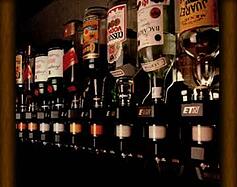
Spigots or what can be best described as “time release valves” are systems in which a ring is placed around a nozzle on the bottle. When a portion of liquor is requested, the bottle is put through the activator ring, the lever is pressed and an electrical courant opens the valve to dispense a portion of liquid.

Although we may perceive these systems as the ultimate controls, there are a few things to consider: 

  1. If you have several pouring stations, they can become cost prohibitive
  2. They can be impersonal: clients still like to see a bartender pour a drink straight into a glass without all the “mechanics” involved
  3. Sweet liquors have a tendency to crystallize and cause back ups in the lines and spigots thus requiring regular maintenance.
  4. Lack of inventory: as much as these systems can dispense exact amounts, they still require a separate system to conduct regular liquor inventories

In the end, as an operator, the decision lies in both the financial areas but also the image and feel you want your establishment to portray, both certainly will have an impact on your business and this is certainly a decision that takes time and research before adapting.  

Topics: liquor inventory, Bar inventory, bar inventory levels, Bar staff, wine inventory, Bar Management, Wine Control, Liquor Inventory savings, inventory counting

What to look for in bar consulting

bar consultingThere are many people who describe themselves as bar consultants, but simply sitting at a bar and ordering a drink does not make us specialized in the field. If you are considering a bar consultant for your business, it is a good idea to understand what they can bring to your company in terms of information.


A bar consultant normally has a background in the nightclub, restaurant and hotel industry. They understand the various facets of the business from the sales, controls, marketing and human resource sides of the business. Before hiring a bar consultant, it is always a good idea to ask them where their strengths lie and of course who they have consulted for.

If you are a large nightclub with multiple pouring stations, a consultant from the hotel or restaurant field might not be suited for the job. Bar consulting must help you take decisions that will have a positive impact on your operations. There are some bar consultants that focus on controls and how to implement liquor, beer and wine inventory procedures. Others are more front of the house bar consultants and focus on service and personnel.

There are bar consultants that will help you with the image of your bar and give you marketing ideas and promotions to help increases sales. When you are in the process of hiring a bar consult, it is maybe a good idea to ask if they work alone or have a team that can cover specific or maybe all areas of the operation that need attention. In the end, proper bar consulting can bring you the added knowledge you may need to improve the overall performance and profitability of your bar.

Topics: inventory managers, Bar staff, alcohol cost, hospitality jobs