
Liquor Inventory Experts

Over-Pouring Solutions Every Bar Should Know

Discover proven strategies to eliminate costly over-pouring and protect your bar's profit margins while maintaining exceptional guest experiences.

Why Over-Pouring Is Draining Your Bottom Line

Over-pouring represents one of the most significant yet overlooked contributors to bar shrinkage, quietly eroding profit margins with every generous pour. Industry studies reveal that bars typically lose between 20-25% of their liquor inventory to bar shrinkage, with over-pouring accounting for a substantial portion of these losses. When bartenders consistently pour even a quarter-ounce more than the standard serving size, the financial impact compounds rapidly across hundreds of drinks each week.Vibrant Bar Scene with Lively Patrons and Chalkboard Menu-1
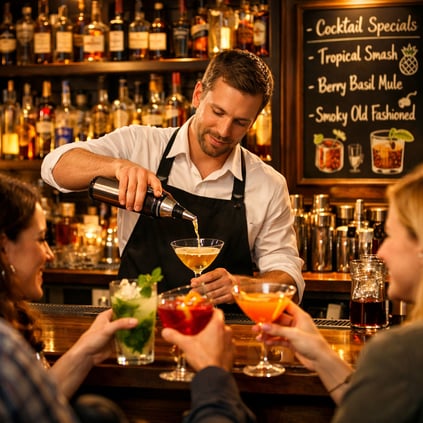
The mathematics of over-pouring are sobering. A single bartender pouring just one extra ounce per drink across 100 cocktails per shift translates to more than 12 bottles of premium spirits given away each month. For a busy establishment, this can represent thousands of dollars in lost revenue annually. Unlike liquor theft, which is intentional, over-pouring often stems from good intentions—bartenders wanting to impress customers or lacking proper training on standard pour sizes.

Beyond the direct cost of wasted inventory, over-pouring creates pricing inconsistencies that damage your business model. When customers receive varying drink strengths across visits or bartenders, it undermines your brand consistency and makes it impossible to accurately forecast costs. These inventory blind spots prevent managers from identifying true problem areas, as the data becomes unreliable. Understanding the full scope of over-pouring's impact is the essential first step toward implementing effective solutions.

Precision Pour Spouts and Measurement Tools That Work

Precision pour spouts have evolved into sophisticated tools that eliminate guesswork while maintaining the speed bartenders need during peak service. Modern measured pour spouts automatically dispense exact quantities—typically 1 ounce, 1.5 ounces, or custom amounts—with a simple inverted pour motion. Unlike free-pouring, which relies on counting or timing, these devices ensure consistency across every drink regardless of experience level or rush-hour pressure.

Jiggers remain the gold standard for accuracy in craft cocktail programs where precision directly impacts flavor profiles. Double-sided jiggers with clearly marked measurements allow bartenders to portion multiple ingredients quickly while maintaining recipe integrity. For establishments prioritizing both speed and accuracy, ball-bearing measured pourers offer a middle ground, using gravity-controlled mechanisms that dispense precise amounts without electronic components that require maintenance or battery changes.

Smart pour spouts with RFID technology represent the cutting edge of portion control, integrating directly with inventory management systems to track every ounce dispensed. These devices record which bottle was used, how much was poured, and can even be linked to POS systems to verify that pours match sales. While the initial investment is higher, the data generated helps identify patterns of over-pouring and provides accountability that quickly pays for itself through reduced bar shrinkage.

Implementation requires selecting tools that match your establishment's service style and volume. High-volume nightclubs benefit from speed pourers that maintain consistency during rapid-fire service, while upscale cocktail bars may prefer the precision and presentation of quality jiggers. The key is choosing measurement tools your staff will actually use consistently, making portion control a natural part of their workflow rather than an obstacle.

Training Techniques That Create Consistent Bartenders

Comprehensive training programs form the foundation of preventing over-pouring, transforming portion control from a policy into a practiced skill. New bartenders should complete hands-on exercises pouring water into measured containers, repeating the process until they can consistently hit target volumes within a quarter-ounce. This muscle memory training helps staff understand what proper portions look and feel like, creating an internal calibration they can rely on during busy shifts.

Recipe standardization workshops ensure every team member prepares drinks identically, eliminating the personal interpretation that leads to inconsistent pours. Create laminated recipe cards with exact measurements for house cocktails, including the specific glassware, ice, and garnishes required. Conduct regular taste-testing sessions where bartenders sample their own creations alongside properly measured versions, helping them recognize when drinks are over or under-poured by flavor alone.

Ongoing education about the business impact of over-pouring helps bartenders understand that portion control protects jobs and enables competitive wages. Share concrete examples: 'When we reduce bar shrinkage by 5%, we can invest that money in staff bonuses and updated equipment.' This shifts the narrative from management restricting generosity to the team collectively protecting the business that supports them. Bartenders who understand the economics become partners in loss prevention rather than feeling policed.

Positive reinforcement programs reward consistency and accuracy, creating motivation beyond simple compliance. Implement friendly competitions where bartenders test their free-pour accuracy, with prizes for those who come closest to standard measurements. Recognize staff members who maintain excellent pour costs in team meetings, celebrating their skill rather than only addressing problems. This approach builds a culture where precision is a source of professional pride.

Technology Solutions for Real-Time Inventory Tracking

Modern inventory management systems have transformed how bars identify and address bar shrinkage by providing unprecedented visibility into consumption patterns. Cloud-based platforms integrate with smart pour spouts, POS systems, and regular inventory counts to create a complete picture of every ounce flowing through your establishment. These systems automatically flag discrepancies when poured amounts don't match sales data, highlighting potential over-pouring or liquor theft before losses accumulate.

Real-time tracking dashboards give managers instant access to pour cost percentages, variance reports, and trending data across shifts and individual bartenders. Rather than waiting for monthly inventory to reveal problems, operators can identify concerning patterns within days and intervene immediately. The system might reveal that Wednesday night shifts consistently show higher shrinkage, prompting a review of staffing or training needs for that specific time period.

Automated alerts notify management when bottles are opened, when usage exceeds projected amounts based on sales, or when inventory falls below par levels. This eliminates the inventory blind spots that allow consistent over-pouring to go unnoticed for months. Advanced systems use artificial intelligence to establish baseline consumption patterns for each product, then flag anomalies that deserve investigation—such as premium vodka usage spiking without corresponding sales increases.

Integration capabilities connect inventory platforms with accounting software, purchasing systems, and labor management tools to provide holistic operational insights. Managers can analyze the relationship between staffing levels, sales volume, and shrinkage rates to optimize scheduling. The data generated becomes invaluable for forecasting, allowing more accurate ordering that reduces both overstock waste and emergency shortages that disrupt service.

Creating an Accountability Culture Without Sacrificing Hospitality

Building accountability around portion control requires balancing oversight with the trust and autonomy that hospitality professionals need to deliver exceptional service. The goal is creating transparency where bartenders understand they're being evaluated on consistency, not micromanaged on every pour. Clearly communicate that monitoring systems exist to identify training opportunities and systemic issues, not to catch individuals in mistakes that warrant punishment.

Establish clear standards with documented policies that define exact pour sizes for each drink category, explaining the reasoning behind these specifications. When bartenders understand that standard pours are calculated to deliver optimal flavor profiles while maintaining profitability, compliance feels less arbitrary. Include these standards in employee handbooks, training materials, and laminated quick-reference guides at each station so expectations are always accessible.

Regular performance reviews should include pour cost metrics alongside customer service evaluations, normalizing discussions about inventory management as part of professional excellence. Present the data constructively: 'Your customer ratings are excellent, and I notice your pour costs are running slightly high. Let's review a few techniques that might help.' This approach frames consistency as a skill to develop rather than a rule being broken, maintaining dignity while driving improvement.

Empower bartenders with decision-making authority for genuinely exceptional circumstances while maintaining overall accountability. Create clear guidelines for when complimentary drinks are appropriate—such as service recovery situations—with a simple documentation system. This allows staff to exercise hospitality judgment while ensuring that intentional generosity is tracked separately from over-pouring. The result is a culture where bartenders feel trusted to take care of guests while understanding that standard operations require precision that protects everyone's livelihood.

Topics: liquor inventory, liquor theft, Lineup control, Liquor Inventory savings, Loss prevention, liquor inventory system, liquor control, liquor management, liquor inventory app, over pour

Create Your Dream Home Bar with These Inspiring Ideas

Transform your home into the ultimate entertainment spot with a dream home bar. Discover inspiring ideas and tips to create the perfect atmosphere for hosting friends and family.

Choosing the Perfect Location for Your Home Bar

Home Bar BourbonWhen setting up your home bar, one of the first things to consider is the perfect location. Look for an area in your home that is easily accessible and allows for comfortable seating. It could be a corner of your living room, a dedicated space in your basement, or even a converted closet. Make sure there is enough space to move around and socialize.

Another important factor is proximity to water and electricity. You'll need access to a sink for washing glassware and utensils, as well as power outlets for your appliances. Consider the layout of your home and choose a location that makes it convenient to connect to these essential utilities.

Lastly, think about the overall ambiance of the area. Is it a space that you and your guests will enjoy spending time in? Consider factors such as lighting, decor, and seating options to create a welcoming and comfortable atmosphere for your home bar.

Designing Your Home Bar to Reflect Your Style

Designing your home bar is an opportunity to let your personal style shine. Start by choosing a theme or aesthetic that speaks to you. Whether you prefer a sleek modern look or a cozy rustic vibe, make sure to incorporate elements that reflect your taste.

Consider the materials you want to use for your bar. Wood is a popular choice for a classic and timeless look, while metal and glass can add a contemporary touch. Don't forget to pay attention to the details, such as bar stools, lighting fixtures, and shelving units. These small touches can make a big difference in the overall design.

Another important aspect of designing your home bar is organization. Make sure to plan for storage space for your liquor bottles, glassware, and other bar essentials. Utilize shelves, cabinets, and drawers to keep everything neat and easily accessible.

Remember, the design of your home bar should not only be visually appealing but also functional. Keep in mind the flow of the space and ensure that everything is within reach for efficient bartending.

Essential Equipment and Tools for Your Home Bar

To create delicious cocktails and drinks at home, you'll need the right equipment and tools. Here are some essential items to consider for your home bar:

1. Cocktail shaker: A must-have for mixing and shaking drinks.

2. Jigger: A measuring tool to ensure precise proportions.

3. Mixing glass: Ideal for stirring cocktails with a long-handled spoon.

4. Strainer: Used to separate the liquid from ice or other solids.

5. Muddler: Essential for crushing herbs, fruits, and spices to release their flavors.

6. Bar spoon: A long, slender spoon used for stirring and layering drinks.

7. Citrus juicer: For fresh-squeezed juice in your cocktails.

8. Ice bucket and tongs: Keep your ice cubes handy and hygienic.

9. Glassware: Stock up on a variety of glasses, including highball, rocks, and martini glasses.

10. Cutting board and knife: For garnishing and slicing ingredients.

Investing in these essential tools will allow you to mix up your favorite cocktails like a pro.

Stocking Your Home Bar with a Variety of Spirits

When it comes to stocking your home bar, having a variety of spirits is key. Here are some popular options to consider:

1. Bourbon: A classic choice for whiskey lovers, perfect for sipping or mixing in cocktails.

2. Vodka: A versatile spirit that can be used in a wide range of cocktails.

3. Gin: Ideal for refreshing cocktails like the classic gin and tonic or martini.

4. Rum: Whether light or dark, rum is essential for tropical cocktails.

5. Tequila: Perfect for margaritas and other tequila-based drinks.

6. Scotch: A sophisticated choice for whiskey connoisseurs.

7. Brandy: Great for after-dinner drinks and classic cocktails like the Sidecar.

8. Liqueurs: Consider stocking a few liqueurs like amaretto, triple sec, and coffee liqueur for added flavor in cocktails.

9. Bitters: A few different types of bitters can elevate the taste of your cocktails.

10. Vermouth: Essential for classic cocktails like the Manhattan and Martini.

Remember to choose spirits that you enjoy and that can be used in a variety of cocktails. It's also a good idea to have some non-alcoholic options available for guests who prefer not to drink.

Creating a Unique and Personalized Drink Menu

Now that you have your home bar set up and stocked with spirits, it's time to create a unique and personalized drink menu. Consider the following tips:

1. Signature cocktails: Come up with a few special cocktails that reflect your taste and style. Experiment with different flavor combinations and garnishes to make them stand out.

2. Classic cocktails with a twist: Put your own spin on classic cocktails by adding unique ingredients or presentation styles.

3. Seasonal specials: Change up your drink menu with the seasons. Offer refreshing cocktails in the summer and warm, cozy drinks in the winter.

4. Mocktails: Don't forget about guests who prefer non-alcoholic options. Create a selection of mocktails that are just as delicious and visually appealing as your alcoholic drinks.

5. Customizable options: Give your guests the opportunity to customize their drinks. Offer a variety of mixers, garnishes, and flavor options to cater to different preferences.

Remember to have fun with your drink menu and don't be afraid to get creative. Consider incorporating local or seasonal ingredients for a unique touch.

Topics: wine inventory, managing liquor inventory cost, whiskey, liquor inventory system, liquor control, liquor inventory app, bouron inventory

From Bottles to Bytes: Modernizing Bar Control with a Liquor Inventory App

From Bottles to Bytes: Modernizing Bar Control with a Liquor Inventory App

Bar Inventory-1The traditional methods of liquor control and bar management have given way to a new era, one that revolves around digital innovation. As bars and nightclubs strive for efficiency and profitability, Liquor Inventory Apps and Bar Inventory Apps are taking center stage. In this article, we'll explore how these apps are redefining bar control and liquor management.

Embracing Technology for Precise Liquor Control

The heart of any bar operation lies in the control of its liquor inventory. Traditional methods of tracking bottles and kegs have proven time-consuming, prone to human error, and difficult to keep up with the dynamic demands of the industry. Enter the Liquor Inventory App, a digital solution that changes the game.

With a Liquor Inventory App, every ounce of alcohol is meticulously tracked in real-time. This real-time tracking doesn't just provide accurate data on-hand; it also minimizes over-pouring, spillage, and theft. The result? More precise control over your liquor inventory, ensuring that every drop is accounted for. This level of accuracy is the foundation for efficient liquor management.

Efficiency in Bar Control through a Bar Inventory App

Efficiency is the key to a successful bar operation, and a Bar Inventory App is an indispensable tool for achieving this goal. This technology streamlines bar control in several ways. 

Firstly, it eliminates the need for manual stock counts and data entry. With real-time inventory updates, bar staff can easily see what's available, reducing the chances of running out of popular drinks during peak hours. This enhanced efficiency not only improves customer service but also eliminates the stress associated with traditional inventory management.

Secondly, the app streamlines the reordering process. Automated alerts for low stock levels ensure that orders are placed in a timely manner, reducing the risk of stockouts. This not only saves time but also prevents lost revenue due to understocking.

The Symbiosis of Liquor and Bar Control

When Liquor Inventory Apps and Bar Inventory Apps work in tandem, the synergy is undeniable. Imagine having precise data on which drinks are your best-sellers and being able to adjust pricing or promotions accordingly. With real-time insights, bar managers can optimize their offerings, ultimately maximizing revenue while keeping customers satisfied.

Furthermore, these apps foster a culture of accountability. By digitally tracking every transaction, from orders to sales, they act as a deterrent to employee theft and unauthorized consumption. This ensures a more secure business environment, builds trust among staff members, and enhances overall bar control.

In conclusion, the integration of Liquor Inventory Apps and Bar Inventory Apps represents a modern approach to bar control and liquor management. These digital tools provide accurate and real-time insights into inventory levels, streamline operations, reduce wastage, and enhance profitability. Bars and nightclubs that embrace this technology gain a competitive edge in an industry known for its dynamism and tough competition. If you're looking to bring your bar into the digital age and modernize your operations, consider the implementation of these innovative apps. Raise your glasses to more efficient and profitable bar control!

Topics: Bar inventory, managing liquor inventory cost, bar control, liquor control, bar inventory app, liquor inventory app

Liquor Inventory for Hotels

Liquor Inventory for Hotels: Elevating Guest Experience through Smart Bar Inventory Management

Hotel Bar InvetoryIn the bustling world of hotels, where hospitality meets luxury and service is paramount, every detail matters. This is especially true for the bar and beverage services within hotels. A flawlessly managed bar not only adds to the overall guest experience but also contributes significantly to the hotel's revenue. To achieve this level of excellence, efficient liquor inventory management is essential. In this article, we'll explore how bar inventory apps and hotel inventory software can transform liquor inventory management within hotels, enhancing both operations and guest satisfaction.

The Significance of Liquor Inventory Management in Hotels

Effective liquor inventory management is a delicate dance between ensuring that the bar is well-stocked to meet guest demands while avoiding overstocking that ties up capital. Hotels often have multiple bars, each catering to different settings - from a casual lounge to an upscale rooftop bar. This diversity of venues presents a unique challenge in maintaining a consistent and optimized liquor inventory across the property.

Bar Inventory Apps and Hotel Inventory Software: A Seamless Solution

Enter bar inventory apps and hotel inventory software, tailor-made to streamline the complex task of managing liquor inventory in hotels.

Real-time Tracking: Bar inventory apps offer real-time tracking of each liquor bottle, mixer, and garnish. This ensures that inventory data is accurate and up-to-date, making it easier to plan restocking and prevent shortages.

Comprehensive Insights: Hotel inventory software provides in-depth analytics and reports, enabling you to analyze consumption patterns, identify top-performing items, and make data-driven decisions for your bar offerings.

Multi-Venue Management: For hotels with multiple bars and venues, these tools offer the advantage of centralizing inventory data. You can monitor inventory levels across all locations, facilitating better coordination and resource allocation.

Integration with Point of Sale (POS) Systems: Many bar inventory apps seamlessly integrate with the hotel's POS system. This integration ensures that sales data and inventory updates are automatically synchronized, minimizing errors and providing a holistic view of the bar's performance.

Waste Reduction: Efficient liquor inventory management involves minimizing wastage. Bar inventory apps help track spillage, breakage, and over-pouring, allowing you to implement measures to reduce waste and control costs.

Enhanced Guest Experience: Accurate inventory management ensures that guests can enjoy their favorite drinks consistently. Whether it's a classic cocktail or a signature creation, a well-stocked bar adds to the overall guest satisfaction.

Choosing the Right Solution

When selecting a bar inventory app or hotel inventory software for your hotel, consider factors such as user-friendliness, compatibility with your existing systems, customer support, and scalability. Look for solutions that offer customization options to cater to the unique needs of your hotel's bars.

In conclusion, liquor inventory management is a critical component of successful bar operations within hotels. Bar inventory apps and hotel inventory software offer a range of benefits, including real-time tracking, comprehensive insights, multi-venue management, and waste reduction. By embracing these technological tools, hotels can enhance efficiency, optimize inventory, and elevate the guest experience at their bars. Cheers to a well-organized and seamlessly operated bar that becomes a highlight of your hotel's exceptional hospitality!

Topics: Hotel Inventory, hotel supplies, liquor control, bar inventory software, bar inventory app, Hotel Bar Inventory

Managing Finances and Operations in Bars and Nightclubs

Chapter 9: Managing Finances and Operations

Bar OperationsIn this crucial chapter, we delve into the financial and operational aspects of running a successful bar. Managing your finances efficiently and streamlining operations are key to maximizing profits and providing top-notch service to your valued customers.
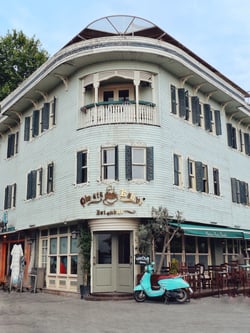

Let's begin with financial management. Keeping a close eye on your bar's budget is essential for long-term success. Track your revenue and expenses diligently, including inventory costs, staff wages, rent, and marketing expenses. Utilize bar inventory software to gain real-time insights into your inventory expenditure, helping you make informed decisions on pricing and menu offerings.

Bar inventory software plays a pivotal role in optimizing your bar's finances. By accurately tracking ingredient usage and inventory levels, you can minimize waste and reduce overstocking, directly impacting your bottom line. The software's automated features make inventory management more efficient, freeing up time for your staff to focus on customer service.

In addition to financial management, operational efficiency is equally critical for a successful bar. Smooth operations ensure that your bar runs seamlessly during busy hours and special events, leading to a positive customer experience.

Bar inventory software facilitates better operations by providing comprehensive reports on your bar's performance. With this data, you can identify peak hours, predict busy periods, and adjust staffing levels accordingly. Streamlining operations helps prevent bottlenecks, enhances customer service, and increases your bar's overall productivity.

Furthermore, the software's ordering and restocking features enable you to maintain sufficient stock levels without excess inventory, ensuring you're prepared for busy nights without tying up unnecessary capital in inventory.

Regularly assess your bar's operations, seeking opportunities for improvement. Encourage open communication with your team to identify pain points and implement strategies for more effective workflows. A well-organized and motivated team contributes to smoother operations and an improved overall customer experience.

In conclusion, managing finances and operations are the backbone of a successful bar. Use bar inventory software to optimize inventory management, reduce costs, and improve efficiency. Pair it with meticulous financial tracking to ensure your bar's profitability and sustainability. By prioritizing financial responsibility and operational excellence, you'll create a bar that thrives, delights customers, and stands the test of time. Here's to your bar's continued success and prosperity!

Topics: bar profitability, managing liquor inventory cost, Bar Management, liquor control, liquor management, bar inventory app, bar operations

Marketing and Promotion For Your Bar

Chapter 8: Marketing and Promotion for your bar
Bar Promotion
In this chapter, we explore the exciting realm of marketing and promotion for your bar. Effective marketing strategies are essential for attracting new customers, increasing foot traffic, and building a loyal clientele. Whether you're a new bar looking to make a splash or an established one seeking to reinvigorate your brand, a well-crafted marketing plan can make all the difference.

One of the first steps in marketing your bar is to establish a strong online presence. In today's digital age, potential customers often turn to the internet to discover new places to visit. Create a visually appealing and user-friendly website that showcases your bar's unique ambiance, menu offerings, and upcoming events. Optimize your website with relevant keywords related to bar inventory and bar inventory software to improve your online visibility.

Embrace the power of social media to connect with your audience and build a community around your bar. Share enticing images and videos of your signature cocktails, mouthwatering dishes, and vibrant atmosphere. Engage with your followers by responding to comments, running contests, and offering exclusive promotions.

Partnering with local influencers, bloggers, and media outlets can also amplify your bar's reach. Invite them to experience your bar and share their honest reviews with their audience. Positive reviews and word-of-mouth recommendations can significantly impact your bar's reputation.

Now, let's talk about how bar inventory and bar inventory software can play a role in marketing and promotion. Efficient inventory management can lead to cost savings, allowing you to invest in marketing initiatives and promotions. With bar inventory software, you can identify top-selling items and plan targeted promotions around them.

Promote unique events, such as themed nights, live performances, or happy hour specials, to draw in a diverse crowd and create buzz around your bar. Leveraging your bar inventory software's data insights, you can tailor promotions to specific customer preferences and interests.

Finally, consider partnering with local businesses and organizations to cross-promote each other's offerings. Collaborating with nearby restaurants, hotels, or event venues can expand your bar's visibility within the community and attract new customers.

In conclusion, marketing and promotion are crucial for the success of your bar. Establish a strong online presence, leverage social media, and engage with influencers to boost your bar's visibility. Embrace bar inventory software to optimize inventory management and invest in targeted promotions. With a well-executed marketing plan, your bar will thrive and become a go-to destination for patrons seeking exceptional experiences. Cheers to successful marketing that raises a glass to your bar's success!

Topics: liquor theft, managing liquor inventory cost, Bar Management, bar control, Bar Promotion, liquor control

Building a Stellar Team

Bar inventory staffChapter 6: Building a Stellar Team

Behind every successful bar is a team of dedicated and skilled individuals who contribute to its vibrant atmosphere and exceptional service. In this chapter, we'll explore the art of building a stellar team that shares your passion for the industry and is committed to creating memorable experiences for your customers.

The first step in assembling your dream team is defining the roles and responsibilities required to run your bar smoothly. Consider positions such as bartenders, servers, hosts, barbacks, and kitchen staff, depending on the size and scope of your establishment. Each role plays a vital part in delivering top-notch service to your patrons.

When hiring, look for individuals with a genuine love for the hospitality industry and a friendly, positive attitude. Experience is valuable, but an enthusiastic and eager-to-learn mindset can often be more essential. Your team's attitude and demeanor significantly influence the atmosphere of your bar, so prioritize hiring individuals who can create a welcoming and inviting environment.

Once you've assembled your team, invest time in training and development. Provide comprehensive onboarding that covers your bar's values, culture, and service standards. Ongoing training sessions, workshops, and team-building activities can enhance skills, foster camaraderie, and boost morale.

Now, let's discuss how bar inventory and bar inventory software play a role in supporting your team. Efficient inventory management is essential for a well-functioning bar, and it directly impacts your team's ability to serve customers seamlessly. Bar inventory software simplifies this process, allowing your team to focus on delivering exceptional service rather than worrying about inventory-related tasks.

With bar inventory software, your bartenders can access real-time stock levels and ingredient availability, which helps them create drinks efficiently. The software's automated tracking and reordering capabilities ensure that your team always has the necessary supplies on hand, reducing downtime and preventing customer disappointment.

Furthermore, bar inventory software can empower your team to contribute to cost-saving efforts. With accurate data on usage and wastage, they can identify opportunities for improvement, such as portion control and mindful ingredient usage, which ultimately impacts the bar's profitability.

In conclusion, building a stellar team is a crucial aspect of running a successful bar. Hiring passionate individuals, providing comprehensive training, and fostering a positive work environment contribute to exceptional service and a welcoming atmosphere. Combined with bar inventory software for efficient inventory management, your team can focus on what they do best: creating delightful experiences for your valued customers. Cheers to a united and skilled team that takes your bar to new heights!

Topics: Bar inventory, Bar Management, Liquor Inventory savings, bar inventory system, liquor control, bar inventory app

Navigating Licenses and Permits

Chapter 2: Navigating Licenses and Permits

Bar inventoryWhen it comes to opening a bar, one of the most important aspects to consider is obtaining the necessary licenses and permits. This chapter will guide you through the complex world of legal requirements, ensuring that you have all the paperwork in order to operate your establishment smoothly and legally.



Obtaining licenses and permits can vary depending on your location, so it's crucial to research the specific regulations in your area. From liquor licenses to health permits, you'll need to understand the specific requirements and processes involved.

One critical aspect of running a bar is managing your inventory effectively. Keeping track of the stock levels, tracking usage, and ensuring timely restocking are vital for smooth operations. This is where bar inventory management software can be a game-changer.

Bar inventory software is designed to streamline the inventory management process, making it more efficient and accurate. With advanced features like barcode scanning, real-time updates, and comprehensive reporting, it enables you to monitor your stock levels with ease. This software also helps in identifying trends, minimizing waste, and optimizing purchasing decisions.

Implementing bar inventory software can save you time, reduce errors, and ultimately improve profitability. It provides a centralized system for inventory control, eliminating the need for manual spreadsheets or guesswork. By automating tasks such as order generation and tracking, it allows you to focus more on providing exceptional customer experiences.

When selecting bar inventory software, consider factors such as user-friendliness, compatibility with your POS system, and scalability as your business grows. It's worth exploring different options and reading customer reviews to find a solution that aligns with your specific needs.

In conclusion, obtaining the necessary licenses and permits is a crucial step in opening a bar. Additionally, implementing bar inventory software can revolutionize the way you manage your inventory, providing efficiency, accuracy, and improved profitability. By staying informed on legal requirements and embracing technology, you'll navigate through this chapter successfully, setting a strong foundation for your bar's operations.

Topics: Bar inventory, bar inventory levels, bar inventory system, liquor control, bar inventory software

Best Practices for Bar Inventory Control

Bar inventory best practices


Maintaining effective bar inventory control is essential for the smooth operation of a bar, and implementing best practices within a "bar inventory system" and "liquor inventory system" can optimize inventory management. Let's explore some key best practices for bar inventory control.

  1. Categorize and Organize: Properly categorize and organize inventory items such as liquor bottles, kegs, mixers, and garnishes. This ensures easy identification, efficient counting, and reduces the chances of errors.

  2. Accurate Measurement: Use calibrated measuring tools to accurately measure initial stock levels and track consumption. Precise measurements help maintain accurate inventory records and prevent discrepancies.

  3. Regular Inventory Counts: Conduct regular inventory counts to monitor stock levels and identify any variances. Consistency in counting ensures accurate records and allows for timely reordering.

  4. Set Par Levels: Determine par levels for each inventory item based on historical data, sales trends, and customer demand. These levels act as thresholds, triggering reordering when stock reaches a specified minimum.

  5. FIFO Method: Implement the "first in, first out" (FIFO) method to ensure older inventory is used before newer stock. This prevents spoilage, minimizes waste, and maintains product quality.

  6. Technology Integration: Utilize bar inventory systems or liquor inventory management software to streamline inventory control. These systems provide real-time tracking, automate reordering, and generate reports for analysis and decision-making.

  7. Supplier Relationships: Cultivate strong relationships with suppliers to ensure reliable and timely deliveries. Regular communication with vendors helps negotiate favorable terms, secure competitive pricing, and address any supply chain issues.

  8. Staff Training: Train bartenders and staff on inventory control best practices, including accurate pouring techniques and minimizing spillage. Educate them about the importance of inventory management and their role in maintaining accurate records.

  9. Loss Prevention Measures: Implement measures to prevent theft and reduce losses, such as surveillance cameras, bottle locks, and secure storage areas. Staff awareness and vigilance play a crucial role in preventing inventory shrinkage.

  10. Data Analysis and Adjustment: Analyze inventory data regularly to identify trends, patterns, and areas for improvement. Adjust inventory levels, ordering strategies, and pricing based on data insights to optimize inventory control and profitability.

By implementing these best practices, bars can establish effective bar inventory systems and liquor inventory systems. Accurate tracking, efficient stock management, and minimized waste contribute to improved profitability and customer satisfaction. Bar inventory control is a continuous process that requires attention, adaptability, and a commitment to optimizing operations.


Topics: Bar inventory, Bar Management, bar control, liquor control, bar inventory software

Best Practices for Bar Inventory Control

Implementing effective bar inventory control practices is crucial for maintaining accurate stock levels, minimizing waste, and maximizing profitability within a "bar inventory system" and "liquor inventory system." Let's explore some best practices that can help bars achieve efficient inventory control.

  1. Categorize and Organize: Categorize inventory items based on type, brand, and size. Organize bottles, kegs, and supplies in a systematic manner for easy counting and restocking. This ensures efficient inventory management and reduces errors during inventory checks.

    Nightclub

    Accurate Measurement: Use precise measuring tools, such as scales or liquor meters, to measure and record initial stock levels. Consistently measure and track consumption to maintain accurate inventory records.

  2. Standardized Pouring Methods: Train bartenders to follow standardized pouring methods for consistent drink portions. This helps control costs, minimize over-pouring, and maintain accurate inventory levels.

  3. Regular Inventory Counts: Conduct frequent inventory counts to monitor stock levels. Regularly reconcile recorded quantities with actual stock to identify discrepancies and address any issues promptly.

  4. Utilize Bar Inventory Systems: Implement a reliable bar inventory system or liquor inventory management software. These systems automate inventory tracking, generate reports, and streamline processes, improving accuracy and efficiency.

  5. Set Par Levels: Determine optimal par levels for each inventory item based on consumption patterns and demand. Set reorder points to prevent stockouts and maintain adequate stock levels without excess inventory.

  6. Minimize Shrinkage: Implement security measures, such as surveillance cameras and bottle locks, to deter theft and reduce shrinkage. Train staff on the importance of inventory control and implement strict procedures to minimize spillage and waste.

  7. Vendor Relationships: Cultivate strong relationships with reliable suppliers. Communicate regularly, negotiate favorable terms, and ensure timely deliveries to maintain a smooth supply chain and minimize disruptions.

  8. Data Analysis: Regularly analyze inventory data, sales trends, and customer preferences. Use this information to make informed decisions regarding pricing, menu offerings, and ordering strategies to optimize inventory control.

  9. Training and Communication: Provide comprehensive training to staff on inventory control practices, including accurate measurement, proper handling, and effective utilization of the inventory management system. Foster open communication to address any inventory-related concerns or suggestions from the team.

By implementing these best practices, bars can enhance their bar inventory systems and liquor inventory systems, ensuring accurate tracking, efficient stock management, and improved profitability. Effective inventory control contributes to cost savings, waste reduction, and an overall smoother operation within the bar environmen

Topics: Bar inventory, Bar staff, liquor purchasing, liquor inventory system, liquor control